

Minimum wage 2015: The ends just don’t meet
Next time you’re at the grocery store, keep track of what $8.23 will buy. Maybe it’s a loaf of bread, a jar of peanut butter and some vegetables. Whatever the choices, the money won’t go far — and the point here is that thousands of Coloradans work hard and try to make ends meet on $8.23 per hour, the current minimum wage. They have to find a way to pay for housing, food, health care, transportation, shoes and clothing, and the ever-growing cost of child care. It’s difficult to imagine how anyone can afford even just the essentials on minimum wage — let alone have anything left over for education or retirement.
These strains are driving a nationwide movement to increase the minimum wage, and that’s why I fought twice to move ours at least slightly closer to a livable wage. One bill would have allowed local governments to set their own minimum wage, so workers who serve people in wealthier cities might be able to afford rent or have more stability. The other would have put a measure on the ballot asking for an increase of a dollar per year through 2020.
Unfortunately, the Republican Senate President sent both measures to a Senate “kill committee.” As the name suggests, they both died there, although it’s worth noting that HB 15-1300 passed the Democratic-controlled House of Representatives before it met its demise.
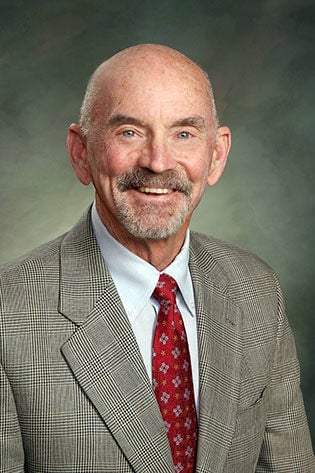
Sen. Michael Merrifield

Without some action, the minimum wage will merely continue to grow at a snail’s pace, as it did in past years. Tied only to Colorado’s rate of inflation, it increased 14 cents per hour in 2013, 22 cents per hour in 2014, and 23 cents per hour in 2015.
That’s piggy-bank pennies, with no increase in purchasing power, especially when you consider the realities of modern-day living.
The big one — the cost of housing — is through the roof. The website rentjungle.com reports that the average one-bedroom apartment in Denver rents for $1,275 per month. Multiplied by 12 months, this alone equals $15,300 per year in cash, while minimum wage for a year adds up to about $17,118 — before taxes. Of course a minimum wage worker could try to find cheaper digs, or share expenses with a partner or roommates, but rent still eats up a huge part of a worker’s hard-earned paycheck. This just doesn’t leave much for everything else, and that’s an economic problem.
It’s pretty simple. If people have earnings beyond the cost of bare necessities, they will spend — in turn benefiting businesses in their local communities. In fact, it is estimated that consumer spending equals about 70 percent of our gross domestic product. Henry Ford knew this a century ago — if his workers made a fair wage, they could afford his Model Ts, and he did better business as a result.
Undoubtedly, my bill and resolution this year attracted concern from Capitol business groups and their lobbyists. I would counter that some of the same concerns surfaced in 2006 when voters passed Amendment 42 to establish our current minimum wage, but today Colorado’s unemployment rate is the lowest it’s been since the recession.
There are also moral issues galore at play here. Our society is spending billions on social safety net programs for low-wage workers that could be avoided if folks just made a livable wage — notably food stamps to make sure people aren’t starving, and health care subsidies to make sure people have access to doctors if they’re injured or ill. And fundamentally, too many people are suffering the quiet despair of living in uncertainty, one bad break away from financial disaster and the immense personal problems that come with it.
Despite this year’s legislative defeats, I intend to keep fighting for fairness, and I know many Coloradans are on my side even if Senate Republicans are not.
— Sen. Michael Merrifield is a Democrat representing Colorado Springs

Colorado State Fair youth golf tournament celebrates 11 years
Marianne Goodland
marianne.goodland@coloradopolitics.com
Updated 1 hour ago
Twenty-eight teams tee off Friday at Walking Stick Golf Course in Pueblo for a tournament supporting 4-H, Future Farmers of America and capital improvements at the Colorado State Fair. Now in its 11th year, the Partners of Youth in Ag...

Controversial two-bag furbearer limit heads to CPW meeting under legal threat
Marianne Goodland
marianne.goodland@coloradopolitics.com
Updated 1 hour ago
Next week’s Colorado Parks and Wildlife Commission meeting in La Junta is likely to open under the cloud of threatened legal action. Safari Club International and the Sportsmen’s Alliance Foundation warned the commission this month that its July vote imposing...
Democratic-aligned poll shows big majority of swing-seat voters support routine childhood vaccines
Ernest Luning
ernest.luning@coloradopolitics.com
Updated 4 hours ago
A new poll conducted by Democratic-aligned groups found that voters in competitive U.S. House districts — including a battleground seat in Colorado — support routine childhood vaccinations by a wide margin and oppose a recent order by President Donald Trump...
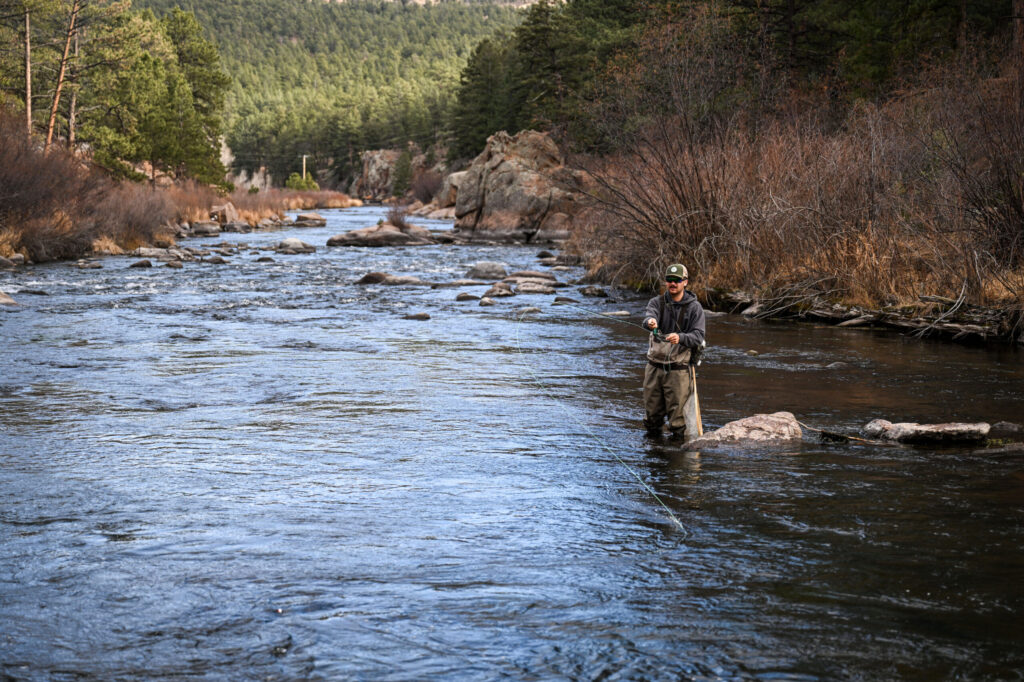
Some Colorado hunters oppose right to hunt, fish proposal, group says
Marissa Ventrelli
marissa.ventrelli@coloradopolitics.com
Updated 3 hours ago
A group that says it represents hunters and anglers from across Colorado announced its opposition to a ballot measure that would establish the right to hunt and fish in Colorado’s constitution, saying it could result in the overturning of bans...
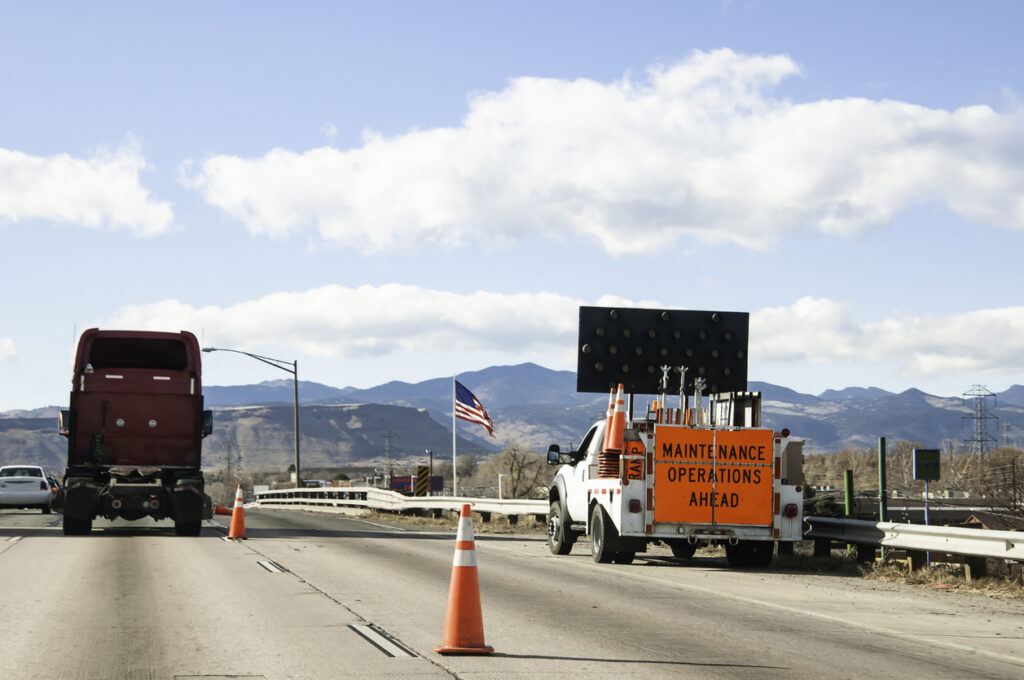
Coalition drops Colorado transportation ballot measure as long-term funding plan advances
Marissa Ventrelli
marissa.ventrelli@coloradopolitics.com
Updated 5 hours ago
The proposed constitutional amendment on Colorado’s transportation funding will be removed from the November ballot after its supporters said they reached an agreement with lawmakers following months of negotiations. Initiative 175, backed by the coalition Restore Our Roads, would have...
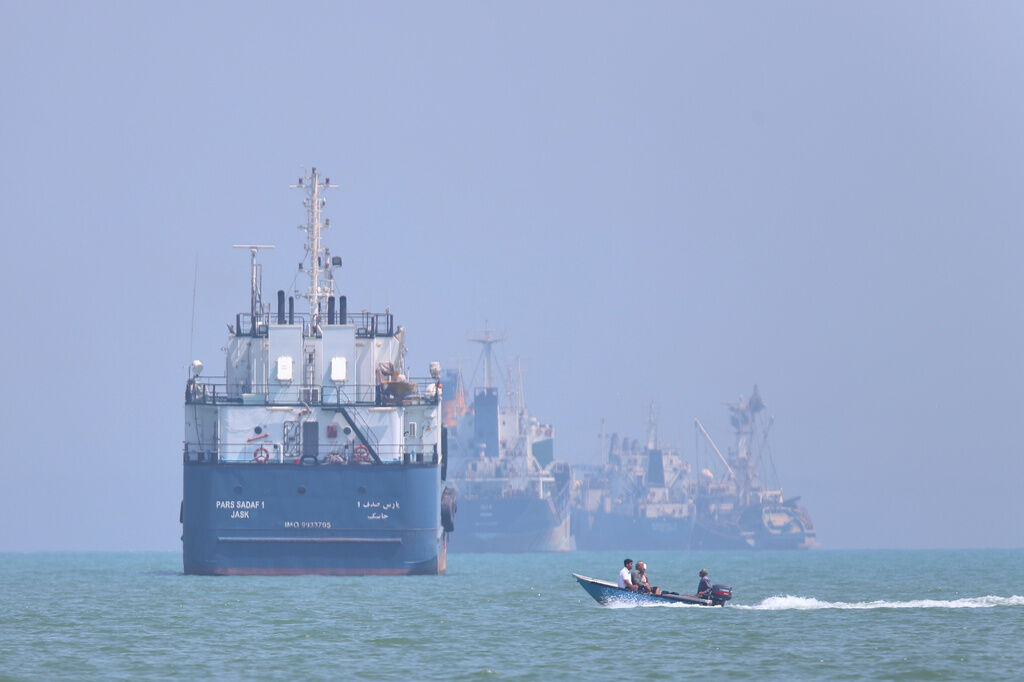
Iran and Oman come to agreement to open Strait of Hormuz, but await US buy-in
Claire Carter
claire.carter@washingtonexaminer.com
Updated 6 hours ago
Iran and Oman reached an understanding on a temporary shipping corridor through the Strait of Hormuz, clearing a major hurdle to reopening the critical waterway, but Tehran says implementation depends on the United States meeting a series of demands. The...

Trump faces warning signs among women ahead of midterm elections
Rena Rowe
rena.rowe@washingtonexaminer.com
Updated 22 minutes ago
President Donald Trump is facing significant challenges among women voters heading into the 2026 midterm elections, with a new survey showing low approval of his job performance and broad opposition to key policies in his administration’s agenda. A national survey...

Colorado gubernatorial candidates Phil Weiser, Greg Lopez to face off in televised debate
Ernest Luning
ernest.luning@coloradopolitics.com
Updated 42 minutes ago
Two of the candidates for governor of Colorado are set to square off in a televised debate for the first time Thursday night, when Attorney General Phil Weiser, the Democratic nominee, and former U.S. Rep. Greg Lopez, an unaffiliated candidate,...
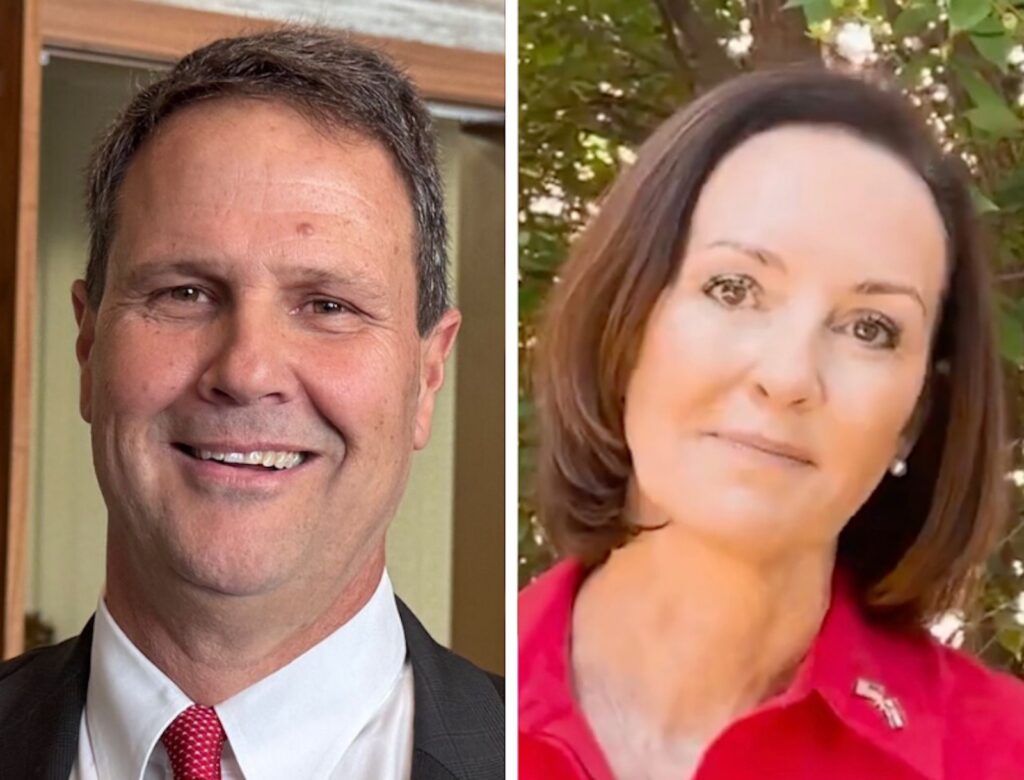
Republican US Rep. Jeff Crank, Democratic challenger Jessica Killin set to debate in Colorado’s 5th CD
Ernest Luning
ernest.luning@coloradopolitics.com
Updated 7 hours ago
Republican U.S. Rep. Jeff Crank and Jessica Killin, his Democratic challenger, are scheduled to meet for a televised debate in the race to represent Colorado’s 5th Congressional District on Thursday night. The candidates are set to take the stage at...
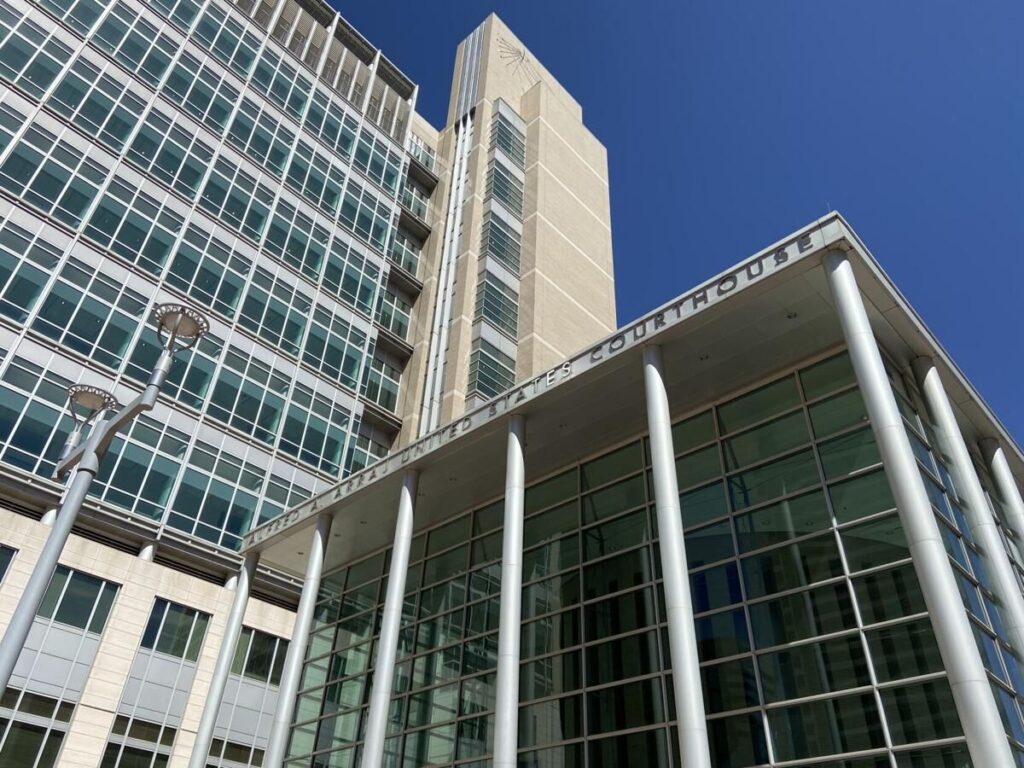
Wrongfully deported man to be returned to U.S., Colorado federal judge orders
Michael Karlik
michael.karlik@coloradopolitics.com
Updated 8 hours ago
Colorado’s chief federal judge took the extraordinary step of directing the government on Tuesday to do everything it can to return a man it deported in violation of his order. At the same time, Colorado’s chief magistrate judge has set...
PREV
PREVIOUS

The Adelson primary at the Republican Jewish Coalition
Ninety miles outside Las Vegas you begin to see the first indications there must be more than creosote bush and cholla cactus somewhere up ahead. Electric transmission lines start to converge on and then parallel I-15, delivering the electrons required to light up ‘The Strip’ — reportedly visible to space station astronauts at night. What […]

Letters to the Editor
Dear Editor, Please identify the organization Americans for Prosperity. It is the voice of the Koch Brothers. It is not a grassroots organization. It has no roots in Colorado. It should not be able to present its agenda in a public forum without disclosing its ownership. Every columnist should be identified by his employment as a starting point. Good luck on […]