

2022 COLORADO GENERAL ELECTION GUIDE | Judicial retention elections
Support local journalism: As a public service, we have decided to put the 2022 Colorado General Election Guide in front of our paywall so you can access it for free. Would you support our work by subscribing to Colorado Politics? Your subscription allows us to pursue time-consuming projects, such as this voter guide, as well as other issues that shape our state. You may subscribe here.
This November, voters statewide will decide whether to retain 135 judges for terms of four to eight years. Unlike other races on the ballot where multiple candidates are seeking a single position, judicial retention requires voters to select either “yes” or “no.”
Here are answers to some basic questions about retention elections.
Q: Do we elect judges in Colorado?
A: Not exactly. In many states, people campaign to be judges, sometimes in partisan elections. Here, the governor appoints judges and voters decide whether they continue in office after a probationary period.
Voters approved a constitutional amendment in 1966 to adopt the system we now have. Judges can serve for as long as the voters continue to retain them, up to the mandatory retirement age of 72.
Q: How long do judges stay in office?
A: County court judges serve terms of four years. District court judges, who have general jurisdiction over cases, serve six years. Court of Appeals judges have eight-year terms, and Supreme Court justices serve for 10 years. There is no limit to the number of terms they can serve.
Q: What happens if a judge doesn’t get retained?
A: The governor gets to appoint a new judge in the event of vacancies. Citizen-led commissions, which have a mix of lawyers and nonlawyers, screen applicants and send a list of finalists to the governor – typically three people. The governor’s office conducts additional screening and interviewing, which results in an appointment.
Q: How do I know if someone is a good judge?
A: There’s no surefire way, but each of the state’s 22 judicial districts has a performance commission that prepares a summary of each judge’s work for voters. An additional commission handles Court of Appeals judges and Supreme Court justices.
The summaries, which appear in the Blue Book and online, advise voters whether judges meet or don’t meet performance standards. The data stem from surveys given to lawyers who appear before the judges, surveys to non-lawyers, courtroom observations and input from chief judges of the judicial districts, among other sources of information.
Ultimately, they are measured on their case management, knowledge of the law, demeanor, communications skills and fairness.
Q: What does it mean to meet or not meet performance standards?
A: There are numerous questions the performance commissions answer when determining whether a judge meets performance standards. For example, did the judge ask understandable and relevant questions in court? Did the judge have control over the courtroom? During sentencing, did the judge listen to all sides and clearly state the reasoning for the sentence? And did the judge correct issues with their performance that were noted previously?
Q: How many judges this year didn’t meet performance standards?
A: According to the performance commissions, all 135 judges on the ballot met performance standards.
Q: Do I vote on all 135 judges?
A: You only vote to retain the county and district court judges where you live. You’re also able to vote on judges with statewide jurisdiction, meaning the Court of Appeals and Supreme Court. This year, no Supreme Court justices are up for retention.
Q: How do I know if a judge made bad decisions or misbehaved?
A: There is no easy way to get that information. Appeals of trial judges’ decisions take years, and not all appeals are equal. For example, sometimes a judge misapplies law that is clear. But other times, the law is murky and a judge makes their best effort to give an answer, only to be reversed on appeal.
The Colorado Commission on Judicial Discipline investigates misconduct complaints about judges, but there is substantial secrecy built into the process. Performance commissions may not know that a judge has been privately reprimanded, or that a report has even been made about a judge.

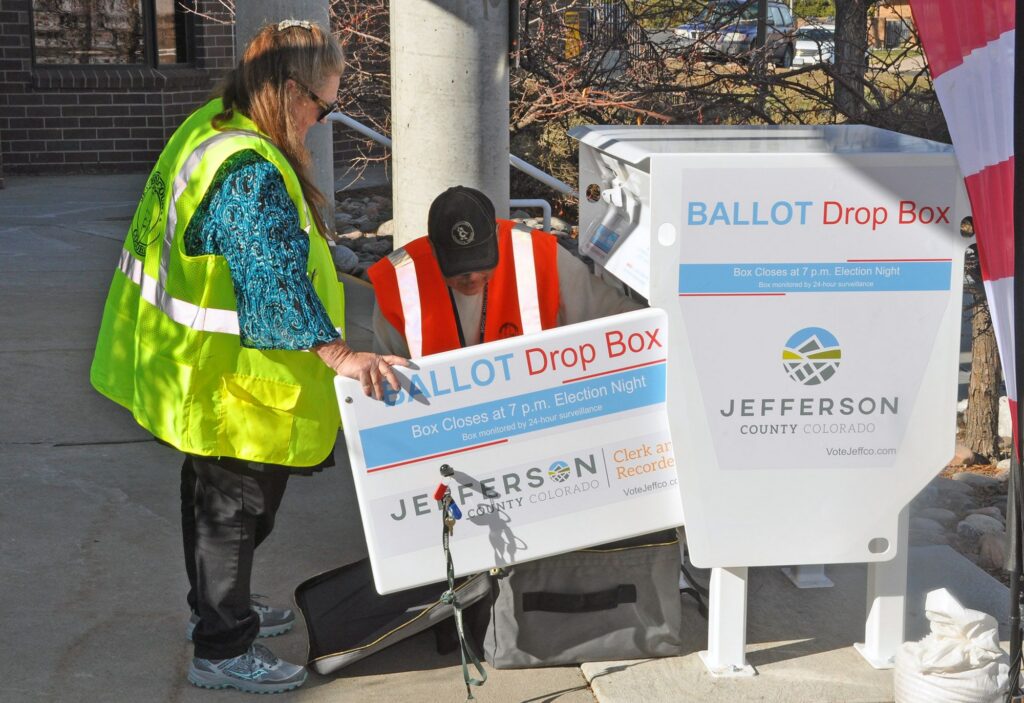
Democratic ballots outpace Republicans’ as Colorado’s primary vote starts to trickle in
Ernest Luning
ernest.luning@coloradopolitics.com
Updated 8 hours ago
With less than two weeks left before ballots are due in Colorado’s primary election, election officials have logged in ballots from just under 6% of the state’s 4 million active, registered voters, the Colorado Secretary of State’s Office said Thursday....

Amid public pressure, Colorado candidates tackle social media regulations for minors
Bethany Johnson
bethany.johnson@denvergazette.com
Updated 18 hours ago
Following the accidental overdose of her daughter in 2020, Patti Lujan pursued a lawsuit against Snapchat, the social media platform that, she claimed, connected her daughter with a drug dealer. In a news release announcing the lawsuit, Lujan alleged that...
Colorado state Senate: Meet the primary election candidates
Marianne Goodland
marianne.goodland@coloradopolitics.com
Updated 1 day ago
Colorado’s June 30 primary features a slate of state Senate contests, with several incumbents stepping aside and competitive fields emerging in both parties. These are some of the races to watch as voters begin to submit ballots. Senate District 3:...

Hickenlooper raises $900K since April, heads into primary with almost $3 million on hand
Ernest Luning
ernest.luning@coloradopolitics.com
Updated 2 days ago
U.S. Sen. John Hickenlooper raised just over $900,000 for his reelection bid in the 10-week pre-primary reporting period, the Colorado Democrat’s campaign said Wednesday. The campaign finished the period with almost $3 million in the bank, with more than 80%...
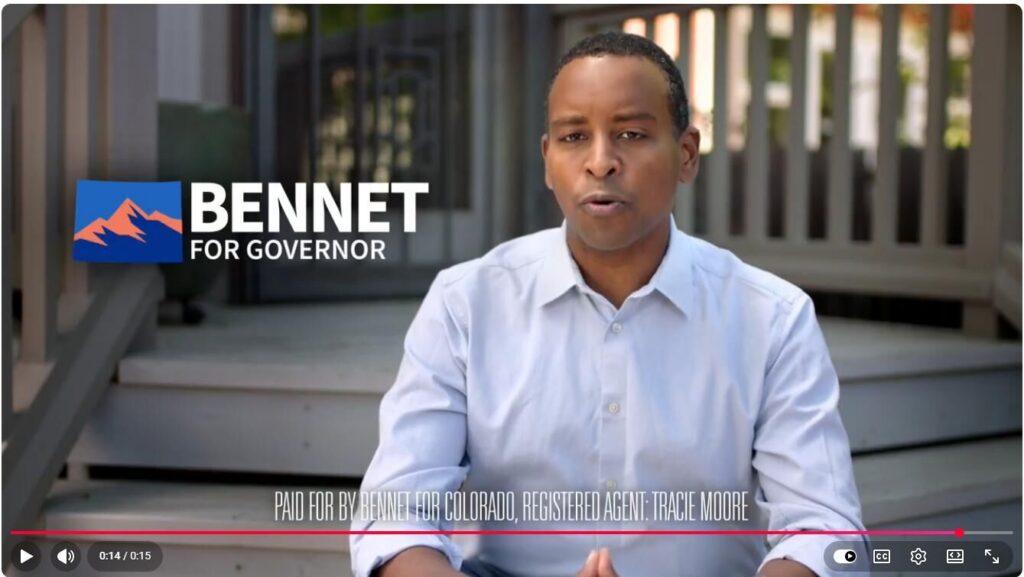
Bennet’s gubernatorial ads say U.S. Senate committee paid for them
Marianne Goodland
marianne.goodland@coloradopolitics.com
Updated 1 day ago
Update: as of Wednesday morning, at least one of the ads, featuring Colorado’s Democratic congressional delegation, has been changed to include the disclaimer “paid for by Bennet for Governor.” A series of TV commercials for U.S. Sen. Michael Bennet’s gubernatorial...

A graduated tax plan could undercut Colorado’s business competitiveness, analysis warns
Marissa Ventrelli
marissa.ventrelli@coloradopolitics.com
Updated 13 hours ago
A proposal to move Colorado to a graduated income tax — taxing individuals and businesses at different rates based on their earnings — could generate more than $2 billion in its first year, but it could also weaken the state’s...
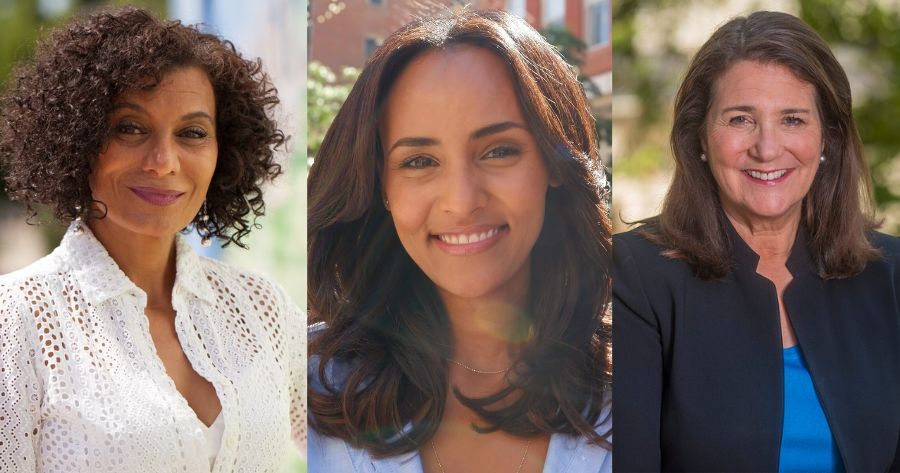
1st Congressional District Democratic primary: Meet candidates Diana DeGette, Milat Kiros and Wanda James
Thelma Grimes
thelma.grimes@coloradopolitics.com
Updated 3 days ago
Voters in Colorado’s 1st Congressional District will face an unusually competitive choice on this year’s Democratic primary ballot, where Rep. Diana DeGette, who has represented the area for nearly three decades, is being challenged by two candidates who successfully qualified...

Colorado primary for U.S. Senator: Candidates John Hickenlooper and Julie Gonzales
Thelma Grimes
thelma.grimes@coloradopolitics.com
Updated 3 days ago
The race between U.S. Sen. John Hickenlooper and state Sen. Julie Gonzales has emerged as one of Colorado’s most intriguing Democratic primaries. Gonzales is running on a message of generational change, arguing that Democrats need a more aggressive approach and...

Colorado primary for governor: Meet the Democratic and Republican candidates
Thelma Grimes
thelma.grimes@coloradopolitics.com
Updated 2 days ago
Colorado’s race for governor is wide open this year, with Gov. Jared Polis term‑limited and unable to seek reelection. Five candidates are competing for a spot on the November ballot, setting up one of the most closely watched primaries in...

Colorado Attorney General Democratic primary: Meet the candidates
Thelma Grimes
thelma.grimes@coloradopolitics.com
Updated 2 days ago
One of the most closely watched contests on the June primary ballot is the four‑way Democratic race for Colorado attorney general. With Attorney General Phil Weiser term‑limited and running for governor, attention has shifted to the candidates vying to replace...
PREV
PREVIOUS

2022 COLORADO GENERAL ELECTION GUIDE | State Senate
Support local journalism: As a public service, we have decided to put the 2022 Colorado General Election Guide in front of our paywall so you can access it for free. Would you support our work by subscribing to Colorado Politics? Your subscription allows us to pursue time-consuming projects, such as this voter guide, as well as […]

2022 COLORADO GENERAL ELECTION GUIDE | Statewide
Support local journalism: As a public service, we have decided to put the 2022 Colorado General Election Guide in front of our paywall so you can access it for free. Would you support our work by subscribing to Colorado Politics? Your subscription allows us to pursue time-consuming projects, such as this voter guide, as well as […]