

Wildlife commissioner pushes for tougher penalties after hunter accidentally kills Colorado wolf
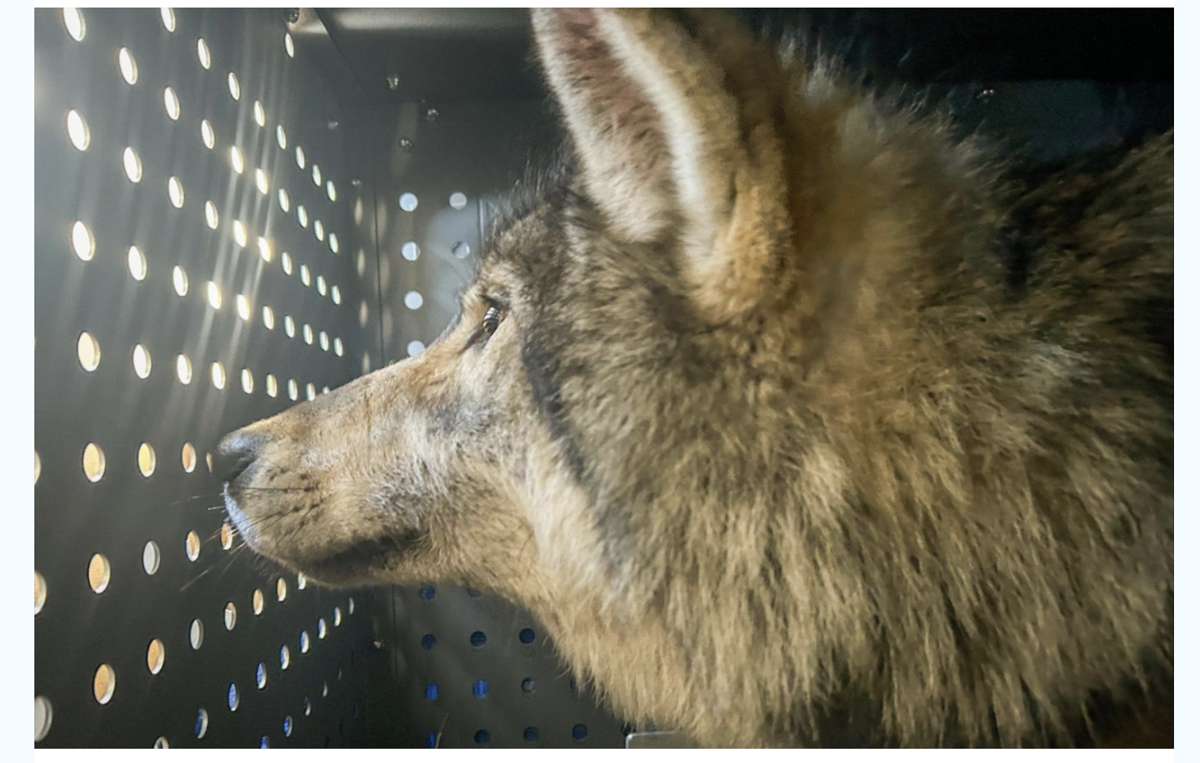
Colorado wildlife officials on Wednesday revisited the agency’s handling of violations involving protected species, prompting renewed debate over whether current penalties are sufficient.
Colorado Parks and Wildlife Commissioner Rebecca Niemiec on Wednesday urged the agency to impose stronger penalties — including the possibility of criminal charges — against the hunter who admitted accidentally killing a wolf in northwest Colorado.
The commission reviewed the case involving a hunter who shot a wolf last January after mistaking it for a coyote. Following an investigation by CPW and the U.S. Fish and Wildlife Service, the hunter was fined $139.50 and assessed five license-suspension points.
After the incident, the hunter promptly reported it and cooperated with law enforcement during the investigation, according to Colorado Parks and Wildlife Director Laura Clellan.
The wolf killed — a female known as #2504 — was among the 15 brought to Colorado from British Columbia in January 2025.
The wildlife agency had two options to consider. One was regulatory, which would allow the case to be settled outside the courts. The other option — statutory — would have resulted in an automatic court summons, fines of up to $100,000 and a year in jail.
The penalty is not enough, Niemiec said at the meeting Wednesday at Otero College in La Junta. She told the commission that she questions whether the penalty assessed truly served “justice.”
Niemiec said such a low penalty would not be enough to deter people from killing wolves in the future.
She asked whether Colorado Parks and Wildlife had reached out to the district attorney to find out if charges would be filed against the hunter — a question that Ty Petersburg, the state agency’s lead law enforcement official, could not answer.
He hinted that such a case would likely be a low priority for a district attorney and said he fully stands behind the decisions of wildlife officers on the case.
“There’s some danger in putting fines so high for an accident where people just walk away from it,” Petersburg said. “We really have no compliance and we want people to do the right thing.”
This hunter did all the right things in reporting the incident, he added.
Niemiec pressed the issue again, saying she was not satisfied with the explanation and asking a second time whether the case had been referred to the district attorney — and, if not, why not — given her view that the incident constituted a statutory violation.
Petersburg repeated the answers about the difference between regulatory and statutory violations and added that the wildlife agency chose the regulatory option because officers believed it was the most effective way to cite the hunter for the violation.
Colorado Parks and Wildlife does not have any discretion about the penalty, Petersburg told the commission, because it’s set in statute.
“Reasonable minds can disagree on what the right thing is, and a human being made a mistake here that he was truly remorseful for, so I hope that we all would avoid wanting to air each other’s worst moments out in the public and when somebody comes to us remorseful, when they do everything right, we want to incentivize that behavior,” Petersburg added.
He also noted that U.S. Fish & Wildlife had handed the case back to Colorado Parks and Wildlife because it was not a federal prosecution priority.
Niemiec responded that the penalty imposed was not a huge one and doesn’t send the message that there would be large penalties for killing a wolf.
“We want to reserve the hammer” for people who are doing nefarious things, Petersburg replied.
Commission Chair Jay Tutchton suggested Colorado Parks and Wildlife ask the Attorney General to step in as the prosecutor if the local district attorney passes on cases like this and try to avoid a scenario, in which, he said, the local district attorney does not take action due to “local political pressure.”
That is also not likely, according to Petersburg.
“They have a very small window for when they will participate,” he told Tutchton.

Niemiec joined the commission after the legislative session ended in January and has not yet been officially confirmed by the state Senate.
Wednesday was her second meeting as a commissioner. At her first, she presented a study on hunting bag limits — research she conducted and funded by an anonymous donor to the Center for Human-Carnivore Coexistence and the Animal-Human Policy Center at Colorado State University, where she is an associate professor.
The study was published just one day before the CPW meeting. The company that conducted it pays its respondents, who sign up online, for their opinions.
The commission voted, 6-5, to approve the hunting bag limit proposed by Niemiec, which was not on the commission’s agenda and was announced after public comment had ended. That kept members of the public from commenting on a much lower bag limit than the one before the commission.
That led to a complaint from two hunting organizations that the vote violated the state’s Administrative Procedures Act. The commission is slated to discuss the legal challenge in an executive session on Thursday.


Judge orders home confinement for Barry Morphew
Dennis Huspeni
dennis.huspeni@gazette.com
Updated 3 hours ago
An Alamosa County district judge has ordered home confinement for Barry Morphew, who is accused of murdering his wife. Barry Morphew, 59, faces a first-degree murder charge in the death of his wife, Suzanne Morphew, who disappeared Mother’s Day weekend...

Ikon Pass company Alterra to move into former Denver Post building, create downtown ‘outdoor hub’
Bernadette Berdychowski
bernadette.berdychowski@denvergazette.com
Updated 5 hours ago
What was once the home of two of Colorado’s longest-running daily newspapers could soon become a central location for the state’s ski resort and outdoor companies, city and state leaders said Thursday. Alterra Mountain Co. is moving its headquarters to...
Fentanyl sentencing, tax overhauls and transgender‑related issues anchor Colorado’s 14 ballot measures
Marissa Ventrelli
marissa.ventrelli@coloradopolitics.com
Updated 5 hours ago
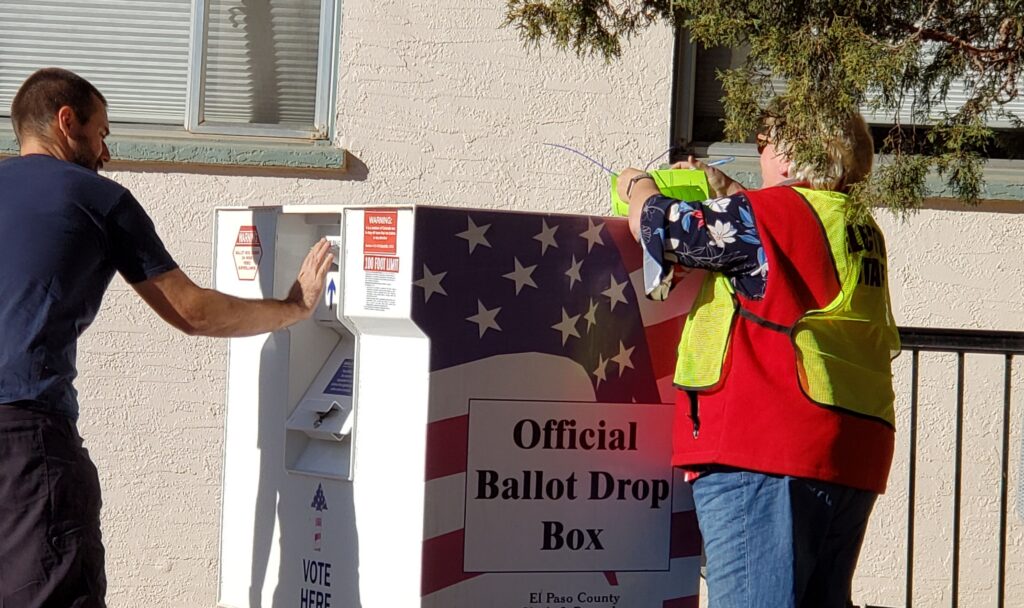
Fourteen statewide ballot measures await Colorado voters this November, offering a mix of criminal justice crackdowns, tax overhauls, and constitutional tweaks that ensure no one will accuse the ballot of being boring this year. Colorado’s 14 statewide ballot measures match...
Colorado sues to stop Trump’s ban on Medicaid dollars paying for minors’ transgender transition
Thelma Grimes
thelma.grimes@coloradopolitics.com
Updated 3 hours ago
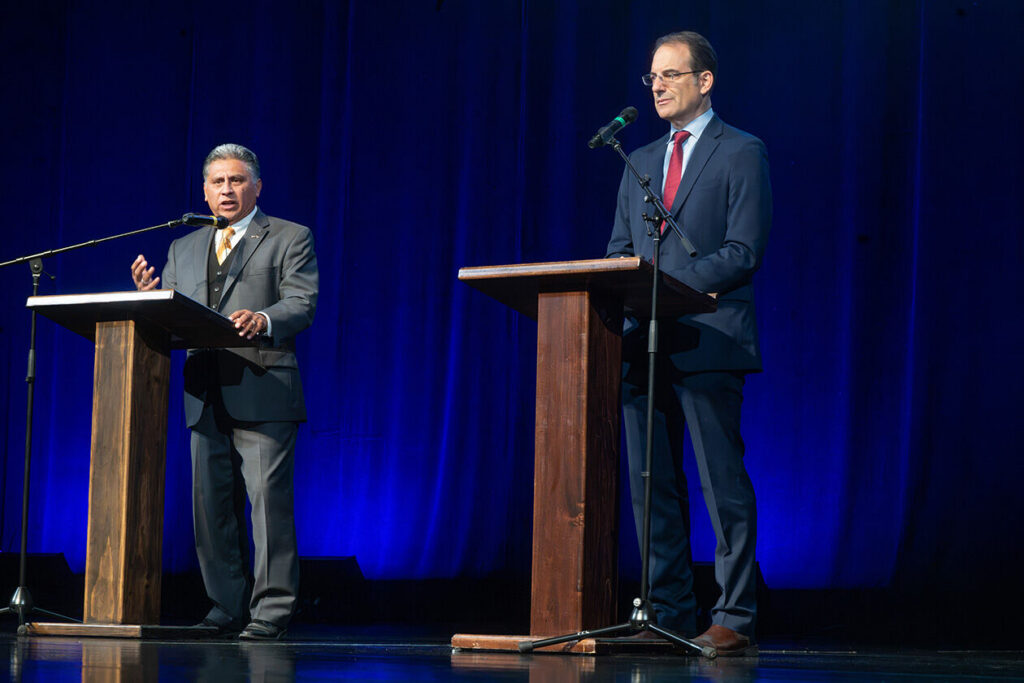
Colorado on Wednesday filed yet another lawsuit against the Trump administration — this time to stop a new rule that prohibits Medicaid dollars from paying for transgender transition services for minors. The question of transgender services has increasingly become a...
Castle Rock Town Council passes measure expanding authority over school-designated land and funds
Nicholas Fogleman
nicholas.fogleman@denvergazette.com
Updated 5 hours ago
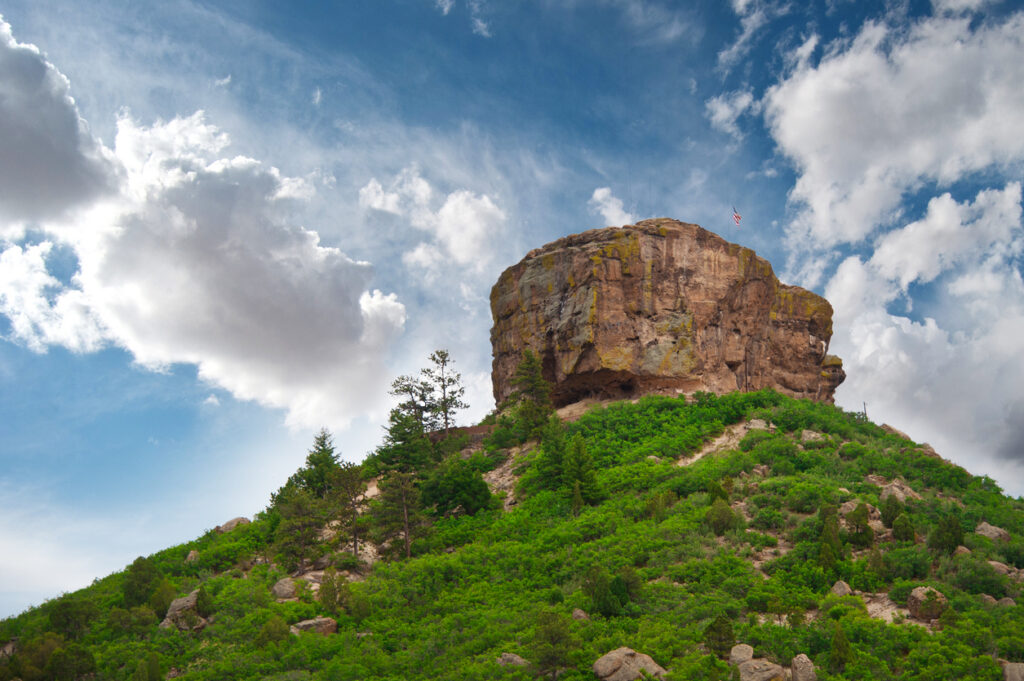
The Castle Rock Town Council passed an ordinance Tuesday that gives the council broader authority to repurpose land and cash designated for school facilities. Douglas County School District officials argue the move would allow the town to do so without...

Denver plans to spend $50M on improvements to Sloan’s Lake
Nicole C. Brambila
nicole-c-brambila@coloradopolitics.com
Updated 1 day ago
Denver plans to spend $50 million for Sloan’s Lake improvements. Mayor Mike Johnston and Councilmembers Amanda P. Sandoval and Jamie Torres announced the project’s launch steps from the lake’s shore near the jetty in the park on Wednesday morning. “After...

Petitions seek to place noise restrictions, surveillance cameras and water limits on Colorado Springs ballot
Brennen Kauffman
brennen-kauffman@coloradopolitics.com
Updated 5 hours ago
Petitioners in Colorado Springs are preparing to gather signatures to place restrictions on noise levels, developments that use a large volume of water and surveillance cameras that use automatic tracking technology. The City Clerk’s office on Monday gave final approval...

Colorado’s Parks and Wildlife chair’s decision to limit public comments sparks backlash from fellow commissioners
Marianne Goodland
marianne.goodland@coloradopolitics.com
Updated 1 day ago
Last week, the chairman of Colorado’s wildlife commission unilaterally decided to limit public comments, complaining, in particular, that elected officials often “grandstand” at meetings and noting that the election season is well underway. This week, the commission overturned its chair’s...

Douglas County sheriff warns of scam impersonating officer
Nicholas Fogleman
nicholas.fogleman@denvergazette.com
Updated 1 day ago
The Douglas County Sheriff’s Office is warning residents about an ongoing scam in which a caller impersonates a sheriff’s office commander in an attempt to solicit payment. Officials said the scammer is posing as Sheriff’s Office Commander Chad Walker and...
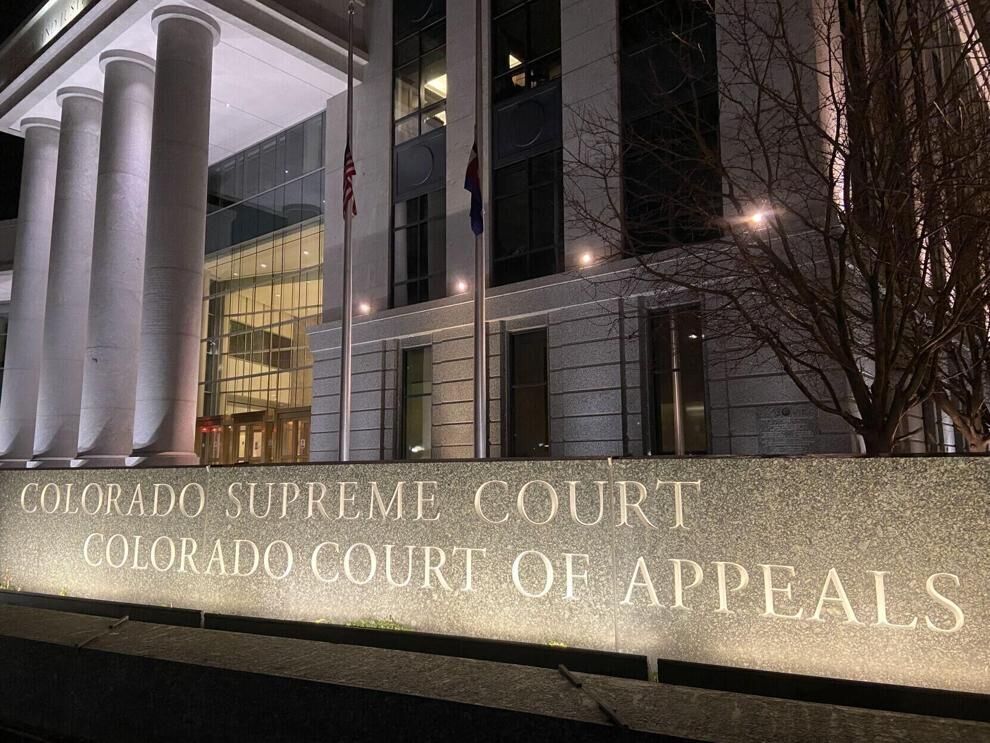
Colorado judges may use professional name in lieu of legal name, ethics panel says
Michael Karlik
michael.karlik@coloradopolitics.com
Updated 3 hours ago
Colorado’s Judicial Ethics Advisory Board concluded on Tuesday that members of the bench may go by a professional name, rather than their legal name, so long as their intent is not to deceive. The board, which consists of judges, attorneys...
PREV
PREVIOUS

10th Circuit disagrees Sterling officer had no basis to arrest motorist who lacked insurance details
The Denver-based federal appeals court disagreed on Tuesday with a trial judge’s decision to bar evidence from a pat-down search from being used against a defendant. Federal prosecutors obtained an indictment of Jorge Sigala-Baray for being a felon in possession of a firearm. Police discovered the gun on Sigala-Baray after pulling him over for a broken tail lamp. […]

Denver plans to spend $50M on improvements to Sloan’s Lake
Denver plans to spend $50 million for Sloan’s Lake improvements. Mayor Mike Johnston and Councilmembers Amanda P. Sandoval and Jamie Torres announced the project’s launch steps from the lake’s shore near the jetty in the park on Wednesday morning. “After decades of work from neighbors in this community, today we are announcing a plan to […]