

Colorado judges may use professional name in lieu of legal name, ethics panel says
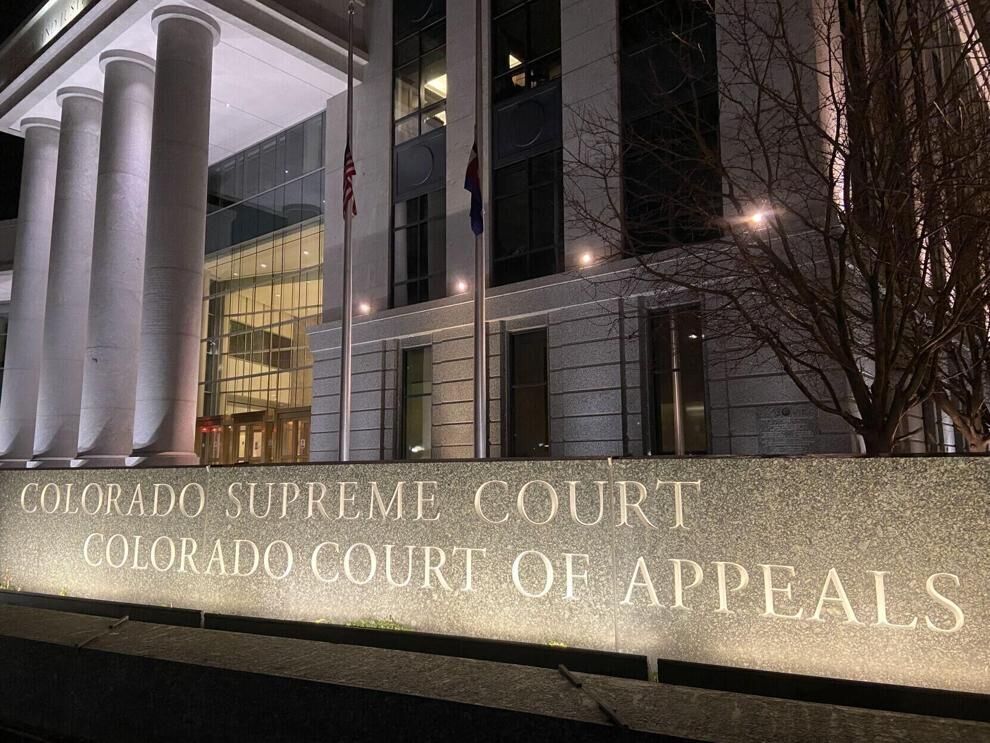
Colorado’s Judicial Ethics Advisory Board concluded on Tuesday that members of the bench may go by a professional name, rather than their legal name, so long as their intent is not to deceive.
The board, which consists of judges, attorneys and a nonlawyer, addressed a question that no other ethics guidance in the country had directly examined.
An unidentified magistrate submitted an inquiry to the board, describing how she practiced law in Colorado for 15 years using her maiden name, even though she married and changed her legal name almost a decade ago.
“Nevertheless, she continued to appear in court, try cases, author pleadings and otherwise participate in the legal community using her maiden name, the name by which she was professionally known,” the panel’s Sept. 1 opinion described.
The newly appointed magistrate asked whether she could continue to use her nonlegal name on the bench.
The advisory panel concluded that she could, so long as she did not intend to “deceive or mislead litigants, the judiciary or the public or to achieve some other improper purpose.”
“This Board has not previously addressed this question. Nor does it appear that any other jurisdiction has addressed the question in precisely this context,” the panel wrote.
Relying on other states’ decisions involving the appearance of judicial candidates’ names on ballots, the advisory board concluded that it was appropriate for the magistrate to continue to use her “primary professional identity” on the bench.
The opinion cautioned that the code of judicial conduct could prohibit certain uses of a nonlegal name.
“For example, a judge who, upon appointment, decides to change their name to obscure prior criminal or disciplinary history from the public would likely be acting contrary to the requirements of the Code,” the board wrote. “In contrast, the requesting judge here will, if anything, be more easily identified given that her maiden name is the one by which she is already known professionally. She intends to use a form of her name — her maiden name — and by doing so will commit no fraud or misconduct.”


Judge orders home confinement for Barry Morphew
Dennis Huspeni
dennis.huspeni@gazette.com
Updated 2 hours ago
An Alamosa County district judge has ordered home confinement for Barry Morphew, who is accused of murdering his wife. Barry Morphew, 59, faces a first-degree murder charge in the death of his wife, Suzanne Morphew, who disappeared Mother’s Day weekend...
10th Circuit disagrees Sterling officer had no basis to arrest motorist who lacked insurance details
Michael Karlik
michael.karlik@coloradopolitics.com
Updated 18 hours ago
The Denver-based federal appeals court disagreed on Tuesday with a trial judge’s decision to bar evidence from a pat-down search from being used against a defendant. Federal prosecutors obtained an indictment of Jorge Sigala-Baray for being a felon in possession of a...

Colorado Springs officers’ tasing, threats prompt federal judge to block use of suspect’s statements
Michael Karlik
michael.karlik@coloradopolitics.com
Updated 20 hours ago
A federal judge blocked the government last month from using some of a defendant’s statements as evidence, reasoning that the defendant made them involuntarily as Colorado Springs officers tased him five times and one officer threatened to kill him. Officers...

Appeals court rejects CDOT employee’s discrimination, retaliation claims
Michael Karlik
michael.karlik@coloradopolitics.com
Updated 23 hours ago
Colorado’s second-highest court agreed last week that a Colorado Department of Transportation employee had not shown that his employer discriminated and retaliated against him due to his religion and national origin. Ayman Salloum, who described himself as a 70-year-old Muslim...
Colorado’s federal court confirms John Eastman cannot practice due to disbarment
Michael Karlik
michael.karlik@coloradopolitics.com
Updated 2 days ago
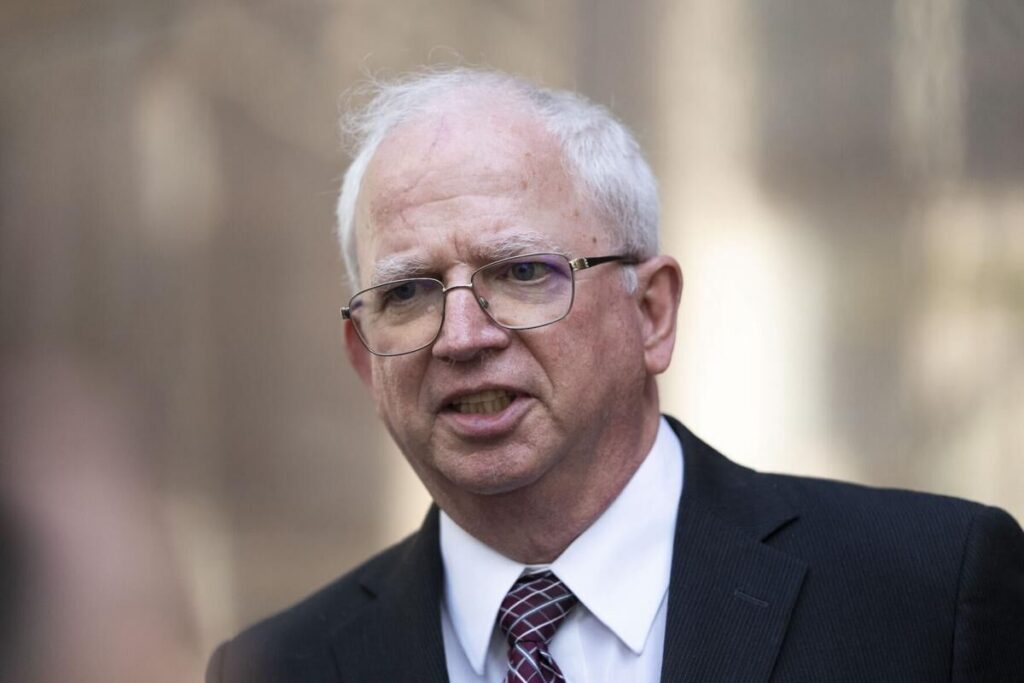
Colorado’s federal trial court confirmed last week that attorney John C. Eastman, who devised a plan for President Donald Trump to remain in office despite losing the 2020 election, cannot practice in the state’s U.S. District Court due to his...

Federal judge green-lights immediate appeal in challenge to Colorado’s unclaimed property program
Michael Karlik
michael.karlik@coloradopolitics.com
Updated 2 days ago
A federal judge took the unusual step last month of authorizing an immediate appeal of her decision to dismiss key components of a constitutional challenge to Colorado’s program for reuniting people with their unclaimed property. In February, U.S. District Court...
10th Circuit orders new unlawful arrest trial against Colorado Springs officers
Michael Karlik
michael.karlik@coloradopolitics.com
Updated 3 days ago
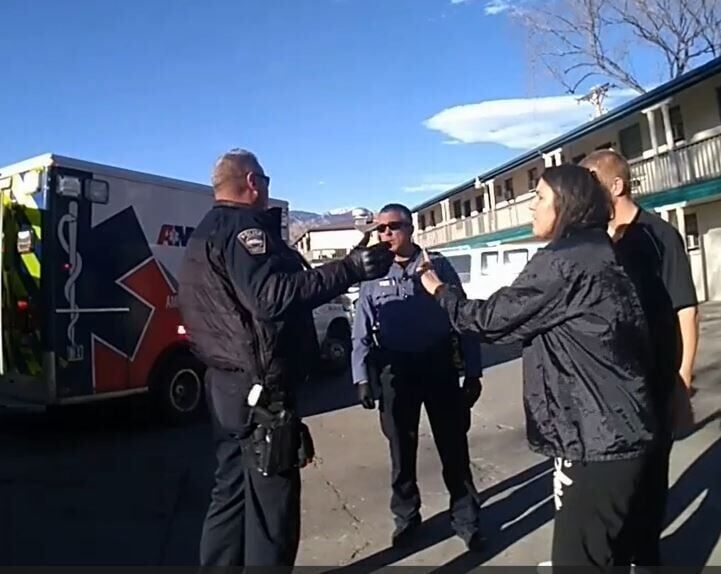
The Denver-based federal appeals court concluded on Friday that a trial judge inappropriately allowed jurors to see several unflattering video clips of a plaintiff being belligerent toward police officers during a trial to determine whether police violated her constitutional rights....
Federal judge to await SCOTUS decision before addressing Boulder County firearm ordinances
Michael Karlik
michael.karlik@coloradopolitics.com
Updated 3 days ago
A federal judge agreed on Friday that she would await the U.S. Supreme Court’s decision in an upcoming Second Amendment case before she addresses the constitutionality of similar gun ordinances in multiple Boulder County jurisdictions. Rocky Mountain Gun Owners, the...

State Supreme Court names next chief justice, 10th Circuit releases full-court decision | COURT CRAWL
Michael Karlik
michael.karlik@coloradopolitics.com
Updated 3 days ago
Welcome to Court Crawl, Colorado Politics’ roundup of news from the third branch of government. The Colorado Supreme Court has named its next chief justice, and the Denver-based federal appeals court released a decision that overwhelmingly rejected one of its...
10th Circuit overturns framework for sentencing probation violators by 11-1
Michael Karlik
michael.karlik@coloradopolitics.com
Updated 5 days ago
In a rare decision by all 12 of its full-time judges, the Denver-based federal appeals court ruled in a lopsided vote on Friday that one of its members created a sentencing process for probation violators that was out of step...
PREV
PREVIOUS

House adopts Republican U.S. Rep. Jeff Crank’s resolution condemning socialism, mostly along party lines
The U.S. House on Tuesday approved a resolution sponsored by U.S. Rep. Jeff Crank to condemn socialism in a largely party-line vote that the Colorado Republican characterized as a chance for lawmakers to “stand firm” against an ideology making inroads among Democrats. The nonbinding resolution, HR 1490, also included a call for the “enactment” of […]

Douglas County sheriff warns of scam impersonating officer
The Douglas County Sheriff’s Office is warning residents about an ongoing scam in which a caller impersonates a sheriff’s office commander in an attempt to solicit payment. Officials said the scammer is posing as Sheriff’s Office Commander Chad Walker and attempting to convince residents to send money. The caller has adopted an accent in an […]