

10th Circuit disagrees Sterling officer had no basis to arrest motorist who lacked insurance details
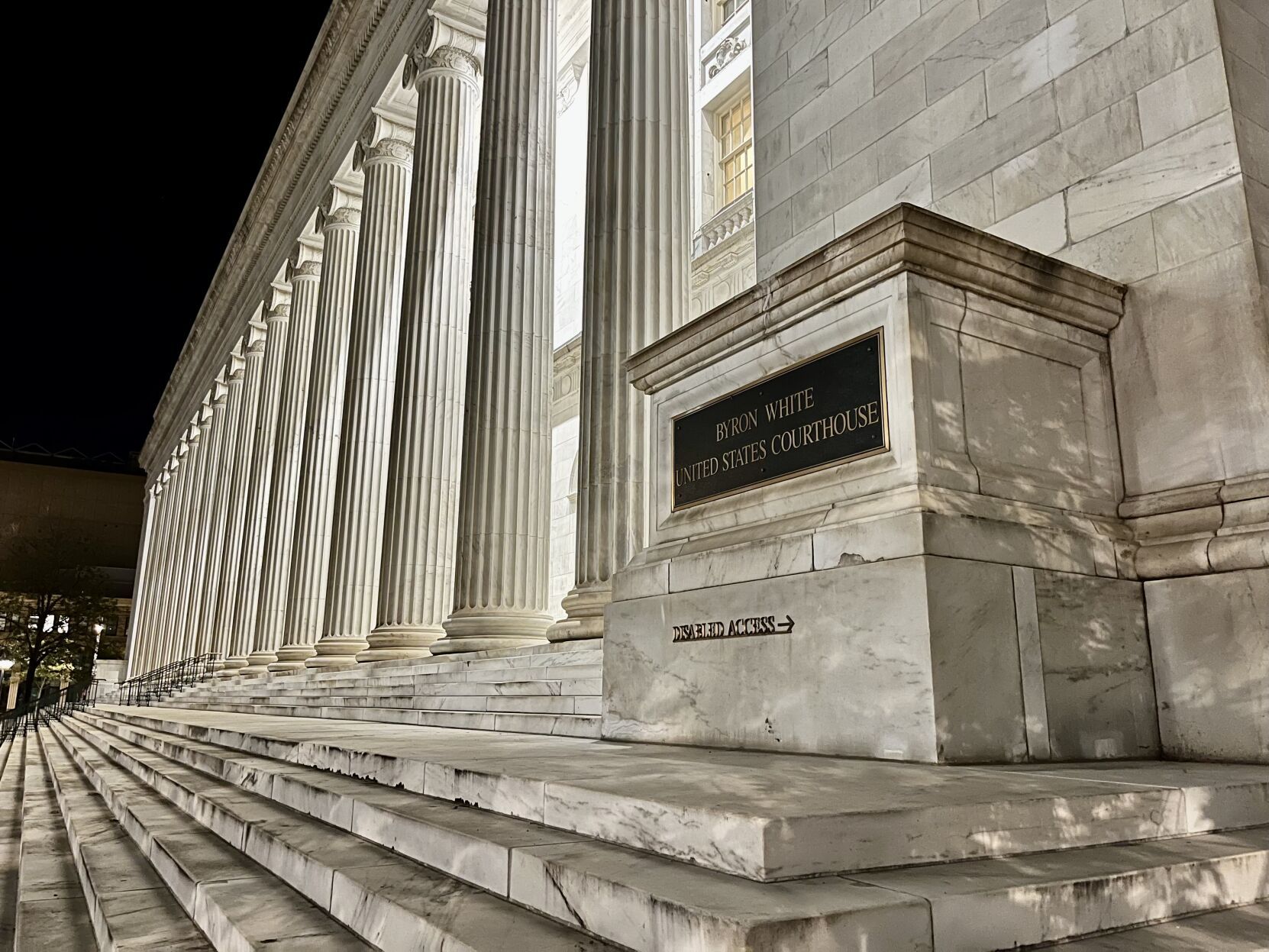
The Denver-based federal appeals court disagreed on Tuesday with a trial judge’s decision to bar evidence from a pat-down search from being used against a defendant.
Federal prosecutors obtained an indictment of Jorge Sigala-Baray for being a felon in possession of a firearm. Police discovered the gun on Sigala-Baray after pulling him over for a broken tail lamp. The arresting officer noted Sigala-Baray seemed “overly nice” and it was “common knowledge” he may have a gun.
Last year, U.S. District Court Judge Nina Y. Wang concluded the pat-down violated the Fourth Amendment’s prohibition on unreasonable searches. Among other things, she found probable cause did not exist to arrest Sigala-Baray or his passenger after they could not locate the vehicle’s insurance within two minutes of being asked.
But a three-judge panel of the U.S. Court of Appeals for the 10th Circuit believed an officer could reasonably think Sigala-Baray violated the Colorado law requiring vehicle operators to present “immediate evidence” of insurance.
“We conclude that a reasonable officer would believe that Defendant had not and could not present proof of insurance at the time of the search. This is sufficient for probable cause under the statute,” wrote Judge Joel M. Carson III in the Sept. 1 order.
Case: United States v. Sigala-Baray
Decided: September 1, 2026
Jurisdiction: U.S. District Court for Colorado
Ruling: 3-0
Judges: Joel M. Carson III (author)
Timothy M. Tymkovich
Michael R. Murphy
Cpl. Kyle Taylor pulled over Sigala-Baray one evening in August 2024 after noticing a broken tail lamp. The passenger, who said the car was hers, was aware of the defect and searched for insurance documentation. Taylor and Sigala-Baray, who knew each other, made small talk.
The passenger gave an insurance document to Taylor, who went back to his patrol vehicle to check the information. At some point, because of a mistake in transmitting the license plate number, Taylor heard from dispatch that the plate did not match the vehicle registration on the car Sigala-Baray was driving. In reality, there was nothing amiss about the registration.
Taylor once again approached the vehicle and said the insurance document did not match. He asked if there was any other documentation. The passenger began looking, but Taylor asked the occupants to step out.
Promptly, Taylor frisked Sigala-Baray “because you’ve been known to carry weapons.” Taylor found a gun in Sigala-Baray’s waistband, for which prosecutors indicted him.
The defense moved to exclude the evidence from trial, alleging a Fourth Amendment violation. Specifically, Taylor needed to have reasonable suspicion Sigala-Baray was armed and dangerous at the time of the search.
The government responded by pointing out that Colorado law requires drivers to show proof of insurance, and that Taylor could have arrested and searched Sigala-Baray for that offense.
After hearing testimony and watching video of the encounter, Wang sided with the defense.
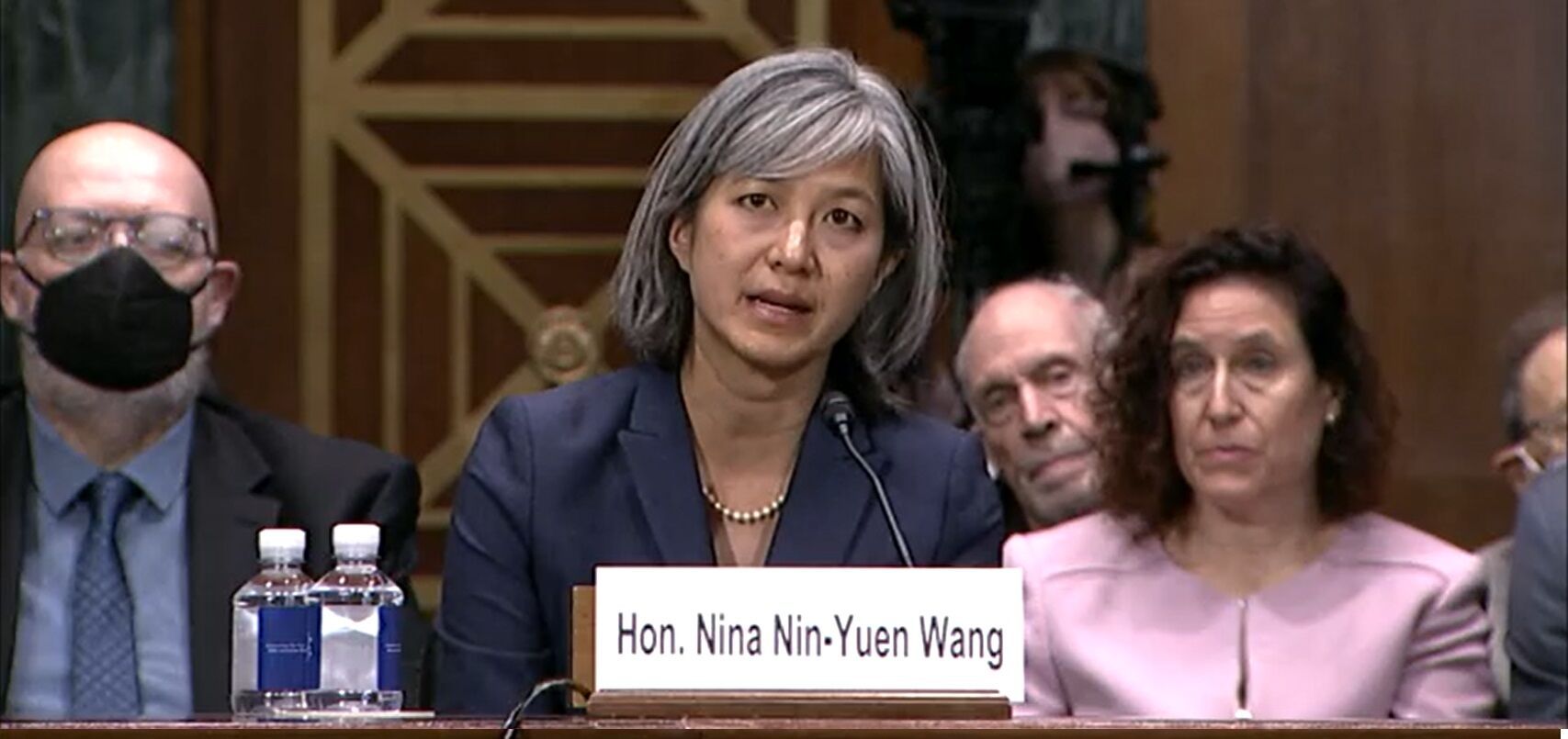
She found that there was no probable cause to arrest Sigala-Baray for his passenger’s failure to locate the documents in the roughly two minutes Taylor had given her.
“At no time did Corporal Taylor suggest that he was concerned about the time it was taking (the passenger) to find proof of insurance or that he was contemplating arresting Mr. Sigala-Baray — who was clearly not the owner of the car — for lack of insurance,” Wang wrote.
Wang also decided the other factors that allegedly gave Taylor grounds to believe Sigala-Baray was armed and dangerous were “just hunches.”
The government appealed, arguing Sigala-Baray’s inability to provide vehicle insurance upon request violated the law and gave Taylor grounds to search and arrest him.
“Corporal Taylor did not think he had probable cause to arrest Mr. Sigala-Baray for failing to provide proof of insurance. Indeed, he testified he was not going to arrest him,” responded public defender Jacob Rasch-Chabot.
During oral arguments to the 10th Circuit panel, Carson emphasized that Colorado law ultimately requires “immediate evidence” of insurance.
“So, if the officer asked the driver or the passenger, ‘Do you have insurance’ and they said yes, but they were never able to produce an image or a card,” he said, “the ‘yes’ doesn’t get them anything at the end of the day.”
The 10th Circuit concluded Taylor had probable cause to arrest Sigala-Baray for failing to provide insurance.
However, the panel stopped short of permitting prosecutors to use the gun evidence outright. Carson noted that Wang had not addressed Sigala-Baray’s argument that Taylor could not search and arrest him for weapons possession if his only suspected offense was failure to provide insurance.
The panel returned the case to Wang for further review.
The case is United States v. Sigala-Baray.

Appeals court reinstates Mesa County defendant’s request for DNA testing under new Colorado law
Michael Karlik
michael.karlik@coloradopolitics.com
Updated 60 minutes ago
Colorado’s second-highest court revived a Mesa County defendant’s petition for DNA testing in his three-decade-old attempted murder case on Thursday, concluding that a trial judge wrongly interpreted a recent Colorado law in dismissing the request outright. Jurors convicted Billy Joe...
Appeals court reverses Denver juvenile’s conviction due to improper expert testimony
Michael Karlik
michael.karlik@coloradopolitics.com
Updated 53 minutes ago
Colorado’s second-highest court reversed a juvenile defendant’s conviction for unlawful sexual contact on Thursday after an expert witness’s testimony improperly suggested the child victim was telling the truth. The defendant, identified as S.H-S., was around 16 years old when he...

Judge orders home confinement for Barry Morphew
Dennis Huspeni
dennis.huspeni@gazette.com
Updated 3 hours ago
An Alamosa County district judge has ordered home confinement for Barry Morphew, who is accused of murdering his wife. Barry Morphew, 59, faces a first-degree murder charge in the death of his wife, Suzanne Morphew, who disappeared Mother’s Day weekend...
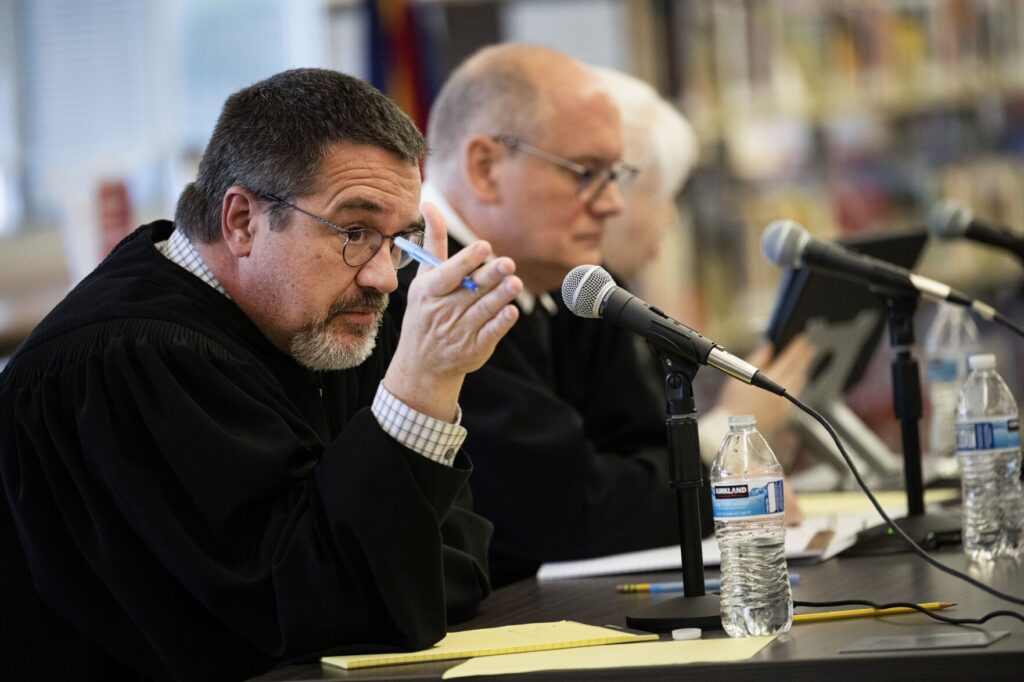
Appeals court says jury does not need to view porn to determine if it ‘obscene’
Michael Karlik
michael.karlik@coloradopolitics.com
Updated 5 hours ago
Colorado’s second-highest court ruled for the first time on Thursday that a jury does not always need to view pornographic material to determine if it meets the criteria for obscenity. Mesa County jurors found Shayla Ann Simpson guilty of child...
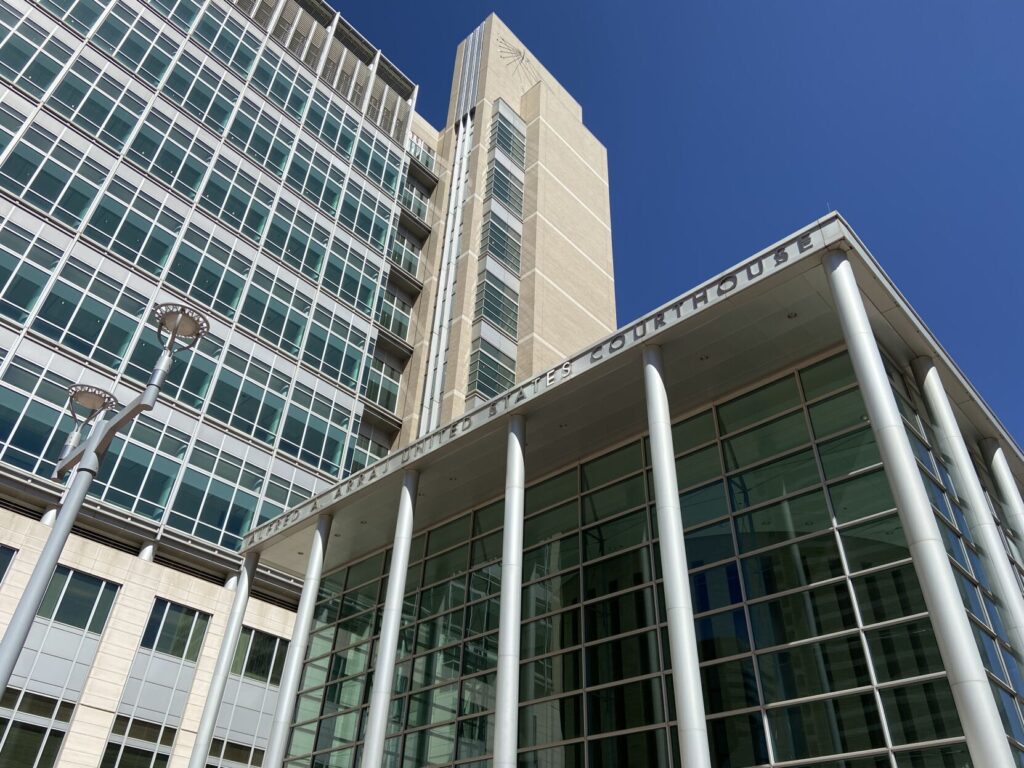
Colorado Springs officers’ tasing, threats prompt federal judge to block use of suspect’s statements
Michael Karlik
michael.karlik@coloradopolitics.com
Updated 1 day ago
A federal judge blocked the government last month from using some of a defendant’s statements as evidence, reasoning that the defendant made them involuntarily as Colorado Springs officers tased him five times and one officer threatened to kill him. Officers...
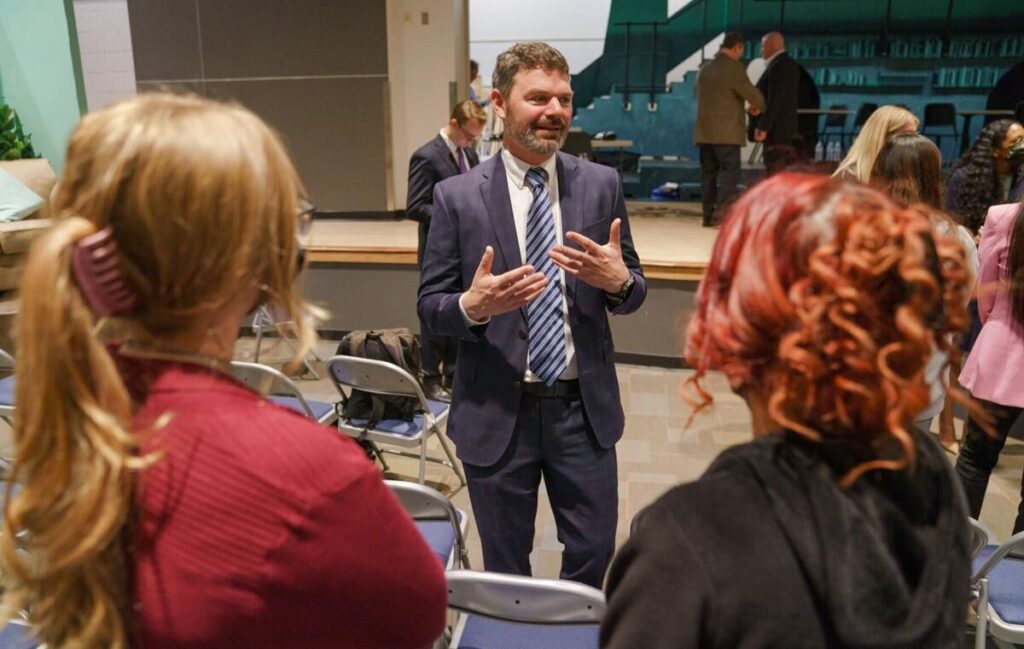
Appeals court rejects CDOT employee’s discrimination, retaliation claims
Michael Karlik
michael.karlik@coloradopolitics.com
Updated 1 day ago
Colorado’s second-highest court agreed last week that a Colorado Department of Transportation employee had not shown that his employer discriminated and retaliated against him due to his religion and national origin. Ayman Salloum, who described himself as a 70-year-old Muslim...
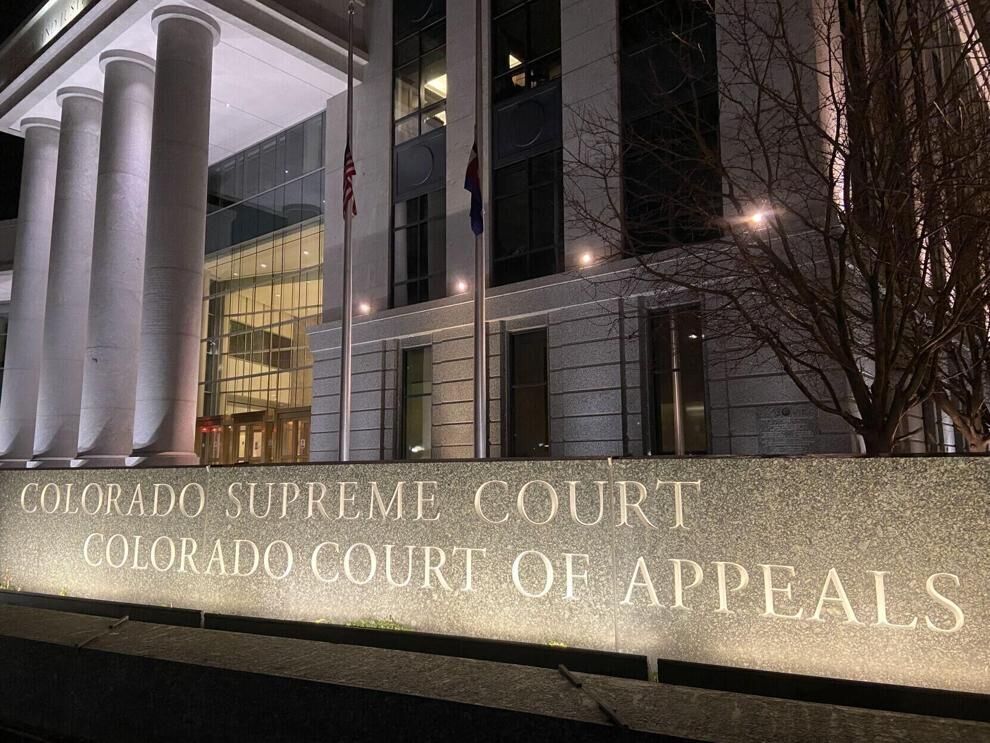
Colorado judges may use professional name in lieu of legal name, ethics panel says
Michael Karlik
michael.karlik@coloradopolitics.com
Updated 3 hours ago
Colorado’s Judicial Ethics Advisory Board concluded on Tuesday that members of the bench may go by a professional name, rather than their legal name, so long as their intent is not to deceive. The board, which consists of judges, attorneys...
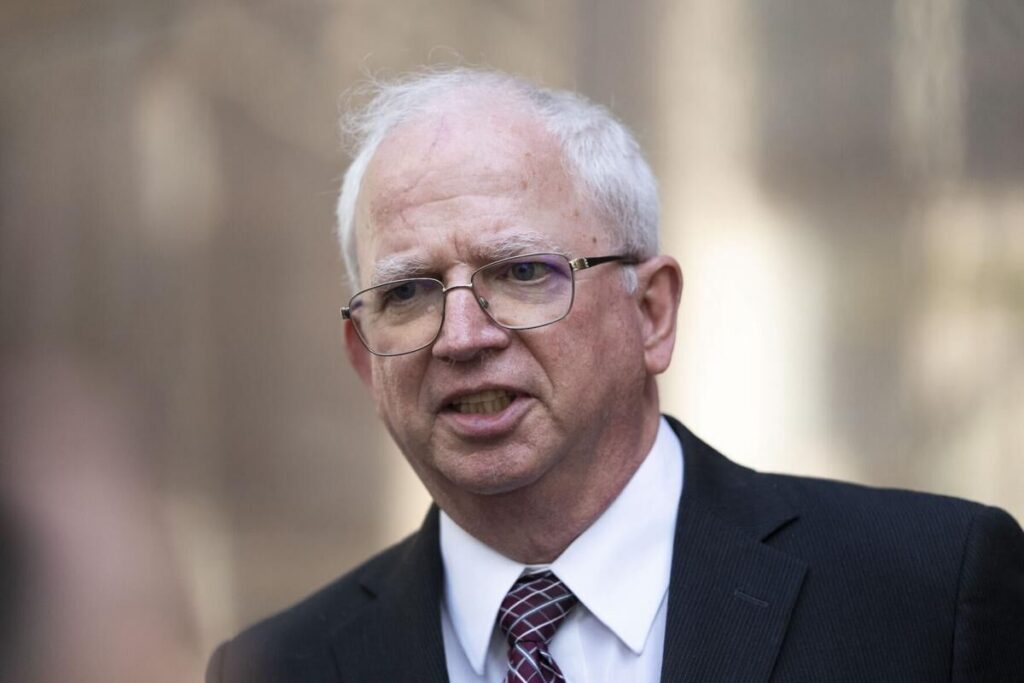
Colorado’s federal court confirms John Eastman cannot practice due to disbarment
Michael Karlik
michael.karlik@coloradopolitics.com
Updated 2 days ago
Colorado’s federal trial court confirmed last week that attorney John C. Eastman, who devised a plan for President Donald Trump to remain in office despite losing the 2020 election, cannot practice in the state’s U.S. District Court due to his...
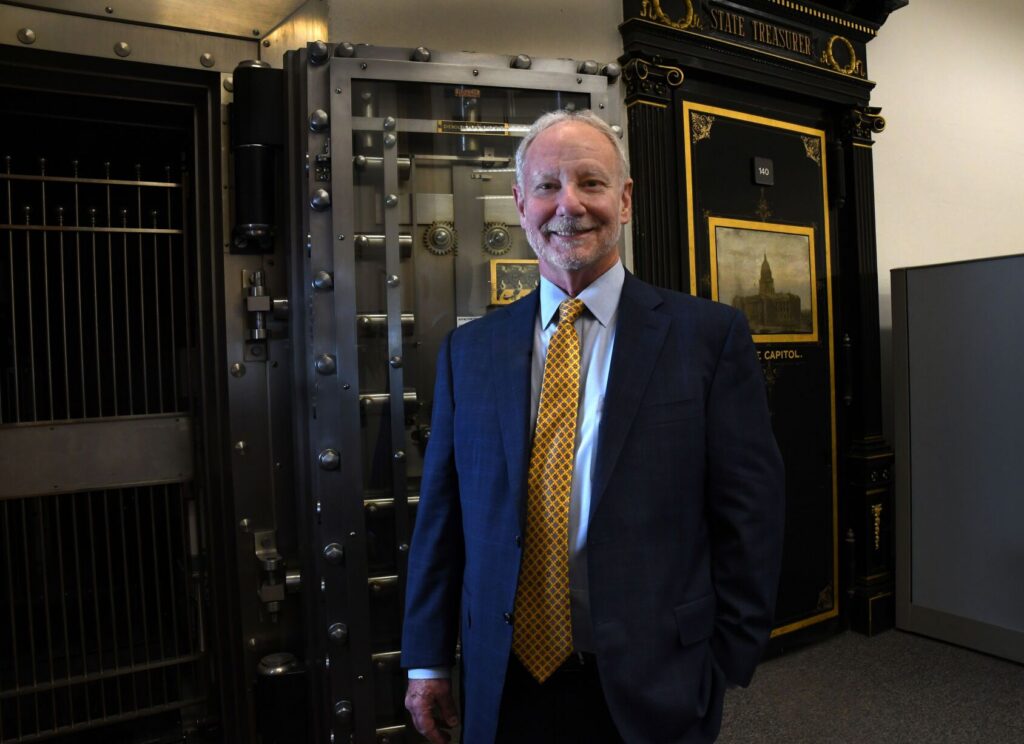
Federal judge green-lights immediate appeal in challenge to Colorado’s unclaimed property program
Michael Karlik
michael.karlik@coloradopolitics.com
Updated 2 days ago
A federal judge took the unusual step last month of authorizing an immediate appeal of her decision to dismiss key components of a constitutional challenge to Colorado’s program for reuniting people with their unclaimed property. In February, U.S. District Court...
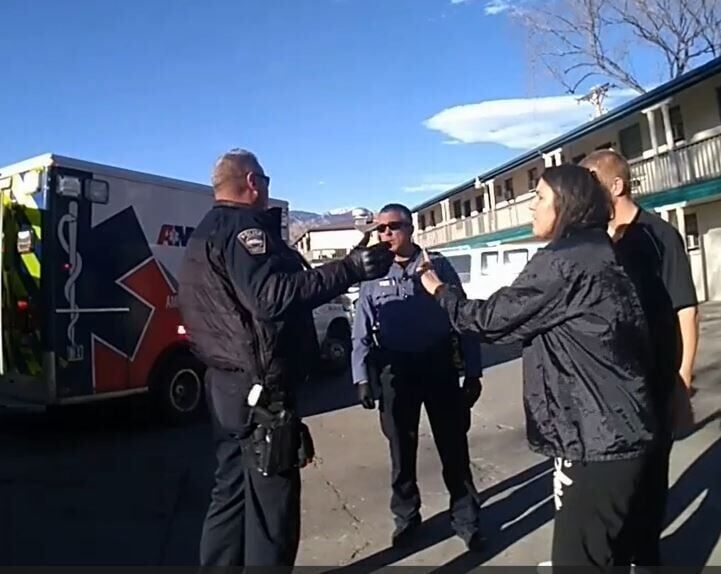
10th Circuit orders new unlawful arrest trial against Colorado Springs officers
Michael Karlik
michael.karlik@coloradopolitics.com
Updated 3 days ago
The Denver-based federal appeals court concluded on Friday that a trial judge inappropriately allowed jurors to see several unflattering video clips of a plaintiff being belligerent toward police officers during a trial to determine whether police violated her constitutional rights....
PREV
PREVIOUS
Colorado Springs officers’ tasing, threats prompt federal judge to block use of suspect’s statements
A federal judge blocked the government last month from using some of a defendant’s statements as evidence, reasoning that the defendant made them involuntarily as Colorado Springs officers tased him five times and one officer threatened to kill him. Officers responded one morning in June 2025 to a theft call from a plumbing store in […]
Wildlife commissioner pushes for tougher penalties after hunter accidentally kills Colorado wolf
Colorado wildlife officials on Wednesday revisited the agency’s handling of violations involving protected species, prompting renewed debate over whether current penalties are sufficient. Colorado Parks and Wildlife Commissioner Rebecca Niemiec on Wednesday urged the agency to impose stronger penalties — including the possibility of criminal charges — against the hunter who admitted accidentally killing a […]