Appeals court says jury does not need to view porn to determine if it ‘obscene’
Colorado’s second-highest court ruled for the first time on Thursday that a jury does not always need to view pornographic material to determine if it meets the criteria for obscenity.
Mesa County jurors found Shayla Ann Simpson guilty of child abuse and promoting obscenity to a minor. Prosecutors argued that Simpson allowed the child victim to watch pornography provided by her husband, Steven Rothbarth, who performed the same acts of sexual abuse on the victim. A jury separately convicted Rothbarth of numerous offenses for incest and child sex assault.
Jurors at Simpson’s trial learned about the websites the victim had visited and the titles of porn videos. The jury also watched the victim’s forensic interview in which she described the videos.
On appeal, Simpson contended there was insufficient evidence to support her conviction for promoting obscenity to a minor, based on the requirement that obscene materials lack “serious literary, artistic, political, or scientific value” and appeal to a “prurient interest in sex” through “patently offensive representations.”
“Despite the jury having absolutely zero images provided to them surrounding what purported pornography or alleged obscene material the child viewed, it nonetheless found Mrs. Simpson guilty of the obscenity charge,” wrote defense attorney Lindsey Parlin. “Said images were necessary for the jury to make a determination and perform the necessary analysis.”
The testimony at trial “painted enough of a picture to uphold Defendant’s conviction,” responded Assistant Solicitor General Patrick A. Withers. The prosecution “had little need to subject the jury to these videos.”
A three-judge Court of Appeals panel agreed with the government.
Case: People v. Simpson
Decided: September 3, 2026
Jurisdiction: Mesa County
Ruling: 3-0
Judges: Ted C. Tow III (author)
Elizabeth L. Harris
Jaclyn Casey Brown
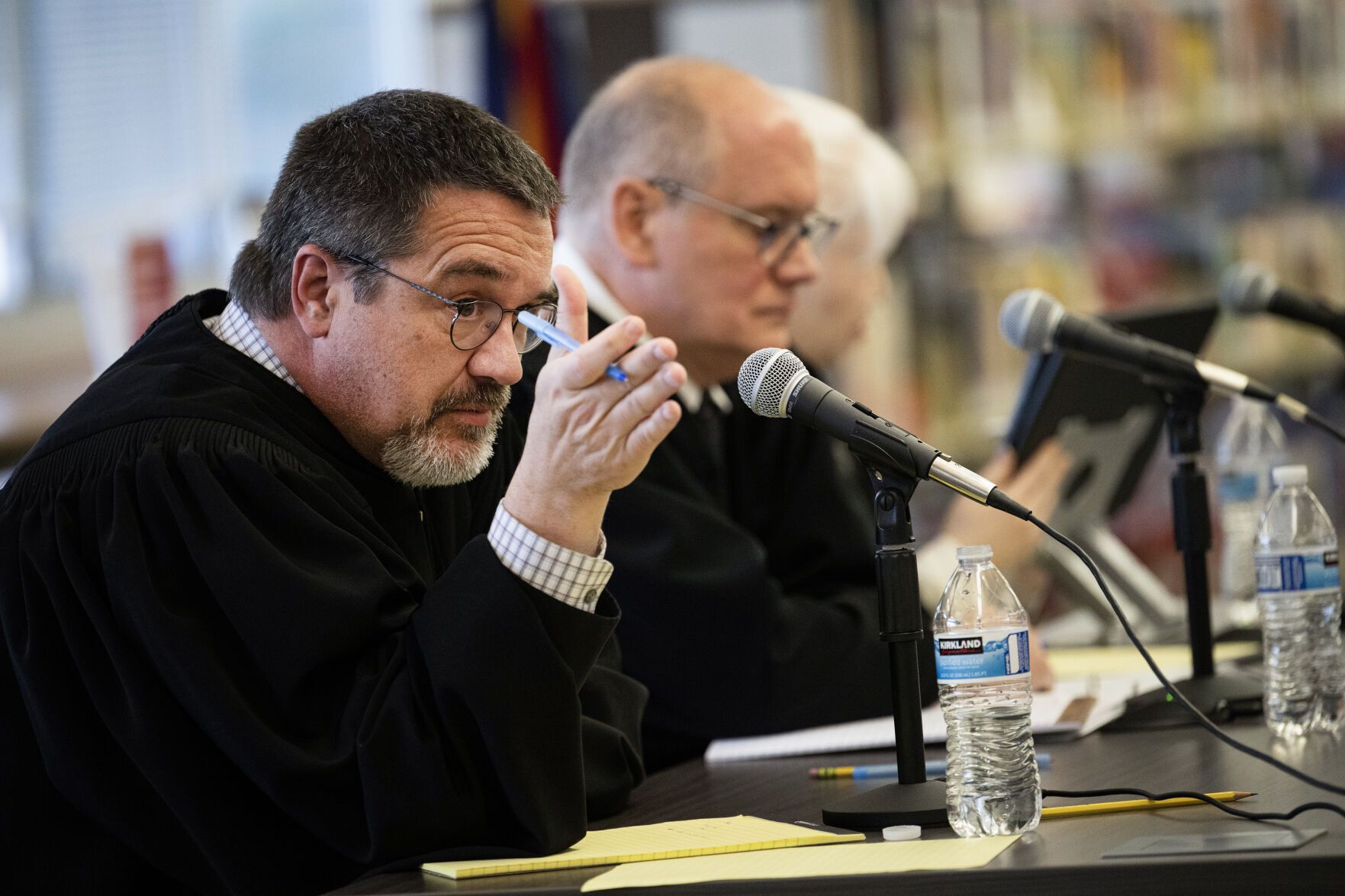
“Simpson is correct that no videos were admitted at trial. But she cites no authority requiring the prosecution to admit into evidence the precise material alleged to be obscene to carry its burden of proof,” wrote Chief Judge Ted C. Tow III in the Sept. 3 opinion.
He added that courts in other states have determined that it is not necessary for juries to view pornographic materials to decide if they are obscene.
Based on the evidence, “nothing in the record indicates that a reasonable person would have found that the videos had any serious literary, artistic, political, or scientific value,” Tow wrote. “Rather, the description of the videos as incestuous, coupled with the testimony that they were shown to (the victim) as a precursor to Rothbarth sexually abusing her, indicates that their content was limited to a pornographic depiction of erotic behavior — not artistic expression.”
The case is People v. Simpson.


Judge orders home confinement for Barry Morphew
Dennis Huspeni
dennis.huspeni@gazette.com
Updated 1 hour ago
An Alamosa County district judge has ordered home confinement for Barry Morphew, who is accused of murdering his wife. Barry Morphew, 59, faces a first-degree murder charge in the death of his wife, Suzanne Morphew, who disappeared Mother’s Day weekend...
10th Circuit disagrees Sterling officer had no basis to arrest motorist who lacked insurance details
Michael Karlik
michael.karlik@coloradopolitics.com
Updated 20 hours ago
The Denver-based federal appeals court disagreed on Tuesday with a trial judge’s decision to bar evidence from a pat-down search from being used against a defendant. Federal prosecutors obtained an indictment of Jorge Sigala-Baray for being a felon in possession of a...

Colorado Springs officers’ tasing, threats prompt federal judge to block use of suspect’s statements
Michael Karlik
michael.karlik@coloradopolitics.com
Updated 22 hours ago
A federal judge blocked the government last month from using some of a defendant’s statements as evidence, reasoning that the defendant made them involuntarily as Colorado Springs officers tased him five times and one officer threatened to kill him. Officers...

Appeals court rejects CDOT employee’s discrimination, retaliation claims
Michael Karlik
michael.karlik@coloradopolitics.com
Updated 1 day ago
Colorado’s second-highest court agreed last week that a Colorado Department of Transportation employee had not shown that his employer discriminated and retaliated against him due to his religion and national origin. Ayman Salloum, who described himself as a 70-year-old Muslim...
Colorado judges may use professional name in lieu of legal name, ethics panel says
Michael Karlik
michael.karlik@coloradopolitics.com
Updated 24 hours ago
Colorado’s Judicial Ethics Advisory Board concluded on Tuesday that members of the bench may go by a professional name, rather than their legal name, so long as their intent is not to deceive. The board, which consists of judges, attorneys...
Colorado’s federal court confirms John Eastman cannot practice due to disbarment
Michael Karlik
michael.karlik@coloradopolitics.com
Updated 2 days ago
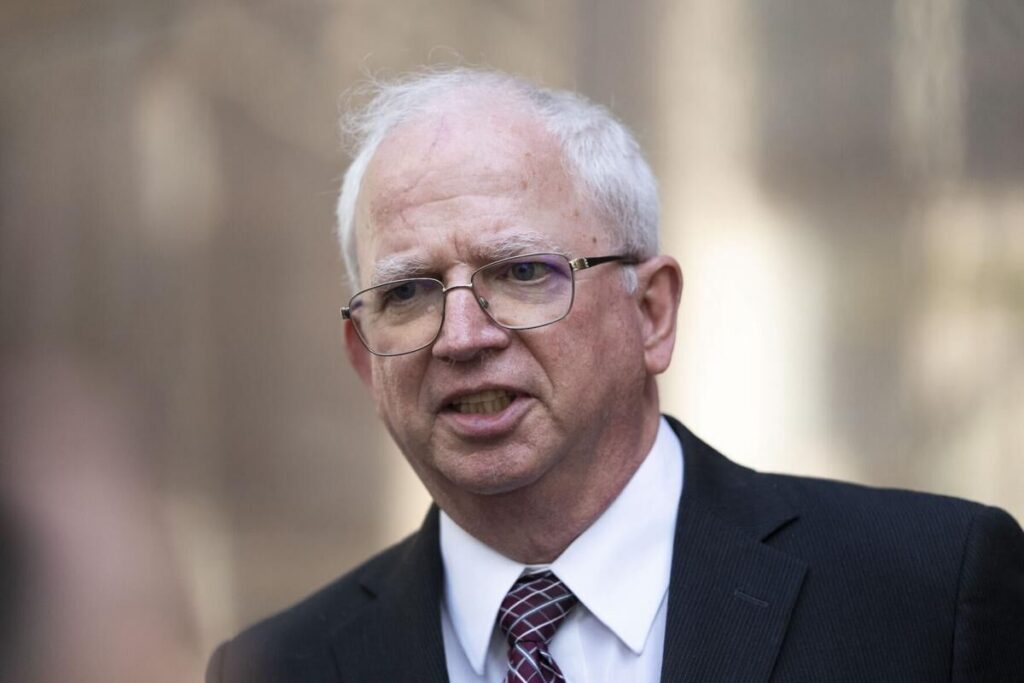
Colorado’s federal trial court confirmed last week that attorney John C. Eastman, who devised a plan for President Donald Trump to remain in office despite losing the 2020 election, cannot practice in the state’s U.S. District Court due to his...

Federal judge green-lights immediate appeal in challenge to Colorado’s unclaimed property program
Michael Karlik
michael.karlik@coloradopolitics.com
Updated 2 days ago
A federal judge took the unusual step last month of authorizing an immediate appeal of her decision to dismiss key components of a constitutional challenge to Colorado’s program for reuniting people with their unclaimed property. In February, U.S. District Court...
10th Circuit orders new unlawful arrest trial against Colorado Springs officers
Michael Karlik
michael.karlik@coloradopolitics.com
Updated 3 days ago
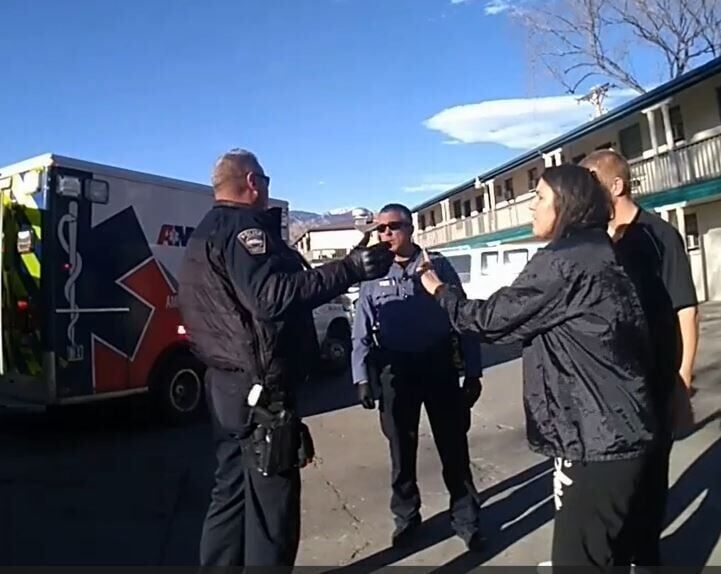
The Denver-based federal appeals court concluded on Friday that a trial judge inappropriately allowed jurors to see several unflattering video clips of a plaintiff being belligerent toward police officers during a trial to determine whether police violated her constitutional rights....
Federal judge to await SCOTUS decision before addressing Boulder County firearm ordinances
Michael Karlik
michael.karlik@coloradopolitics.com
Updated 3 days ago
A federal judge agreed on Friday that she would await the U.S. Supreme Court’s decision in an upcoming Second Amendment case before she addresses the constitutionality of similar gun ordinances in multiple Boulder County jurisdictions. Rocky Mountain Gun Owners, the...

State Supreme Court names next chief justice, 10th Circuit releases full-court decision | COURT CRAWL
Michael Karlik
michael.karlik@coloradopolitics.com
Updated 3 days ago
Welcome to Court Crawl, Colorado Politics’ roundup of news from the third branch of government. The Colorado Supreme Court has named its next chief justice, and the Denver-based federal appeals court released a decision that overwhelmingly rejected one of its...