

Defendants acquitted by insanity are eligible for records-sealing, appeals court says
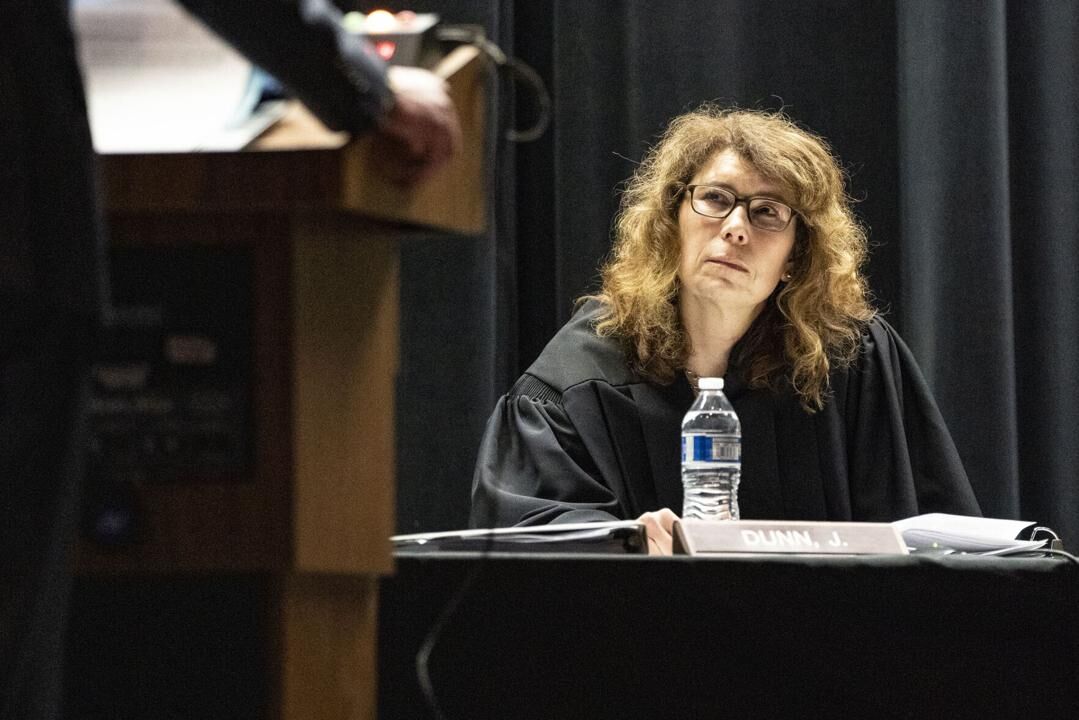
Colorado’s second-highest court clarified last month that defendants who are found not guilty by reason of insanity are eligible to have their criminal records sealed from public view.
Judges must seal criminal records if, among other things, a defendant is “acquitted of all counts” in a case. The question for the Court of Appeals was whether a verdict of not guilty by reason of insanity functions as an “acquittal” for sealing purposes.
After prosecutors charged James Edward Papol in three separate El Paso County criminal cases in the mid-2000s, a judge found him not guilty by reason of insanity. Papol received psychiatric treatment through the state and was released from his commitment in 2021 to serve a different prison sentence.
Papol moved to seal his criminal records from his earlier cases, but District Court Judge Robin Chittum denied the request.
She acknowledged there were “not formal convictions” from those prior proceedings, but the “situations where sealing is authorized are very specific. They do not include cases where a defendant was found not guilty by reason of insanity.”
Case: People v. J.P.
Decided: May 28, 2026
Jurisdiction: El Paso County
Ruling: 3-0
Judges: Stephanie Dunn (author)
Elizabeth L. Harris
Pax L. Moultrie
Representing himself, Papol appealed, citing a longstanding precedent that labeled insanity a “complete defense” to a criminal charge. A three-judge Court of Appeals panel agreed with him.
A verdict of not guilty by reason of insanity “operates as an acquittal of the charged offenses,” wrote Judge Stephanie Dunn in the May 28 opinion. “Thus, by amending the sealing statutes in 2019 to require that criminal justice records ‘shall’ be sealed when a ‘defendant is acquitted of all counts in the case,’ and by not excluding NGRI acquittals, we presume that the General Assembly intended to require sealing for all acquittals, including NGRI acquittals.”
The case is People v. J.P.

Parole, appeals deadlines and restitution: Colorado justices accept cases
Michael Karlik
michael.karlik@coloradopolitics.com
Updated 3 hours ago
The Colorado Supreme Court announced on Monday that it will determine how a defendant’s parole-eligibility date should be calculated in instances where a new trial results in a sentence being imposed retroactively to the date of the original, since-overturned sentence....

Federal judge rejects DOJ bid to force Colorado to hand over voter information
Marissa Ventrelli
marissa.ventrelli@coloradopolitics.com
Updated 7 hours ago
A U.S. district court judge has dismissed a lawsuit filed by the U.S. Department of Justice against Colorado Secretary of State Jena Griswold for refusing to provide the agency with personal voter information. Last December, the DOJ’s Civil Rights Division asked...
3 Colorado judges receive unfavorable retention recommendation as one performance commission violates rules
Michael Karlik
michael.karlik@coloradopolitics.com
Updated 11 hours ago
Of the 123 Colorado judges standing for retention on the November ballot, citizen-led performance commissions found that three did not meet the required performance standards. However, in an unprecedented move, the commission charged with evaluating Supreme Court and Court of...
10th Circuit weighs Gross Reservoir expansion, judge’s ‘punishment’ of Denver Water
Michael Karlik
michael.karlik@coloradopolitics.com
Updated 1 day ago
Members of the Denver-based federal appeals court considered on Friday whether they could intervene in an ongoing infrastructure project to enlarge a Boulder County dam after a trial judge deemed the underlying permit unlawful nearly two years ago. Denver Water...
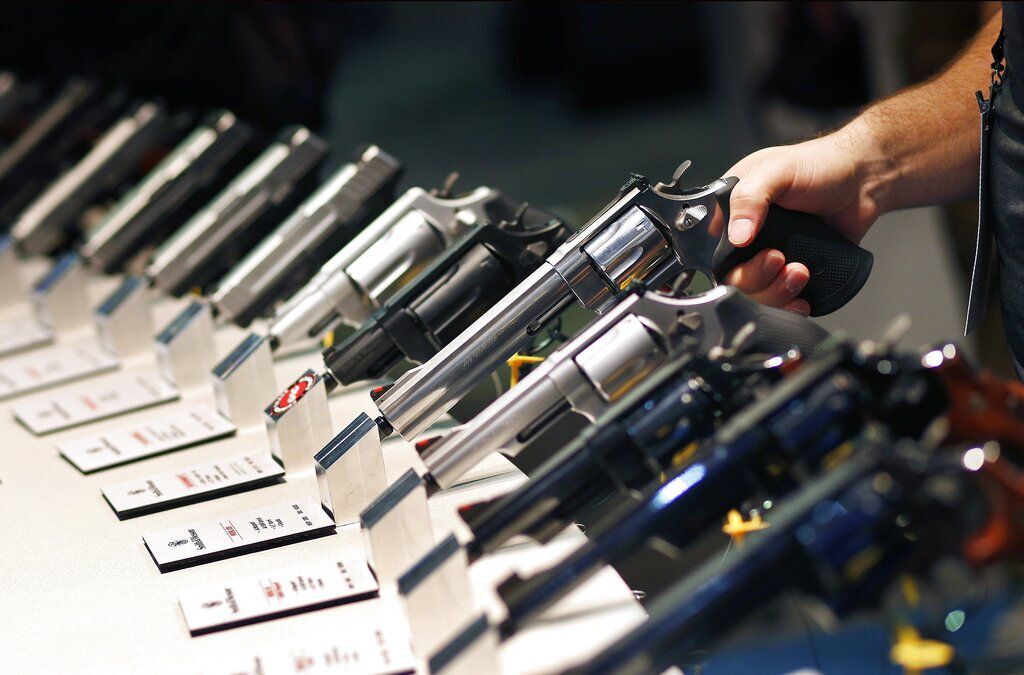
10th Circuit upholds federal prohibition on juvenile handgun possession
Michael Karlik
michael.karlik@coloradopolitics.com
Updated 5 hours ago
The Denver-based federal appeals court concluded on Monday that Congress acted within its constitutional powers to make it a crime for juveniles to possess handguns in most instances. The decision from the U.S. Court of Appeals for the 10th Circuit...

Senate advances judicial nominee, Montezuma County judge agrees to discipline | COURT CRAWL
Michael Karlik
michael.karlik@coloradopolitics.com
Updated 1 day ago
Welcome to Court Crawl, Colorado Politics’ roundup of news from the third branch of government. A U.S. Senate committee advanced a judicial nominee from Colorado, plus a Montezuma County judge agreed to receive discipline for his misconduct that stops short...
Judge denies Calderon injunction case against Denver, Johnston
Deborah Grigsby
deborah.smith@denvergazette.com
Updated 2 days ago
A U.S. District Court judge has denied a preliminary injunction in the case of Jessica Calderon, the Denver city employee who won a temporary restraining order preventing the City and County of Denver from terminating her amid the 2025 citywide...

10th Circuit partially revives lawsuit over 2020 Denver protest injuries
Michael Karlik
michael.karlik@coloradopolitics.com
Updated 2 days ago
The Colorado-based federal appeals court revived a man’s claims against Denver on Friday after concluding a trial judge resolved the case in the city’s favor without analyzing two of the three instances of alleged excessive force and other constitutional violations....
Federal judges find Colorado immigration judge violated several orders
Michael Karlik
michael.karlik@coloradopolitics.com
Updated 3 days ago
Multiple federal judges in Colorado have freed people from immigration custody after determining that one immigration judge violated their directives for properly conducting bond hearings. For nearly a year, Colorado’s U.S. District Court has faced a flood of habeas corpus petitions...
Misconduct complaints from ex-Colorado judicial discipline director dismissed against federal judges
Michael Karlik
michael.karlik@coloradopolitics.com
Updated 5 days ago
The administrative body for the Denver-based federal appeals court upheld a finding last week that misconduct complaints against Colorado’s chief federal trial judge and the chief appeals judge warranted dismissal and appeared to be a “litigation tactic” by the complaining...
PREV
PREVIOUS

Colorado primary for U.S. senator: Candidates John Hickenlooper and Julie Gonzales
The race between U.S. Sen. John Hickenlooper and state Sen. Julie Gonzales has emerged as one of Colorado’s most intriguing Democratic primaries. Gonzales is running on a message of generational change, arguing that Democrats need a more aggressive approach and that a vote for Hickenlooper will just mean “more of the same.” Hickenlooper, a fixture […]

Weld County judge wrongly denied bail to murder defendant in gap between law change
Colorado’s second-highest court ruled this month that a Weld County judge was wrong to deny bail to a murder defendant in the window between the state Supreme Court’s recognition of the right to bail and the voters’ subsequent overruling of that decision through a 2024 constitutional amendment. Moises Rodriguez-Nunez stands accused of first-degree murder for […]