

Is the ‘penumbra of privacy’ going, going, gone in Colorado? | Hal Bidlack
Once again, there are too many things in Colorado Politics that are newsworthy and should be written about. Unless my kindly editor will allow me to write a book-length column this week? (Ed: not so much…)
First up, I’d like to comment on the recent West Point graduation speech given by Secretary of Defense Pete Hegseth (sorry, only Congress can change the title, he’s not the “Secretary of War” no matter how many times he pins new gold letters on doors). In that rather horrifying speech, Hegseth railed on about the changes he has made to the U.S. military, changes to make it “more lethal” and such. He decried efforts to make West Point a “woke Princeton” and attacked “foolish and feckless leaders” who had the audacity of being inclusive.
Back when I was a professor at the U.S. Air Force Academy, teaching about American government, I always argued the opposite side of whatever point a cadet might make, compelling that student to think through and defend his or her issue position. Such teaching, Hegseth declared, means I was teaching an “un-American ideology,” and such professors were all being fired. I guess I’m glad to be retired.
He further seemed to be telling the graduates they don’t really need to worry much about ethics in battle, assuring them, “Lawyers don’t run battalions, commanders do.” He guaranteed that, in battle, their hands are now “untied,” which certainly would seem to suggest that the rules of war don’t apply if they are inconvenient. He boasted about firing most of the Army’s lawyers in his “ruthless, no-excuses” overhaul of the military’s legal structure. He claimed the lawyers that insisted on following national and international law had been “roadblocks to orders” from the president. You know, those illegal orders the lawyers said shouldn’t be followed? Well, from now on, I guess, not so much.
The Fox news opinion guy now in charge of the US military told the graduating seniors the times they are a changing, with all that “woke” stuff, like caring about gender and racial bias, is now a thing of the past. Recall this administration has been finding sneaky ways to again name military facilities after confederate generals, true traitors to the country and their own oaths of office. If literally taking up arms against the existing legitimate national government isn’t treason, I don’t know what is, but heck, let’s honor them anyway. I wonder if President Andrew Johnson, after the Civil War, ever thought of creating a $1.8 billion slush fund to pay off confederates? No, that would have been nuts.
But I’m not going to talk about any of that.
Nor am I going to write about, as reported in Colorado Politics’ Outdoor Round Up, a group of native American tribes suing to prevent oil exploratory drilling very near to a site sacred to the tribes, a meadow in the central Black Hills area. The meadow hosts various sacred ceremonies throughout the year, as well as year-round youth camps. For reasons they have apparently declined to explain, the Trump administration issued the drilling permits without bothering to do the environmental assessment required by law. But I guess now the Forest Service and the Department of Agriculture have also adopted the Hegseth view rules are to be ignored when they are inconvenient.
Instead, I am going to write about the increasingly vanishing penumbra of privacy in Colorado and the nation. As reported in Colorado Politics, our state government is struggling to deal with the implications of having lots and lots of cameras on our roads and in our cities. I admit to a bias here, as a former military cop, I do like the idea of having video documentation of criminal activity, be it traffic violations or something much worse. But such cameras are not without profound questions about privacy.
Way back in 1965, U.S. Supreme Court Justice William O. Douglas wrote the majority opinion in the case of Griswold v. Connecticut. Prior to that case being decided, in Connecticut, the use of birth-control devices was illegal under state law. Two people, including the aforementioned Griswold, were arrested after they opened a family-planning clinic in New Haven. Now this was not an abortion case. It was only about the legality of dispensing birth-control devices such as condoms.
In his brilliant opinion, Douglas argued there was a fundamental right to privacy in the Constitution, which certainly extended to the private home and the marital bed. He argued though the founders did not explicitly state privacy as one of the listed rights, it was clearly implied by the First, Third, Fourth, Fifth and Ninth Amendments. These, taken as a whole, Douglas argued, created a “penumbra” of privacy (astronomers know the word “penumbra” but if you don’t, it’s the faint shadow that precedes and follows a total eclipse). This shadow of privacy was entirely legitimate, Douglas asserted, even absent an explicit declaration in the Constitution. Fundamentally, we have that right.
So how far does that right extend? Police can’t search your house without a warrant, and they can’t just randomly peek into your office window to make sure you are not doing anything illegal. So where do government cameras come in? If we were having this discussion in England, you likely wouldn’t understand why it’s a big deal. In Britain, there are cameras on nearly every corner of every city, and the British people just expect they will be on camera from when they leave their homes until they return.
But that is not the U.S. culture, even as cameras become more ever-present. Heck, my Google Maps gizmo in my truck warns me when I am approaching a “red-light camera” intersection. And quite a few crimes have been solved using cameras, to include people’s personal camera systems. I have lots of cameras covering every inch of my property. Some months ago, one camera caught an auto break-in down the street, and the car owners were very grateful to have that video to turn over to the police.
So, let’s say we are OK with traffic cameras. As reported in the CoPo piece, another concern about cameras is the use of automatic license-plate readers. Just driving down a street past a row of parked cars, some police cameras can automatically read the plates on the cars and will alert the officers if a stolen vehicle pops up. Now some may say that is an invasion of privacy (as in, the cops had no probable cause to conduct such a search), but frankly, if my stolen car is recovered this way, I might feel grateful, not spied upon.
These challenges will only increase with improving technology. And as AI (every column now has to mention AI, I think) makes it even more and more speedy to review city cameras for wrongdoing, we are going to truly run up against more privacy concerns. Does privacy now only exist inside your home, door locked and curtains drawn? Or is there some right to something, perhaps a penumbra of privacy when you are out and about?
Stay tuned…
Hal Bidlack is a retired professor of political science and a retired Air Force lieutenant colonel who taught more than 17 years at the U.S. Air Force Academy in Colorado Springs.

At conservative summit, Colorado Republican leaders concede Democrats’ election edge
Marissa Ventrelli
marissa.ventrelli@coloradopolitics.com
Updated 4 hours ago
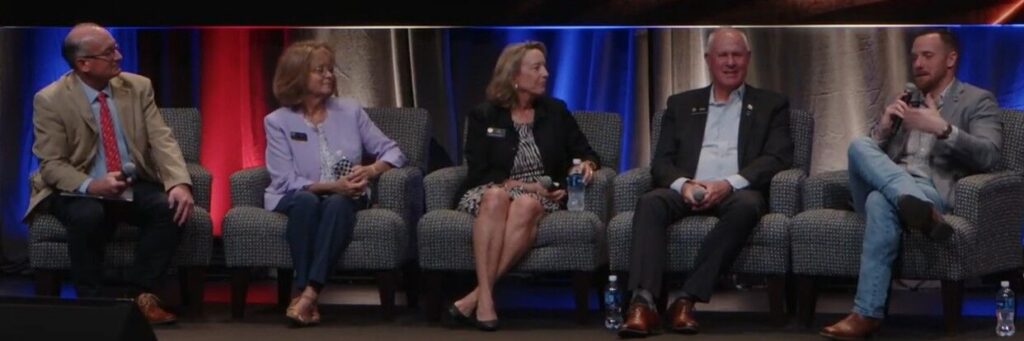
Four Republican state lawmakers told attendees at a gathering of conservative leaders on Friday they doubt their party can win statewide races, noting that Colorado’s electorate has been shifting toward Democrats but adding they see an opening in several pockets....
Q&A with Mike Pence | Former vice president says GOP’s populist turn from conservatism isn’t permanent
Ernest Luning
ernest.luning@coloradopolitics.com
Updated 1 hour ago
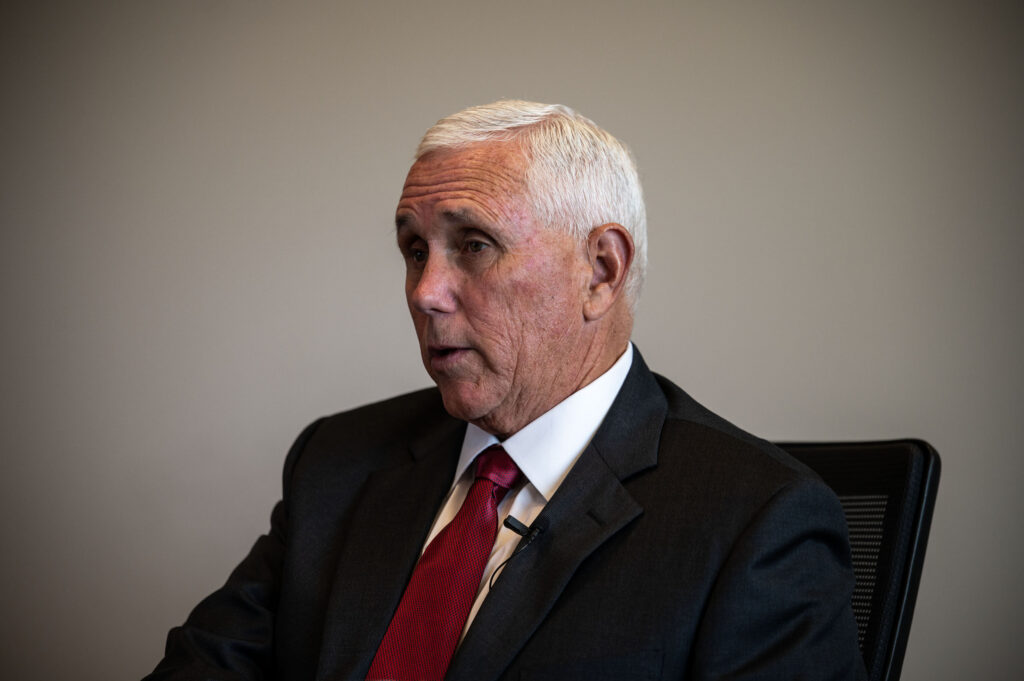
Former Vice President Mike Pence says he’s concerned that the Republican Party has taken a populist turn away from bedrock conservative principles during President Donald Trump’s second term, but he believes the party will return to its roots when Trump...
Republican Victor Marx taps George Markert as his lieutenant governor pick in Colorado’s gubernatorial race
Ernest Luning
ernest.luning@coloradopolitics.com
Updated 21 hours ago
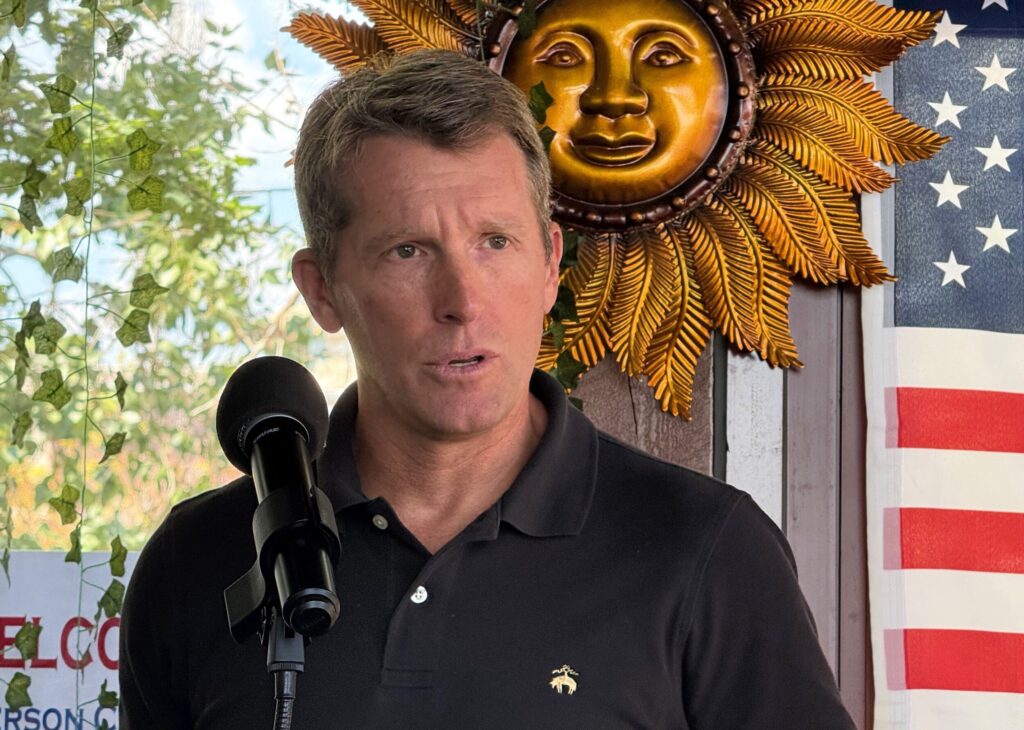
Colorado Republican gubernatorial nominee Victor Marx named George Markert, a retired Marine colonel, as his running mate for lieutenant governor Friday morning, saying the former U.S. Senate candidate will bring “exceptional character, proven leadership and a lifetime of serving others”...
Pueblo mayor, council concoct Trumpian Texas Two-Step | Dennis Maes
Dennis Maes
dennis-maes@coloradopolitics.com
Updated 2 days ago
Several weeks ago, an article was published positing Pueblo Mayor Heather Graham is a disciple of the calamitous Donald Trump school of governance — specifically as it related to questionable ethical practices and the misuse of public funds. Recently, Graham...
Colorado can’t afford to turn its back on proven public safety technology | GUEST COLUMN
Colorado Politics
colorado-politics@coloradopolitics.com
Updated 2 days ago
By Samuel G. Michael I recently saw a report that said Colorado is leading the way in artificial intelligence adoption for businesses. Across our state, more business owners and employees than ever before use AI for their everyday functions —...
Colorado lawmakers start crafting strategy to manage $200 million in federal rural health funds
Marissa Ventrelli
marissa.ventrelli@coloradopolitics.com
Updated 2 days ago
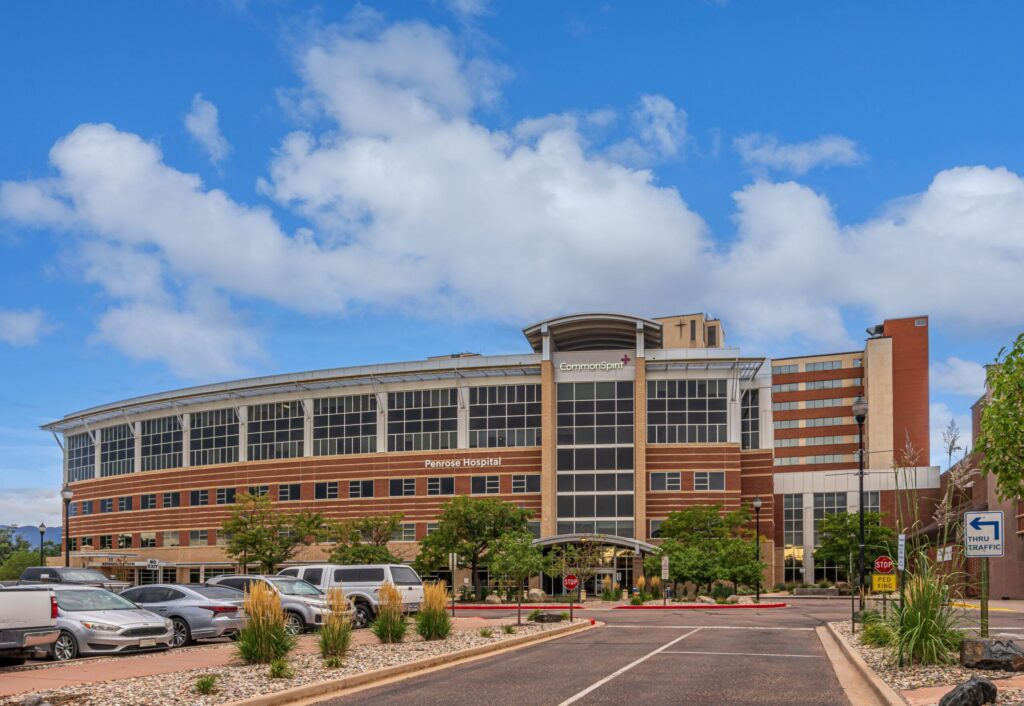
Members of the Colorado legislature’s new Commission on Medicaid raised concerns Wednesday about the federal Rural Health Transformation Program created under H.R. 1. The bipartisan, bicameral commission, created in the last legislative session to guide implementation of Medicaid changes under...
Democrat Jessica Killin’s internal poll shows dead heat with U.S. Rep. Jeff Crank in Colorado’s 5th CD
Ernest Luning
ernest.luning@coloradopolitics.com
Updated 2 days ago
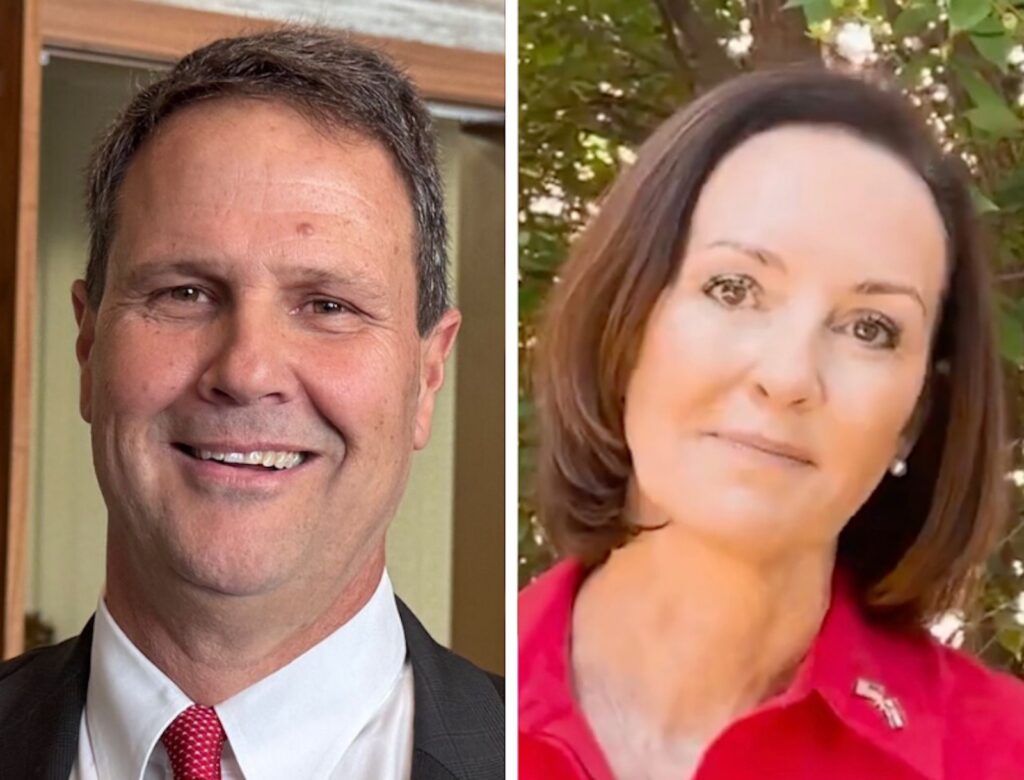
Jessica Killin, the Democratic nominee in Colorado’s 5th Congressional District, is in a statistical tie with Republican U.S. Rep. Jeff Crank, according to an internal poll released this week by Killin’s campaign. The poll of likely general election voters, conducted...

Colorado’s 72-hour social media warrant law takes effect Aug. 12
Marissa Ventrelli
marissa.ventrelli@coloradopolitics.com
Updated 2 days ago
A law requiring social media platforms to respond to search warrants within 72 hours goes into effect on Aug. 12. Senate Bill 011 also requires platforms to create a staffed hotline for Colorado law enforcement agencies to contact regarding pending...

As education conflicts abound across Colorado, who puts the kids first? | Paula Noonan
Paula Noonan
paula-noonan@coloradopolitics.com
Updated 3 days ago
Elected school boards and the Colorado Department of Education (CDE) have hit the headlines with fired superintendents, superintendent resignations, failures of oversight, and misdirected dollars. Cherry Creek School District’s superintendent was fired. Jefferson County Schools’ superintendent found a less stressful...
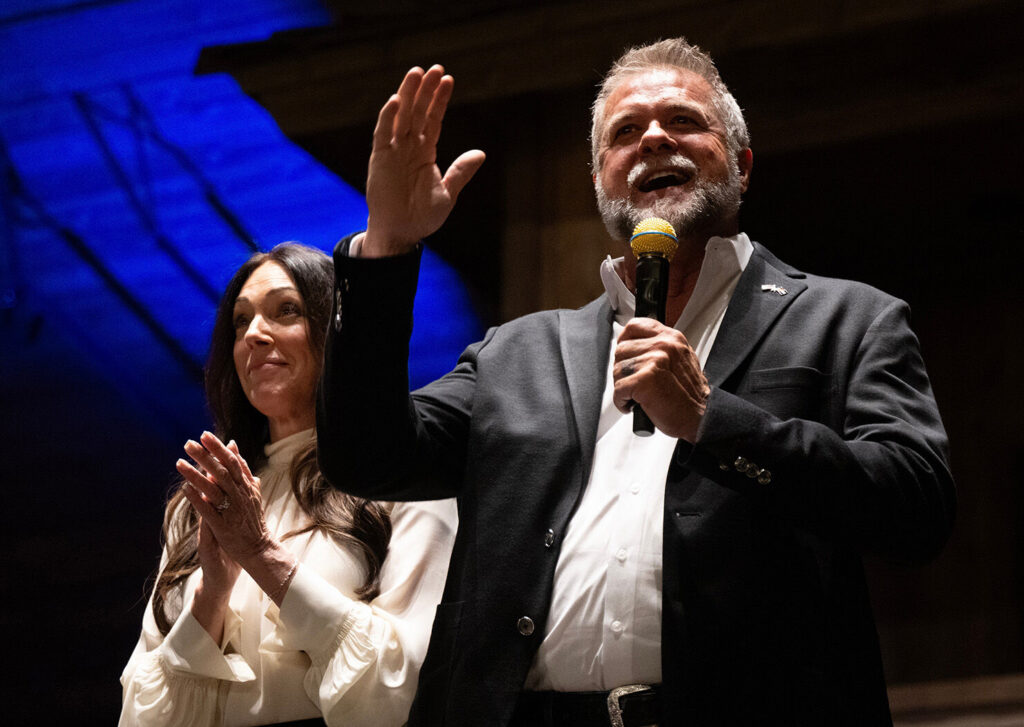
Victor Marx says he’ll only debate Phil Weiser once in Colorado governor’s race — without a moderator
Ernest Luning
ernest.luning@coloradopolitics.com
Updated 2 days ago
Colorado Republican gubernatorial nominee Victor Marx said on Tuesday that he will participate in only one debate with Attorney General Phil Weiser before the November election — and he challenged the Democratic nominee to hold the event without a moderator....
PREV
PREVIOUS

Quiet at the state Capitol doesn't mean silence on energy policy | GUEST COLUMN
By Carly West By many accounts, Colorado’s 2026 legislative session was unusually quiet on oil-and-natural-gas policy. There was no sweeping new oil-and-natural-gas package. No major new production restrictions. After years of contentious energy debates dominating the Capitol, the relative quiet of this year’s session stood out. But though fewer major energy bills moved through the […]

Gazette, Centennial Institute cosponsoring Republican gubernatorial debate Tuesday
The Gazette and the Centennial Institute are cosponsoring a Republican gubernatorial debate Tuesday at Colorado Christian University, featuring candidates state Rep. Scott Bottoms, a Colorado Springs pastor, and longtime GOP insider state Sen. Barb Kirkmeyer. Candidates will field questions on major issues facing Colorado, including the economy, crime/public safety, state budget/TABOR, energy, infrastructure and affordability. […]