

Colorado lawmakers start crafting strategy to manage $200 million in federal rural health funds
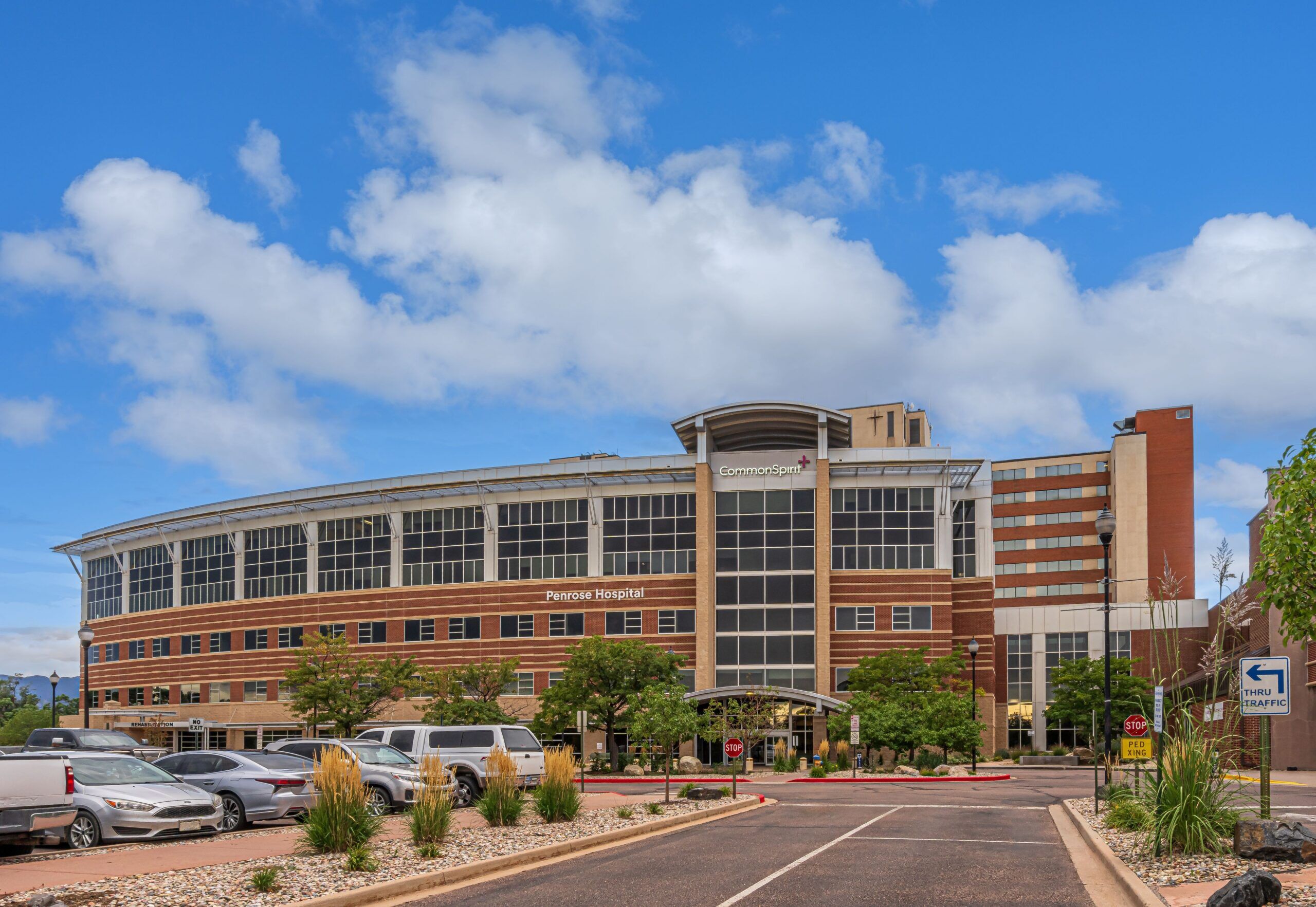
Members of the Colorado legislature’s new Commission on Medicaid raised concerns Wednesday about the federal Rural Health Transformation Program created under H.R. 1.
The bipartisan, bicameral commission, created in the last legislative session to guide implementation of Medicaid changes under H.R. 1, met Wednesday to begin shaping its recommendations.
Cristen Bates, deputy Medicaid director at the Department of Health Care Policy and Financing, told members that Colorado is slated to receive $200 million in federal funding each year for the next five years to support rural health care initiatives. CMS requires states to apply for the Rural Health Transformation Program by November, with awards expected by year’s end.
Of the $200 million, Bates said $160 million will go directly to providers in rural areas, with the rest allocated to training and technical assistance for the 19 new staff who will assist in operating the program and programs within the Department of Health and Environment.
The program’s requirements are “really, really, really strict,” Bates said: funding must go toward new operations and innovations, not day-to-day operations, and only providers located in rural areas are eligible. Recipients are required to use program funds for at least three of the 10 uses of funds approved by the federal government, including prevention and management of chronic diseases, payments for health care providers, workforce training and recruitment, and increasing access to substance use disorder and mental health treatment services.
“This is very clearly the purpose of the funding and why it was developed and what we will be doing with it,” Bates told lawmakers. “Really, our goal has been to push these monies out specifically to our rural providers.”
Of the $160 million going to providers, the majority has been designated for telehealth services, alternative models of care, and workforce training and retention. If states do not use the funds appropriately, they risk having them scaled back or taken away entirely.
Bates noted that while all of Colorado’s health care providers are struggling amid inflation and workforce shortages, rural providers have been hit the hardest.
“As much as every provider is struggling in the state, rural and frontier providers are struggling in a different way,” she said. “Now, they have different resilience and different ways that they get things done, but it’s a different challenge.”
Several commission members questioned why providers in smaller metropolitan areas, which mostly serve rural patients, were not eligible for funding.
Rep. Rick Taggart, R-Grand Junction, said many of the providers in his district told him they are ineligible to receive RHT funds because they’re located in an urban area but serve a majority-rural population.
“In some cases, hospitals can’t afford to even survive unless they’re in a reasonably sized town or city,” he said. “So if I seem frustrated, I am… I’m getting frustration from the people that [the program] is supposed to benefit, and I don’t even understand the regulation in terms of rural having to be just in a rural place. That, to me, is way too simplistic, especially when a hospital is serving a huge rural area.”
Bates agreed that many places in Colorado feel rural but technically aren’t, but “we can’t make decisions based on what feels rural and how many people you’re serving are rural,” she said. “It really has to be based on access in the locations of rural and frontier. That is the direction that we have received from the feds.”
Sen. Kyle Mullica, D‑Thornton, said he doesn’t want the state to repeat what he sees as past missteps in handling large federal infusions of cash.
After the American Rescue Plan Act passed, Colorado received more than $9.5 billion in federal funding. The legislature controlled the largest share — $3.62 billion — and distributed it through more than three dozen bills spanning economic development, health care, housing, and workforce programs.
Mullica told the commission he wants a clearer strategy this time. “I’m trying to hear a plan of making sure that we maybe don’t make some of the mistakes that I view that we made with the ARPA dollars, because I do think that there are some things that we did with the ARPA dollars that we have nothing to show for today,” he said. “You don’t get a billion dollars from the federal government every single day; how do you make sure that these dollars last?”
The Commission on Medicaid’s next meeting is Aug. 5.

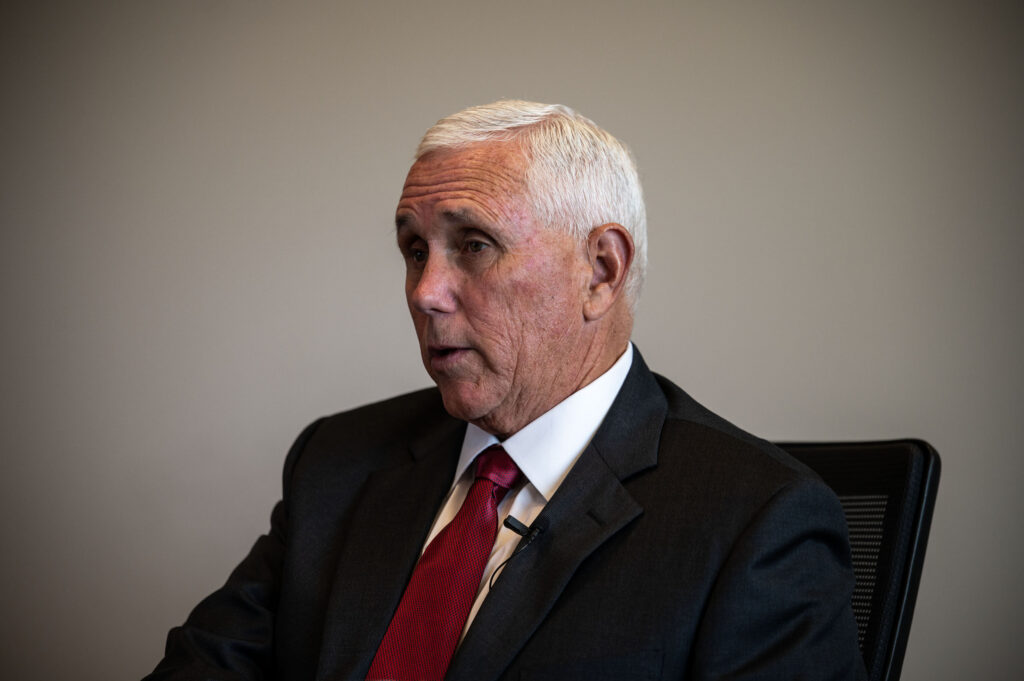
Q&A with Mike Pence | Former vice president says GOP’s populist turn from conservatism isn’t permanent
Ernest Luning
ernest.luning@coloradopolitics.com
Updated 5 hours ago
Former Vice President Mike Pence says he’s concerned that the Republican Party has taken a populist turn away from bedrock conservative principles during President Donald Trump’s second term, but he believes the party will return to its roots when Trump...

Republican Victor Marx taps George Markert as his lieutenant governor pick in Colorado’s gubernatorial race
Ernest Luning
ernest.luning@coloradopolitics.com
Updated 3 hours ago
Colorado Republican gubernatorial nominee Victor Marx named George Markert, a retired Marine colonel, as his running mate for lieutenant governor Friday morning, saying the former U.S. Senate candidate will bring “exceptional character, proven leadership and a lifetime of serving others”...
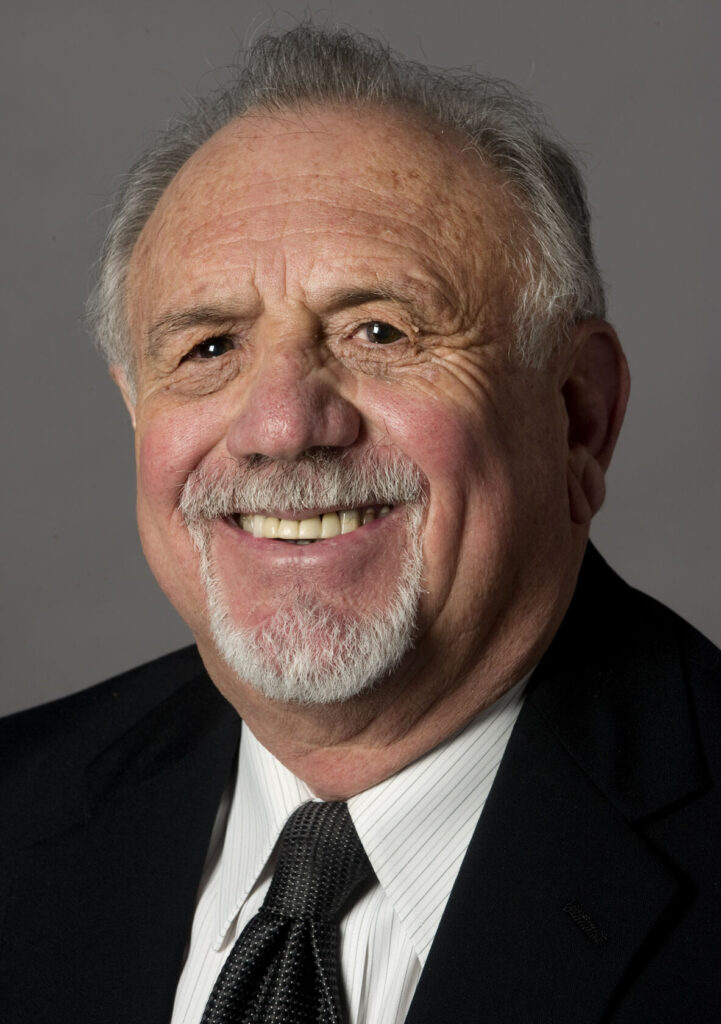
Pueblo mayor, council concoct Trumpian Texas Two-Step | Dennis Maes
Dennis Maes
dennis-maes@coloradopolitics.com
Updated 1 day ago
Several weeks ago, an article was published positing Pueblo Mayor Heather Graham is a disciple of the calamitous Donald Trump school of governance — specifically as it related to questionable ethical practices and the misuse of public funds. Recently, Graham...
Colorado can’t afford to turn its back on proven public safety technology | GUEST COLUMN
Colorado Politics
colorado-politics@coloradopolitics.com
Updated 1 day ago
By Samuel G. Michael I recently saw a report that said Colorado is leading the way in artificial intelligence adoption for businesses. Across our state, more business owners and employees than ever before use AI for their everyday functions —...

Democrat Jessica Killin’s internal poll shows dead heat with U.S. Rep. Jeff Crank in Colorado’s 5th CD
Ernest Luning
ernest.luning@coloradopolitics.com
Updated 1 day ago
Jessica Killin, the Democratic nominee in Colorado’s 5th Congressional District, is in a statistical tie with Republican U.S. Rep. Jeff Crank, according to an internal poll released this week by Killin’s campaign. The poll of likely general election voters, conducted...

Colorado’s 72-hour social media warrant law takes effect Aug. 12
Marissa Ventrelli
marissa.ventrelli@coloradopolitics.com
Updated 1 day ago
A law requiring social media platforms to respond to search warrants within 72 hours goes into effect on Aug. 12. Senate Bill 011 also requires platforms to create a staffed hotline for Colorado law enforcement agencies to contact regarding pending...
As education conflicts abound across Colorado, who puts the kids first? | Paula Noonan
Paula Noonan
paula-noonan@coloradopolitics.com
Updated 2 days ago
Elected school boards and the Colorado Department of Education (CDE) have hit the headlines with fired superintendents, superintendent resignations, failures of oversight, and misdirected dollars. Cherry Creek School District’s superintendent was fired. Jefferson County Schools’ superintendent found a less stressful...

Victor Marx says he’ll only debate Phil Weiser once in Colorado governor’s race — without a moderator
Ernest Luning
ernest.luning@coloradopolitics.com
Updated 1 day ago
Colorado Republican gubernatorial nominee Victor Marx said on Tuesday that he will participate in only one debate with Attorney General Phil Weiser before the November election — and he challenged the Democratic nominee to hold the event without a moderator....

Clock is ticking on Colorado’s new AI rules | PODIUM
Colorado Politics
colorado-politics@coloradopolitics.com
Updated 2 days ago
By Aashis Luitel On Jan. 1, organizations using covered automated systems must begin complying with Senate Bill 26-189, Colorado’s new Automated Decision-Making Technology Act. They can identify those systems and start building the processes the statute clearly requires. What they...
Atop taxes, here’s how much each Colorado resident pays in fees
Marissa Ventrelli
marissa.ventrelli@coloradopolitics.com
Updated 3 days ago
Each Colorado resident paid nearly $5,000 in state-sanctioned fees last year, according to a report by a policy think tank. The report, which analyzed how fees have affected Colorado’s economy, found that fee revenue has more than tripled since 2008...
PREV
PREVIOUS

Democrat Jessica Killin’s internal poll shows dead heat with U.S. Rep. Jeff Crank in Colorado’s 5th CD
Jessica Killin, the Democratic nominee in Colorado’s 5th Congressional District, is in a statistical tie with Republican U.S. Rep. Jeff Crank, according to an internal poll released this week by Killin’s campaign. The poll of likely general election voters, conducted earlier this month by Democratic firm Global Strategy Group, found Killin trailing Crank 44%-45%, with […]

First-ever Red Rocks naturalization ceremony draws most diverse group of new citizens
Colorado’s federal trial court held its first-ever naturalization ceremony for nearly 300 new citizens on Thursday at Red Rocks Park and Amphitheatre. “We’re doing it to commemorate the 250th anniversary of the Declaration of Independence and the United States. Red Rocks is a particularly fitting location for this. It’s a place that, of course, reminds […]