

Q&A with Mike Pence | Former vice president says GOP’s populist turn from conservatism isn’t permanent
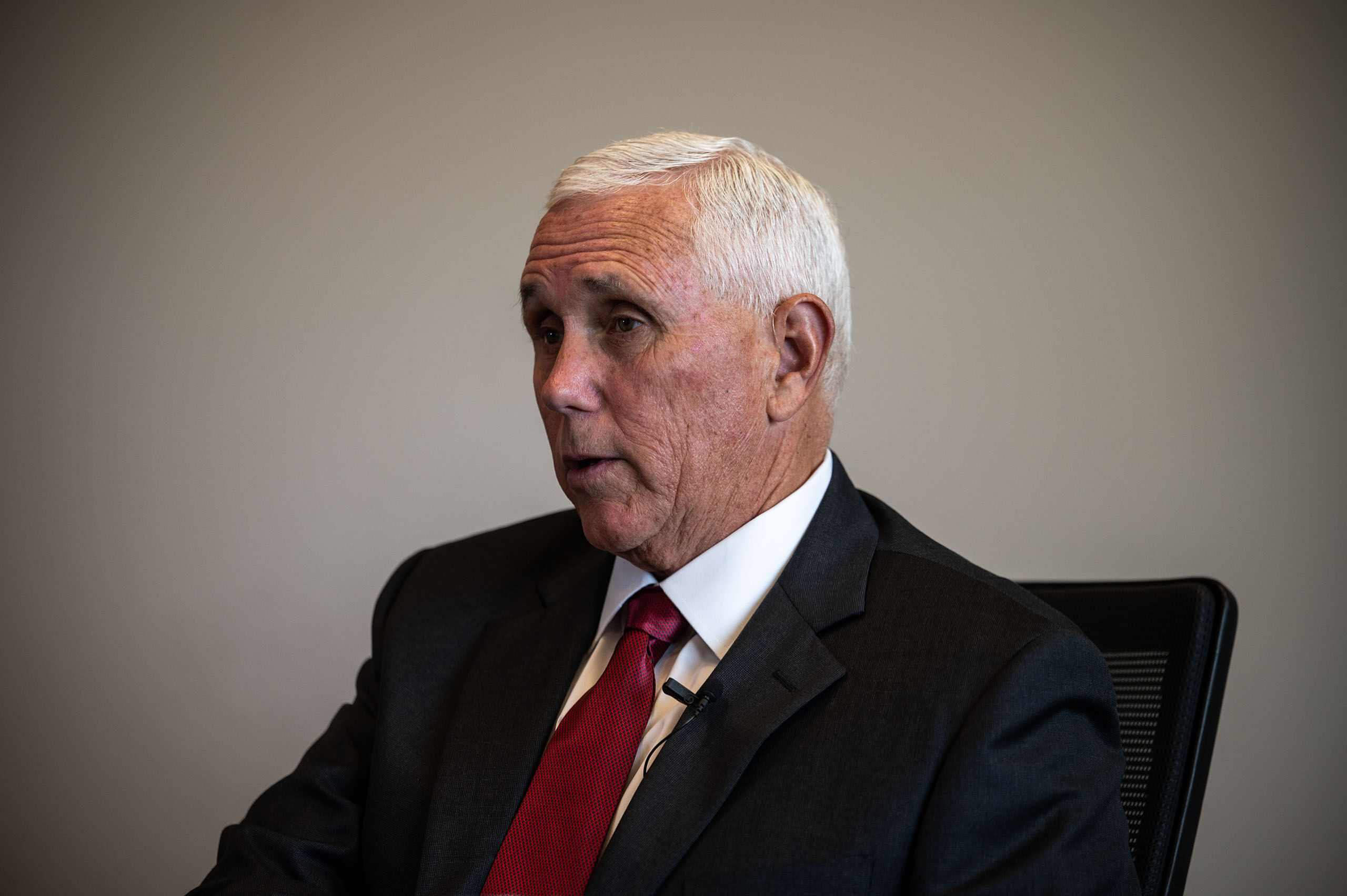
Former Vice President Mike Pence says he’s concerned that the Republican Party has taken a populist turn away from bedrock conservative principles during President Donald Trump’s second term, but he believes the party will return to its roots when Trump passes the torch to the GOP’s next nominee in 2028.
It’s important, as attention turns to the next presidential election, Pence told Colorado Politics in an exclusive interview, for Republicans to “focus on what we’re for, before we focus on who we’re for.”
Pence added that in addition to veering from the party’s ideological foundations by embracing widespread tariffs, nationalizing some businesses and wavering on support for longstanding allies, he’s most disappointed by the GOP’s seeming indifference toward the right-to-life movement in the wake of Roe v. Wade’s repeal.
Since he left office in 2021, Pence has focused on restoring traditional conservative values to the center of the GOP, including founding the nonprofit Advancing American Freedom and critiquing the party’s direction in his new book, What Conservatives Want: Rediscovering the Conservative Conscience.
“I really do believe, at the end of the day, America is a conservative country on balance,” Pence said, “and that the American people deserve a party that hews to those principles of a strong defense, limited government, traditional moral values. And we’re going to be championing those in the Republican Party in the days ahead.”
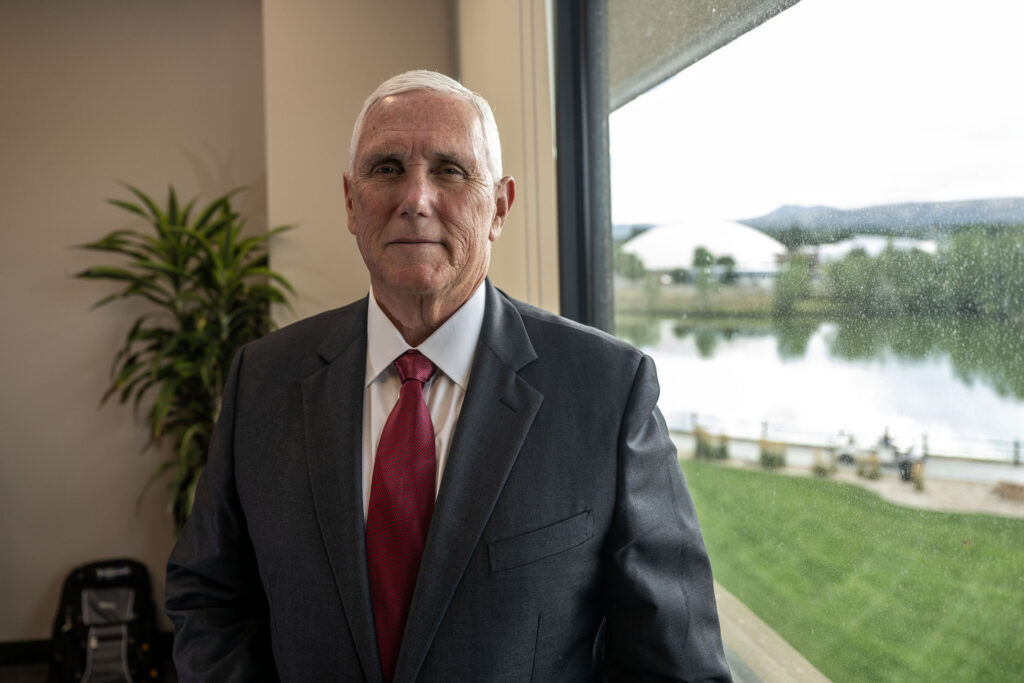
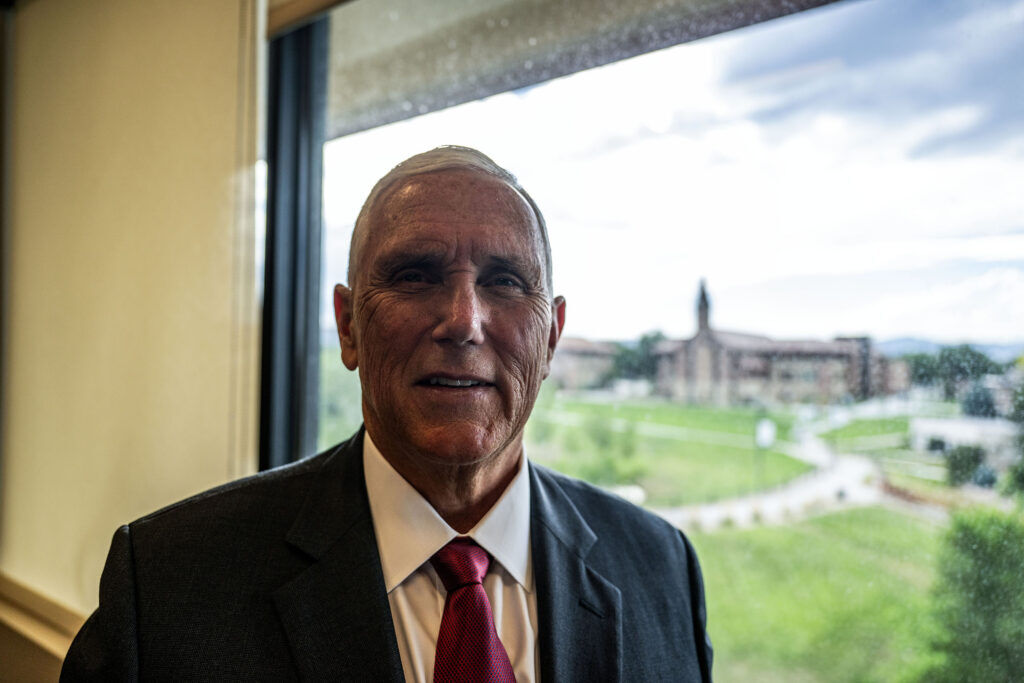
Pence spoke with Colorado Politics on July 30 at the Centennial Institute at Colorado Christian University in Lakewood, hours before Pence was scheduled to present the William L. Armstrong award to the late Edwin J. Feulner Jr., a co-founder of the Heritage Foundation, on the opening night of the institute’s Western Conservative Summit.
The interview has been lightly edited for length and clarity.
Colorado Politics: Mr. Vice President, you’ve had a front-row seat to the conservative movement’s evolving relationship with the Republican Party over the last decade, since Donald Trump effectively became the face of the GOP. You’ve said that Donald Trump never claimed to be a conservative, though in his first term did in fact mostly enact conservative policies.
What’s the state of the conservative movement these days, and how does the president’s current term — including broad-based tariffs, move toward nationalizing some American companies and imposing price controls on some sectors of the economy — how does that fit?
Former Vice President Mike Pence: I think our politics are changing on both sides of the aisle. I mean, for the last 50 years, the Republican Party has largely contended with a Democratic Party that embraced traditional liberalism, big government, social liberalism, but the Democratic Party is being overtaken by the progressive left, openly embracing socialism, candidates who oppose American support for Israel and even trade in the kind of antisemitic rhetoric that should be deeply offensive to every American.
But, as I’ve observed after having been a part of the conservative movement all of my adult life, there’s a new threat to the conservative movement that comes from the populist right. But let me be clear. I really believe that when you look at the Trump-Pence years, we governed on that broad-based conservative agenda that’s really defined the Republican Party since the days of Ronald Reagan. I mean, we rebuilt the military, we cut taxes, rolled back regulations, unleashed American energy, and we put a priority on the right to life and religious liberty, and appointed conservatives to the Supreme Court, who eventually would send Roe v. Wade to the ash heap of history, where it belongs.
But in the intervening years, during the end of the first Trump administration, the beginning of the new one, there’s been change, largely driven by that populist sentiment that’s advocated for more protectionist policies when it comes to the economy — broad-based tariffs on friend and foe alike that were just recently renewed under a different legislative scheme after the Supreme Court turned back the Liberation Day tariffs; price controls on everything from from pharmaceuticals to to consumer credit; the nationalization of American businesses. These are all things that would have frankly never been embraced during the years of our administration, but they’ve become commonplace during the second Trump administration.
And on foreign policy, where we demanded a lot of our allies but we stood strongly with Israel, we stood up to our enemies, we unleashed our armed forces to take down the ISIS caliphate. Here, you’ve seen the new Trump administration’s stops and starts in support for Ukraine, that I’m pleased have now taken a very much more positive direction. But I do commend the president for being the first president in modern history to take the fight directly to Iran last year and this year, and he stood without apology for our cherished ally Israel. But as I said, some of the tone on foreign policy has changed.
Lastly, I think for me, the marginalizing of the right to life as a priority for the Republican Party has been the most disappointing. When the Republican convention gathered in 2024, they removed most of the historic pro-life language, and now even though Roe v. Wade has been overturned, the lack of action by the new Trump administration — to deal with mail-order abortion pills that are undermining our progress on the right to life in pro-life states around the country — all represent, I think, a change that’s happening.
That’s why I say when it comes to 2028, which we’ll be talking about before you know it, I think it’s going to be more important for us to focus on what we’re for, before we focus on who we’re for. And it’s one of the reasons I wrote the book What Conservatives Believe, and my foundation in Washington D.C. I really do believe, at the end of the day, America is a conservative country on balance, and that the American people deserve a party that hews to those principles of a strong defense, limited government, traditional moral values. And we’re going to be championing those in the Republican Party in the days ahead.
CP: When you’re talking about the right to life being a centerpiece of the conservative movement and the Republican Party, is that an example of the dog that caught the car? All of a sudden, it’s not the issue that people can rally around as much, because you’ve had that success.
Pence: No, I think most pro-life Americans understood that by overturning Roe v. Wade, we hadn’t come to the end of the debate, we’d come to the end of the beginning. And now it’s incumbent on us to make the case at the national level and in all 50 states to restore the sanctity of life to the center of American law. But it’ll take leadership to do that, and where we made a priority of the right to life, this new Trump administration has, as I said, largely marginalized the issue.
The appointment of a pro-abortion secretary of Health and Human Services in Robert Kennedy Jr. was a disappointment to me, and I think to millions of pro-life Americans. The lack of action to deal with the abortion pill that Joe Biden made available by mail without doctor visits or consultation is deeply troubling. But I think I think the overwhelming majority of of pro-life Americans want to see leadership at the national level and at the state level.
And it’s one of the reasons why it’s such a joy for me to be back at Colorado Christian University, which is literally known coast to coast as “Pro-life U.” This is a school that stands without apology for the sanctity of life and is generating leaders that are going to carry that cause forward. You know, I really do believe that the destiny of our country is tied up in whether we restore the unalienable right to life to the center of American law, and that’s why I’m so heartened by the progress here at Colorado Christian.
CP: You’ve noted in your book and in talking about it that the president reacted differently to some of the same scenarios between his two terms — opposing the sale of U.S. Steel to the Japanese Nippon Steel in the first term, then OK’ing it, and, as we’ve discussed, taking a small share for the government in his second term. What changed? Did the president change his mind or did the intellectual underpinnings of the folks around him change?
Pence: For me, it would only be speculation. I mean, I interact with people in the cabinet from time to time, and the president — I know him well. I would tell you the cabinet that we surrounded the president with in our four years was a conservative cabinet.
I remember former Education Secretary Bill Bennett approached me in our first year in office, and he said, “People keep telling me this is the most conservative cabinet since the Reagan administration.” And he said, “You know, I was on Ronald Reagan’s cabinet, and I’ll tell you, this is a lot more conservative cabinet than Ronald Reagan’s.” Whether it be our people that were working in energy or commerce or education — Betsy DeVos, who visited Colorado Christian University last year, was our Secretary of Education.
What I can say is during our four years, the president had people alongside him that really believed in free market economics, limited government, American leadership on the world stage, and were able to make that case to the president very readily.
CP: The party has taken a more populous turn, as you’ve said, over the last several election cycles, including in primaries, Republican voters — sometimes at Donald Trump’s urging, in Louisiana, Indiana, Kentucky — have been turning to very different kind of candidates than the party did before.
Does the Republican Party, grounded in what you’ve identified as the bedrock conservative principles — free market, free enterprise, and so forth — does that still exist? Is just that waiting for time to pass to reemerge, or has there been a fundamental kind of realignment?
Pence: Well, there’s no question that the president has enormous sway over Republican primary voters across the country, but I see that more as the well-earned gratitude that people feel for what the president’s endured over the last 10 years. I was at his side for four and a half of those years. We saw the lawfare that took place in between the first and second administrations, and just the ongoing political assault from the American left and the media, I think, has generated a great deal of understandable loyalty and deference to the president. And you certainly saw that in primaries from Louisiana to Texas, even to Indiana in our state legislative races.
But I think it would be a mistake to then assume that voters are embracing a different philosophy of government, a departure from the traditional conservatism that has defined our party for 50 years, and I think that’s why the debate over 2028 will begin about 60 seconds after the midterm elections are called.
I just go back to what I said before — that’s why I think it’s going to be so important for us to focus on what we’re for before we focus on who we’re for, because I I think the man or woman that is able to best articulate a return to the application of those those common sense conservative principles that have defined our movement for decades will carry the day.
CP: You’ll be talking tonight about the Armstrong Award recipient, the late Ed Feulner, who I understand was a good personal friend of yours. What’s important to know about Mr. Feulner and his legacy?
Pence: I think that the presentation of the Armstrong Award to Edwin J. Feulner Jr. is a fitting tribute to a man who, like Senator Bill Armstrong, was one of the architects of the modern conservative movement. These men came from a generation that proved that when you stand on principle with courage, you can change history. And Ed Feulner, starting back in the 1970s — pulling together a small policy shop that would grow into the flagship of the conservative movement, known as the Heritage Foundation — literally shaped policy of Republican administrations at the federal and state level for half a century.
It was never about him — he was never a limelight guy, he was never looking to be out front, but he was always there, ready to take those principles and translate them into practical policies that could advance the conservative movement.
Bill Armstrong was the same kind of man. I never had the privilege to meet him, but I admired him from afar, saw the impact that his principled leadership had, and of course, his legacy here at Colorado Christian University speaks for itself.
Ed Feulner was not just my friend; he was not just a conservative leader, but he was really a man who, when the history of these days is written, is going to be understood to be one of those handful of people that really shaped an America that became more prosperous and more free, all grounded on the timeless principles that have always made our country great.

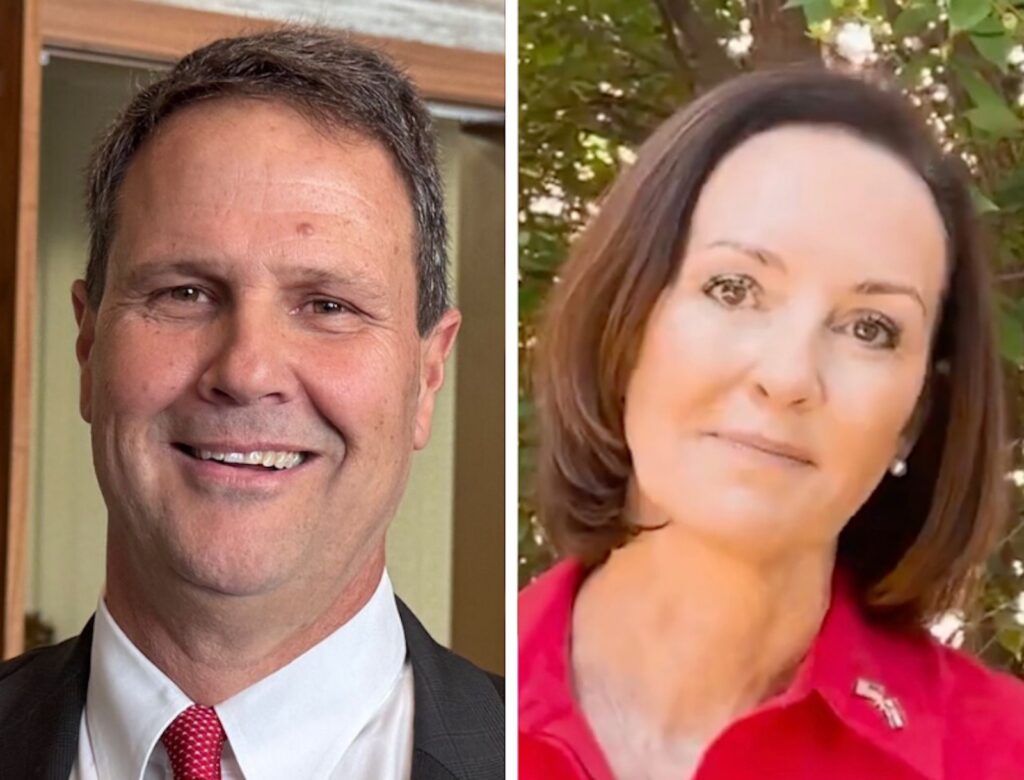
Democrat Jessica Killin’s internal poll shows dead heat with U.S. Rep. Jeff Crank in Colorado’s 5th CD
Ernest Luning
ernest.luning@coloradopolitics.com
Updated 21 hours ago
Jessica Killin, the Democratic nominee in Colorado’s 5th Congressional District, is in a statistical tie with Republican U.S. Rep. Jeff Crank, according to an internal poll released this week by Killin’s campaign. The poll of likely general election voters, conducted...
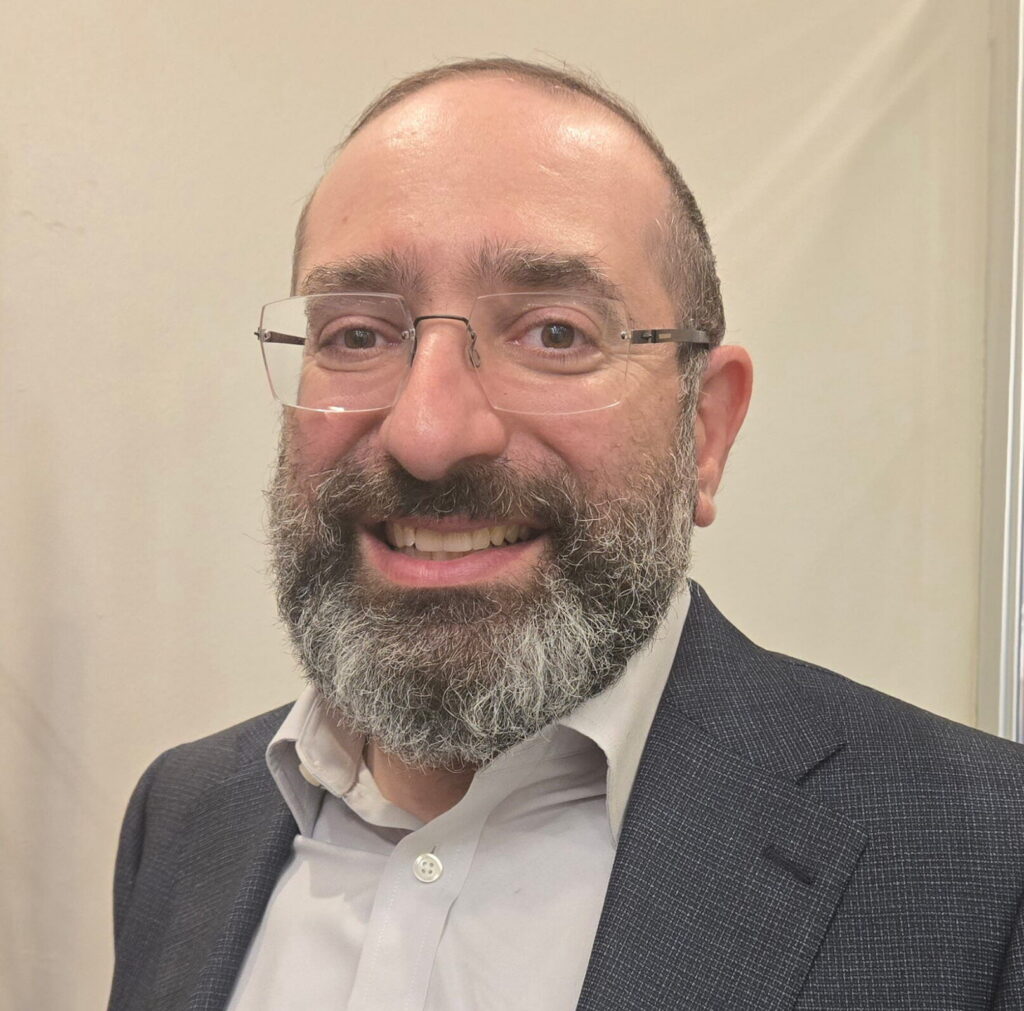
Surprise candidate Shimon Blau cleared to face off against Melat Kiros in November
Ernest Luning
ernest.luning@coloradopolitics.com
Updated 7 days ago
Unaffiliated congressional candidate Shimon Blau, a Denver doctor, has qualified by petition for the general election in Colorado’s 1st District, where Democrat Melat Kiros defeated 15-term U.S. Rep. Diana DeGette in last month’s primary, the Colorado Secretary of State’s Office...

Democrat John Hickenlooper hauls in $1.3 million in 2nd quarter in Colorado’s U.S. Senate race
Ernest Luning
ernest.luning@coloradopolitics.com
Updated 2 weeks ago
U.S. Sen. John Hickenlooper’s reelection campaign raised just over $1.3 million in the year’s second quarter and finished the period with $2 million in the bank, leaving the first-term Democrat with nearly 80 times as much cash on hand as...
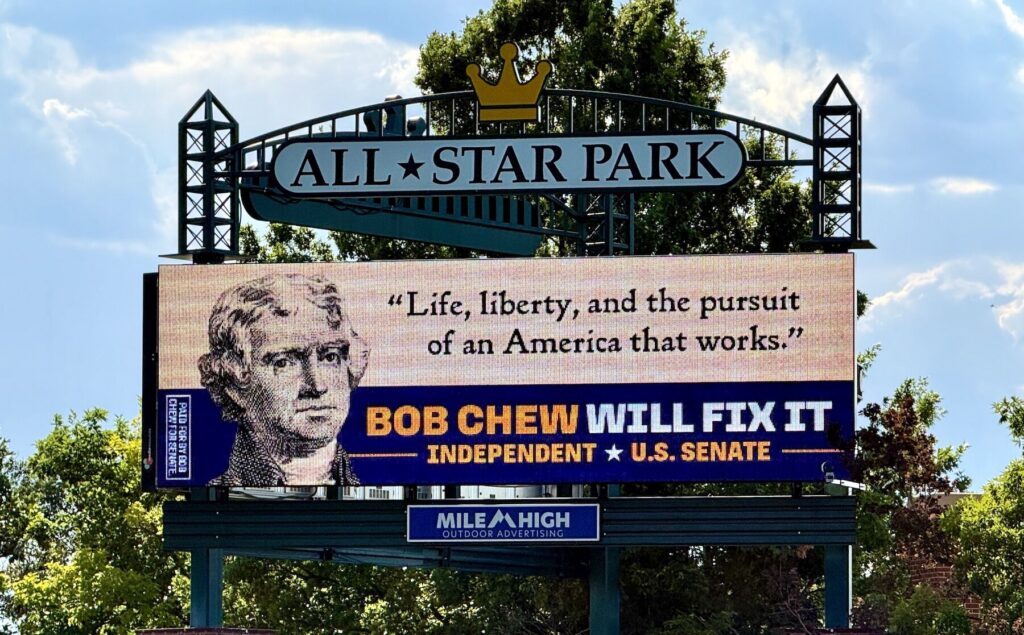
Forward Party nominee for Colorado’s U.S. Senate seat puts $1.1 million into his campaign
Ernest Luning
ernest.luning@coloradopolitics.com
Updated 2 weeks ago
Bob Chew, the Colorado Forward Party nominee for the seat held by Democratic U.S. Sen. John Hickenlooper, plans to report donating $1.1 million to his campaign and raising an additional $20,000 in the most recent quarter, his campaign told Colorado...

Turnout surges and winning margins stretch as final returns post in Colorado’s 2026 primary
Ernest Luning
ernest.luning@coloradopolitics.com
Updated 3 weeks ago
County clerks finished posting unofficial results in Colorado’s primary election on Friday, drawing a line under a series of nominating contests that witnessed upsets, surprises and outright shockers by the time the votes were tallied. While the outcome changed in...
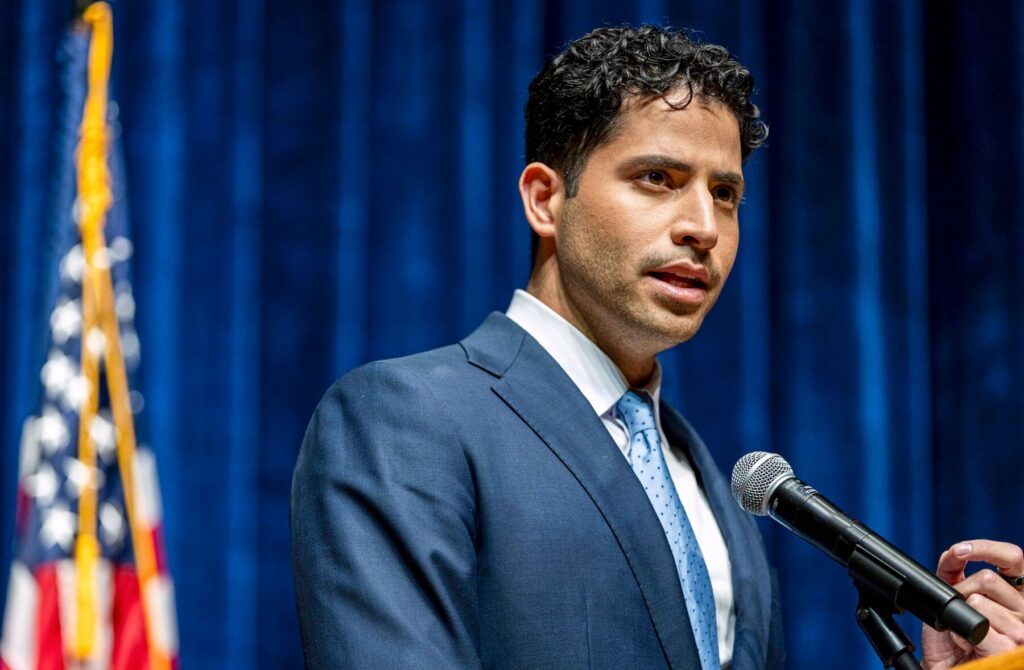
Gabe Evans challenger Manny Rutinel makes House Democrats’ ‘Red to Blue’ program in Colorado’s 8th CD
Ernest Luning
ernest.luning@coloradopolitics.com
Updated 2 weeks ago
The House Democrats’ main campaign arm on July 9 added state Rep. Manny Rutinel to its “Red to Blue” program, saying the party’s freshly minted nominee in Colorado’s battleground 8th Congressional District is primed to flip the seat held by...
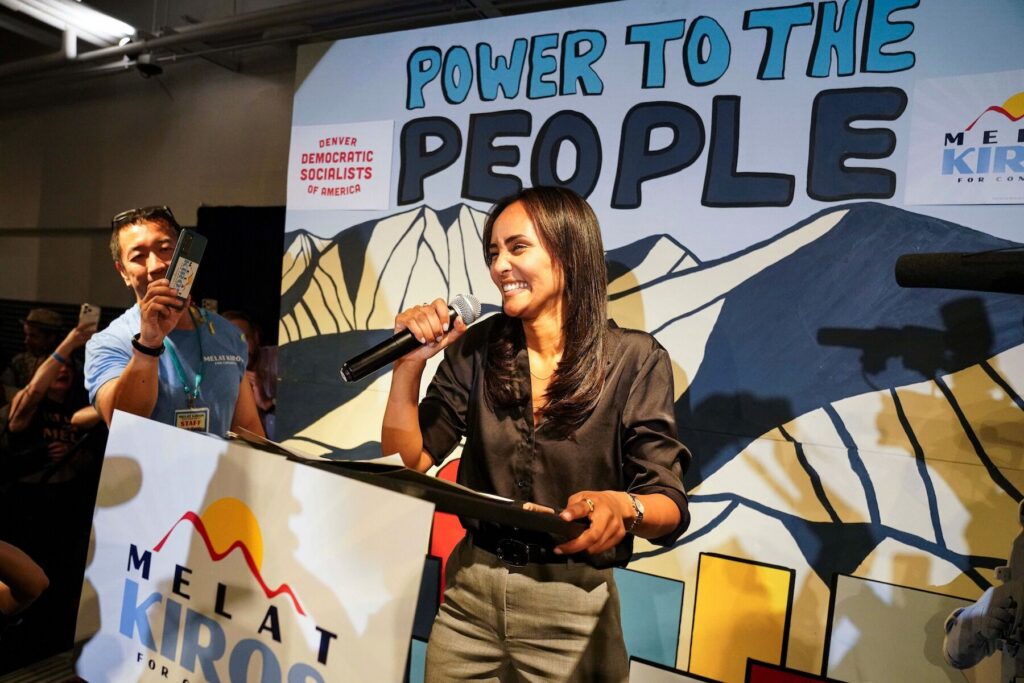
How Melat Kiros pulled Democratic Party left in upset win over Diana DeGette
Ernest Luning
ernest.luning@coloradopolitics.com
Updated 4 weeks ago
“It’s time for change,” Democratic congressional candidate Melat Kiros, a political newcomer and self-described democratic socialist, said in her campaign’s TV ad. On Tuesday night, primary voters in Denver agreed, giving the nomination to the 29-year-old, while at the same...
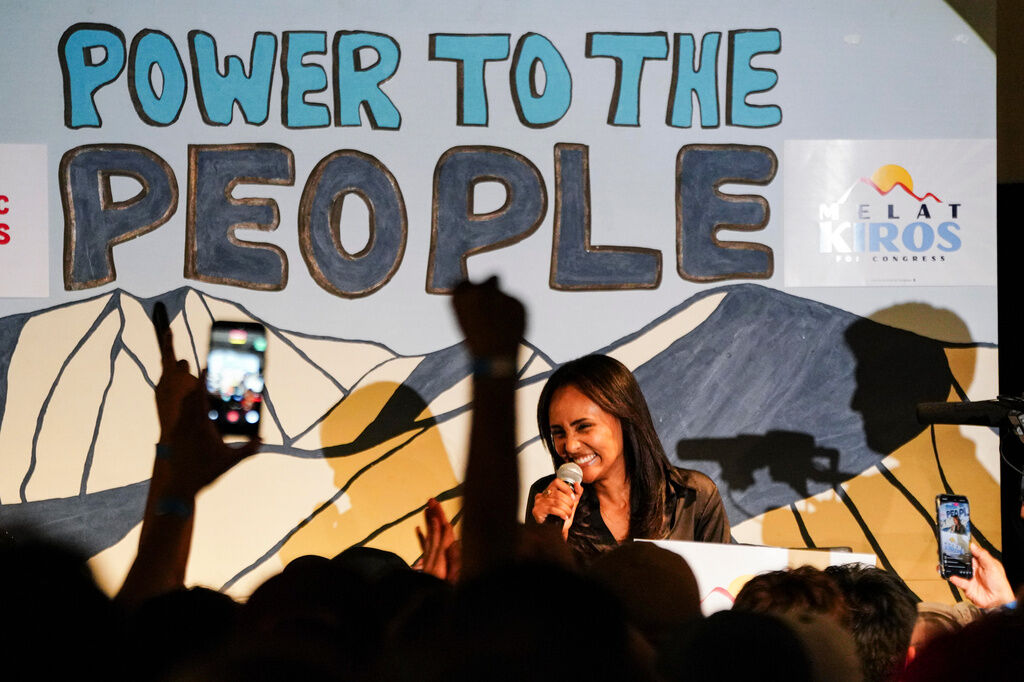
Melat Kiros shocks 15-term incumbent Diana DeGette, winning Colorado’s 1st CD Democratic primary
Ernest Luning
ernest.luning@coloradopolitics.com
Updated 1 month ago
In the equivalent of a political earthquake, 29-year-old Democratic socialist Melat Kiros defeated 15-term U.S. Rep. Diana DeGette in Colorado’s Denver-based 1st Congressional District primary, according to unofficial election results Tuesday night. The Associated Press called the race at 10:03...
Dwayne Romero wins Democratic primary, will face Republican Jeff Hurd in Colorado’s 3rd CD
Ernest Luning
ernest.luning@coloradopolitics.com
Updated 1 month ago
Democrat Dwayne Romero has defeated challenger Alex Kelloff in the primary in Colorado’s 3rd Congressional District, where Republican U.S. Rep. Jeff Hurd fended off a challenge from a former state lawmaker, according to The Associated Press. In returns posted at...

Democrat Jessica Killin claims victory in Colorado’s 5th Congressional District primary
Ernest Luning
ernest.luning@coloradopolitics.com
Updated 1 month ago
Jessica Killin walked out to the song American Girl in a bright red dress to claim victory in the democratic primary race for Congressional District 5 at a hotel in downtown Colorado Springs on Election Day. She beat her fellow...
PREV
PREVIOUS

New federal plan sets short-term rules for Colorado River management
After years of stalled negotiations among the seven states that rely on the Colorado River, the Department of the Interior on Friday released its own plan for managing the drought-strained system. The river’s current interim operating guidelines, set in 2007, are due to expire on Oct. 1, the beginning of the next water year. The […]

Federal judges find Colorado immigration judge violated several orders
Multiple federal judges in Colorado have freed people from immigration custody after determining that one immigration judge violated their directives for properly conducting bond hearings. For nearly a year, Colorado’s U.S. District Court has faced a flood of “habeas corpus” petitions from those in immigration detention. The most common allegation is that the government is improperly […]