

Copper thefts threaten 911, emergency communications in Colorado
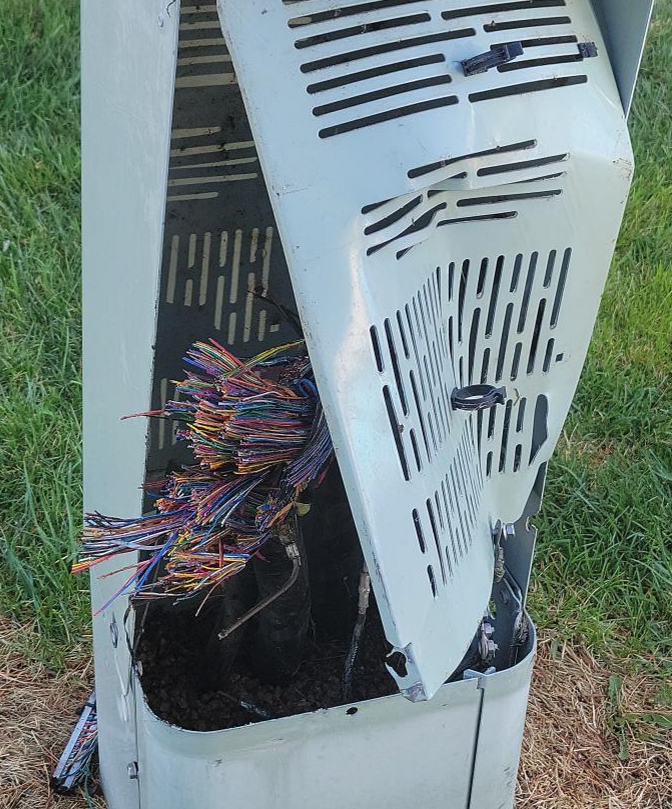
The theft of copper communications wire is endangering 911 service and other emergency response systems across Colorado, as thieves target infrastructure in Denver and beyond in search of quick profits, according to policymakers and industry representatives.
At the state Capitol, legislators have responded by passing a bill aimed at cracking down down on the sale of stolen metals used in critical infrastructure.
While signing the legislation, Gov. Jared Polis said it would deter individuals from selling stolen metal.
“Theft of any kind is unacceptable and this new law will help protect Colorado’s infrastructure. This will help keep our trains running, homes heated, and buildings safe. By signing this bill into law today, Colorado is cracking down on crime to prevent copper wire theft, and keep our communities safe,” Polis said in a statement.
But others have expressed worries about people who legally collect scrap materials and who rely on the immediate cash from selling it to buy food or pay for rent.
Meanwhile, one company is now deploying GPS trackers in materials at risk of getting stolen.
This followed a move by Denver last year to add rules on the buying and selling of scrap metals, including a ban on cash payments.
Copper thieves have increasingly been targeting infrastructure lines, officials said.
In Denver, copper theft has caused prolonged landline outages in southeast neighborhoods.
Colorado Springs, meanwhile, has seen the highest concentration of incidents, with more than 40 cases early this year resulting in more than $440,000 in damages and impacts to more than 4,100 customers.
Denver metro activity has risen rapidly since April, according to local news reports and officials of a communications company.
Statewide, Lumen Technologies — formerly CenturyLink — reported 99 incidents of copper wire theft in early 2026, causing about $680,000 in damages. The company documented 78 incidents for all of 2025.
Michael Griffith, senior security professional with Lumen Technologies, said the thefts disrupt essential services for homes, businesses, nursing homes and government operations.
“It affects just about everybody,” Griffith told The Denver Gazette. “It affects nursing homes. It affects emergency services and being able to make phone calls to police to 911.”
Griffith described the thefts as “an easy payday for criminals and thieves that do this,” driven by rising copper prices and a ready market for stolen goods.
Lumen is now deploying GPS trackers inside cables and covert cameras at high-risk locations, while sharing data in real time with law enforcement.
Company officials are urging the public to report suspicious activity around pedestals or utility poles.
The Regional Transportation District has also been hit hard.
In late April, thieves stole copper wire along the G Line in multiple incidents, including about 14 feet near Pecos Junction Station, causing service disruptions. RTD Transit Police are seeking public help identifying suspects.
The Colorado General Assembly recently enacted House Bill 26-1101, which prohibits the sale of a “commodity metal” used in critical infrastructure, such as telecom and utility networks, unless certain regulatory requirements are met.
The measure targets scrap metals and aims to reduce the market for stolen wire — similar to laws passed after a wave of catalytic converter thefts.
The legislation adds specific criminal offenses related to critical infrastructure metals, updates record-keeping requirements for dealers and requires greater scrutiny of sales involving wire with evidence, such as burned-off insulation.
Under the new law, a junk shop or salvage yard can no longer pay cash for those metals unless the person selling it is paid through a process in which a picture is recorded or the transaction is worth less than $300.
Buyers must also have an affidavit from sellers, in addition to requiring the former to report to authorities if they inadvertently bought such materials. The failure to report such a transaction would result in a misdemeanor or felony, depending on the value of the goods.
Additionally, junk shop owners must make their books available to law enforcement upon request.
In Denver, sponsors of the new ordinance earlier said it mirrors the city’s current rules for the sales of used catalytic converters and aims to make it more difficult for thieves to sell scrap metals, notably copper, brass and aluminum.
The Denver rules also require junk dealers to meet additional requirements, such as maintaining detailed records of transactions and recording driver’s license numbers and license plate numbers before accepting or purchasing scrap metal using traceable forms of payment, such as a credit card.
Like the Colorado law, junk dealers must also permit the city to review all transaction logs — subject to civil penalties for non-compliance.
Opponents of the measure had argued that the ban on cash payments harms homeless people, individuals without bank accounts, and those who collect and sell scrap metal to pay rent and buy food.
Supporters, meanwhile, said said the city is not banning the sale of common recyclables, such as aluminum cans, but rather targeting the “underground economy” that incentivizes the theft of high-value materials, adding that cash-based transactions make it nearly impossible to track stolen materials.
Partly driving the theft is the high price of copper.
Copper prices began a sharp climb in late 2025, rising more than 30% into 2026 amid strong demand from data centers, electric vehicles and renewable energy projects, fueling the surge in thefts, according to industry reports and market data.
Nationally, communications providers reported more than 15,500 theft and vandalism incidents from mid-2024 to mid-2025, disrupting service for more than 9.5 million customers.


Dance pros and their celebrity partners give it their all at 16th Dancing with the Denver Stars | NONPROFIT REGISTER
Joanne Davidson Special to Colorado Politics
joanne-davidson-special-to-colorado-politics@coloradopolitics.com
Updated 9 hours ago
CLEO PARKER ROBINSON DANCE Denver News: Take 13 community and business leaders, pair them with members of the Cleo Parker Robinson Dance Ensemble and its Cleo II dance artists for a four-month intensive course in moving to the music and what do you...

On a night packed with events, this fundraiser did very well | NONPROFIT REGISTER
Joanne Davidson Special to Colorado Politics
joanne-davidson-special-to-colorado-politics@coloradopolitics.com
Updated 9 hours ago
DENVER ZOO CONSERVATION ALLIANCE Denver ews: There were at least three other major events taking place on Aug. 22, the night when the Denver Zoo Conservation Alliance hosted its annual Flock Party: Cleo Parker Robinson’s Dancing with the Denver Stars, the Morgan...

Third ‘Pepper ‘Em with Love’ gala gave 500 guests a rockin’ good time | NONPROFIT REGISTER
Joanne Davidson Special to Colorado Politics
joanne-davidson-special-to-colorado-politics@coloradopolitics.com
Updated 9 hours ago
PEPPER’S SENIOR DOG SANCTUARY Littleton News: There was so much to love about Pepper ‘Em with Love, the Aug. 19 fundraising gala for Pepper’s Senior Dog Sanctuary, that it’s hard to know where to begin or what not to overlook. But we’ll try. About...
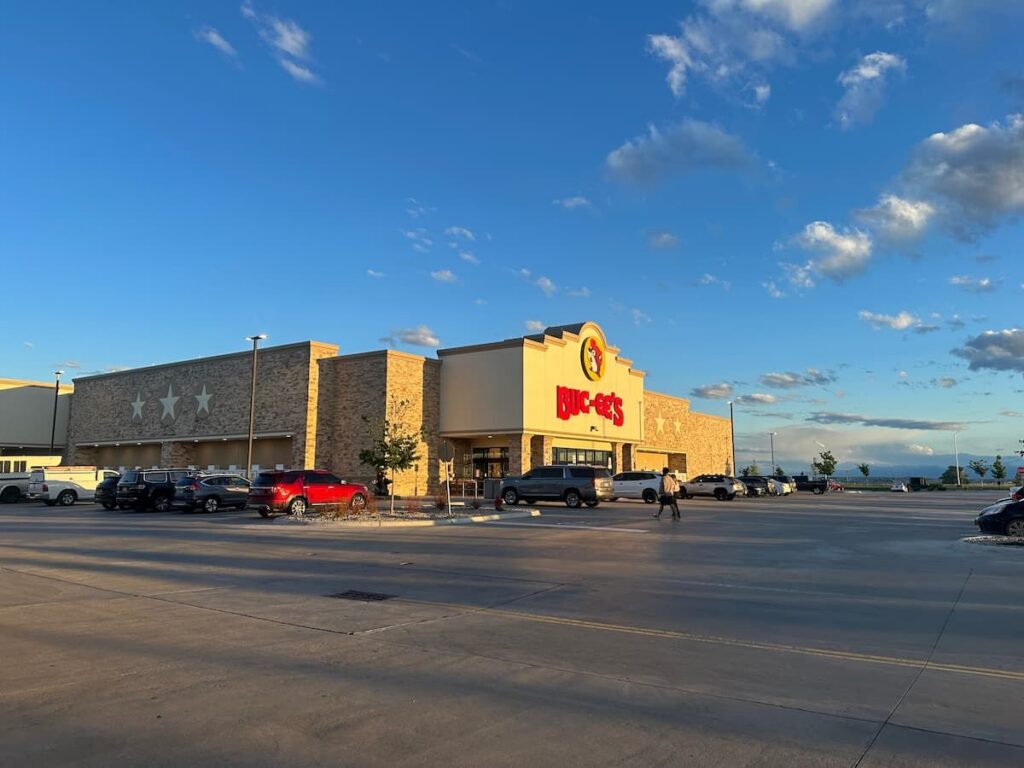
Buc-ee’s and El Paso County: What to know ahead of the public hearing
Savannah Eller
savannah-eller@coloradopolitics.com
Updated 9 hours ago
Controversial plans for the second Colorado location of the Texas travel chain Buc-ee’s are making their debut in El Paso County’s public hearing process. Interest in the project has been high from the start, defining over a year of local...
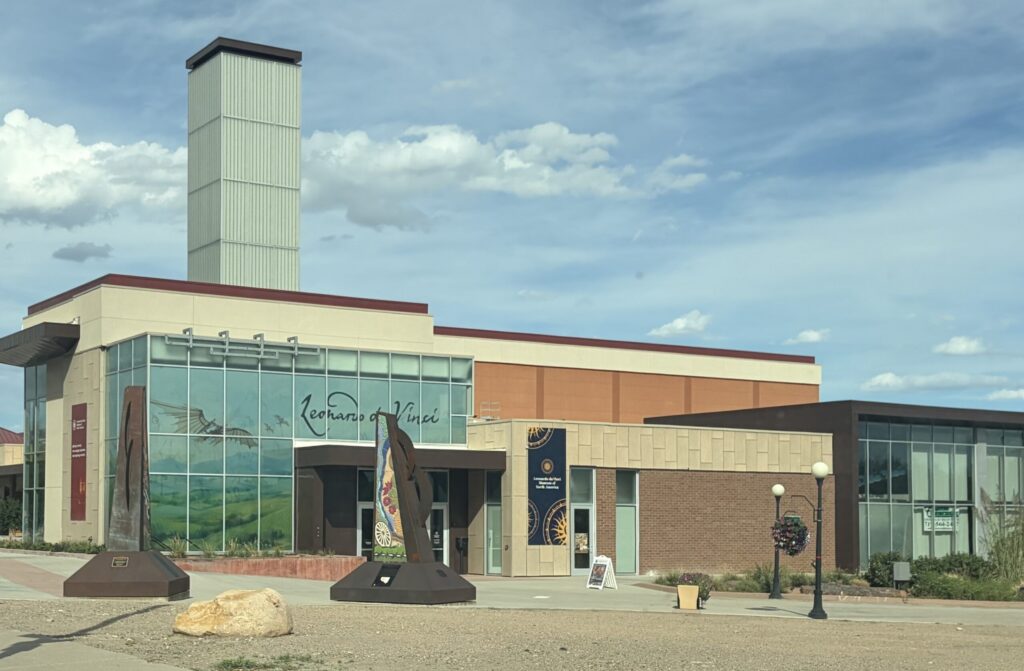
Pueblo City Council postpones vote on $885,000 funding for Leonardo da Vinci Museum
O'Dell Isaac
odell.isaac@gazette.com
Updated 8 hours ago
In a highly contentious meeting that included outbursts, raised voices and several calls for decorum, the Pueblo City Council on Monday postponed its vote on the Leonardo da Vinci Museum’s request for $885,000 in funding from the city’s $60 million...
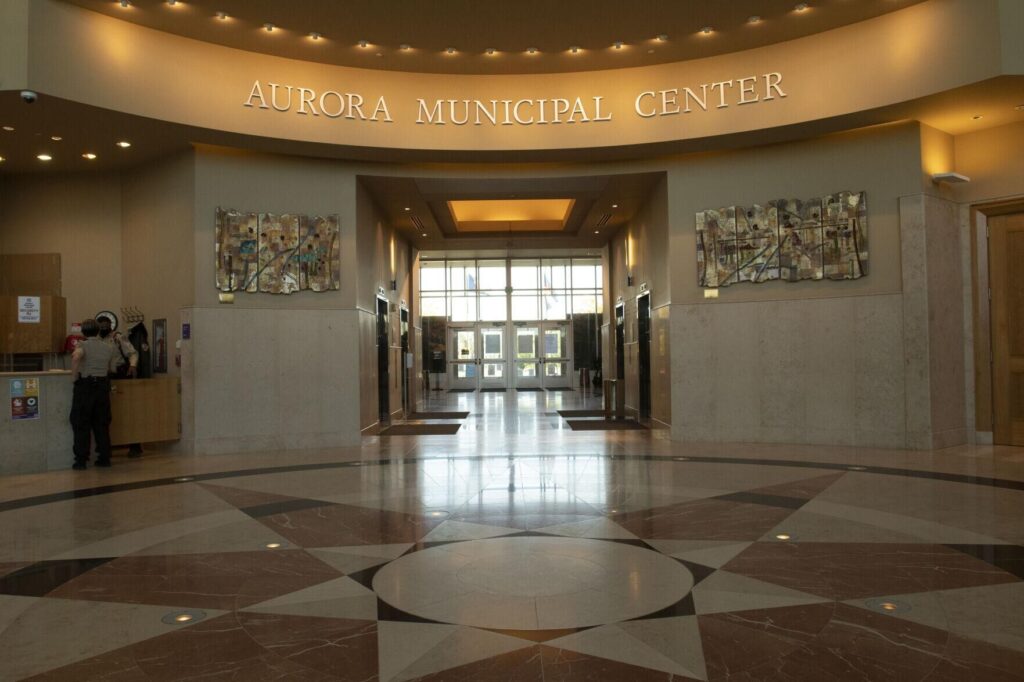
Aurora moves forward with data center regulations
Kyla Pearce
kyla.pearce@gazette.com
Updated 1 day ago
The Aurora City Council approved moving forward with two new regulations on data centers and directed staff to come back at the next study session with others. At a council meeting in early August, council members directed city management to...

Aurora City Council considers stricter food truck regulations
Kyla Pearce
kyla.pearce@gazette.com
Updated 1 day ago
The Aurora City Council is considering passing laws to limit the number of food trucks on properties in the city and how and when they operate. Councilmember Angela Lawson, who sponsored the ordinance, said she understands the importance of food...

Healthcare Freefall: Longer drives, fewer options for maternity care in Colorado
Thelma Grimes
thelma.grimes@coloradopolitics.com
Updated 3 days ago
Editor’s Note: Colorado’s healthcare system is entering a period of accelerating instability — a “tsunami,” as multiple leaders describe it — driven by collapsing hospital finances, shrinking Medicaid reimbursements, disappearing services and a political fight over who is responsible for...

‘All in Good Taste:’ A delicious way to raise money for a good cause | NONPROFIT REGISTER
Joanne Davidson Special to Colorado Politics
joanne-davidson-special-to-colorado-politics@coloradopolitics.com
Updated 5 days ago
JUNIOR ACHIEVEMENT-ROCKY MOUNTAIN Greenwood Village News: Fundraising dinners abound in these parts, and the one that’s hard to beat is All in Good Taste. This benefit for Junior Achievement-Rocky Mountain is presented by Huntington Bank and held at the Orchard...

Trump reaches deal to halt tariffs on beef for 90 days in bid to lower prices
Rena Rowe
rena.rowe@washingtonexaminer.com
Updated 5 days ago
President Donald Trump announced Friday that he had reached a deal to temporarily ease tariffs on beef imports, saying the move would help lower prices for families as the United States faces a severe cattle shortage and record-high beef prices....
PREV
PREVIOUS

Colorado business groups host gubernatorial forum Thursday
Several business groups are hosting a forum among gubernatorial candidates on Thursday morning. The candidates attending are Democratic Attorney General Phil Weiser and U.S. Sen. Michael Bennet, and Republicans Sen. Barb Kirkmeyer and Victor Marx. The forum will take place from 7 to 9:30 a.m. at the Infinity Park Event Center in Glendale. The organizers […]

Former state Senate candidate arrested in Colorado Springs murder
Editor’s note: This story has been updated regarding endorsements for Timothy Arvidson going back to his state Senate campaign in 2024. Colorado Springs police arrested a former state Senate candidate for allegedly shooting and killing a man in the 1900 block of Calle Da Seville on Sunday, according to a news release by the department. […]