

Denver stops new data centers for 12 months
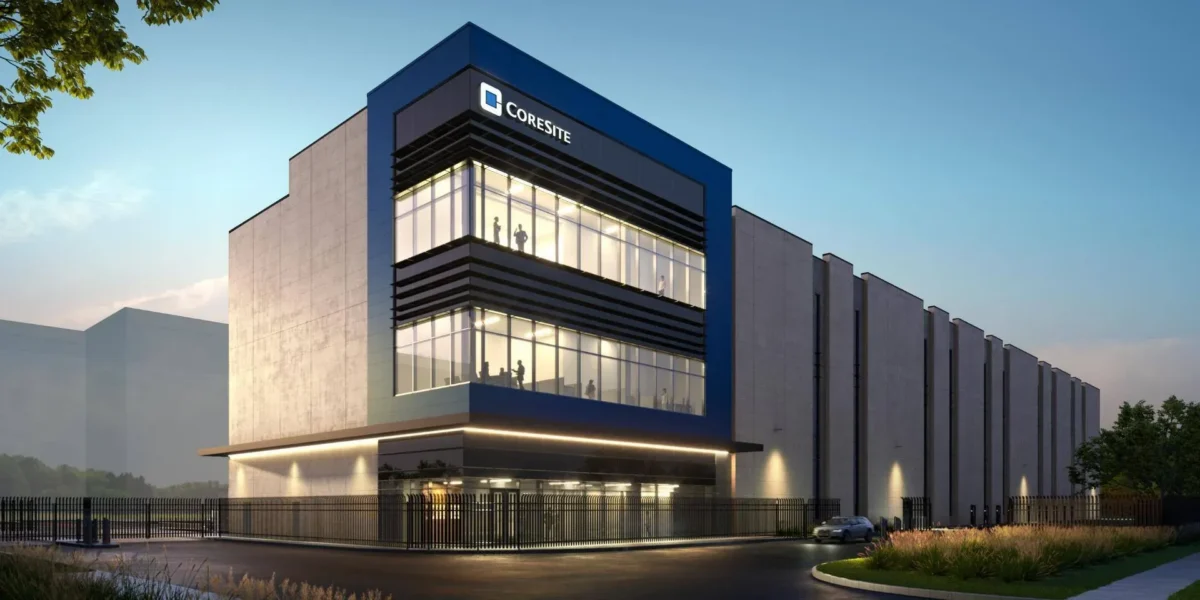
Denver just slammed on the brakes on new data centers Monday after members of the Denver City Council voted unanimously to impose a one-year moratorium on permits and site development plan applications for data centers as the proposed primary use.
Close to 60 individuals signed up for the required public hearing preceding the vote.
The moratorium will take effect May 21 and will include the formation of a working group tasked with assessing the impacts of data center development and crafting policy recommendations in line with current city plans.
Because data centers are not specifically regulated within the City and County of Denver and have no specific permitting requirements, city officials argue a temporary moratorium is needed, giving Denver time to develop “thoughtful regulations” that address community safety and equity.
At this time, the CoreSite DE3 facility is the only permitted data center under construction in Denver’s Globeville Elyria-Swansea neighborhood.
The new 170,000-square-foot data center is situated at 4900 N. Race St., adjacent to the National Western Stock Show complex, and would not be affected by the new ruling, but the company’s two future sites would be subject to any new regulations that come forth from the working group.
“As a critical infrastructure provider, CoreSite recognizes the importance of responsible growth and environmental stewardship,” Megan Ruszkowski, CoreSite’s vice president of marketing, told The Gazette in a written statement. “Innovation and investment in Denver’s digital economy can co-exist with smart land use and environmental standards.”
For some, the pause is not enough. They argue Denver should use the moratorium as a bridge to a full and permanent ban.
However, for others, a moratorium, whether temporary or otherwise, signals that Denver is “not open for business.”
“This moratorium, however well intentioned, sets a troubling precedent for how Denver engages with the local and global business community, and we want to offer a better path forward,” Metro Denver Economic Development Corp. Vice President Daniel Riley said. “Let me be clear, the Metro Denver EDC does take seriously the concerns that have been raised around energy consumption, water use, community engagement; those are legitimate policy questions, and the community and the city of Denver are right to want answers, but a blanket moratorium on an entire industry is not the right tool to get there.”
Labor proponents contend that data centers will provide substantial employment opportunities not only in technology but also for pipe fitters, welders, and service providers.
“In addition to the immediate construction work, data centers create long-term employment opportunities for ongoing maintenance, equipment upgrades, retrofits, expansions, and operational support,” said Sergio Cordova, who represents Denver Pipefitters Local 208. “Those projects also help sustain apprenticeship programs and provide opportunities for younger workers to build long-term careers in the trades.
But community pushback is gaining momentum in Denver and other cities. Across the country, 69 jurisdictions have implemented active data center moratoriums, according to the U.S. Data Center Moratorium Tracker.
At least 25 proposed data centers were scrubbed last year – four times as many as in 2024 – after local protests, according to research by Heatmap, an energy news website.
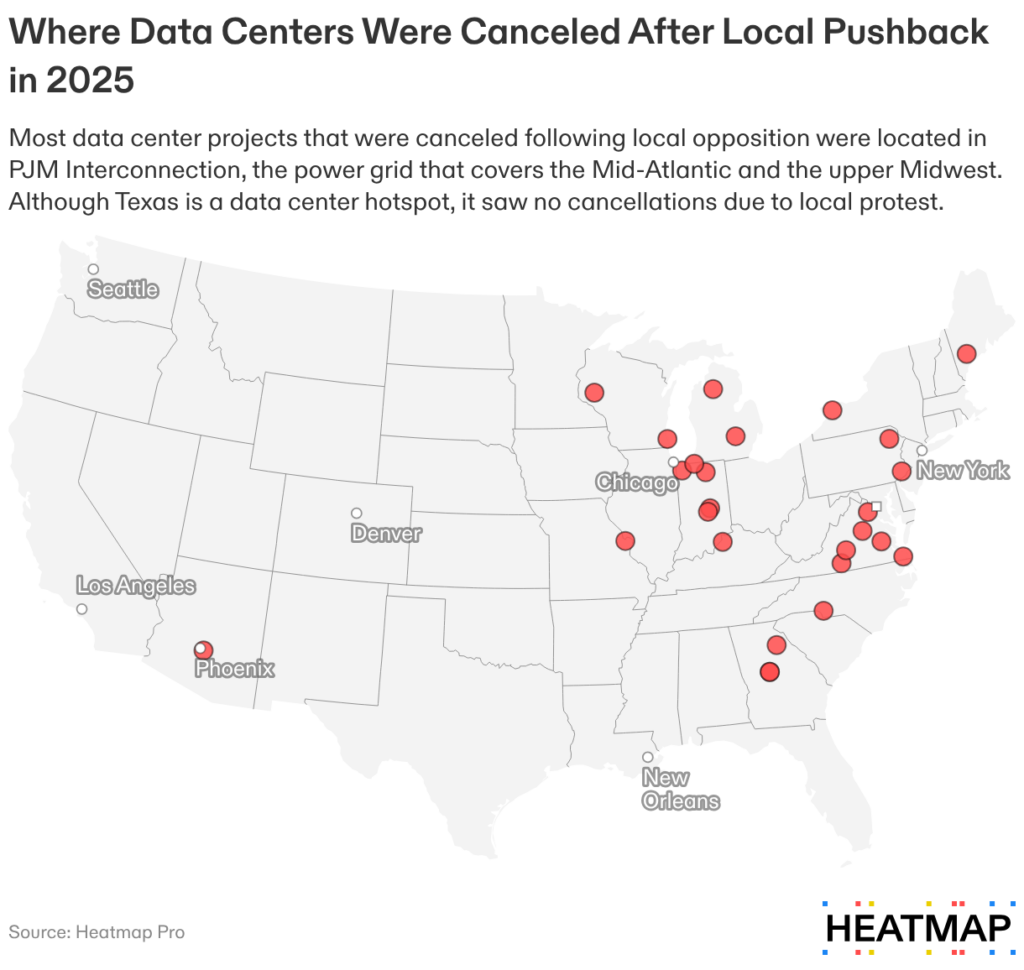
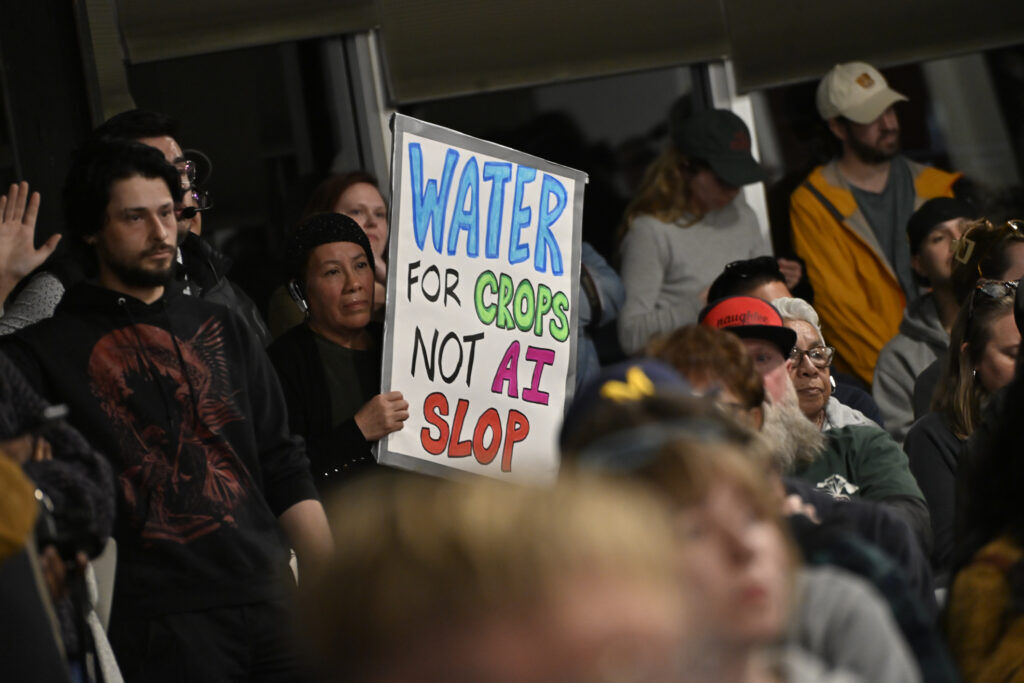
Data center opponents cite concerns about water use, noise pollution and the extraordinary strain on local power grids.
Colorado lawmakers killed competing bills to regulate large data centers, leaving the facilities’ regulation in the hands of the Colorado Public Utilities Commission for now.
The action leaves the state without new statewide rules even as those opposed to data centers warn the facilities could drive soaring electricity demand, higher utility bills and water-use worries. Industry representatives call such concerns overblown.
Denver City Council member Kevin Flynn remarked that the city’s zoning code has not kept up with the expansion and rapid acceleration of technology.
“The (data center) facility that’s under construction now, I think, was approved under the general category of storage and trade facilities, which really doesn’t speak to what this facility is,” Flynn said. “I know we’ve had data centers for decades, but the type and the technology and the resources they require have accelerated at almost a superhuman pace, and it’s hard to visualize what society and technology will be like in 10 years from now.”
Earlier this year, residents of Denver’s Elyria-Swansea neighborhood pushed back against the construction of the CoreSite data center, citing not only environmental concerns but also the city’s failure to adequately notify them before approving it.
Denver City Council President Amanda Sandoval offered a public apology for not stopping the CoreSite data Center when the company came to the city asking for tax breaks in October 2024.
“I just want to say to the members and residents in the Globeville Elyria-Swansea neighborhood, I’m sorry that I did not stop that data center when we were asked for a $9 million tax incentive,” Sandoval said. “I just want to personally take a moment and apologize to you all, because that was a misstep in thinking about what was being brought to us by the administration.”
Gazette’s Scott Weiser contributed to this report.


Colorado business confidence improves but still pessimistic
Bernadette Berdychowski
bernadette.berdychowski@denvergazette.com
Updated 4 days ago
Halfway into the year, business confidence across Colorado has improved but is still negative, a new report found. The Leeds Business Confidence Index, a measurement of how business leaders across Colorado feel about the future of the national and state...

Xcel franchise renewal clears first Denver City Council committee hurdle
Scott Weiser
scott.weiser@gazette.com
Updated 5 days ago
More than $180 million a year in franchise fees, infrastructure relocation savings and undergrounding funds would continue flowing to Denver under a proposed 20-year franchise agreement with Xcel Energy. It cleared a major City Council hurdle Tuesday, while adding new...

Nomination deadline announced for National Philanthropy Day awards | NONPROFIT REGISTER
Joanne Davidson Special to Colorado Politics
joanne-davidson-special-to-colorado-politics@coloradopolitics.com
Updated 7 days ago
ASSOCIATION OF FUNDRAISING PROFESSIONALS Denver News: Colorado chapter of the Association of Fundraising Professionals has set 5 p.m. July 17 as the deadline for submitting nominations for the 2026 National Philanthropy Day Awards. The nomination process is simple, assures DeAnn Acosta, the association’s executive director, with forms and...

When sushi meets schools in rural Colorado, everyone wins | NONPROFIT REGISTER
Joanne Davidson Special to Colorado Politics
joanne-davidson-special-to-colorado-politics@coloradopolitics.com
Updated 3 days ago
NATHAN YIP FOUNDATION Greenwood Village By JOANNE DAVIDSON SPECIAL TO COLORADO POLITICS News: Sushi-lovers from Denver and beyond know that they’re in for a treat when the Nathan Yip Foundation hosts its annual Sushi Party. The rush to purchase tickets begins months in advance...
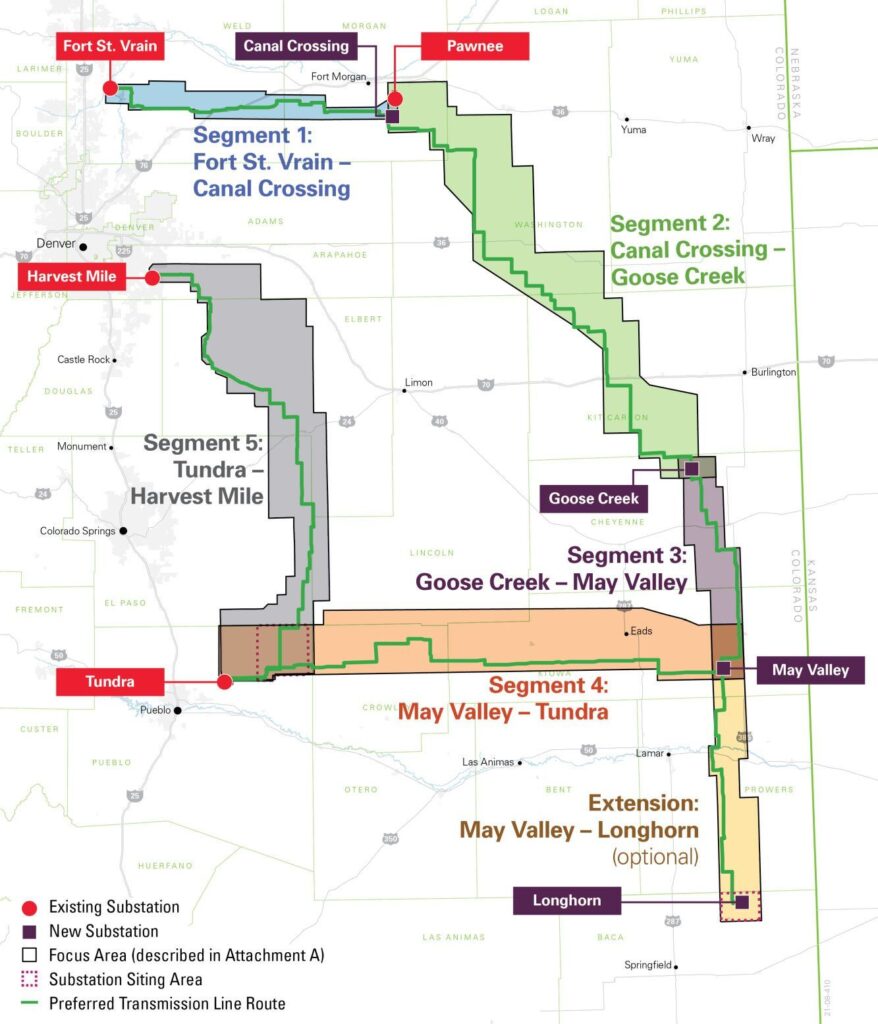
Elbert County takes transmission dispute with Xcel to court
Scott Weiser
scott.weiser@gazette.com
Updated 5 days ago
Elbert County filed a lawsuit in Elbert County District Court to challenge the state’s approval of Xcel Energy’s preferred route for a major transmission line, marking the latest escalation in a dispute over how much weight local land-use decisions should...

Court snuffs out challenge to Denver’s flavored tobacco ban
Deborah Grigsby
deborah.smith@denvergazette.com
Updated 1 week ago
The smoke finally cleared in Denver’s battle over a citywide ban on flavored tobacco products when a Denver court dismissed a challenge from local vape shop owners seeking to declare the ordinance unconstitutional and block its enforcement. On Wednesday, Denver...
Homeless recruits of ‘The Program’ say they were told to sign NDAs amid investigations in Colorado
David Migoya
david.migoya@gazette.com
Updated 2 weeks ago
Several formerly homeless people — each drawn into an Aurora-based enterprise known as “The Program” that promised free housing and cash in return for letting a home-health business administer prescriptions they were given — said they were pressed into signing...
Homeless recruits of ‘The Program’ say they were told to sign NDAs amid investigations in Colorado
David Migoya
david.migoya@gazette.com
Updated 2 weeks ago
Several formerly homeless people — each drawn into an Aurora-based enterprise known as “The Program” that promised free housing and cash in return for letting a home-health business administer prescriptions they were given — said they were pressed into signing...
Colorado’s haze lawsuit tests coal plant closure | ANALYSIS
Scott Weiser
scott.weiser@gazette.com
Updated 2 days ago
Colorado is asking a federal appeals court to overturn the U.S. Environmental Protection Agency’s decision to reject the state’s plan to reduce haze at national parks and wilderness areas. At the center of the fight is a straightforward but difficult...

Colorado’s ‘right to natural gas’ measure submits signatures to qualify for November ballot
Marissa Ventrelli
marissa.ventrelli@coloradopolitics.com
Updated 1 week ago
A natural-gas rights initiative backed by Advance Colorado is likely headed to the November ballot, triggering a parallel campaign by environmental groups seeking to impose new liabilities on oil and gas operators. Petitions for Initiative No. 177 were turned in...
PREV
PREVIOUS

Air Force Academy graduation will feature Vice President JD Vance
The Air Force Academy announced Tuesday that Vice President JD Vance will serve as the speaker for the academy’s commencement ceremony May 28 at Falcon Stadium. Vance was sworn into office on Jan. 20, 2025. He previously served as a U.S. senator from Ohio and is a Marine Corps veteran who served on active duty […]

Business leaders see 'cracks' in Colorado, while governor insists state is 'competitive'
How does Colorado get back to the climate in the early 2000s, when there was collaboration between state government, companies and colleges and universities? That was the question posed to Gov. Jared Polis and a panel convened Tuesday by the Metro Denver Chamber of Commerce as part of its annual state of the state luncheon […]