

Colorado governor signs bipartisan law to close gaps in competency-to-stand-trial system
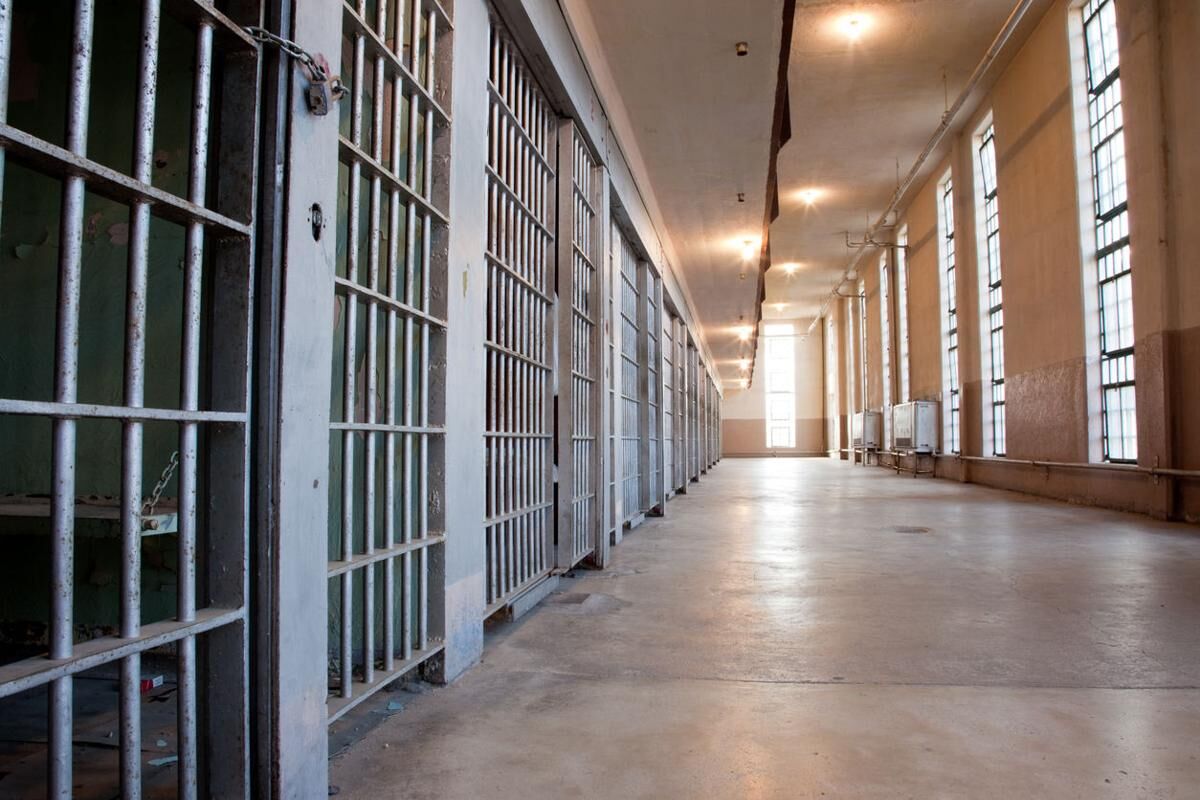
Gov. Jared Polis has signed a bipartisan bill that closes gaps in Colorado’s criminal justice system for people whose charges are dismissed after they are found incompetent to stand trial.
“This is a major step forward to keep Coloradans and our communities safe,” said Polis. “It is not right for someone who is a serious danger to themselves or others to be released into the community without resources or proper care. This law updates Colorado’s competency process, provides important funding for bed capacity, invests in services, and protects public safety. Keeping the status quo was not an option.”
Sponsors introduced Senate Bill 149 in response to growing concerns about how the state handles people who are found incompetent to stand trial.
According to sponsor Sen. Judy Amabile, D-Boulder, many people are released after their charges are dropped, only to find themselves without anywhere to go.
While some individuals are sent to the state mental hospital in Pueblo, others — especially those found incompetent for reasons unrelated to mental illness, such as traumatic brain injuries or dementia — are released back onto the streets without support or treatment. Many end up reoffending.
Under Senate Bill 149, district and county attorneys can petition for civil commitments or enhanced protective placements for defendants with mental or developmental disabilities who have committed violent or sexual offenses and are considered a danger to themselves or others.
Courts are also required to suspend the order dismissing that defendant’s case, set a trial date, and order the state’s Department of Human Services to find an appropriate placement for the defendant.
The bill also includes provisions on review hearings, terminations of civil commitments or enhanced protective placements, and defendants’ rights to modifications to their placement plans.
“Colorado has not done well in this space for a long time,” said sponsor Senate Minority Leader Cleave Simpson, R-Alamosa. “The challenge is, how do you develop this concept for moving from the criminal justice system to the civil justice system? You create resources, bed space, and treatment programs, and fit within the constraints of a budget.”
Senate Bill 149 passed unanimously in both the House and the Senate.


Attorney general candidate Doshi puts ‘Hetal to the metal’ in Colorado Democrat’s 1st TV ad
Ernest Luning
ernest.luning@coloradopolitics.com
Updated 26 seconds ago
Democratic attorney general candidate Hetal Doshi makes clear how to pronounce her first name in the former federal prosecutor’s first TV and digital ad, which launched statewide on Friday, just over two weeks before ballots start going out to Colorado...

As street camera use surges, Colorado legislators grapple with law enforcement, privacy implications
Marissa Ventrelli
marissa.ventrelli@coloradopolitics.com
Updated 23 hours ago
In Boulder, the Flock camera system helped authorities locate the car of the suspect in the firebombing that killed a woman and injured 29 others in June last year. The car had contained explosives, authorities said. In Columbine Valley, authorities...

Colorado is too wealthy to keep cutting basic services | GUEST COLUMN
Colorado Politics
colorado-politics@coloradopolitics.com
Updated 16 hours ago
By Kathy White and Lydia McCoy Colorado is a wealthy state. It may be hard to believe right now because so many of us are feeling the strain. Costs are high. Many families are struggling to keep up. There is...

Denver, Boulder prosecutors call congressional immigration probe ‘political theater’
Marissa Ventrelli
marissa.ventrelli@coloradopolitics.com
Updated 21 hours ago
Elected officials in Denver and Boulder are pushing back after the U.S. House Judiciary Committee opened an investigation into their immigration policies, as part of a broader probe targeting “sanctuary” jurisdictions nationwide. On May 20, U.S. Rep. Jim Jordan, R-Ohio,...
Legal filings escalate tensions in Colorado House District 6 Democratic primary
Marianne Goodland
marianne.goodland@coloradopolitics.com
Updated 22 hours ago
With the Colorado primary just weeks away, the Democratic race in Denver’s House District 6 has erupted into dueling complaints and legal challenges, underscoring the district’s long‑running divide between moderates and progressives. In Denver’s House District 6, the Democratic primary...
Colorado Gov. Polis signs order to block spending on soda, alcohol for official state functions
Marissa Ventrelli
marissa.ventrelli@coloradopolitics.com
Updated 23 hours ago
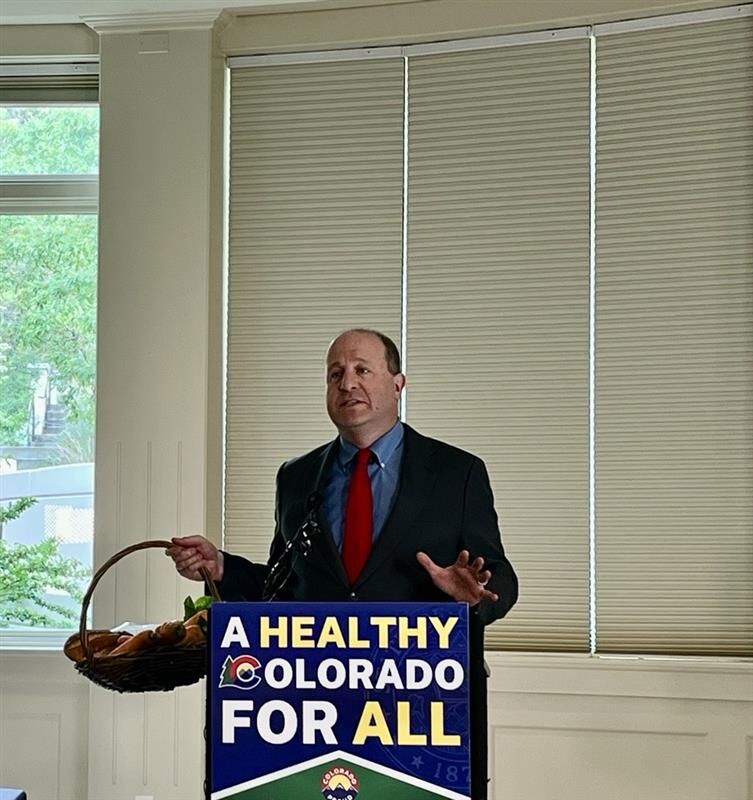
Gov. Jared Polis signed an executive order on Thursday aimed at increasing access to healthy food and promoting outdoor recreation as a form of exercise. “Colorado is one of the healthiest states in the nation, and this is an opportunity...

‘More free time’: Gov. Polis turns Colorado Democratic Party censure into scheduling perk
Marissa Ventrelli
marissa.ventrelli@coloradopolitics.com
Updated 22 hours ago
Facing public rebuke from his own party, Gov. Jared Polis on Thursday brushed off the Colorado Democratic Party’s censure and defended his decision to cut in half Tina Peters’ prison term, saying the case had long troubled him and that...
Colorado Democrats formally rebuke Gov. Jared Polis for shortening Tina Peters’ prison sentence
Ernest Luning
ernest.luning@coloradopolitics.com
Updated 20 hours ago
The Colorado Democratic Party on Wednesday formally censured Democratic Gov. Jared Polis for reducing the prison sentence of Tina Peters, the former Mesa County clerk convicted of election-related felonies, and barred the term-limited governor from speaking or appearing as an...
Polis’ — and the replacement candidates’ — positions on Colorado’s most contested 2026 legislation | Paula Noonan
Paula Noonan
paula-noonan@coloradopolitics.com
Updated 1 day ago
The knock on the word “assume” is it can make an “a**” out of “(yo)u” and “me.” Let’s nevertheless assume the 2026 General Assembly addressed big problems facing the state. Let’s further assume the current governor can move on these...
Gov. Polis signs prison bill targeting Colorado’s overcrowding crisis
Marissa Ventrelli
marissa.ventrelli@coloradopolitics.com
Updated 2 days ago
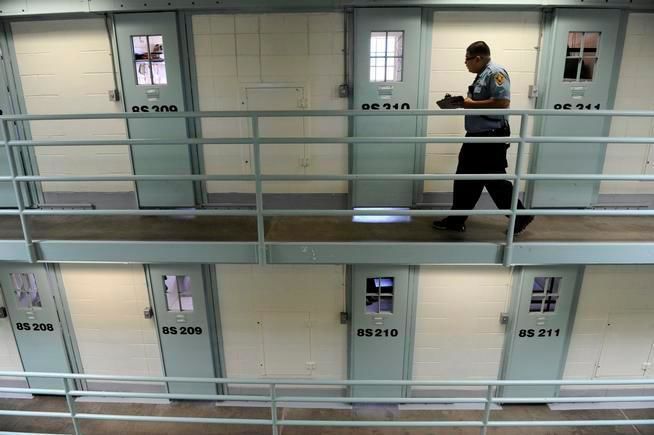
Colorado Gov. Jared Polis on Tuesday signed a corrections bill that seeks to ease chronic overcrowding in state prisons by expanding earned‑time credits and launching a new working group to overhaul population management. Senate Bill 159 establishes a working group...
PREV
PREVIOUS

Colorado Supreme Court to evaluate test for alimony after remarriage
The Colorado Supreme Court announced this week that it will evaluate whether divorcing spouses must explicitly agree that alimony payments from one partner to the other will continue after one person remarries, or whether a “clear implication” will suffice. The purpose of alimony, known in Colorado as “spousal maintenance,” is to assist spouses who cannot be financially […]

Attorney general candidate Doshi puts ‘Hetal to the metal’ in Colorado Democrat’s 1st TV ad
Democratic attorney general candidate Hetal Doshi makes clear how to pronounce her first name in the former federal prosecutor’s first TV and digital ad, which launched statewide on Friday, just over two weeks before ballots start going out to Colorado primary voters. “Colorado, it’s time to put the Hetal to the metal,” the ad’s narrator […]