

As fuel costs rise further, Coloradans may see impacts beyond the pump

With the price of gas rising with no end in sight, many Coloradans first thought will be about how much more they are spending at the pumps.
But rising costs may soon spread to more than just gas, and can have a more all-around impact on your wallet, as spiking diesel prices could lead to an increase in cost for consumer goods.
Fuel costs have spiked since late February due to the ongoing war in Iran, rising two dollars per gallon on average in the Denver area, according to data from GasBuddy. There was a brief respite in late April as average prices dropped about 20 cents before prices surged again to the current average of $4.45 a gallon, with the most expensive gas found in Denver reaching $4.89 a gallon for unleaded.
To put that in perspective, prices in early February averaged about $2.40, with prices being even lower in December, at about $2.13. Some places in metro Denver, such as the Sam’s Club in Arvada, even had gas below $2.
But one part of the rising gas costs that may get less attention is the rise in diesel prices. The price of a gallon of diesel in Colorado has risen at a similar rate to unleaded, going from an average of $3.38 per gallon in early February to its current average of $5.50, according to data from AAA.
Skyler McKinley, a spokesperson for AAA, said an increase in the cost of diesel can affect the price of just about everything. Since so many products in the United States are shipped using commercial vehicles such as trucks, the cost of diesel factors into the price the consumer sees when buying that product at the store.
“Diesel is so foundational to our entire economy,” McKinley said. “Everything gets more expensive, because if you have any product that was brought to you by way of a cargo ship or a commercial motor carrier, the price of diesel factors in.”
McKinley said prices on consumer goods will rise at a different rate than gas prices, which fluctuate often and can rise and fall dramatically over a period of only a few days. He said if diesel prices continue to go up, prices for consumer goods can rise over time, depending on how companies choose to offset the increased cost for shipping products.
McKinley also said diesel fuel is often the same kind of fuel used to heat homes, meaning if the increased prices carry through to winter, Coloradans and Americans may see it cost more to keep their homes warm.

The increase in fuel prices has also created a “perfect storm” for already struggling trucking companies, according to Greg Fulton, president of the Colorado Motor Carriers Association. Fulton said this is the third year of a freight recession, with tariffs reducing the amount of cargo coming into the country. He said over 100,000 trucking companies have gone under since 2022, with bankruptcy rates for trucking companies up 35%.
“Having the rise in diesel prices has added to the pain,” he said. Fulton said many carriers will add a fuel surcharge to shippers to offset the cost, but with how volatile fuel prices are, they often change faster than a surcharge can be added.
“I’ve been in this business about 30 years, and this is probably one of the most challenging times we’ve ever seen for our companies,” Fulton said.
Fulton added onto McKinley’s point of rising consumer goods prices, saying the increase in diesel prices will soon embed itself into “everything.”
“Everything at some point in terms of products in the cycle moves by truck,” Fulton said. “75% of the communities in the state are only served by truck.”


Parker data center could get $19M tax rebate from Douglas County
Nicholas Fogleman
nicholas.fogleman@denvergazette.com
Updated 2 hours ago
At a time when Denver and Front Range governments are restricting or banning data center development, Douglas County commissioners are poised to approve a $19.3 million tax rebate agreement Tuesday for a new data center under construction in Parker. The...

Denver City Council rejects contract that would have given video maker 8-year deal
Deborah Grigsby
deborah.smith@denvergazette.com
Updated 5 hours ago
Denver’s Office of Human Resources will have to get creative to attract new city employees and place them in “hard-to-fill” jobs after a proposed five-year contract extension, valued at $600,000, failed to gain favor with the Denver City Council. The...

Denver Mayor Mike Johnston files to run for reelection in 2027
Michael Braithwaite
michael.braithwaite@gazette.com
Updated 5 hours ago
Denver Mayor Mike Johnston officially filed his paperwork Monday to run again for Denver’s mayoral office next year. The filing comes weeks after Johnston confirmed to The Denver Gazette that he would seek reelection as he focuses the final year...

U.S. Rep. Lauren Boebert’s son arrested, faces charges of sexual exploitation of minor
Matt Kyle
matt.kyle@denvergazette.com
Updated 19 hours ago
U.S. Rep. Lauren Boebert’s son Tyler Jay Boebert has been arrested and accused of recording and sharing a video depicting himself having intercourse with a minor, according to court records. The case originated in Garfield County in Western Colorado and...

Clean and Safe program made nearly 3,000 contacts in first year of downtown Colorado Springs outreach
Brennen Kauffman
brennen-kauffman@coloradopolitics.com
Updated 5 hours ago
The pilot version of the Clean and Safe program in downtown Colorado Springs has hit the one-year mark, marking thousands of contacts with visitors and some intransigent homeless residents. Leaders from the Downtown Partnership presented a progress report to Colorado...
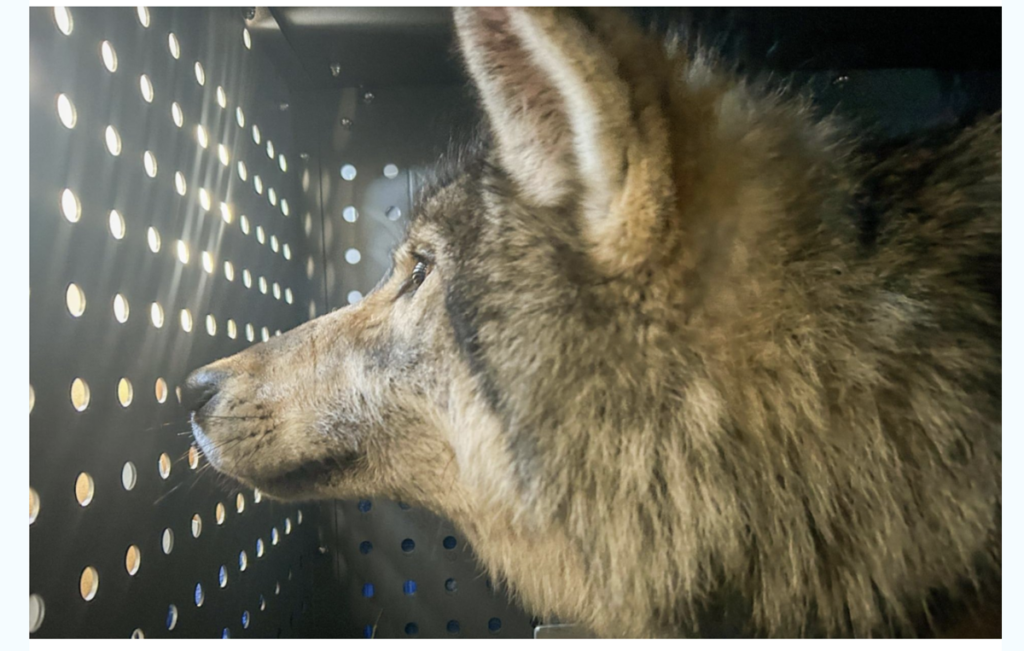
Hunter shot Colorado wolf after mistaking it for a coyote, wildlife office says
Marianne Goodland
marianne.goodland@coloradopolitics.com
Updated 21 hours ago
Colorado Parks and Wildlife said Monday that a female wolf from British Columbia that died in January was shot by a hunter who mistook her for a coyote. The wolf, identified as 2504‑BC, was one of 17 wolves relocated since...
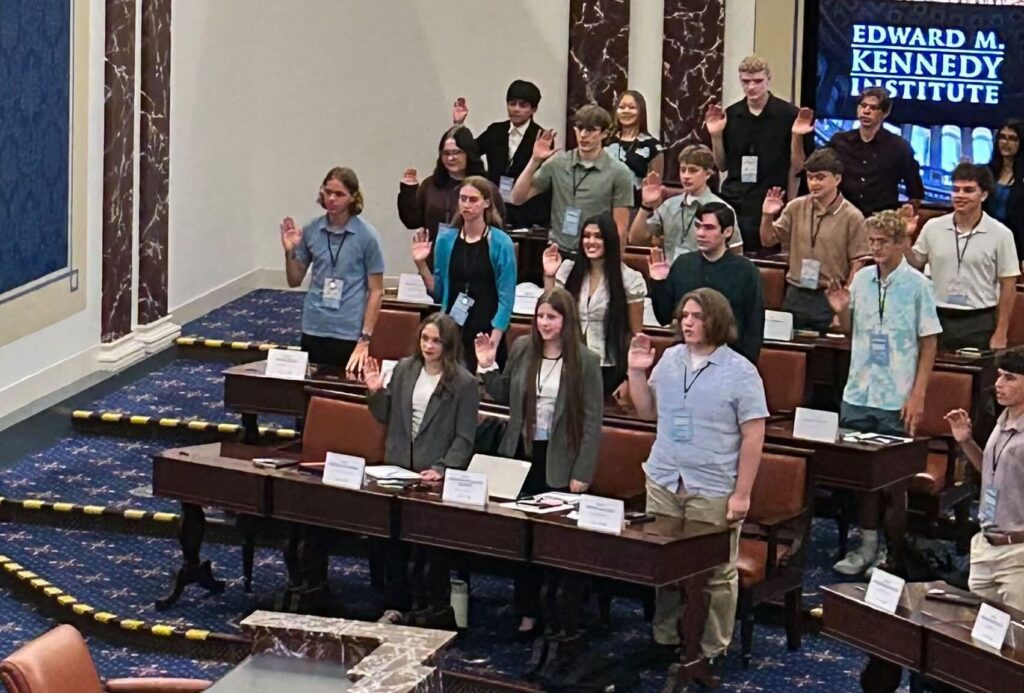
By the students, for the students: Sierra High School represents Colorado in developing national AI framework
Eric Young
eric.young@gazette.com
Updated 19 hours ago
To many, the recent, rapid development of generative artificial intelligence and its lack of frameworks and oversight may evoke comparisons to the unrestrained Wild West in the 1800s or the economic potential of the dot-com boom in the early 2000s....

Colorado’s troubled guardianship office pursues ‘cultural reset’
Marianne Goodland
marianne.goodland@coloradopolitics.com
Updated 18 hours ago
Colorado’s guardianship program, long criticized for mismanagement and high staff attrition, is undergoing a “cultural reset,” as its new director works to repair partnerships and prepare for a major expansion under recent legislation. Created by lawmakers in 2017, the Office...
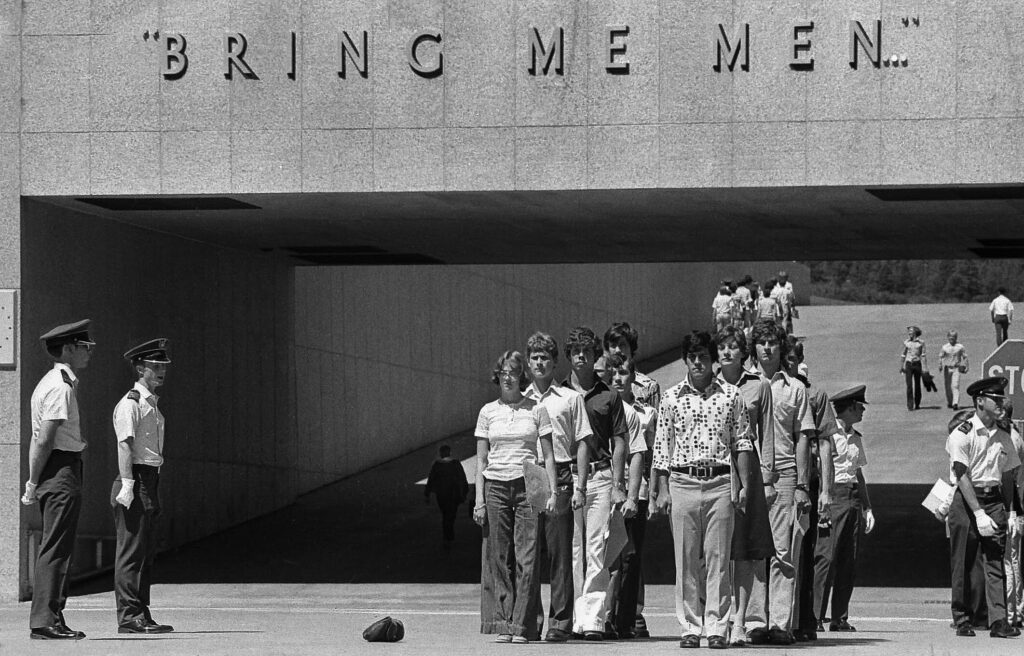
Fifty years later, women reflect on first coed class at the Air Force Academy, struggle for equality
Mary Shinn
mary-shinn@coloradopolitics.com
Updated 3 days ago
When the first female Air Force Academy cadets arrived 50 years ago this summer, they stood in front of an enormous sign on campus that read “Bring me men.” In the shadow of that sign, Kathleen Utley Kornahrens, one of...

Democratic group aims Spanish-language TV ad at Gabe Evans in Colorado’s battleground 8th CD
Ernest Luning
ernest.luning@coloradopolitics.com
Updated 4 days ago
A national group tied to House Democratic leadership launched a six-figure Spanish-language TV ad in Colorado this week targeting Republican U.S. Rep. Gabe Evans and the GOP’s signature budget legislation. The 30-second spot is part of $15 million in new...
PREV
PREVIOUS

Ron Hanks, Scott Bottoms sue to stop Colorado’s unaffiliated voters from participating in June primary
Three Republican candidates in Colorado filed a lawsuit in Denver District Court this week seeking to prevent unaffiliated voters from participating in next month’s primary, arguing that the state’s semi-open primary system violates their constitutional rights by forcing Republicans to let outsiders help choose the party’s nominees. Ron Hanks, Scott Bottoms and David Willson are […]

White House withdraws hospitality executive as National Park Service nominee | OUT WEST ROUNDUP
MONTANA National parks nominee withdrawn BILLINGS — President Donald Trump is withdrawing his nomination of a hospitality company executive to lead the National Park Service, the White House announced on April 27. The withdrawal of nominee Scott Socha comes as the park service has been shaken by widespread firings as part of the Trump administration’s […]