Colorado lawmakers advance bill to tackle Colorado’s prison capacity issues
As lawmakers move the 2026–27 state budget toward completion, they are intensifying efforts to address overcrowding and capacity challenges within the Department of Corrections and related agencies—issues that have contributed to increased spending in the budget.
The state Senate on Friday gave preliminary approval to Senate Bill 159, specifically designed to work on the capacity issue.
The measure, sponsored by Democratic Sens. Julie Gonzales of Denver and Mike Weissman of Aurora, has two components.
One would require the creation of a working group to make recommendations for a corrections capacity management plan, including input from impacted groups.
That’s been part of the Joint Budget Committee’s demand for a comprehensive program outlining how corrections intends to resolve its capacity crisis.
In the 2026–27 budget, the Department of Corrections was authorized to add 941 beds for male inmates, but the locations for those beds are still undecided. Gov. Jared Polis requested funding for two new prisons, a proposal the Joint Budget Committee rejected. Instead, the JBC approved a budget placeholder that would allow the department to contract for beds at two previously closed private prisons in Trinidad and Burlington.
The working group would be tasked with developing recommendations on strategies to assess the efficacy, availability, and gaps in prison programming and clinical care, to drive preparation for release.
Some 4,600 inmates in the corrections system are past their mandatory parole dates, but the lack of parole officers and community corrections approvals has kept those inmates from being released.
The report should also identify “bottlenecks and inefficiencies” in the release process, cross-agency coordination, victim notification, and ensure that services are available to help inmates gain release.
The working group will include representation from corrections, the public defender’s office, the division of criminal justice in the Department of Public Safety, which includes community corrections, a district attorney or someone from the Colorado District Attorney’s Council, a crime victim or someone from an advocacy group, a representative from community corrections, medical and behavioral health representatives, a former inmate or someone from an advocacy group, someone with experience in community-based re-entry services and a current or former member of the state parole board.
The working group’s report is due June 30, 2028, although an interim report is due this December.
“…We didn’t get into this pickle in a day, and we’re not going to get out of it in a day,” Weissman said Friday.
The second part of the bill deals with earned time, and the introduced version drew opposition from district attorneys. They were still reviewing proposed amendments when the bill was presented to the Senate Judiciary Committee on April 13.
Under current law, everyone can earn 10 days per month for behaving while in prison. A 12-day cap is currently available to offenders sentenced for certain low-level felonies if they behave, according to Weissman.
As amended by the Senate on Friday, SB 159 increases that to 14 days.
Weissman explained to the Senate that corrections “has to encompass two realities at once. One is that people do some bad things sometimes, and they need to be punished for that. And that’s why they’re in the first place.”
The other is that people can change, and the bill – as well as the current system – wants to incentivize that change through earned time. “Any correctional administrator will tell you they need an incentive for good behavior inside,” Weissman said.
The earned time component will help people become eligible sooner, but Weissman noted the inmate still has to convince the parole board they’re ready for release.
Sen. John Carson, R-Highlands Ranch, was among the opposition, noting that the legislature’s philosophy of “early release, early release, early release” is at odds with the general public’s views.
While some people believe the purpose of prison is to rehabilitate, far more believe it is to punish and protect public safety, Carson said.
He offered an amendment stating that, even with earned time, an inmate who commits a violent crime would be required to serve 85% of the sentence.
That was in a ballot measure approved by voters in 2024, Carson noted. He said his amendment would send a message that voters have said they’re not interested in continual efforts to promote more early release.
Weissman said the amendment would not only gut the bill’s language on earned time but also the current state law. Gonzales added that amendments like that are why the state needs two more private prisons.
The amendment was rejected.
A failed amendment from Assistant Minority Leader Sen. Lisa Frizell of Castle Rock would strike a section of the bill that grants up to 60 days earned time to inmates who demonstrate “exceptional conduct that promotes safety of correctional staff, volunteers, contractors, or others.” That’s pretty subjective, Frizell said.
The exceptional conduct standard could apply, Weissman told Colorado Politics, to an inmate who stops an inmate attack on a correctional officer, for example.
Frizell argued that if a person is incarcerated, there should be an expectation that the inmate is doing the right thing.
SB 159 now moves to a final vote in the Senate and then to the House.
A second bill addressing the corrections crisis is Senate Bill 36, which would modify the state’s current prison population management measures.
The management system was created in 2018 with the General Assembly’s unanimous support. But as prison populations grew, due to high numbers of inmates who weren’t getting released, the trigger for implementing those measures didn’t take place until last year.
The current trigger is when vacancy rates in the corrections system fall to 3%; under SB 36, it will increase to 4%. The vacancy rate will also include the number of inmates headed to prison who are currently housed in local jails.
Once the PPRM is triggered, under the bill, the Office of Community
Corrections must provide information on available community beds and assess how they can expand capacity for transition beds.
That division, within the Department of Public Safety, showed more than 400 available beds on a census day last February.
Once approved by the judiciary committee, the bill will move on to the Senate Appropriations Committee, where it will be heard next week.

Governor’s wildlife commission picks face pushback ahead of Colorado Senate hearing
Marianne Goodland
marianne.goodland@coloradopolitics.com
Updated 3 hours ago
Colorado’s largest coalition of hunters, anglers, and wildlife conservation groups is urging state lawmakers to reject two of Gov. Jared Polis’ latest nominees to the Colorado Parks and Wildlife Commission, setting up a contentious confirmation hearing before the Senate Agriculture...
Cannabis overhaul introduced in Colorado Senate
Chris Osher
chris-osher@gazette.com
Updated 3 hours ago
Colorado lawmakers on Wednesday introduced a measure that, if approved, would place a ballot proposal before voters this fall that contains changes backers say would improve consumer safety and overhauls how the marijuana industry is taxed. The proposed ballot initiative would fund a testing...
Colorado House passed a bill raising threshold for agriculture overtime by one vote
Marianne Goodland
marianne.goodland@coloradopolitics.com
Updated 7 hours ago
The bill that would raise the overtime threshold for overtime pay for certain agricultural workers won the narrowest of votes Thursday in the Colorado House. Senate Bill 121 won a 33-32 vote, a dramatic difference from votes cast Wednesday on...
Colorado’s $46.8 billion budget nears finish line
Marianne Goodland
marianne.goodland@coloradopolitics.com
Updated 24 hours ago
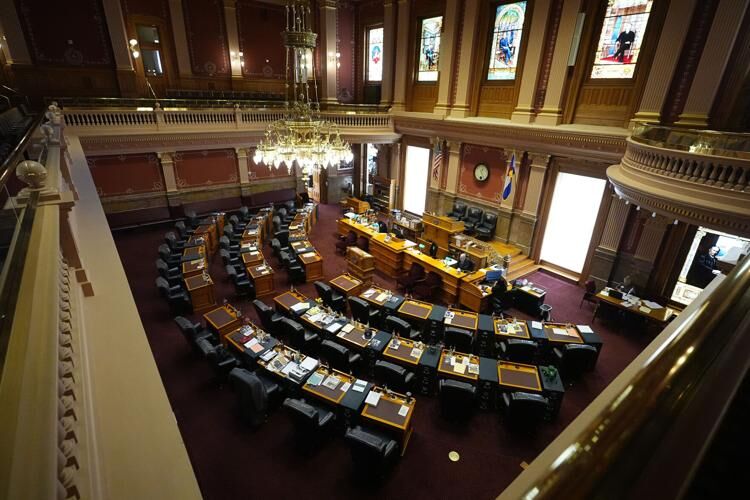
The Colorado Senate on Thursday voted largely along party lines to approve $46.8 billion in spending for the next state budget. The spending plan is bigger than what legislators originally approved for the current fiscal year’s budget, driven by increases...
Colorado Senate passes bill for voluntary $5 fee to fund wildlife crossings
Scott Weiser
scott.weiser@gazette.com
Updated 24 hours ago
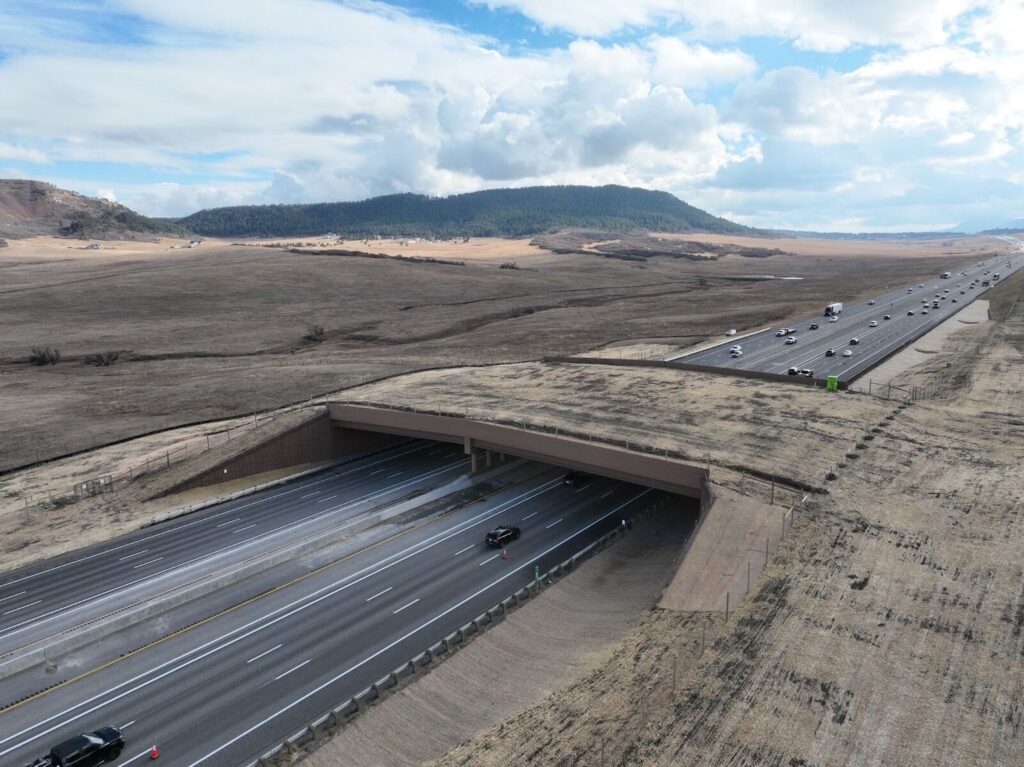
The Colorado Senate approved bipartisan legislation allowing drivers to voluntarily pay an extra $5 when registering their vehicles to help finance wildlife crossings and reduce the growing number of dangerous collisions between cars and animals on state highways. In 2024...
DPS names panel to shape $43M tax hike
Nico Brambila
nico.brambila@denvergazette.com
Updated 3 hours ago
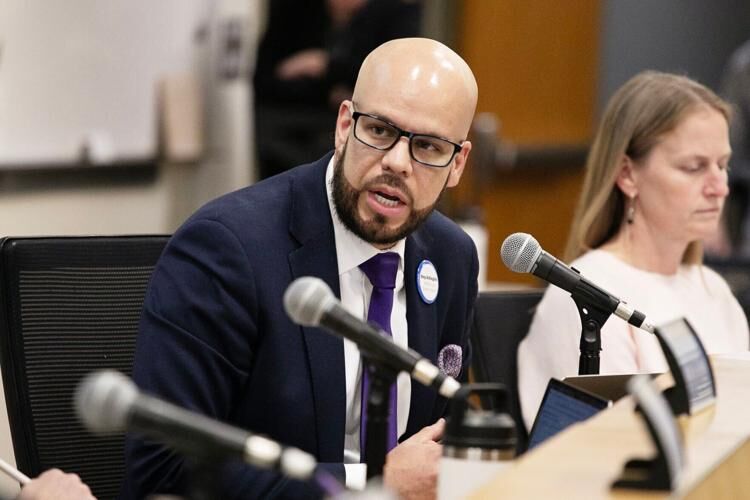
A newly appointed Mill Levy Override Advisory Committee has been tasked with deciding how Denver Public Schools should spend more than $40 million in additional revenue, should voters approve the tax hike in November. The district received about 30 applications...

Colorado awards $26M in tax incentives to keep aerospace company in state
Bernadette Berdychowski
bernadette.berdychowski@denvergazette.com
Updated 3 hours ago
A technology company in the aerospace and defense industry is looking to expand and could bring 1,250 jobs to Colorado if it chooses to continue growing in the state. The Colorado Economic Development Commission approved $26 million in job growth...
9 Colorado hospitals at risk of closing due to Medicaid cuts
Nico Brambila
nico.brambila@denvergazette.com
Updated 1 day ago
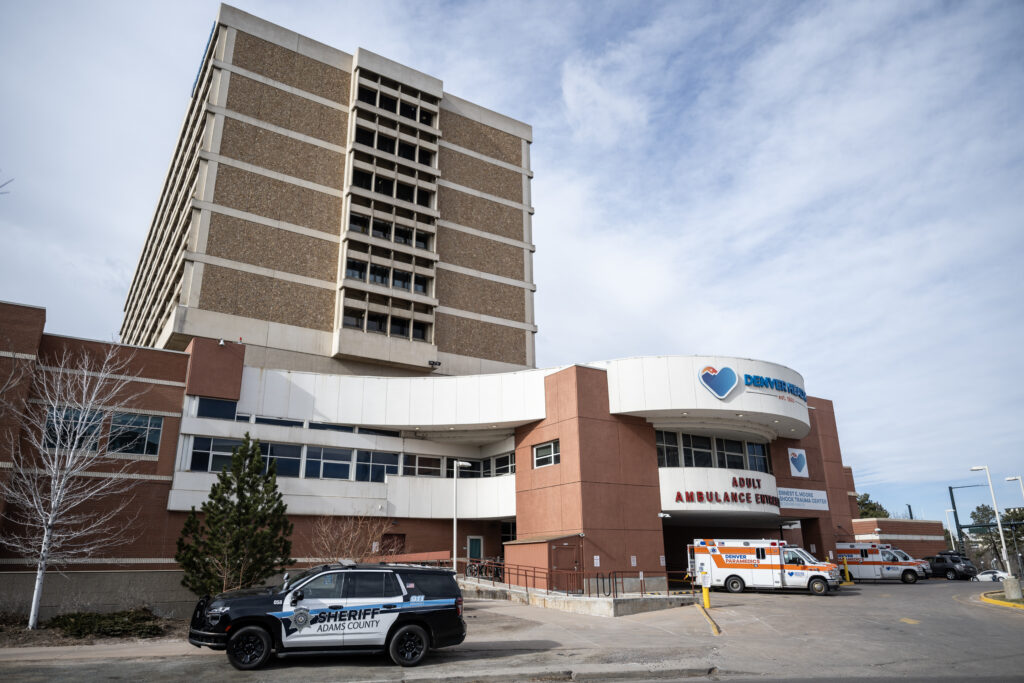
The $900 billion in Medicaid cuts over the next decade could threaten the viability of more than 400 hospitals nationally and at least nine in Colorado, a new report has found. The hospitals span the Front Range and rural communities,...
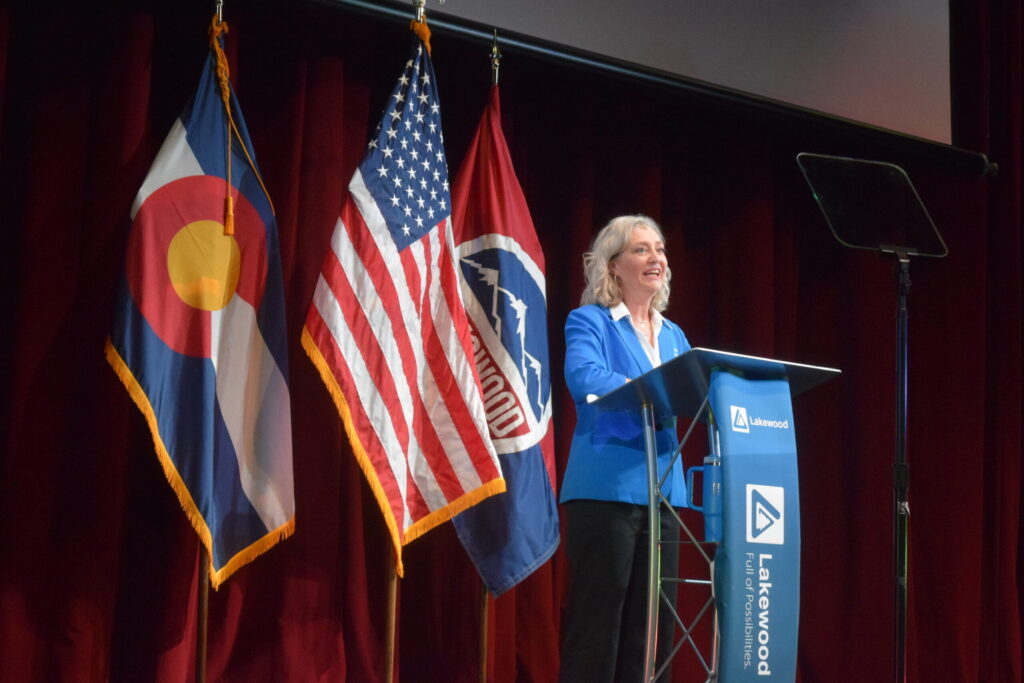
Lakewood mayor calls for unity, community in State of the City speech
Sage Kelley
sage.kelley@denvergazette.com
Updated 1 day ago
Lakewood held its first State of the City address since 2018 on Wednesday — timing Mayor Wendi Strom attributed to fate. “We got bumped a few times on dates,” Strom said to a room of nearly 100 residents and officials....

Colorado Senate reworks key programs, gives preliminary nod to $46B budget
Marianne Goodland
marianne.goodland@coloradopolitics.com
Updated 1 day ago
With the Senate’s traditional Budget Day barbecue setting a lighter tone, lawmakers worked through the $46.8 billion state budget Wednesday, navigating a long list of amendments but avoiding the partisan clashes that defined the House debate last week. The Senate...