

Colorado Senate passes bill for voluntary $5 fee to fund wildlife crossings
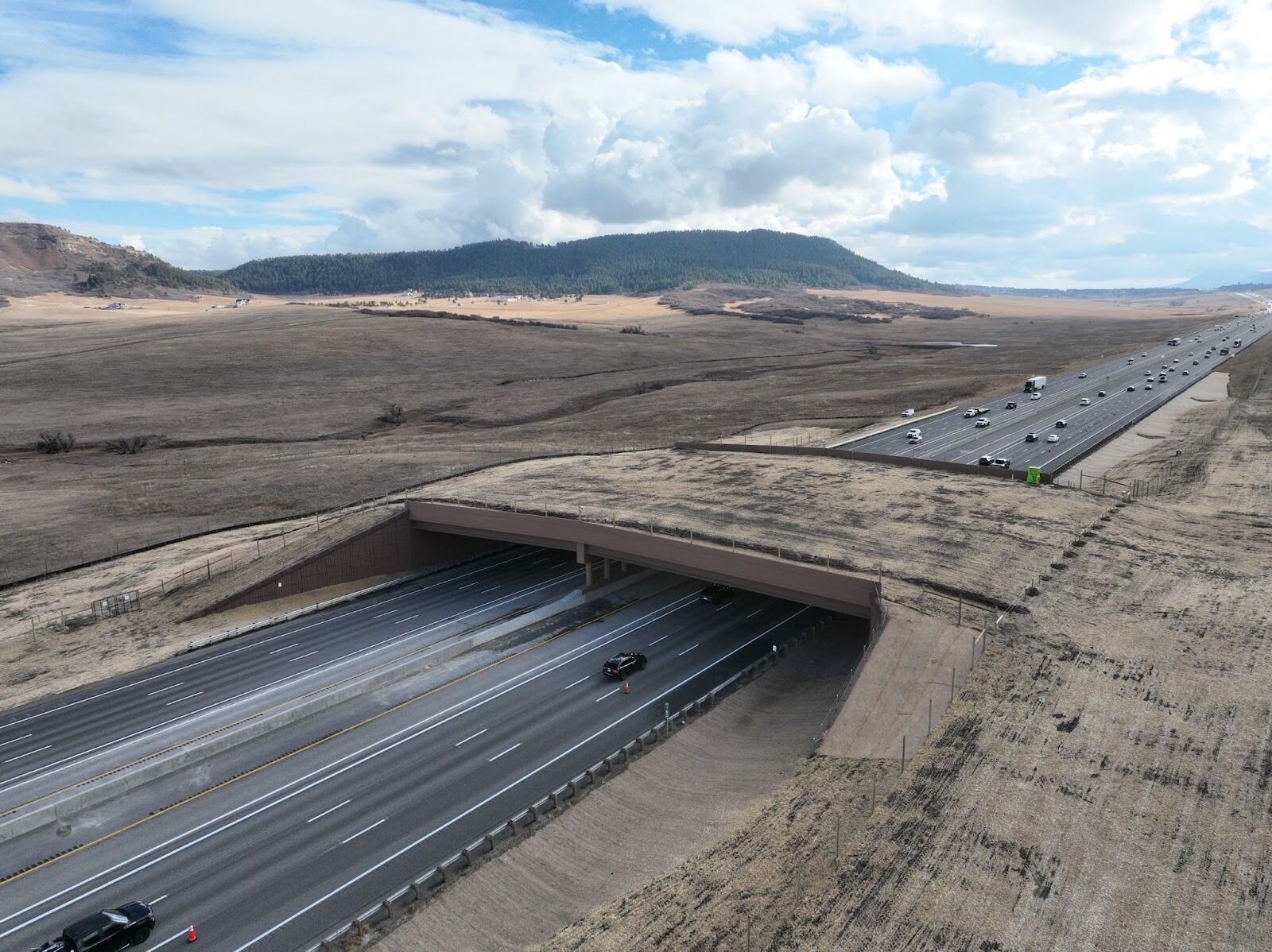
The Colorado Senate approved bipartisan legislation allowing drivers to voluntarily pay an extra $5 when registering their vehicles to help finance wildlife crossings and reduce the growing number of dangerous collisions between cars and animals on state highways.
In 2024 alone, more than 3,500 such incidents occurred on Colorado roads.
The bill titled SB26-141, sponsored by Sen. Dylan Roberts, D-Frisco, and Senate Minority Leader Cleave Simpson, R-Alamosa, now heads to the House for consideration after it was passed Monday. The measure aims to create a funding stream for wildlife safe-passage infrastructure at a moment when federal grants that have supported such projects are scheduled to end.
“There’s very little that we can do in government that is over 90% effective — but wildlife crossings are that rare solution,” Roberts said. “This infrastructure is proven to reduce collisions with wildlife, protect humans and animals, and save drivers money.”
The optional fee would take effect in 2027 for passenger vehicles, light trucks, motorcycles and recreational vehicles. Motorists not paying the fee face no penalty.
Legislative analysts project the fee would raise roughly $2 million in partial-year revenue during fiscal 2026-27 and about $3.9 million annually, based on expected participation rates.
Seventy-five percent of the revenue would go to a new Collision Prevention Fund managed by the Colorado Department of Transportation for construction and for matching funds for federal grants. The remaining 25 percent would support habitat connectivity on either side of the crossings.
Conservation groups including the Colorado Wildlife Federation, Roaring Fork Safe Passages and the League of Women Voters of Colorado have voiced strong support. League volunteer lobbyist Janine Reid told senators the $5 voluntary fee is “very reasonable” and would help build more infrastructure despite tight budgets and reduced federal support.
State data show wildlife-vehicle crashes remain a persistent safety issue. Between 2010 and 2025, such collisions resulted in 52 motorist fatalities and more than 400 serious injuries while generating an estimated annual economic cost exceeding $300 million.
Wildlife crossings paired with proper fencing have reduced collisions by 80 to 97 percent in treated corridors nationwide, according to federal and state transportation studies.
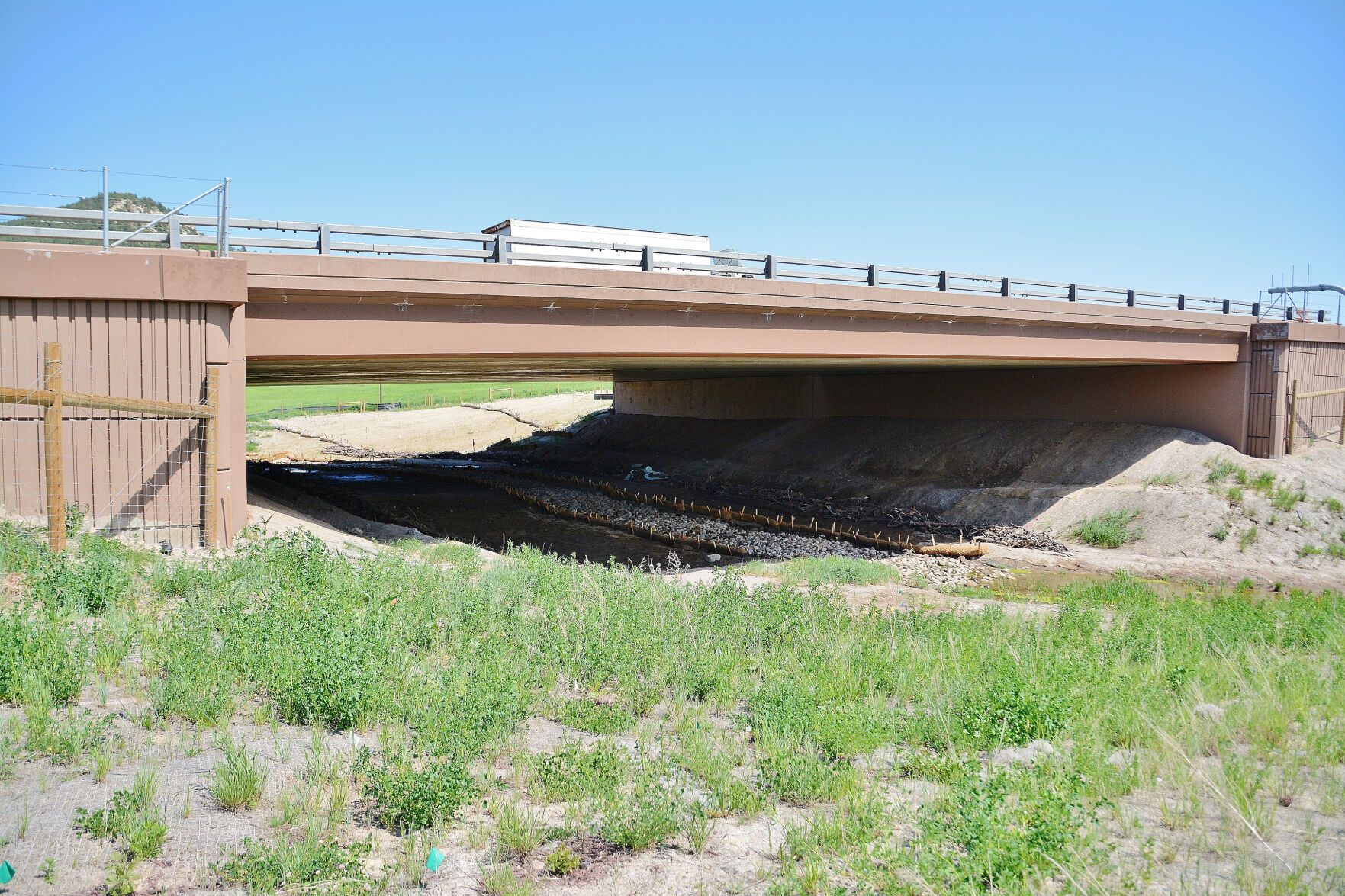
Colorado already has 95 crossing structures statewide. See the map from CDOT for details on each.
The newest one is the I-25 Greenland wildlife overpass near Larkspur in Douglas County, completed in December 2025 and described as North America’s largest by surface area. The 200-by-209-foot structure spans six lanes and connects 39,000 acres of habitat for elk, pronghorn, mule deer, bears and mountain lions.
“The I-25 Greenland wildlife overpass is critical to the safety of both wildlife and motorists,” said CDOT Executive Director Shoshana Lew in a December 2025 statement. “The overpass is an essential component of the wildlife crossing system in this area, which is expected to reduce wildlife-vehicle crashes by 90%.”
The Greenland project filled a 3.7-mile gap in the I-25 South Gap improvements between Castle Rock and Monument. Before the full system of underpasses, fencing and this overpass was in place, drivers in the corridor experienced an average of one wildlife-vehicle crash per day during peak fall and spring migration seasons.
Gov. Jared Polis highlighted the broader significance when the overpass opened.
“Colorado is leading the way in reducing wildlife-vehicle collisions and improving safety for both our motorists and wildlife,” Polis said in a December 2025 release. “The I-25 Greenland wildlife overpass is a momentous feat in our continued work to expand safe transportation options for both humans and wildlife, protecting critical habitat, and our amazing outdoor spaces for generations to come.”
The project was built through a partnership with the Federal Highway Administration, Colorado Parks and Wildlife, Douglas County and local land trusts, with most funding from a federal grant under the Wildlife Crossings Pilot Program created by the 2021 federal Infrastructure Investment and Jobs Act. That pilot program is scheduled to conclude after fiscal 2026.
Supporters of SB26-141 pointed to the approaching end of those federal dollars — along with ongoing state budget constraints — as a key reason for establishing a dedicated state fund.
The bill explicitly allows the Collision Prevention Fund to be used for federal grant matching, helping Colorado to continue competing for any remaining national resources.


New Colorado laws going into effect cover AI disclosures, medical marijuana access and gambling limits
Marissa Ventrelli
marissa.ventrelli@coloradopolitics.com
Updated 16 hours ago
More than 100 new Colorado laws take effect Aug. 12, bringing changes to chatbot safety rules, psychedelic research, campus wellness checks and sports betting restrictions. Here is a look at some of those laws set to take effect. The law:...

Early bird pricing ends soon for Fill a Plate for Hunger fundraiser | NONPROFIT REGISTER
Joanne Davidson Special to Colorado Politics
joanne-davidson-special-to-colorado-politics@coloradopolitics.com
Updated 2 days ago
WE DON’T WASTE Denver News: Early bird pricing for Fill a Plate for Hunger, the signature fundraiser for We Don’t Waste, ends on Aug. 10 when the Foodie-level tickets jump in price from their current $225. The 15th edition of this popular event takes place Sept. 10...

Pickleball, anyone? It’s for a good cause | NONPROFIT REGISTER
Joanne Davidson Special to Colorado Politics
joanne-davidson-special-to-colorado-politics@coloradopolitics.com
Updated 2 days ago
ROCKY MOUNTAIN CHILDREN’S HEALTH FOUNDATION Arvada News: Pickleball is still quite the rage, and to capitalize on its popularity, the Rocky Mountain Children’s Health Foundation will host its first fundraising tournament on Aug. 23. It will be from 2-5 p.m. at Chicken & Pickle, 14225...
Colorado joins 2 lawsuits against Trump administration over TANF, tariffs authority
Marissa Ventrelli
marissa.ventrelli@coloradopolitics.com
Updated 3 days ago
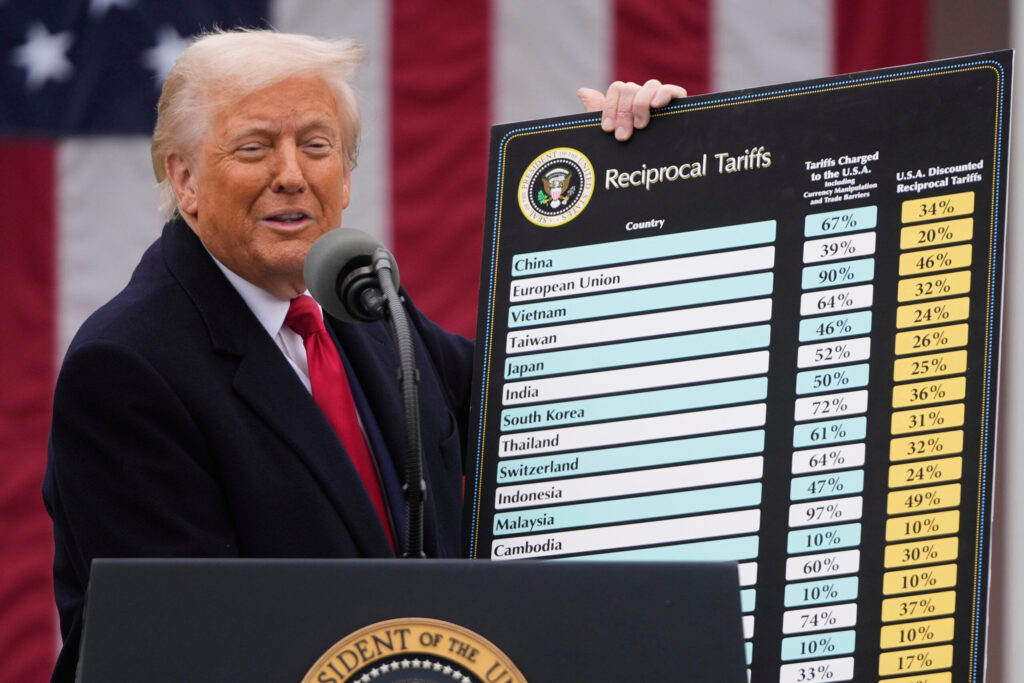
Colorado has joined a coalition of states in filing two new lawsuits against the Trump administration. The first lawsuit alleges the Trump administration’s move to expand the U.S. health department’s oversight of the Temporary Assistance for Needy Families would illegally...
Colorado farmers, ranchers wrestle with hurdles amid extreme drought conditions
Shen Wu Tan (Special to The Denver Gazette)
shen-wu-tan@gazette.com
Updated 3 days ago
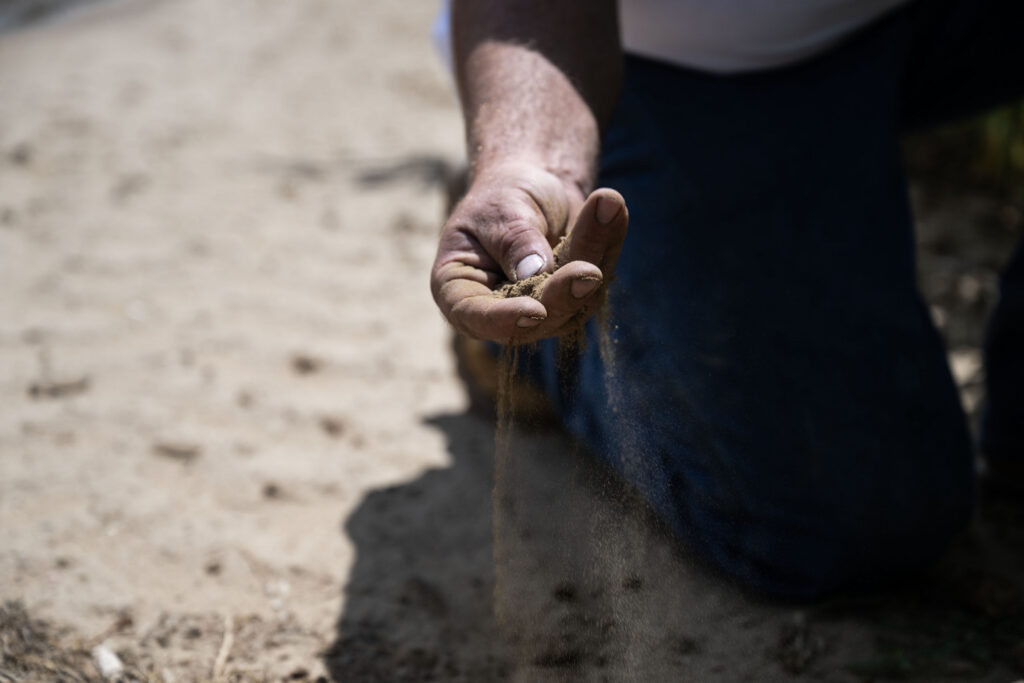
Some producers take drastic steps to adapt to dry climate, record-low snowpack This is the first time that Jim Magnuson, who operates a family farm in the rural town of Eaton, can ever recall planting only 75% of his acreage. ...
Federal biotech commission examines Colorado’s role in critical minerals production
Scott Weiser
scott.weiser@gazette.com
Updated 6 days ago
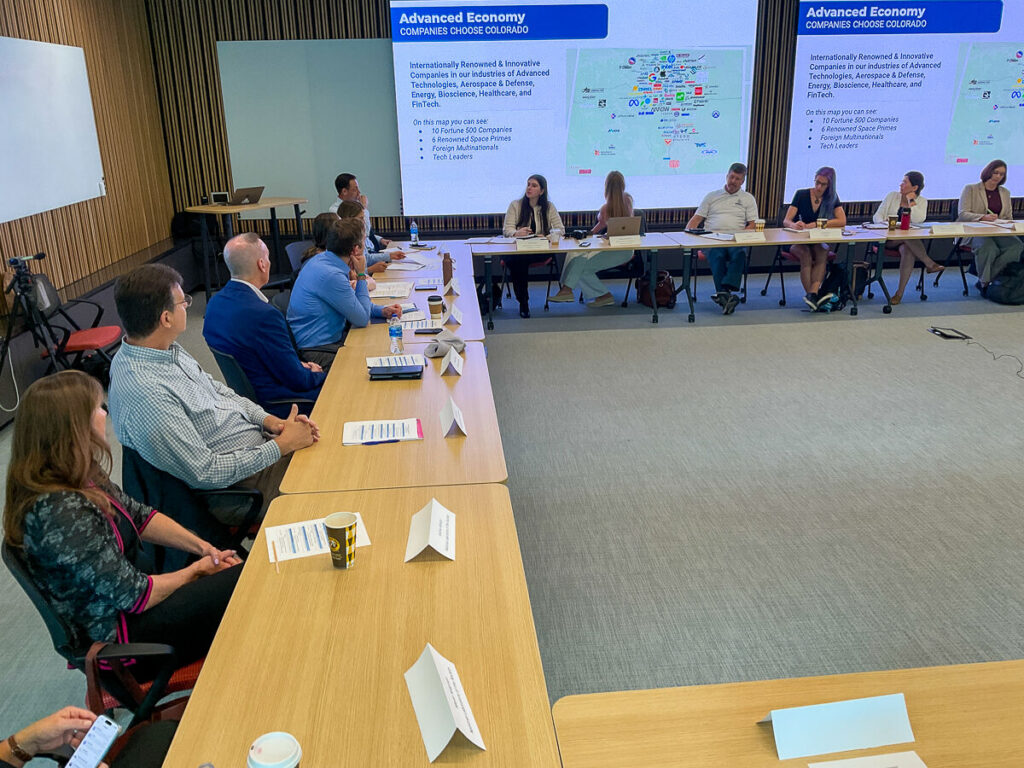
China’s dominance over critical mineral supplies has left U.S. manufacturers vulnerable. Colorado’s biotech and research community is working to ease that dependence. Leaders from the National Security Commission on Emerging Biotechnology met last week at the Colorado School of Mines...
Douglas County schools to consolidate administrative offices into $29M headquarters to cut costs
Nicholas Fogleman
nicholas.fogleman@denvergazette.com
Updated 6 days ago
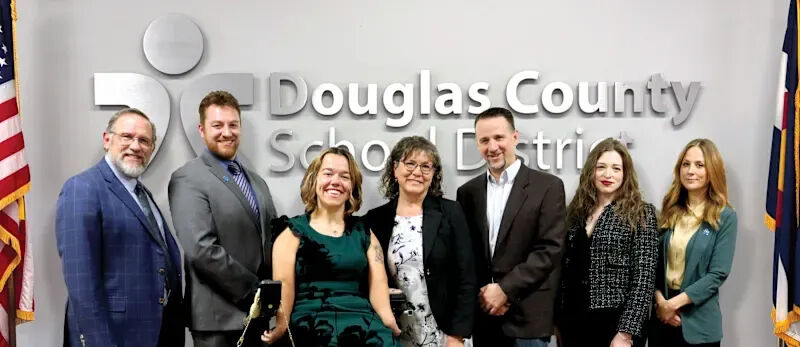
The Douglas County School Board is moving forward with a $29 million plan to consolidate district administrative operations into a new headquarters. It’s part of an effort to reduce annual costs as the district faces ongoing budget pressures. In June,...
Veo scooter clutter, sidewalk riders frustrate Denverites
Deborah Grigsby
deborah.smith@denvergazette.com
Updated 6 days ago
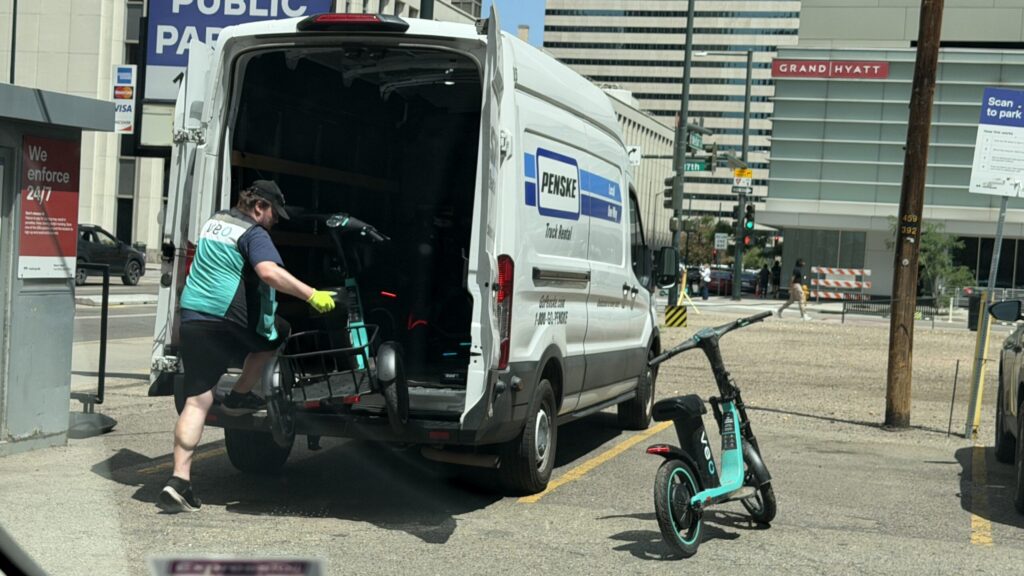
Denver resident Mike Miller was on a downtown sidewalk recently when a Veo scooter rider traveling at full speed passed him as the scooter blasted a “do not ride on sidewalks” warning. In a letter to Veo Policy and Partnerships...

Colorado’s 72-hour social media warrant law takes effect Aug. 12
Marissa Ventrelli
marissa.ventrelli@coloradopolitics.com
Updated 7 days ago
A law requiring social media platforms to respond to search warrants within 72 hours goes into effect on Aug. 12. Senate Bill 011 also requires platforms to create a staffed hotline for Colorado law enforcement agencies to contact regarding pending...
El Paso County rejects multi-family zoning request near Monument Academy
Savannah Eller
savannah-eller@coloradopolitics.com
Updated 1 week ago
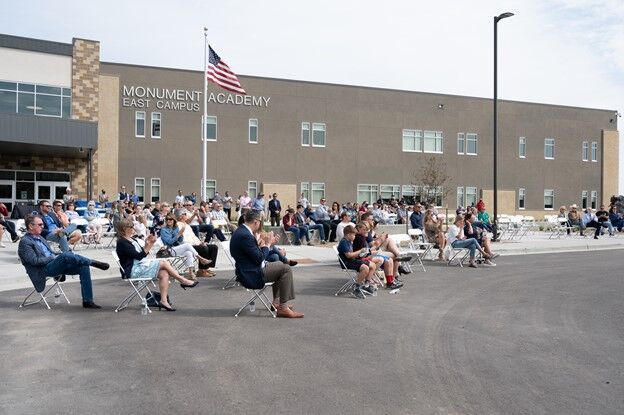
The El Paso County Board of Commissioners narrowly rejected a developer’s bid to convert land from low- to high-density residential zoning. The request, made by MA Infrastructure, LLC, would have allowed 12 units per acre on half of a 14-acre...
PREV
PREVIOUS

Aurora seeks public input on City Council decorum rules
Aurora residents can help shape how City Council meetings are conducted by giving input on council rules through the end of April. The Council Rules Ad Hoc Committee is reviewing the Aurora City Council’s Rules of Order and Procedure and inviting residents to share their input through April 30 at EngageAurora.org/Decorum. The committee will also […]

Colorado's $46.8 billion budget nears finish line
The Colorado Senate on Thursday voted largely along party lines to approve $46.8 billion in spending for the next state budget. The spending plan is bigger than what legislators originally approved for the current fiscal year’s budget, driven by increases in Medicaid costs. The proposal saw changes from a dozen amendments during debate Wednesday, but […]