

Colorado’s $46.8 billion budget nears finish line
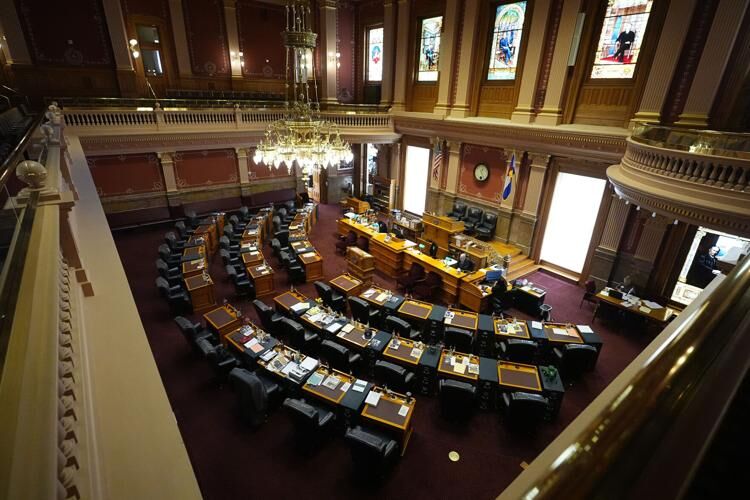
The Colorado Senate on Thursday voted largely along party lines to approve $46.8 billion in spending for the next state budget.
The spending plan is bigger than what legislators originally approved for the current fiscal year’s budget, driven by increases in Medicaid costs.
The proposal saw changes from a dozen amendments during debate Wednesday, but none changed its bottom line.
The 25-10 vote on House Bill 1410 included “yes” votes from Joint Budget Committee member Sen. Barbara Kirkmeyer, who co-sponsored the bill, and Assistant Minority Leader Sen. Lisa Frizell, R-Castle Rock.
It is now be up to members of the Joint Budget Committee, who will take up the proposal in their role as a conference committee, to resolve the differences between the House and Senate.
The JBC also will likely seek permission to look at changes that go beyond the scope of the differences between the two versions.
That’s expected to take place next week.
Then the clock starts ticking.
Lawmakers hope to have the budget in the hands of Gov. Jared Polis before the end of the month. That matters, because as of May 3, the amount of time the governor has to sign or veto bills changes.
Prior to May 3, the governor has 10 days to sign or veto a bill, or allow it to become law without his signature. After May 3, that clock gets extended to 30 days, and that will expire after the legislature adjourns for the regular session on May 13.
While the governor has authority to veto any line item in the budget, that hasn’t happened during Polis’ time in office or with any other governor in the last several decades.
That’s because the appropriations in the bill deal primarily with departments and personal services — employees and pay — and benefits, rather than specific programs. The governor also has the ability to veto headnotes and footnotes, which are directions from the Colorado General Assembly to state agencies.
Governors who don’t like certain directions will veto them but often tell the agencies to comply with those instructions anyway.
The $46.8 billion budget is about $300 million more than the 2025-26 budget, which was also adjusted during the budget process of the last several weeks. That general fund growth is driven largely by increases tied to the state Medicaid program, which is also beset by allegations of fraud and abuse.
Budget writers noted that 13 out of 20 state agencies saw budget cuts in the 2026-27 appropriations.
The Colorado state government faced a $1.1 billion general fund deficit, according to revenue forecasts from the governor’s economists.
That hole was filled by reducing the state’s general fund reserve from 15% to 13%, which yielded a total general fund savings of $340 million. Cash fund transfers to the general fund provided another $102.5 million.
Cuts to Medicaid, from reductions in provider rates and services for populations, provided another $135 million. Of that, $107 million will come from provider rate cuts in an across-the-board reduction of 2%. Reductions to services for those with intellectual and development disabilities yielded a savings of $17 million.
A placeholder in the budget, at $153 million, will come from using general fund dollars that would otherwise be refunded to taxpayers, the result of an overpayment of TABOR refunds in the 2024-25 fiscal year.
The governor’s budget proposal earlier said the state accidentally overpaid $306.1 million in refunds during the 2025–26 fiscal year.
That idea has drawn pushback from Joint Budget Committee staff, who wrote in a Feb. 20 memo that keeping the $306.1 million — spread across the 2026–27 and 2027–28 budgets — would not be legal.
The Senate also approved the 64 “orbitals” — bills that accompany the budget that change state law in order to balance the spending plan.
Among those bills, seven reduce TABOR obligations to the tune of about $111 million.
The budget also eliminates pay raises for state employees and allows most public colleges and universities to increase tuition by 3.5%, except for out-of-state students and community colleges, where the increase is approved at 5%.


Two more wolves killed by Colorado wildlife staff
Marianne Goodland
marianne.goodland@coloradopolitics.com
Updated 4 hours ago
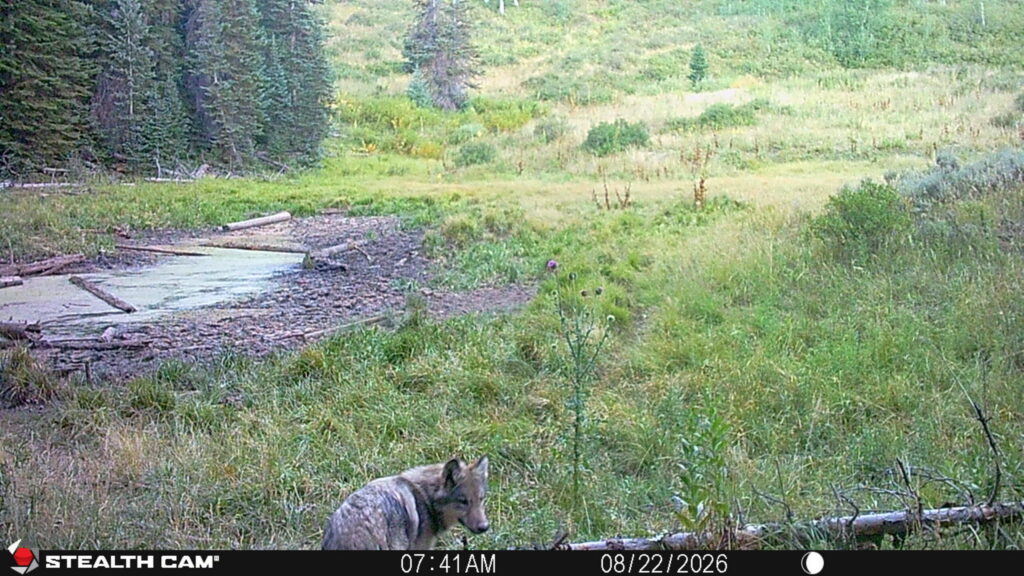
Two yearling wolves from the Copper Creek and Three Creeks packs in Pitkin and Rio Blanco counties, respectively, were killed by Colorado Parks and Wildlife staff on Monday. That brings to 19 the number of wolves that have died under...
U.S. Rep. Lauren Boebert calls Trump’s 90-day wolf-delisting review ‘real progress’
Marianne Goodland
marianne.goodland@coloradopolitics.com
Updated 3 hours ago
President Donald Trump has directed Interior Secretary Doug Burgum to launch a 90-day review on whether gray wolves and Mexican wolves should be removed from Endangered Species Act protections. The order drew mixed reactions for Colorado’s wolf-reintroduction effort, with ranchers...
Disgraced ex-CBI analyst Missy Woods sentenced to prison in DNA scandal
Jenny Deam
jenny.deam@gazette.com
Updated 5 hours ago
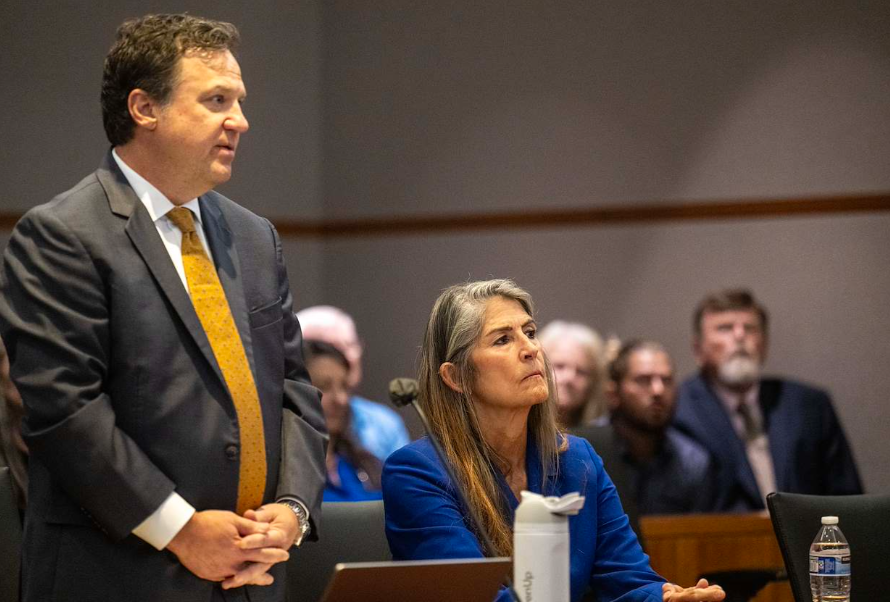
A Jefferson County district court judge on Tuesday sentenced a disgraced former Colorado Bureau of Investigation DNA analyst to a decade in prison for altering and deleting data in scores of criminal cases over several years. Jefferson County District Judge...

Jason Crow endorses Democrats up and down Colorado’s ballot, chips in $100K for campaign efforts
Ernest Luning
ernest.luning@coloradopolitics.com
Updated 5 hours ago
Democratic U.S. Rep. Jason Crow on Tuesday formally endorsed more than 60 Democrats running up and down Colorado’s ballot and said he’s putting $100,000 into statewide and county campaigns and organizing programs to drive turnout in the fall election. Crow,...

With its water source dry, a southeast Colorado town’s clock is ticking
Savannah Eller
savannah-eller@coloradopolitics.com
Updated 12 hours ago
The Cucharas is not a mighty river, but the people of La Veta knew they had a problem brewing when it ran dry at the beginning of June. “We’re getting by,” said La Veta Mayor Doug Brgoch. “It’s not great.”...
Fort Carson soldiers run Indonesian exercise, refine communications tech
Mary Shinn
mary-shinn@coloradopolitics.com
Updated 12 hours ago
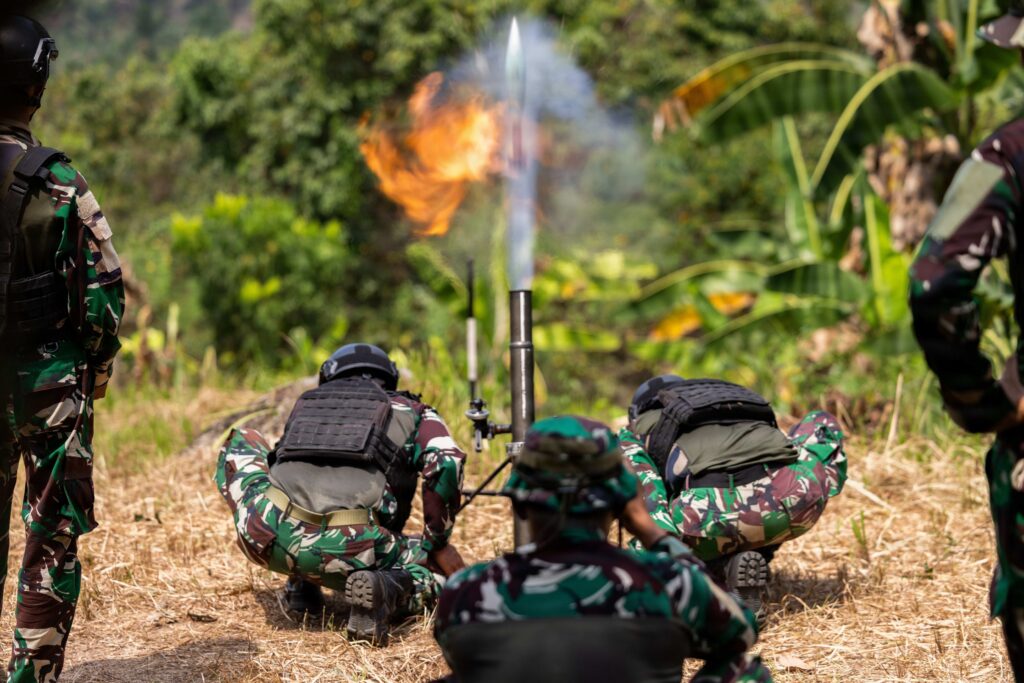
Fort Carson soldiers are overseeing an expansive military exercise in Indonesia while honing new communications technology for the Army. More than 4,700 personnel are participating in the annual training, known as Super Garuda Shield 2026, taking place across several regions...

Parenting from prison: Inmates hope to be present in their children’s lives, while physically absent
Marianne Goodland
marianne.goodland@coloradopolitics.com
Updated 10 hours ago
The room was decorated with balloons, the tables sparking bright with colors as the smell of pizza and cake wafted through the air. As did music. This was, after all, a father-daughter dance. Except this was not a typical father-daughter...

Colorado House ethics committee issues ‘stern letter’ to Democrat over caucus funds mismanagement
Marianne Goodland
marianne.goodland@coloradopolitics.com
Updated 5 hours ago
The Colorado House ethics committee on Friday voted unanimously to issue a “stern letter” to Rep. Mandy Lindsay, D-Aurora, regarding her mismanagement of House Democratic caucus funds. The committee further voted to request that Lindsay resign as Democratic Caucus co-chair...

Secretary of Energy, congressmen push for reliable power over renewable outside CSU coal power plant
Brennen Kauffman
brennen-kauffman@coloradopolitics.com
Updated 12 hours ago
U.S. Secretary of Energy Chris Wright said Friday that the Trump administration would continue to fight against state efforts to close coal power plants, including the Ray Nixon Power Plant outside of Colorado Springs. Wright was joined by Colorado Republican...

State seeks $50K penalty against GOP candidate Victor Marx over alleged campaign finance violations
Deborah Grigsby
deborah.smith@denvergazette.com
Updated 5 hours ago
Republican gubernatorial candidate Victor Marx is looking at more than $50,000 in fines in what the Elections Division of the Office of the Secretary of State calls “unprecedented” campaign finance violations. The state has not imposed that fine yet, and...
PREV
PREVIOUS

Colorado Senate passes bill for voluntary $5 fee to fund wildlife crossings
The Colorado Senate approved bipartisan legislation allowing drivers to voluntarily pay an extra $5 when registering their vehicles to help finance wildlife crossings and reduce the growing number of dangerous collisions between cars and animals on state highways. In 2024 alone, more than 3,500 such incidents occurred on Colorado roads. The bill titled SB26-141, sponsored […]
Colorado House passed a bill raising threshold for agriculture overtime by one vote
The bill that would raise the overtime threshold for overtime pay for certain agricultural workers won the narrowest of votes Thursday in the Colorado House. Senate Bill 121 won a 33-32 vote, a dramatic difference from votes cast Wednesday on nearly three dozen amendments offered by progressive Democrats. Most of those recorded votes, taken late […]