

Colorado modernized voting, but the ballot Is still closed for many | PODIUM

By Amy Spicer
On June 30, Colorado holds its primary election. Most voters will receive their ballots, make their choices, and never know that for many of the races on that ballot, the meaningful competition ended weeks or months earlier, in a room most of them never entered and may not have known existed.
Earlier this spring, I watched Colorado’s candidate qualification process up close. I personally attended and observed 10 caucuses and assemblies across the state, part of a broader statewide observation program that covered 24 unique events and more than 50 participant experiences and interviews. What I saw was not a system working as designed. It was a system straining under its own weight.
At the Democratic county assembly in Denver, a newly implemented voting app failed to distribute delegate data correctly, and voting stopped. Some delegates were told to move online, others left. When paper ballots resumed, the delegates who walked out were excluded from the rest of the assembly, losing their chance to advance. At the Republican statewide assembly in Pueblo, an internet outage delayed check-in for hours, leaving delegates standing in lines outside Massari Arena before the event could even begin. When balloting finally happened, the gubernatorial contest produced more votes than credentialed delegates. Delegates ultimately voted to accept the discrepancy and move on.
The chaos of this spring’s caucus and assembly season was not a fluke. It was the tangible outcome of a system that depends on aging infrastructure, inconsistent implementation and enormous volunteer effort, with no standardization and no safety net when things go wrong. The delegates and volunteers who show up deserve better. So do the voters who never got the chance to participate at all.
This is what my team at Courageous Colorado spent the past few months documenting in our new report, “Colorado’s Closed Road to the Ballot.” The research drew on direct observation of Colorado’s 2026 caucus and assembly season, historical analysis of 367 major-office primary races between 2014 and 2024, and campaign finance data from the current cycle. What we found is a system that functions very differently from the one most Coloradans think they have.
Colorado has, rightfully, become a national model for accessible voting. Ballots arrive by mail. Registration is automatic. More than 52% of Colorado voters are now registered without a party affiliation, a transformation that has happened faster here than almost anywhere else in the country.
But the process that determines who appears on that mailed ballot has not kept pace. Unaffiliated voters — the largest group in Colorado — cannot participate in caucuses, cannot attend assemblies, and cannot sign petitions for candidates seeking a party primary ballot. By the time most Coloradans engage with an election, a smaller and more ideologically concentrated group of participants has already shaped the field. Our research found only 22% of major-office primaries between 2014 and 2024 were contested by the time voters received their ballots. The narrowing happened earlier, in processes most voters never saw.
These consequences extend beyond any single race: When candidates must clear early thresholds in front of a narrow, highly engaged electorate, they’re incentivized to appeal to that group, not to the broader public they will eventually represent. Over time, that dynamic contributes to the polarization we can now measure in Colorado’s state legislature, which research identifies as among the most ideologically divided in the country.
The report we released last week outlines several concrete options for a fix, and these include streamlining and standardizing the existing caucus and assembly process, lowering petition thresholds to reduce the financial barrier to candidacy, or moving toward a fully open primary in which every voter participates equally from the start. There is no single right answer, and reasonable people will disagree about the path.
But the question Colorado needs to ask, before the June 30 primary and well beyond it, is whether the road to the ballot should reflect the state we have become or remain a relic of the system we inherited. Colorado transformed how people cast ballots. The challenge before us now is transforming who gets to shape them and opening the road to the ballot itself.
Amy Spicer, Ed.D. is chief impact officer at Courageous Colorado, a cross-partisan initiative working to transform the state’s political landscape by 2030, fostering citizen activation and advancing community-driven change to reduce partisan divides, increase representation, and build a forward-looking reform agenda that brings our state together.


Colorado districts prepare for school year amid mental health cuts. But will less cellphone distractions help?
Marissa Ventrelli
marissa.ventrelli@coloradopolitics.com
Updated 2 days ago
The signs of a new school year are everywhere — buses in the shop, teachers unpacking boxes, families ticking through supply lists — but behind the familiar rituals, Colorado districts are preparing for a year defined less by routine than...
Surprise candidate Shimon Blau cleared to face off against Melat Kiros in November
Ernest Luning
ernest.luning@coloradopolitics.com
Updated 1 day ago
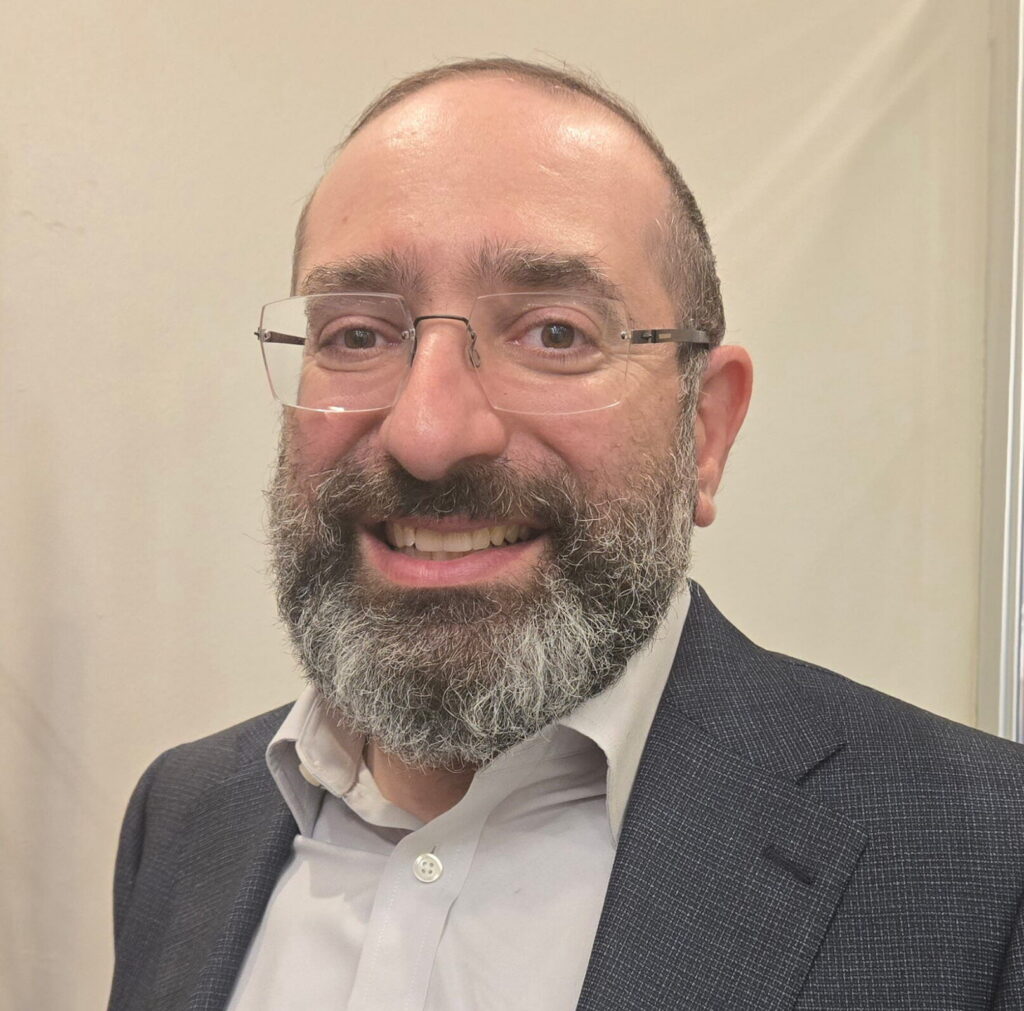
Unaffiliated congressional candidate Shimon Blau, a Denver doctor, has qualified by petition for the general election in Colorado’s 1st District, where Democrat Melat Kiros defeated 15-term U.S. Rep. Diana DeGette in last month’s primary, the Colorado Secretary of State’s Office...

UNC opens College of Osteopathic Medicine
Marissa Ventrelli
marissa.ventrelli@coloradopolitics.com
Updated 1 day ago
The University of Northern Colorado held a grand opening for its new College of Osteopathic Medicine on Friday, with Gov. Jared Polis in attendance to celebrate the culmination of a two-year, $127.5 million project. The project was funded through legislation...

Victor Marx, GOP candidate for governor, faces 100-plus campaign finance complaints
Marianne Goodland
marianne.goodland@coloradopolitics.com
Updated 1 day ago
Victor Marx’s gubernatorial campaign has been hit with more than 140 campaign finance complaints, although most have been consolidated by the state’s election office because they follow similar alleged violations. Marx faces Attorney General Phil Weiser, who won the Democratic...

Primary voters rejected big money in politics | Paula Noonan
Paula Noonan
paula-noonan@coloradopolitics.com
Updated 1 day ago
While we’re in an election campaign lull between now and Labor Day, we have time to consider the impact of $102 million in campaign contributions in the primary. In the general election, more money will fill candidate campaign coffers, and...

DOJ sues Colorado to overturn in‑state tuition for students living in the country illegally
Marianne Goodland
marianne.goodland@coloradopolitics.com
Updated 1 day ago
The U.S. Department of Justice has sued Colorado to dismantle a decade‑old law that grants in‑state tuition to students living illegally in the United States, setting up a high‑stakes clash over immigration policy. In 2013, after more than six tries...
Jefferson County to fill commissioner vacancy after Dahlkemper tapped for lieutenant governor
Matt Kyle
matt.kyle@denvergazette.com
Updated 2 days ago
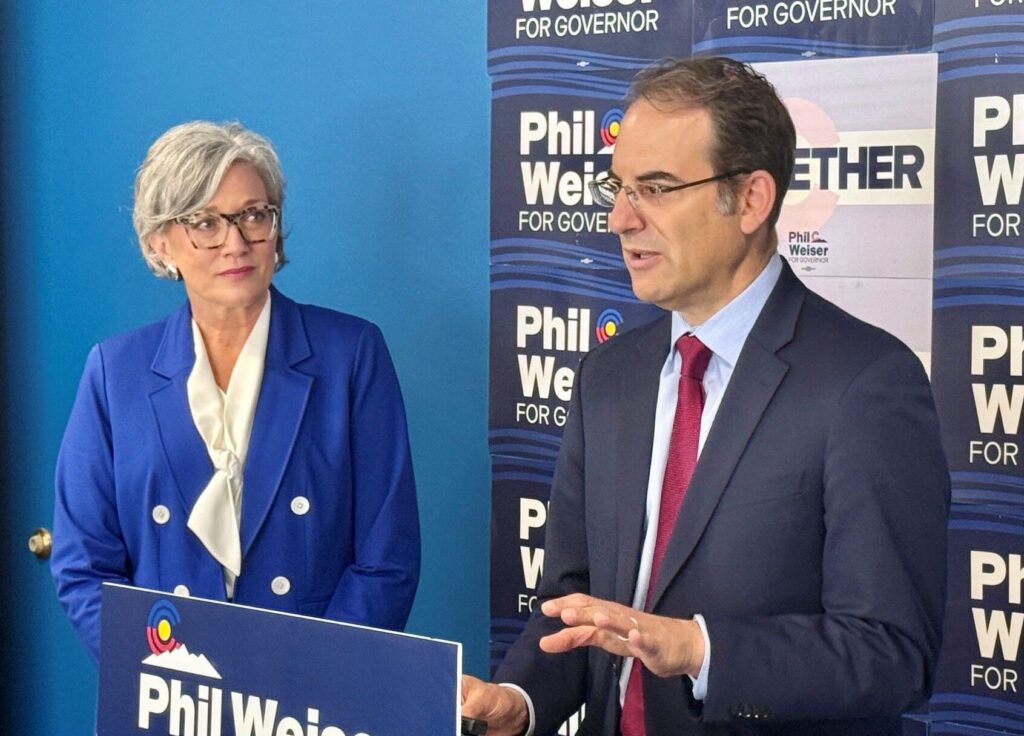
Democratic gubernatorial nominee Phil Weiser on Wednesday announced that Jefferson County Commissioner Lesley Dahlkemper would be his lieutenant governor, meaning she would be leaving her commissioner seat open should he win the race in November. However, Dahlkemper’s term was already...

New wolf pack confirmed in Eagle County, marking 4th Colorado pack with pups this year
Marissa Ventrelli
marissa.ventrelli@coloradopolitics.com
Updated 2 days ago
A new gray wolf pack has formed in Eagle County, Colorado Parks and Wildlife announced on Wednesday. Known as the Piney Ridge Pack, it is the fourth pack of gray wolves in the state to have produced pups this year....
Colorado’s primary proved in this political climate money doesn’t buy electoral happiness | Paula Noonan
Paula Noonan
paula-noonan@coloradopolitics.com
Updated 3 days ago
To catch you up, campaign committees from this 2026 election cycle already collected and shoveled out a lot of cash: $102.64 million. That’s contributions in all forms — dollars, in kind, loans, etc. — from December 2024 to now. Total...
Colorado housing laws take effect, expanding tools for affordable and workforce housing
Marissa Ventrelli
marissa.ventrelli@coloradopolitics.com
Updated 3 hours ago
New housing laws taking effect on Aug. 12 in Colorado aim to boost affordability, improve homelessness response and ensure safer water systems for mobile‑home communities. The first bill, Senate Bill 001, allows municipalities to sell county- or town-owned property to...
PREV
PREVIOUS

Polis protects system rigged against workers | GUEST COLUMN
By Jeremy Ross Shame on Gov. Jared Polis. He used his veto pen again to indulge the billionaire corporate elite by denying the freedom of workers to join together and form a union without being threatened, fired or blocked by a second election. For two years in a row, the Worker Protection Act passed out […]

Colorado governor rejects bill to ban individualized pricing, wages based on personal data
Gov. Jared Polis vetoed a Democratic‑backed bill that would have prohibited companies from using personal data to set individualized prices or wages, saying the proposal was overly broad and could unintentionally restrict legitimate consumer discounts. House Bill 1210 sought to bar companies from using a “price or wage‑setting algorithm,” defined as any technology that uses […]