

Divided Colorado Supreme Court opens door to experts’ views on children’s truthfulness
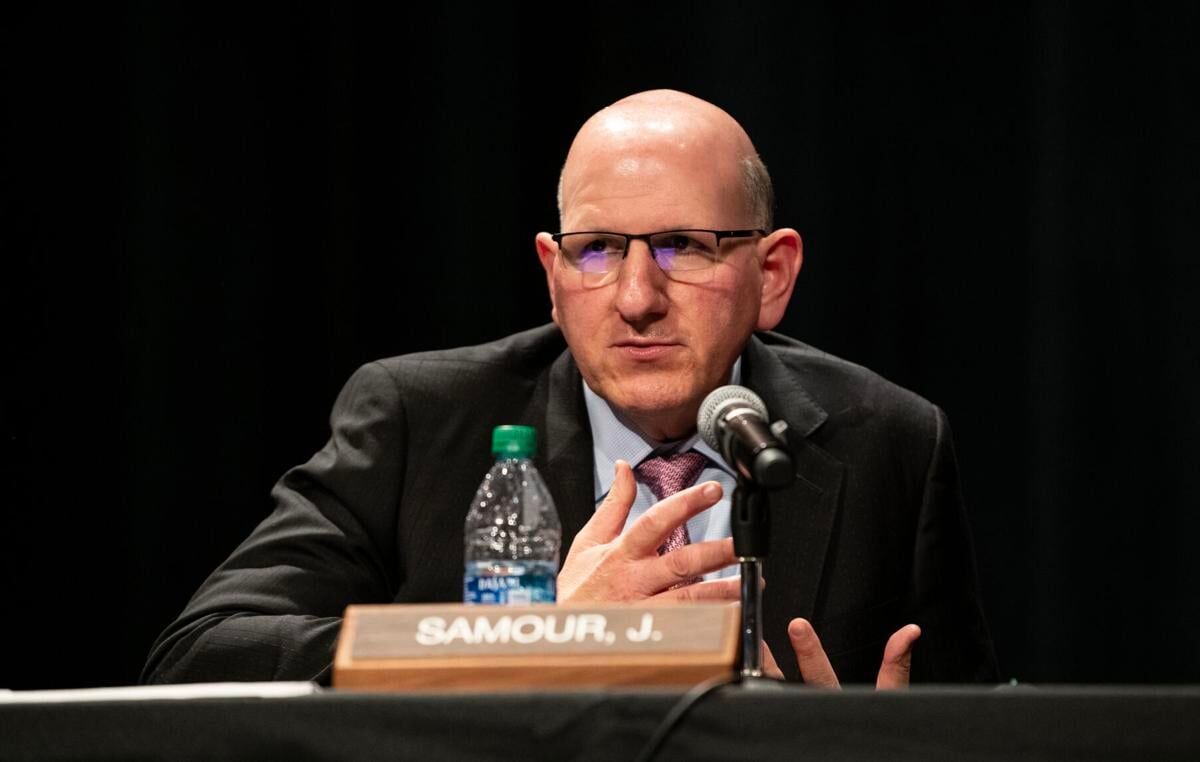
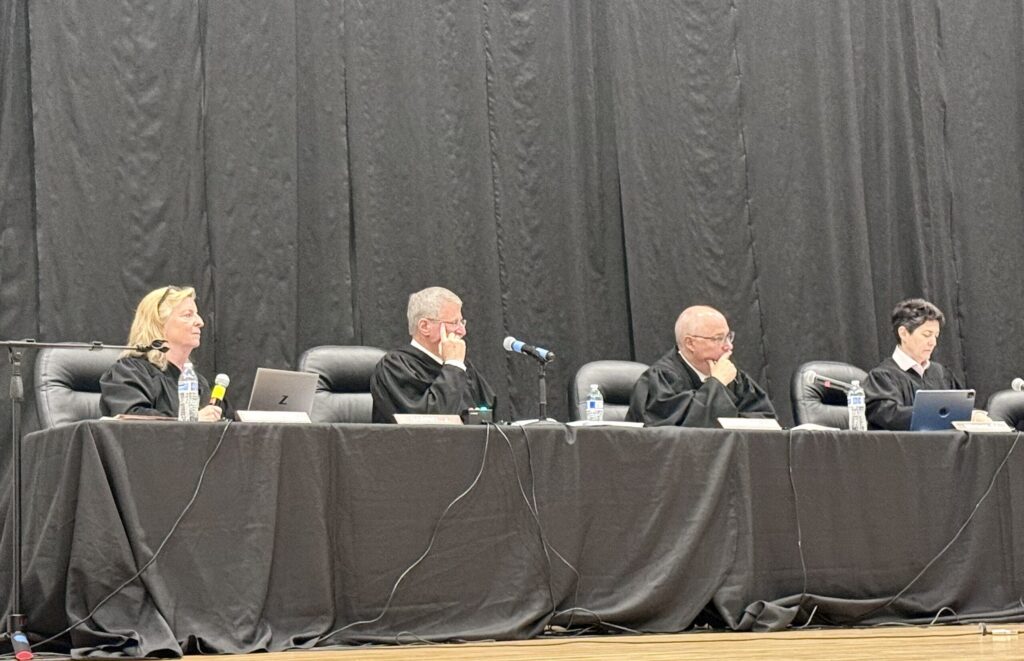
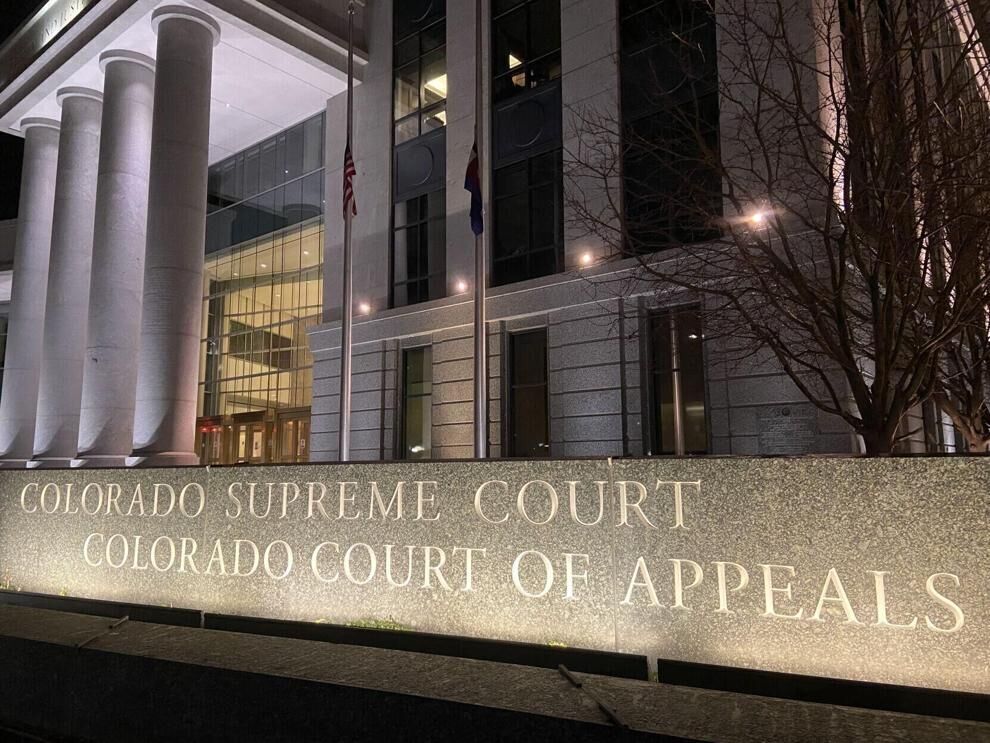
The Colorado Supreme Court ruled on Monday that experts may, in certain situations, tell jurors whether child witnesses exhibited signs of being coached by adults, without running afoul of the general prohibition on witnesses testifying about the truthfulness of other witnesses.
The majority in the 4-3 decision maintained that defendants will not “open the door” to an expert’s opinion simply by challenging a child victim’s credibility. Instead, an expert’s comments about coaching were appropriate in the case of Gustavo Lopez because the defense had repeatedly advanced the idea that the child victims’ testimony reflected coaching by an adult.
“But that was only part of the story: the defense’s telling,” wrote Justice Carlos A. Samour Jr. in the April 13 opinion. The expert’s contrary testimony about coaching “didn’t weaponize the door kicked open by the defense.”
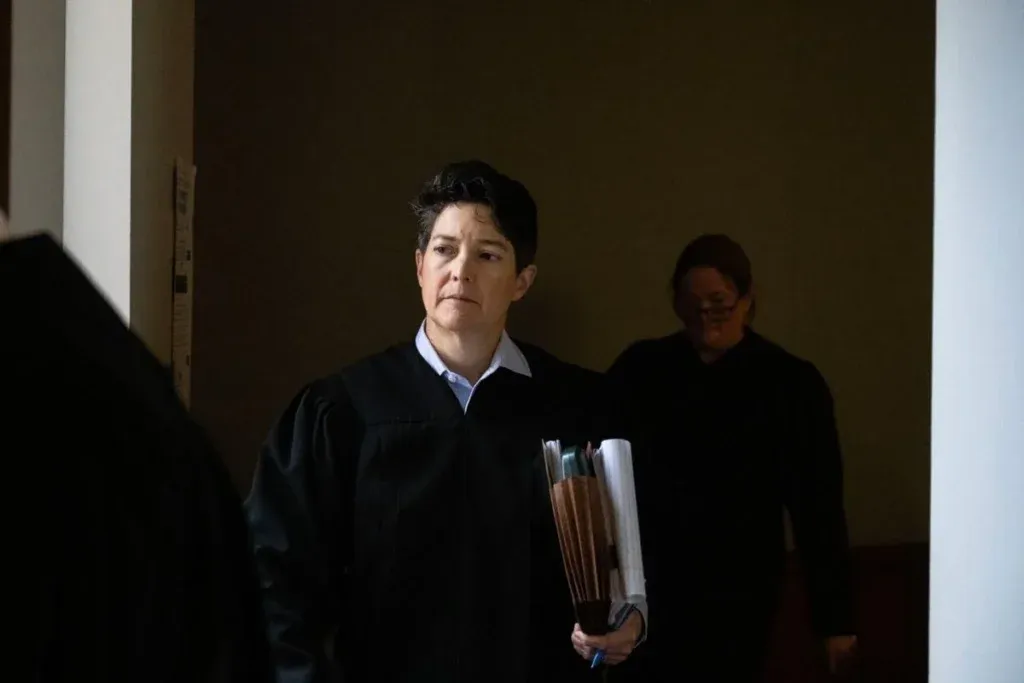
Chief Justice Monica M. Márquez, in dissent, believed the majority had erased the line preventing witnesses from opining about the truthfulness of other witnesses. Further, the prosecution had ample opportunity to address the defense’s coaching argument without the expert witness’s commentary.
“Coaching is a common defense to allegations of sexual assault on a child, and the majority’s decision today undercuts any such defense,” Márquez wrote for herself and Justices Brian D. Boatright and Susan Blanco. “A defendant who seeks to defend against allegations of sexual assault on a child by explaining that a third party improperly induced the child’s outcry may now anticipate the introduction of expert testimony vouching for the child’s truthfulness.”
Lopez stood trial in Boulder County in 2019 for multiple child sex assault-related charges against three victims who were his relatives. Jurors found him guilty, and he received an indefinite prison sentence of at least 50 years.
There was no physical evidence of the crimes, and the victims’ stories had many inconsistencies. Jurors also heard that some of the children wanted to live with their grandmother, who did not like Lopez.
During the trial, the defense suggested that family members can “influence” children into believing “something that’s not true.” Lopez’s counsel also suggested the victims’ stories changed during the time spent with their grandmother.
Jurors heard testimony from Kim Grimm, a forensic interviewer who talked to two of the victims in recorded conversations. She described multiple tactics professionals use to discern if a child has been coached, including asking for details about their experience. At the end of Grimm’s testimony, the jury had a question for her: “In your expert opinion,” the question read, were the children’s behaviors “consistent with interviews where coaching was present?”
Over the defense’s objection, the trial judge allowed her to answer. Grimm said she did not “feel like I saw huge red flags with that or anything.”

On appeal, a three-judge panel for the Court of Appeals acknowledged witnesses may not testify about others’ truthfulness on specific occasions. However, wrote Judge Elizabeth L. Harris for herself and Judge Lino S. Lipinsky de Orlov, the defense had opened the door by arguing the victims were influenced by an adult.
Although Harris stressed the ruling was “narrow,” Judge Timothy J. Schutz dissented, believing the panel had itself opened the door to experts vouching for victims’ credibility in numerous sex abuse cases.
“In the typical case involving allegations of sex assault on a child, the defendant must either contest the veracity of the alleged victim or effectively confess,” Schutz wrote. “But the logical extension of a broad ‘opening the door’ rationale would permit an expert to opine whether the accusing witness was being truthful every time a defendant suggests that an accuser was coached.”

The Supreme Court’s decision reflected a similar divide over how to handle the common claim that child witnesses have been coached.
Samour, in the majority opinion, noted that the concept of opening the door applies to evidence that would otherwise be inadmissible, as the purpose is to correct misleading impressions. He declined to say whether Grimm’s testimony was inadmissible, writing that Grimm had not actually testified about whether the child victims told the truth.
As for what Grimm did say, Samour outlined the numerous occasions during trial in which the defense tried to persuade jurors that the children’s grandmother had influenced their accounts of what happened. It was unsurprising, he wrote, that a juror eventually submitted a question about the subject.
“The jurors were almost invited to ask it. In essence, the juror’s question sought to have Grimm apply her generalized expert opinions — none of which the defense disputed — to the facts of the case, which is something expert witnesses are routinely permitted to do at trial,” Samour wrote. “And precluding Grimm from addressing the juror’s question would have given Lopez an unfair advantage by creating a misleading impression.”
Like the Court of Appeals’ majority, Samour cautioned that the ruling should be interpreted narrowly.
However, like Schutz’s dissent, Márquez doubted that it was possible.
“Put simply, the expert directly vouched for the children’s credibility,” she wrote. “I also find it especially troubling that the majority treats the theory of defense in this case as presenting a ‘misleading impression.’ I do not see how a garden-variety theory of defense centered on challenging the credibility of the allegations against the defendant constitutes ‘getting the upper hand at trial by selectively presenting facts.'”
Márquez added that, in her view, an expert could properly testify about the warning signs for a child who has received coaching. Jurors could then evaluate the circumstances themselves.
“But it was entirely improper for the expert to do the jury’s work for it,” she wrote.
The case is Lopez v. People.

Parole, appeals deadlines and restitution: Colorado justices accept cases
Michael Karlik
michael.karlik@coloradopolitics.com
Updated 8 hours ago
The Colorado Supreme Court announced on Monday that it will determine how a defendant’s parole-eligibility date should be calculated in instances where a new trial results in a sentence being imposed retroactively to the date of the original, since-overturned sentence....
Federal judge rejects DOJ bid to force Colorado to hand over voter information
Marissa Ventrelli
marissa.ventrelli@coloradopolitics.com
Updated 12 hours ago
A U.S. district court judge has dismissed a lawsuit filed by the U.S. Department of Justice against Colorado Secretary of State Jena Griswold for refusing to provide the agency with personal voter information. Last December, the DOJ’s Civil Rights Division asked...
3 Colorado judges receive unfavorable retention recommendation as one performance commission violates rules
Michael Karlik
michael.karlik@coloradopolitics.com
Updated 17 hours ago
Of the 123 Colorado judges standing for retention on the November ballot, citizen-led performance commissions found that three did not meet the required performance standards. However, in an unprecedented move, the commission charged with evaluating Supreme Court and Court of...

10th Circuit weighs Gross Reservoir expansion, judge’s ‘punishment’ of Denver Water
Michael Karlik
michael.karlik@coloradopolitics.com
Updated 1 day ago
Members of the Denver-based federal appeals court considered on Friday whether they could intervene in an ongoing infrastructure project to enlarge a Boulder County dam after a trial judge deemed the underlying permit unlawful nearly two years ago. Denver Water...

10th Circuit upholds federal prohibition on juvenile handgun possession
Michael Karlik
michael.karlik@coloradopolitics.com
Updated 11 hours ago
The Denver-based federal appeals court concluded on Monday that Congress acted within its constitutional powers to make it a crime for juveniles to possess handguns in most instances. The decision from the U.S. Court of Appeals for the 10th Circuit...

Senate advances judicial nominee, Montezuma County judge agrees to discipline | COURT CRAWL
Michael Karlik
michael.karlik@coloradopolitics.com
Updated 2 days ago
Welcome to Court Crawl, Colorado Politics’ roundup of news from the third branch of government. A U.S. Senate committee advanced a judicial nominee from Colorado, plus a Montezuma County judge agreed to receive discipline for his misconduct that stops short...
Judge denies Calderon injunction case against Denver, Johnston
Deborah Grigsby
deborah.smith@denvergazette.com
Updated 2 days ago
A U.S. District Court judge has denied a preliminary injunction in the case of Jessica Calderon, the Denver city employee who won a temporary restraining order preventing the City and County of Denver from terminating her amid the 2025 citywide...

10th Circuit partially revives lawsuit over 2020 Denver protest injuries
Michael Karlik
michael.karlik@coloradopolitics.com
Updated 3 days ago
The Colorado-based federal appeals court revived a man’s claims against Denver on Friday after concluding a trial judge resolved the case in the city’s favor without analyzing two of the three instances of alleged excessive force and other constitutional violations....

Federal judges find Colorado immigration judge violated several orders
Michael Karlik
michael.karlik@coloradopolitics.com
Updated 3 days ago
Multiple federal judges in Colorado have freed people from immigration custody after determining that one immigration judge violated their directives for properly conducting bond hearings. For nearly a year, Colorado’s U.S. District Court has faced a flood of habeas corpus petitions...

Misconduct complaints from ex-Colorado judicial discipline director dismissed against federal judges
Michael Karlik
michael.karlik@coloradopolitics.com
Updated 5 days ago
The administrative body for the Denver-based federal appeals court upheld a finding last week that misconduct complaints against Colorado’s chief federal trial judge and the chief appeals judge warranted dismissal and appeared to be a “litigation tactic” by the complaining...
PREV
PREVIOUS

Colorado becomes first state to ban arrests solely based on field drug test results
Colorado has become the first state in the nation to prohibit arrests based solely on colorimetric drug tests, also known as field drug tests. Last legislative session, lawmakers passed a bill establishing a working group to make recommendations regarding the use of colorimetric drug tests in criminal proceedings. Colorimetric drug tests were used in about half of all drug […]

Aurora first responders adopt program to leave Narcan with opioid overdose patients
Aurora Fire Rescue first responders will now leave Narcan with people who witness or experience opioid overdoses. The new, pilot Narcan leave-behind program is a tool to reduce fatal opioid-related overdoses “in a compassionate and non-judgmental way,” according to an AFR news release Monday. Narcan, the brand name of naloxone nasal spray, can instantly reverse […]