

judge timothy schutz
-

Appeals court clarifies guardrails for mandatory arbitration
Colorado’s second-highest court issued two decisions in recent weeks that clarified the limits on mandatory arbitration, including for cases that raise workplace sexual harassment claims. While arbitration can be a more efficient and private form of dispute resolution compared to a lawsuit, it can also lack transparency and generally leaves a person without an avenue…
-
Colorado Supreme Court accepts child neglect, unlawful search appeals
The Colorado Supreme Court recently announced that it will decide whether a series of missteps led an El Paso County judge to improperly terminate a father’s parental rights, and whether a police officer defendant bears the burden of proving that his warrantless vehicle search was legally justified. At least three of the court’s seven members…
-
Colorado justices expand ability for civil defendants to avoid participating, win after trial
The Colorado Supreme Court decided on Tuesday that a civil defendant, whose non-participation in the case meant that he legally admitted to the sexual assault allegations against him, could nonetheless prevail after he showed up to testify at trial. A plaintiff identified as J.B. filed suit against Metro Taxi on behalf of her child, E.B.,…
-
Couple’s notarized agreement did not create common law marriage, appeals court says
A Garfield County couple’s signed, notarized document attesting to their common law marriage does not mean they were actually married, Colorado’s second-highest court ruled last week. In contrast to a formal, licensed marriage, Colorado recognizes common law marriages between two people who mutually agree to enter into a marriage and then engage in conduct reflecting…
-
Colorado justices weigh constitutionality of unique disclosure requirement for ballot measures
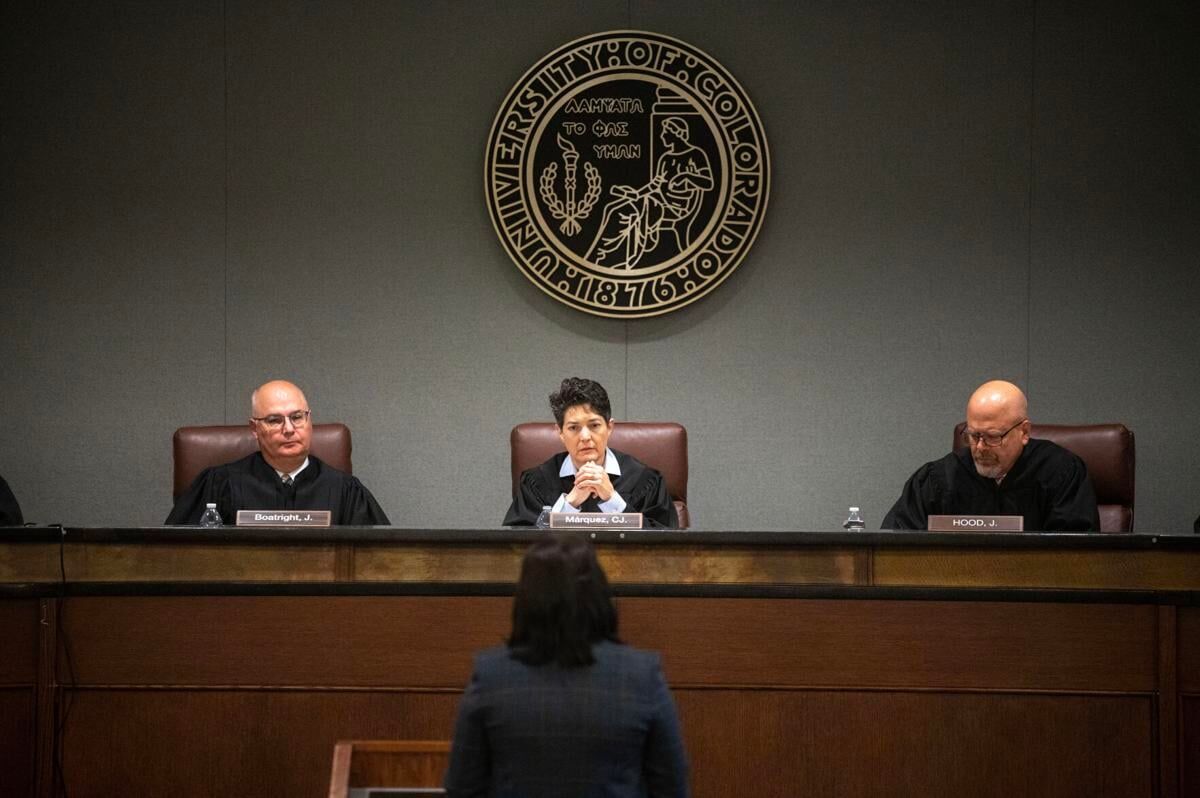
Members of the Colorado Supreme Court considered on Tuesday whether a unique feature of the state’s campaign finance system categorically violates the First Amendment by requiring the disclosure of a ballot measure committee’s legal representative on advertisements. No on EE — A Bad Deal for Colorado was an issue committee in 2020 that opposed Proposition EE,…
-
Divided Colorado Supreme Court opens door to experts’ views on children’s truthfulness
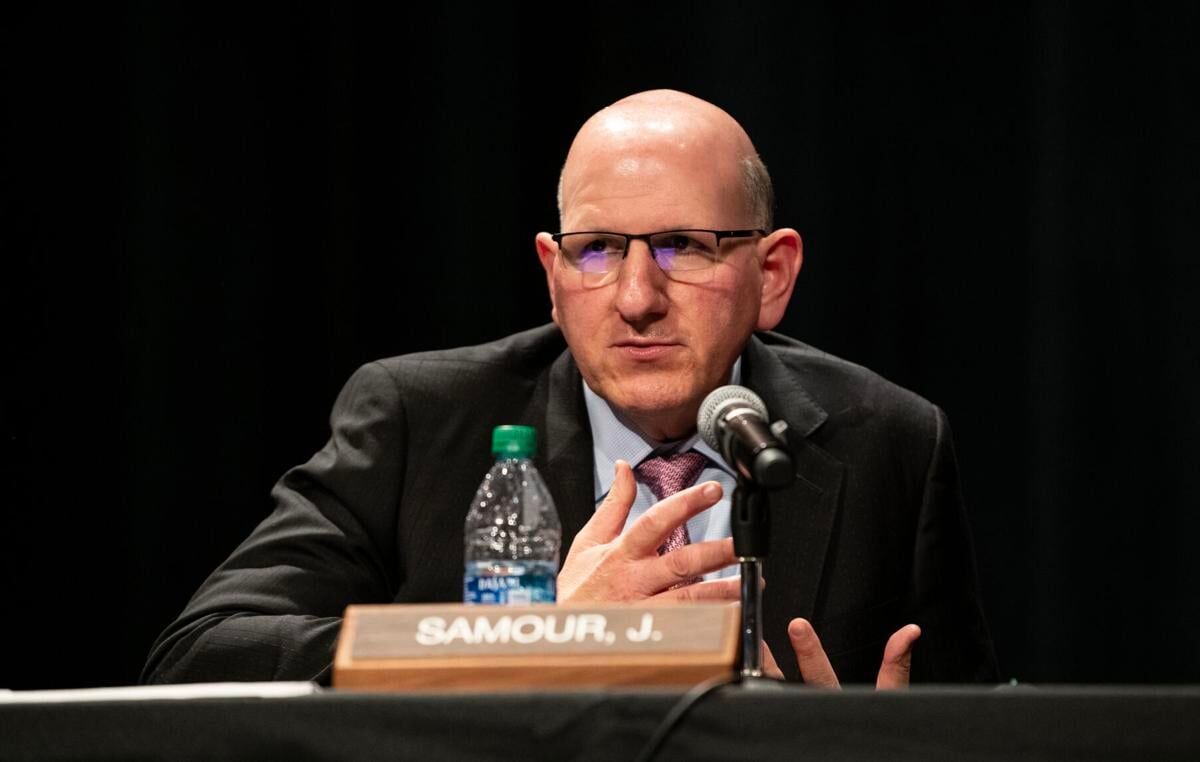
The Colorado Supreme Court ruled on Monday that experts may, in certain situations, tell jurors whether child witnesses exhibited signs of being coached by adults, without running afoul of the general prohibition on witnesses testifying about the truthfulness of other witnesses. The majority in the 4-3 decision maintained that defendants will not “open the door”…
-
Colorado counties cannot challenge state law restricting immigration contracts, appeals court says
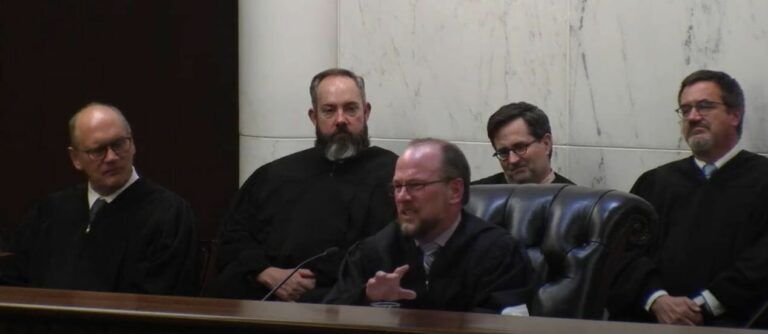
Colorado’s second-highest court ruled on Thursday that counties lack standing to challenge a 2023 state law that restricts their ability to contract with the federal government or private entities for immigration detention. A three-judge Court of Appeals panel agreed with a trial judge that the Colorado Constitution provides the legislature with broad power to enact…
-
Colorado justices accept appeals on Netflix taxation, children pursuing neglect cases
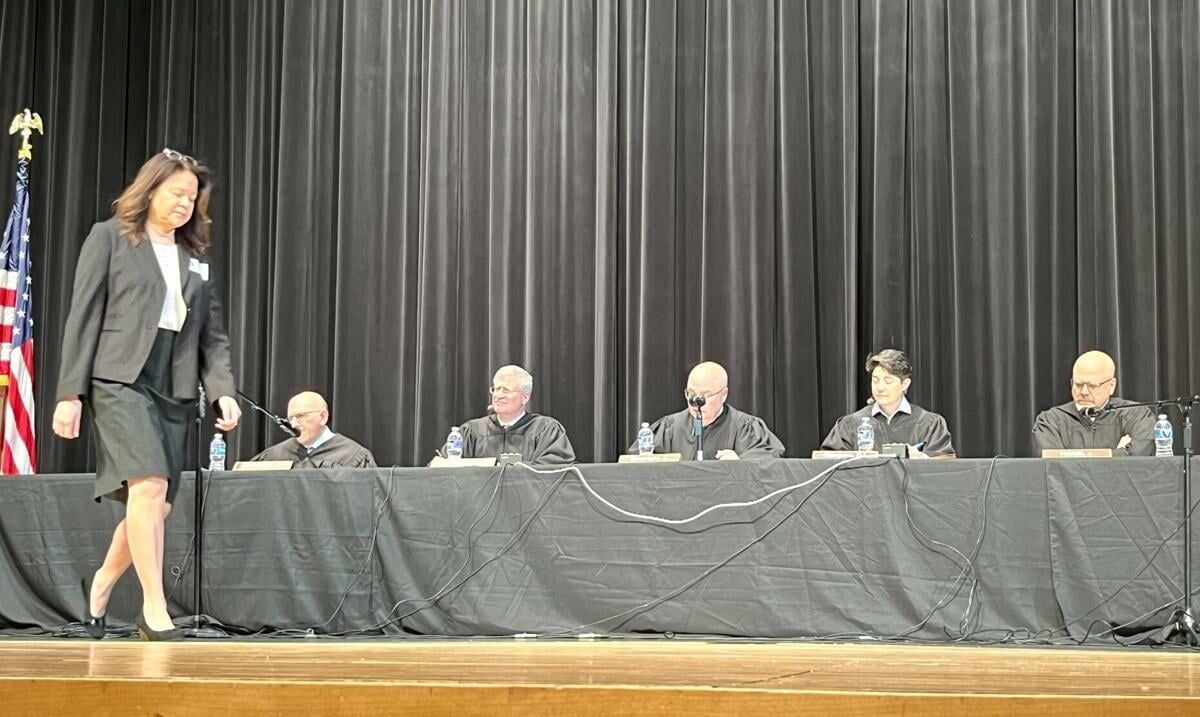
The Colorado Supreme Court announced on Monday that it will decide whether Netflix subscriptions are subject to the state’s sales tax as “tangible personal property.” At least three of the court’s seven members must agree to hear an appeal. The justices also accepted cases that question whether a minor’s legal representative can pursue an appeal…
-
Colorado justices weigh fairness concerns after defendant prevailed despite ghosting case
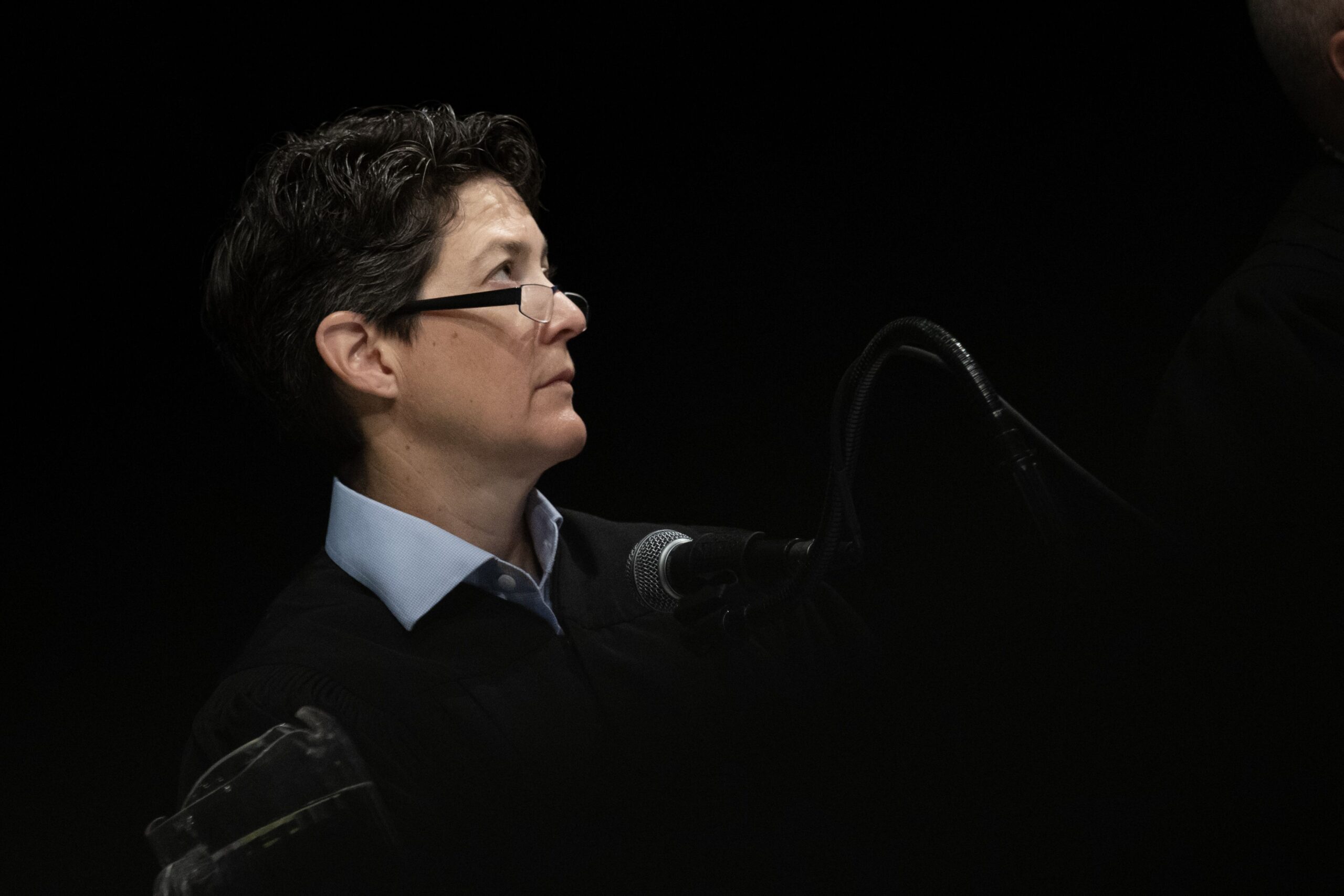
Members of the Colorado Supreme Court struggled on Tuesday to balance the need for one defendant to shield itself against a plaintiff’s claim that its employee sexually assaulted her child, and the fact that the employee legally admitted the allegations against him by failing to participate in nearly all of the civil case. A plaintiff…
-
Divided Colorado Supreme Court rejects defendant’s claim of deficient DNA investigation
The Colorado Supreme Court decided on Tuesday, by 4-2, that a defendant failed to allege how uninvestigated, inaccessible DNA evidence would have shown he was wrongly convicted. When Jamale D. Townsell filed a petition from prison seeking postconviction relief, he argued his trial lawyer was constitutionally ineffective for failing to properly investigate DNA evidence that…