

Colorado justices block injured plaintiff from suing, despite alleged concealment by Manitou Springs
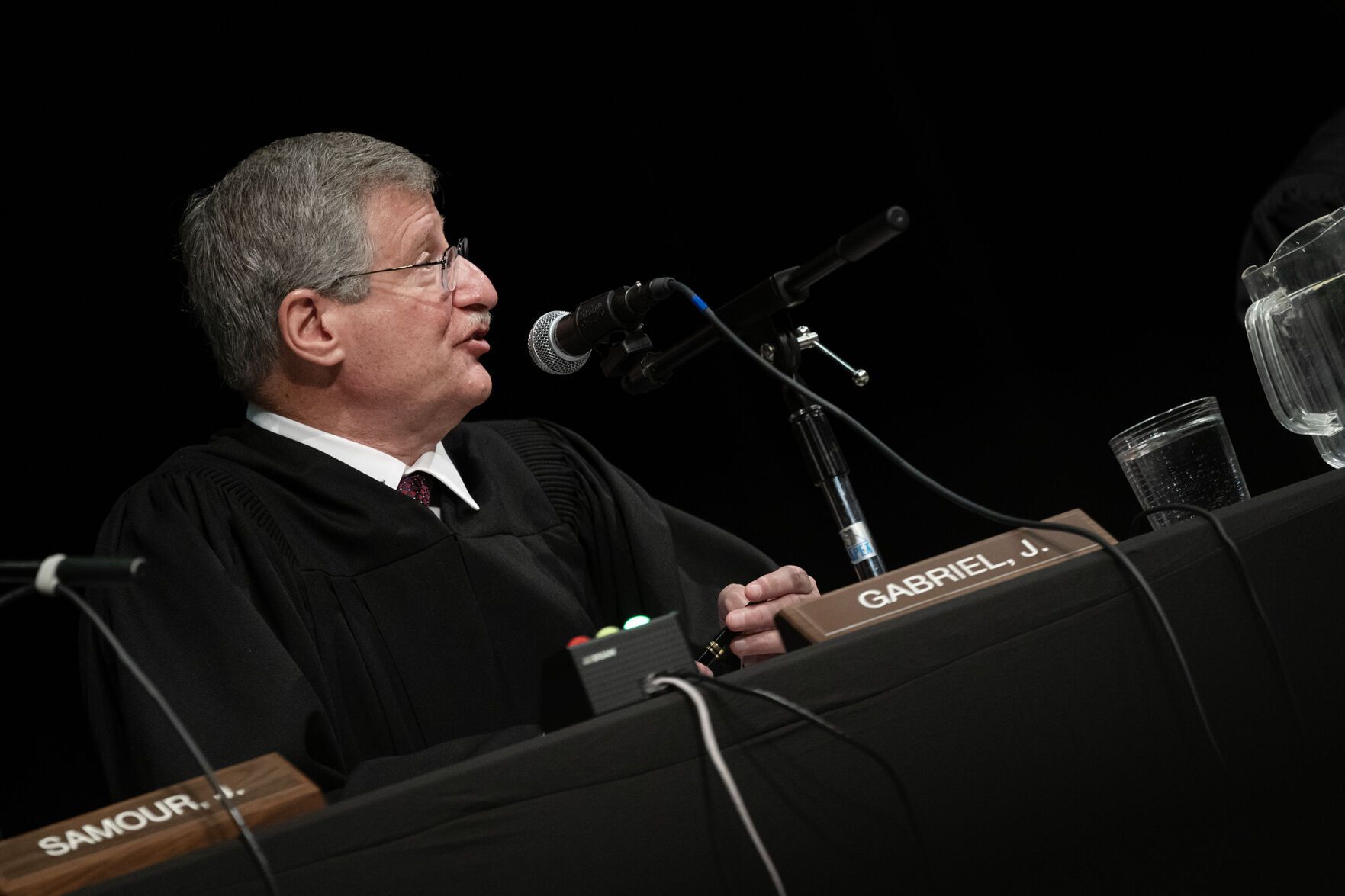
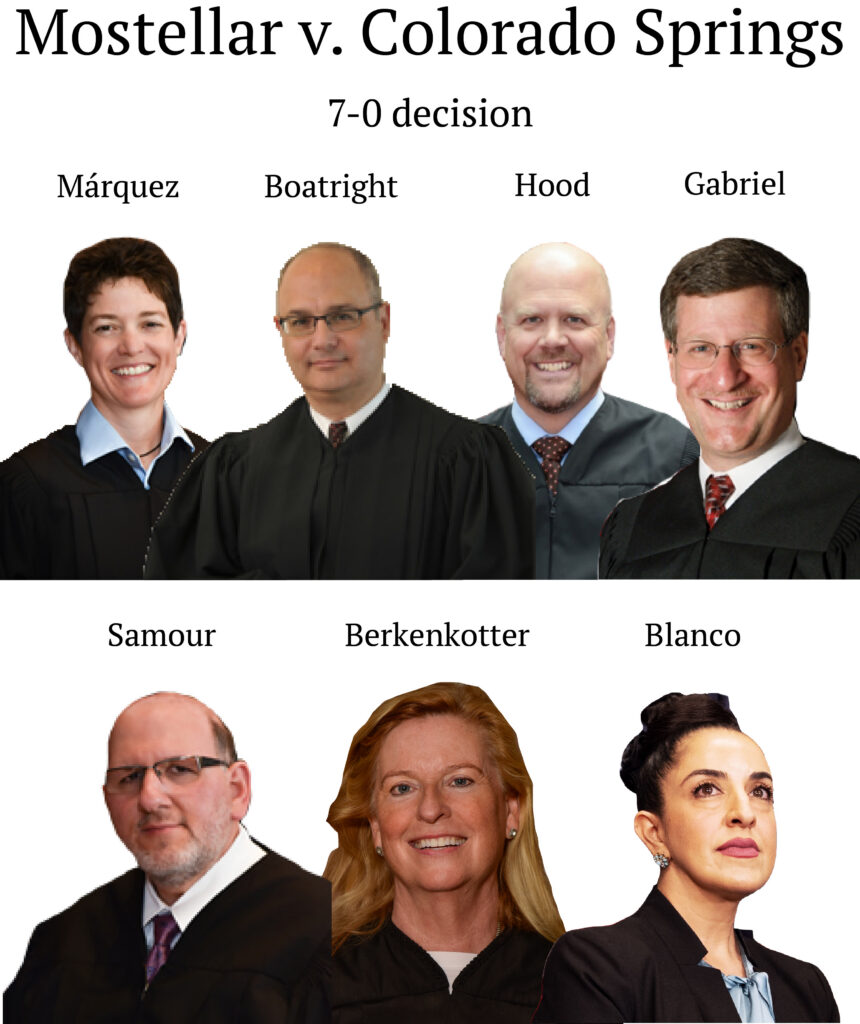
The Colorado Supreme Court ruled on Monday that a woman injured on a Manitou Springs sidewalk could not sue the allegedly responsible entity, the city of Colorado Springs, even though she did not learn until too late of an agreement that made the city liable for the defective infrastructure.
Jaimi J. Mostellar argued that Manitou Springs had failed to disclose the existence of an intergovernmental agreement involving Colorado Springs for more than a year after she notified Manitou Springs of her injuries. Although Mostellar quickly pivoted to suing Colorado Springs, the state’s Court of Appeals dismissed her lawsuit because she was under a strict obligation to alert Colorado Springs within 182 days of her injury.
One appellate judge suggested that the legislature consider changing the law to avoid the alleged gamesmanship in Mostellar’s case. In an April 13 opinion, the Supreme Court agreed with that suggestion; at the same time, it found Mostellar’s lawsuit was forever barred.
The “result that we reach today may, to some, seem harsh and inequitable because Mostellar and her counsel appear to have acted in good faith and tried to comply,” wrote Justice Richard L. Gabriel. “Although we are not unsympathetic to this argument, we are constrained to follow the plain language of (the law), and any effort to remedy inequity that might result from the application of the statute’s plain language is more appropriately directed to our General Assembly.”
Mostellar fell in Manitou Springs after tripping on the protruding base of a removed bus stop sign. She initially alerted Manitou Springs of her injuries well within the deadline required by the Colorado Governmental Immunity Act. However, Manitou Springs did not disclose to Mostellar until more than a year later that Colorado Springs was, through an intergovernmental agreement, seemingly responsible for the infrastructure that caused Mostellar’s fall.
After Mostellar named Colorado Springs as a defendant in a new lawsuit, District Court Judge Eric Bentley allowed her to proceed despite the notification deadline. The city had not shown Mostellar, “with reasonable diligence, could or should have discovered (the agreement) before Manitou Springs’ counsel informed her of it,” he wrote.
However, a three-judge Court of Appeals panel reversed his order. It concluded the immunity law required Mostellar to fully comply with the 182-day deadline for alerting Colorado Springs, and she had not done so.
Judge Rebecca R. Freyre, while agreeing with the panel’s decision to dismiss Mostellar’s lawsuit, wrote separately to advocate for adjusting the hard 182-day notice requirement so that future government defendants cannot defeat legitimate lawsuits through their own actions.
Mostellar’s case illustrates “the real possibility that public entities can manipulate the jurisdictional 182-day notice requirement by failing to timely inform a plaintiff of intergovernmental agreements,” she warned.
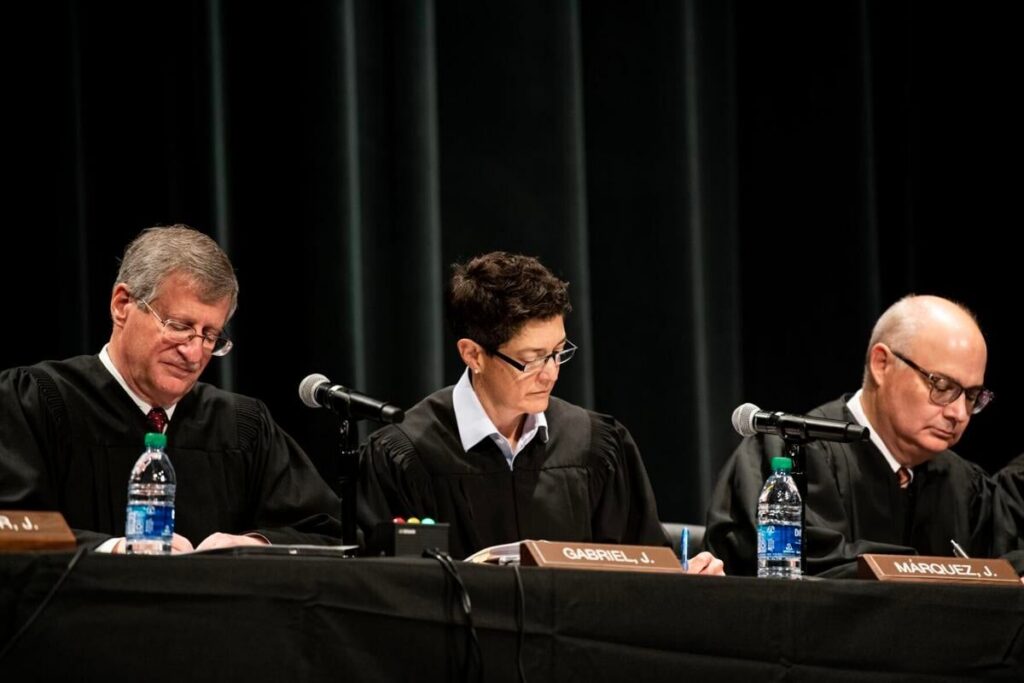
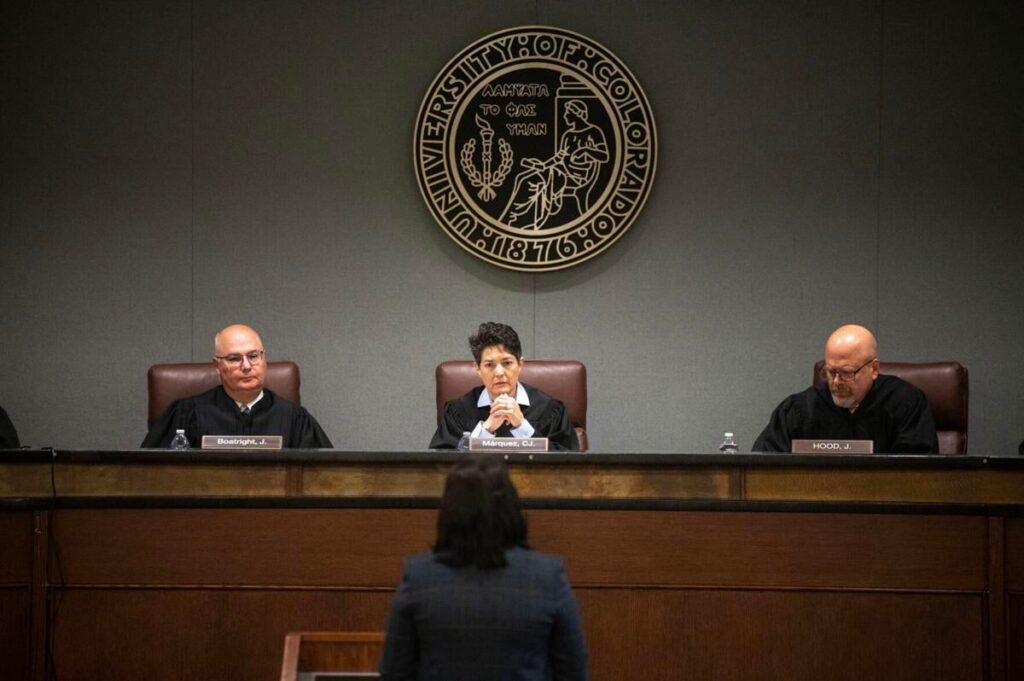
During oral arguments at the Supreme Court, Chief Justice Monica M. Márquez and Justice Maria E. Berkenkotter both wondered whether it was realistic for Mostellar’s attorney to find the intergovernmental agreement within 182 days, or whether, as he argued, it would have been “impossible.”
“I think we can safely assume that those types of ownership documents would necessarily be public documents,” said Márquez, which a public records request could reveal.
Yet, “part of your point, I think, is that it took them a year-and-a-half to figure this out, so how on earth could you have figured this out in 182 days, correct?” asked Berkenkotter.
“I don’t know how I could have done better than Manitou. Manitou knows everything about Manitou,” said Mostellar’s attorney, Mark H. Kane.

Ultimately, the Supreme Court agreed that Mostellar had 182 days to notify Colorado Springs after her injury, and the deadline was non-negotiable. Further, the justices did not agree that Manitou Springs’ alleged concealment precluded Mostellar from identifying the correct defendant in time.
“For example, she has not explained why she could not have submitted an open records request or researched how transit systems are organized in Manitou Springs, either of which could have revealed Colorado Springs’ involvement,” wrote Gabriel. Moreover, “any misconduct by Manitou Springs is irrelevant to Mostellar’s statutory duties toward Colorado Springs, the party entitled to notice here.”
Mosteller’s attorney did not immediately respond to a request for comment, nor did Manitou Springs immediately respond to an inquiry about its failure to disclose the agreement with Colorado Springs sooner.
The case is Mostellar v. City of Colorado Springs.

Colorado Supreme Court weighs trans rights case involving Children’s Hospital and federal threats
Michael Karlik
michael.karlik@coloradopolitics.com
Updated 11 hours ago
Some members of the Colorado Supreme Court expressed discomfort on Tuesday with having to decide whether to order Children’s Hospital Colorado to resume providing certain services to transgender children, which could trigger a “death sentence” if the federal government imposes...
Colorado justices weigh constitutionality of unique disclosure requirement for ballot measures
Michael Karlik
michael.karlik@coloradopolitics.com
Updated 19 hours ago
Members of the Colorado Supreme Court considered on Tuesday whether a unique feature of the state’s campaign finance system categorically violates the First Amendment by requiring the disclosure of a ballot measure committee’s legal representative on advertisements. No on EE...
Divided Colorado Supreme Court opens door to experts’ views on children’s truthfulness
Michael Karlik
michael.karlik@coloradopolitics.com
Updated 13 hours ago
The Colorado Supreme Court ruled on Monday that experts may, in certain situations, tell jurors whether child witnesses exhibited signs of being coached by adults, without running afoul of the general prohibition on witnesses testifying about the truthfulness of other...

State Supreme Court to hold oral arguments, federal judges find fault with bond hearings | COURT CRAWL
Michael Karlik
michael.karlik@coloradopolitics.com
Updated 2 days ago
Welcome to Court Crawl, Colorado Politics’ roundup of news from the third branch of government. The state Supreme Court will resume hearing oral arguments tomorrow, plus some federal judges are raising the alarm about immigration judges’ handling of bond hearings....
Douglas County seeks state Supreme Court review in open meeting case
Nicholas Fogleman
nicholas.fogleman@denvergazette.com
Updated 2 days ago
The Douglas County Board of Commissioners intends to petition the Colorado Supreme Court to review a recent court decision that found the board had violated the Colorado Open Meeting Law. The case stems from 11 “closed, unnoticed” meetings held by...
10th Circuit provides guidance on police searches of cloud-based data
Michael Karlik
michael.karlik@coloradopolitics.com
Updated 5 days ago
The Denver-based federal appeals court provided guidance to law enforcement agencies on Monday for ensuring that searches of cloud-based accounts comply with the Fourth Amendment’s requirements. A three-judge panel of the U.S. Court of Appeals for the 10th Circuit noted...
Federal judge releases man after 2 immigration judges disobey order
Michael Karlik
michael.karlik@coloradopolitics.com
Updated 5 days ago
A federal judge released a man from immigration detention on Thursday after two different immigration judges disobeyed his order in the same case. “At this point, the Court has granted Respondents two bites at the apple to prove detention of...
New rules for private judges in Colorado include discipline oversight, campaign contributions
David Migoya
david.migoya@gazette.com
Updated 4 days ago
The Colorado Supreme Court recently determined the state’s private judges — retired jurists appointed to oversee civil cases that rarely get public scrutiny — can now make political contributions freely and without reserve, overruling a prohibition that had been in...
Appeals court finds Prowers County judge incorrectly analyzed firetruck collision lawsuit
Michael Karlik
michael.karlik@coloradopolitics.com
Updated 6 days ago
Colorado’s second-highest court directed a Prowers County judge last month to take a second look at whether a firetruck operator and the county itself can be held liable for a collision with a motorist. Donald Williamson was driving through a...
Appeals court reverses assault convictions after jury received no definition of ‘harm’
Michael Karlik
michael.karlik@coloradopolitics.com
Updated 6 days ago
Colorado’s second-highest court reversed an Arapahoe County defendant’s assault convictions last week, concluding the trial judge neglected to define a key, ambiguous term for jurors. Police officers arrested David Cristobal Aragon at a house party for allegedly violating a restraining...
PREV
PREVIOUS
Denver continues to explore moving to a biennial budget
There’s continued momentum to shift the city of Denver to a biennial budget cycle, and if approved by the City Council, the measure would be sent to voters on the November 2026 ballot. The idea, first put forth in December, returned Monday to the Budget and Policy Committee meeting for further discussion, with sponsors maintaining […]
Polis pushes back after Trump administration again denies federal disaster aid
A dispute over federal disaster aid escalated Monday as Colorado Gov. Jared Polis faulted the Trump administration for rejecting the state’s appeals for assistance following last fall’s fires and flooding. The state initially filed for a Major Disaster Declaration for the Elk and Lee fires in Rio Blanco County last August and for flooding in […]