

governmental immunity
-

Colorado Springs may be sued for faulty intersection, state Supreme Court rules
The Colorado Supreme Court decided last month that Colorado Springs can be sued over a collision that occurred as a result of traffic lights that were functioning normally in one direction, but were inoperative in the perpendicular direction. The question for the Supreme Court was whether the traffic arrangement provided “conflicting” signals to plaintiff Bernard…
-
Colorado justices block injured plaintiff from suing, despite alleged concealment by Manitou Springs
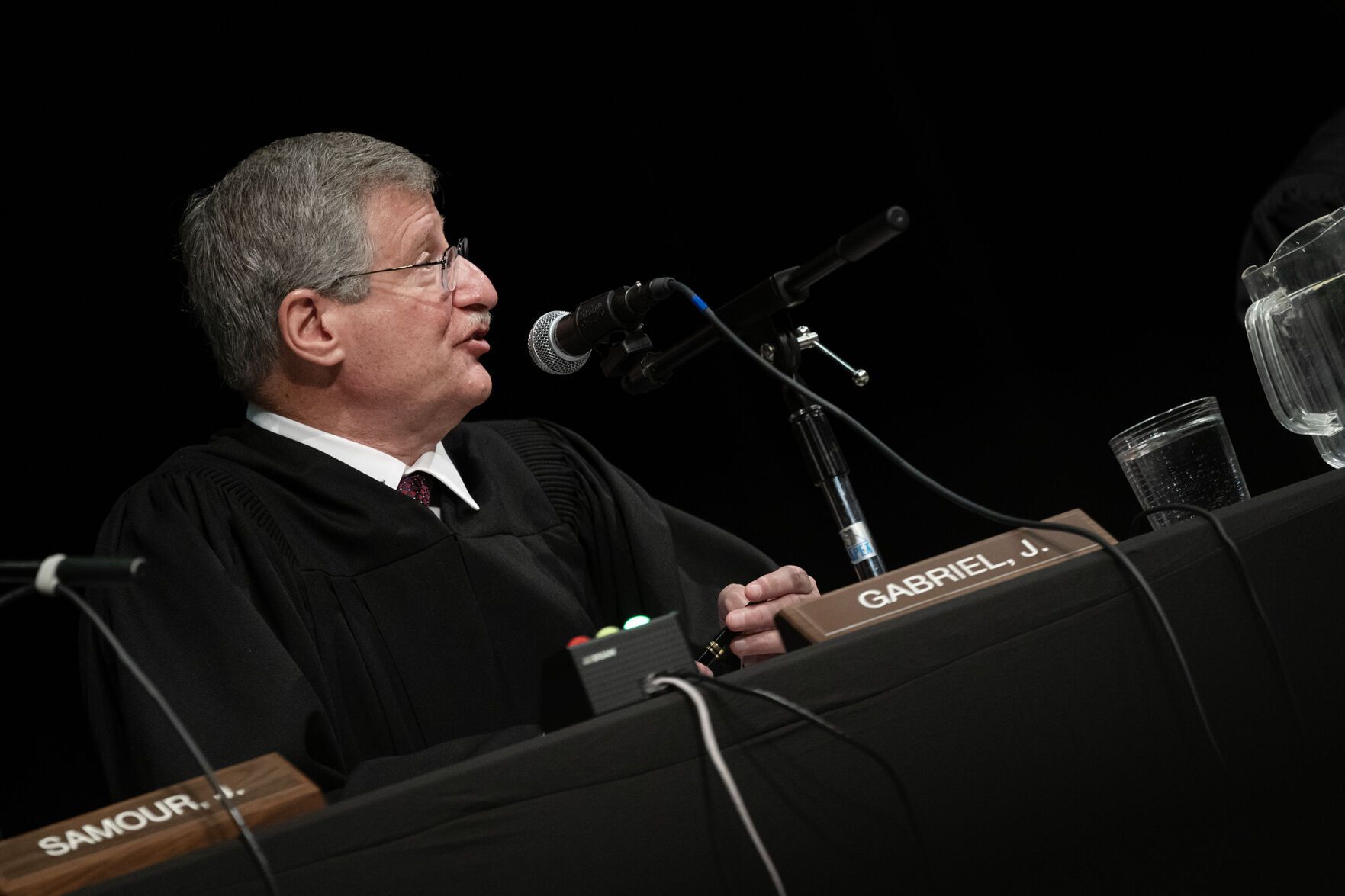
The Colorado Supreme Court ruled on Monday that a woman injured on a Manitou Springs sidewalk could not sue the allegedly responsible entity, the city of Colorado Springs, even though she did not learn until too late of an agreement that made the city liable for the defective infrastructure. Jaimi J. Mostellar argued that Manitou…
-
Appeals court finds Prowers County judge incorrectly analyzed firetruck collision lawsuit
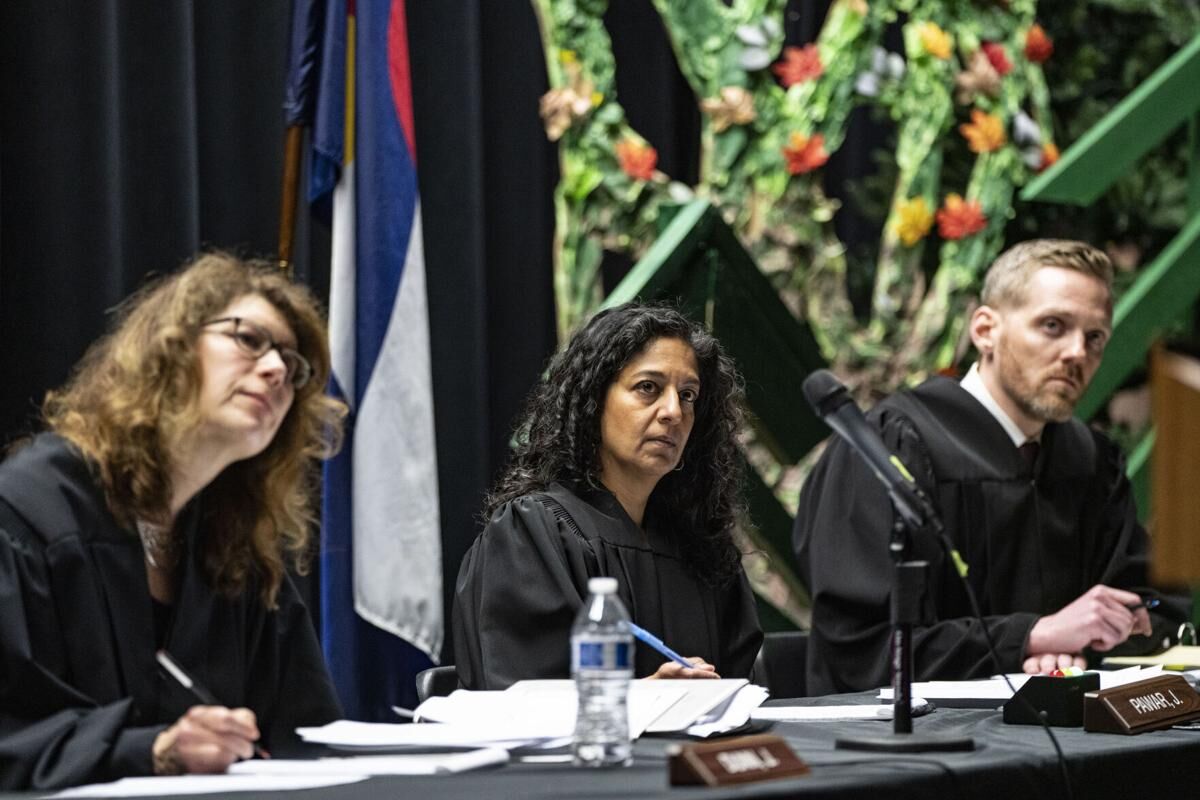
Colorado’s second-highest court directed a Prowers County judge last month to take a second look at whether a firetruck operator and the county itself can be held liable for a collision with a motorist. Donald Williamson was driving through a green light in Lamar when he crashed into a firetruck operated by John Owens Jr.…
-
Justices debate what to do when governments withhold key info from plaintiffs
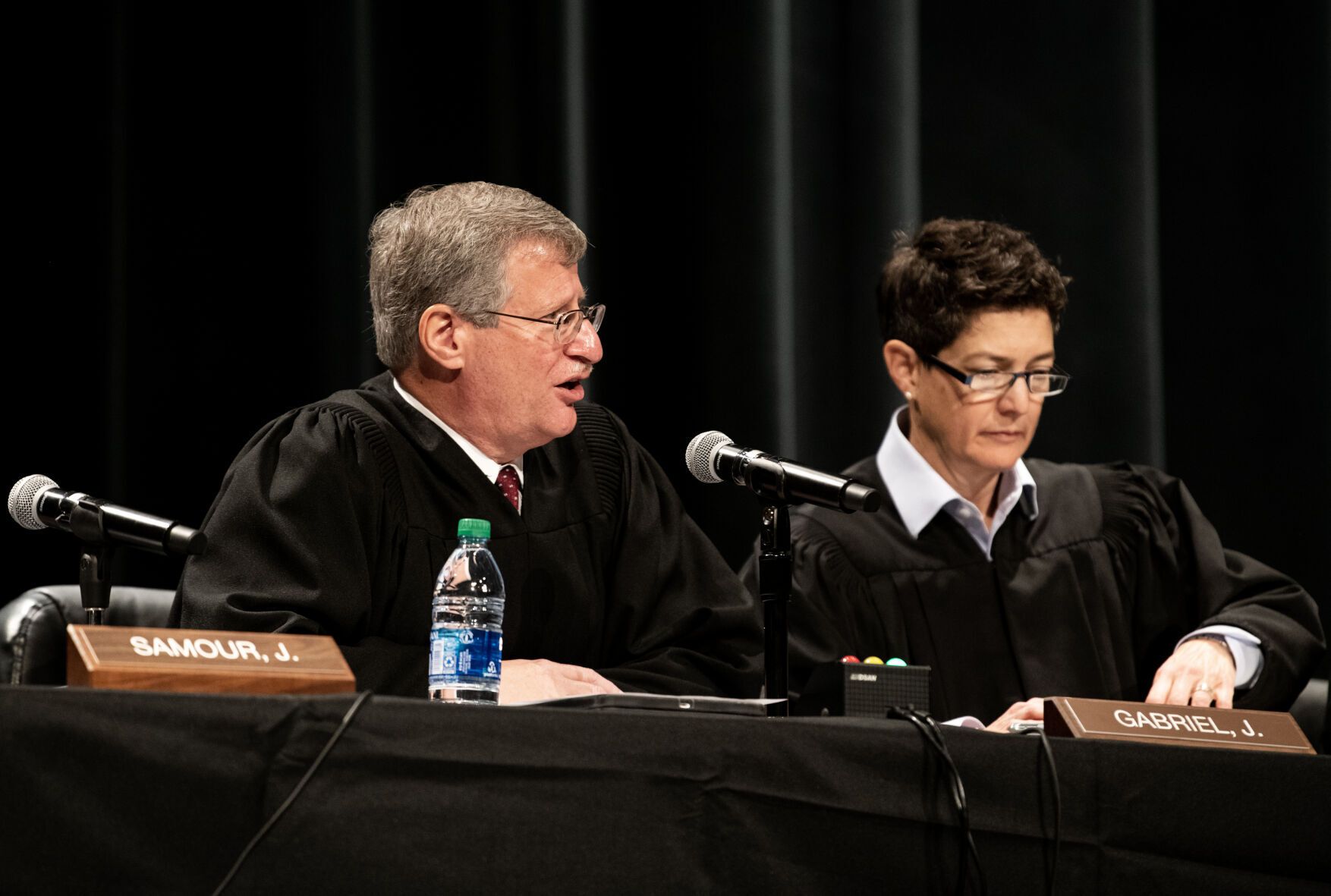
Members of the Colorado Supreme Court seemed to be on different pages when they considered on Tuesday whether a woman injured by a sidewalk defect in Manitou Springs was forever barred from suing the actual entity responsible because she did not learn until it was too late that Colorado Springs was the proper defendant. The…
-
Colorado justices skeptical that Colorado Springs is immune to crash caused by faulty signal
Members of the Colorado Supreme Court seemed doubtful on Wednesday that the city of Colorado Springs cannot be sued over a collision that occurred as a result of traffic lights that were functioning normally in one direction, but were inoperative in the perpendicular direction. Construction was occurring at the intersection of South Tejon Street and…
-
Appeals court rules civil trial over Kendrick Castillo’s death not required if STEM School pays max damages
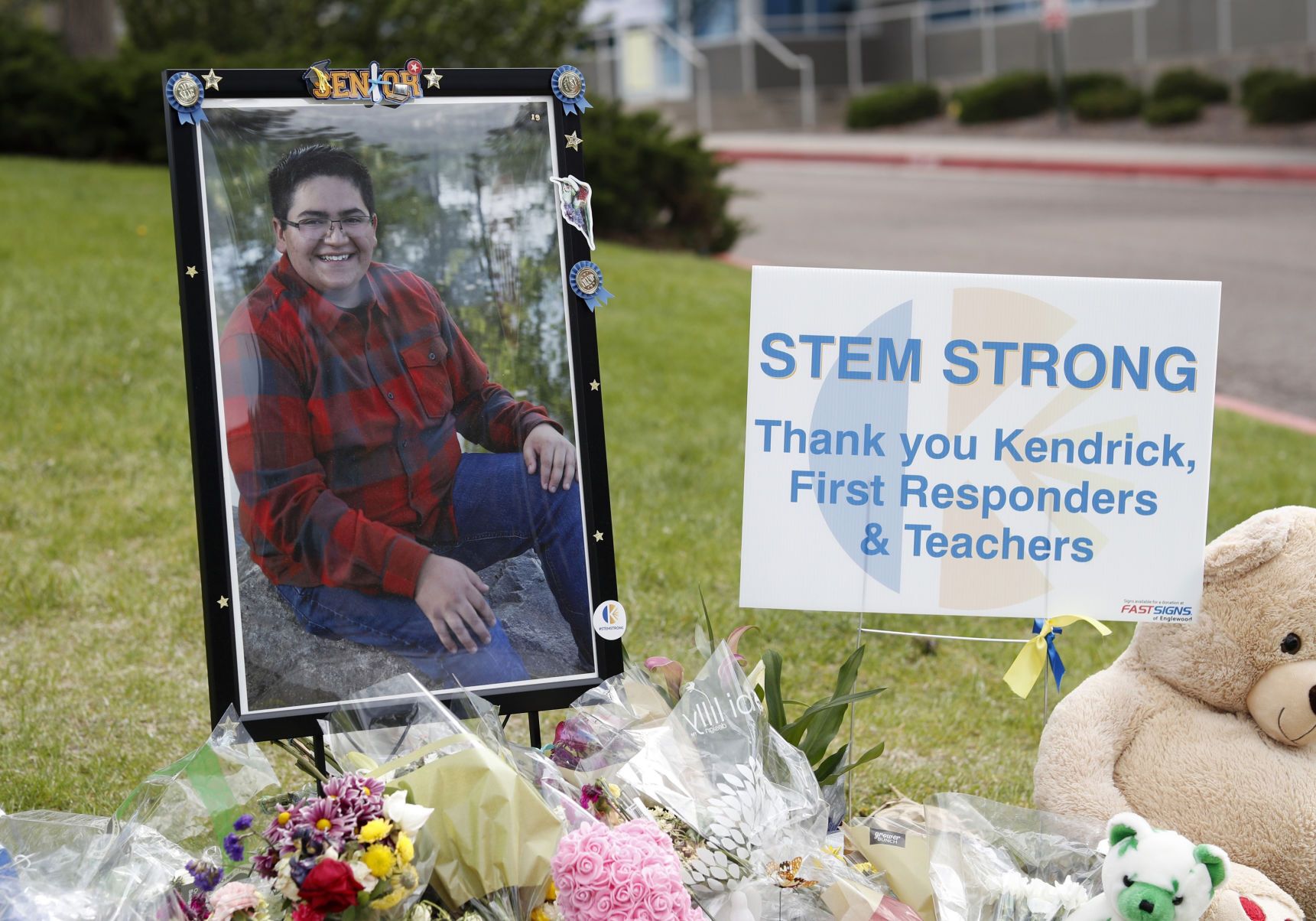
Colorado’s second-highest court determined on Thursday that a civil trial over the 2019 shooting death of Kendrick Castillo is not required after the defendant agreed to pay the maximum damages available to Castillo’s parents, without admitting liability. John and Maria Castillo, the parents of Kendrick, sued STEM School Highlands Ranch in 2021, two years after…
-

Appeals court rules Denver officer, city may be sued for collision with scooter
Colorado’s second-highest court concluded last month that a Denver police officer and the city itself were not immune from the negligence lawsuit of a scooter rider injured after the officer ran a red light. Jordon Reynolds was riding a scooter on N. Holly Street late one night in October 2023 just as Officer Emmett Hurd…
-
Appeals court eases path for injured plaintiffs to appeal unsuccessful claims against government
Colorado’s second-highest court on Thursday clarified that injured plaintiffs have the same opportunity as the government to appeal a judge’s order whenever the claims implicate the immunity afforded to public entities under state law. The Colorado Governmental Immunity Act broadly shields government entities and employees from lawsuits. There are exceptions, including for emergency vehicle operators…
-
10th Circuit dismisses trip-and-fall lawsuit against DIA
The Colorado-based federal appeals court dismissed a woman’s lawsuit against Denver last month, which attempted to hold the city liable for her trip-and-fall on a floor mat in the security screening area of Denver International Airport. A three-judge panel of the U.S. Court of Appeals for the 10th Circuit agreed Ana Guardado of Los Angeles…
-
Colorado justices say plaintiffs must show ‘likelihood’ of negligence in suing government for injuries
The Colorado Supreme Court ruled on Monday that plaintiffs suing the government for injuries caused by a dangerous condition in a public building must demonstrate at the outset they can likely succeed in proving the government’s negligence. In doing so, the justices rejected the Court of Appeals’ belief that it was not necessary for a…