

Hands-free law credited with preventing 600 crashes and 6 deaths in Colorado

New data shows Colorado’s hands-free law is curbing distracted driving on the state’s highways and has helped prevent nearly 600 crashes, more than 400 injuries and six fatalities statewide.
A one-year analysis by Cambridge Mobile Telematics found that distracted driving declined 4.7% from 2024 to 2025 and dropped 8.3% in the first month after the law took effect Jan. 1, 2025, according to a release from the Colorado Department of Transportation.
The data is gathered from smartphone sensors that capture phone motion, screen activity, harsh braking, acceleration, cornering and other driving behaviors while the vehicle is moving, according to Cambridge Mobile Telematics.
Data is only gathered from drivers who voluntarily consent to monitoring, according to the company.
Colorado’s hands-free law prohibits drivers from holding or using a mobile device while driving. That includes stop lights. Offenders face a $75 fine and two points lost on their license.
Colorado State Patrol data also show encouraging trends. In 2025, troopers investigated 3,778 crashes involving inattentive drivers, a nearly 9% decrease from 2024. Enforcement increased sharply, with the patrol issuing 216% more citations for drivers using an electronic device while driving compared with 2024.
“The increase in citations shows that troopers are actively enforcing Colorado’s hands-free law and holding distracted drivers accountable,” Col. Matthew C. Packard, chief of the Colorado State Patrol, said in the release. “But enforcement alone isn’t the goal — we want drivers to change their behavior.”
According to CMT’s privacy policy, when telematics data remains linked to an individual account — such as in usage-based insurance programs — it can be subject to subpoenas in civil or criminal cases. Law enforcement or attorneys could seek records to examine a driver’s pre-crash behavior, including distraction metrics, under a valid court order.
Similar analyses in other states using CMT data have produced comparable results, according to reports from the Governors Highway Safety Association and CMT.
Michigan reported an 11.2% drop in phone distraction after enacting its hands-free law, estimating the prevention of hundreds of crashes. South Carolina saw a 7.6% first-month decline. Ohio, Alabama, Iowa and Missouri also documented reductions in distracted driving and estimated crash savings in the months following their laws being enacted.
According to the Colorado Department of Transportation, distracted driving remains the third leading contributing factor in Colorado traffic crashes and is often underreported because officers must rely on admissions from drivers or witnesses.
As Distracted Driving Awareness Month begins April 1, CDOT is reminding motorists that even small distractions can have serious consequences. The department encourages the use of dashboard mounts, Bluetooth systems or built-in vehicle technology such as Apple CarPlay or Android Auto.
“Colorado’s hands-free law is helping change habits, but it only works if drivers commit to it,” CDOT Executive Director Shoshana Lew said in the release. “When you’re behind the wheel, nothing on your phone is more important than getting everyone home safely.”


Colorado produce not tied to nationwide cyclospora outbreak, agriculture officials say
Marissa Ventrelli
marissa.ventrelli@coloradopolitics.com
Updated 3 hours ago
There is no indication that the recent outbreak of cyclospora, a fecal parasite that has contaminated food and water across nearly every state, can be linked to produce grown in Colorado, according to the state’s Department of Agriculture. “Colorado growers...

Planning Commission rejects resident appeals to stop proposed data center
alex-edwards
alex.edwards@gazette.com
Updated 4 hours ago
Editor’s note: This story has been updated to reflect comment from District 11 clarifying that it has not conducted a financial review of Project Taurus. The Colorado Springs Planning Commission rejected appeals Thursday night against a proposed artificial-intelligence data center...

Inspiration for film ‘Safety’ is tourney’s special guest | NONPROFIT REGISTER
Joanne Davidson Special to Colorado Politics
joanne-davidson-special-to-colorado-politics@coloradopolitics.com
Updated 6 hours ago
VOLUNTEERS OF AMERICA COLORADO Denver News: Ray McElrathbey, a former Clemson University football player whose story of fighting to keep his brother out of foster care inspired the Disney+ movie “Safety,” will be the special guest when Volunteers of America Colorado hosts...
2026 Legends of Agriculture to be honored at fundraising dinner | NONPROFIT REGISTER
Joanne Davidson
joanne-davidson@coloradopolitics.com
Updated 2 minutes ago
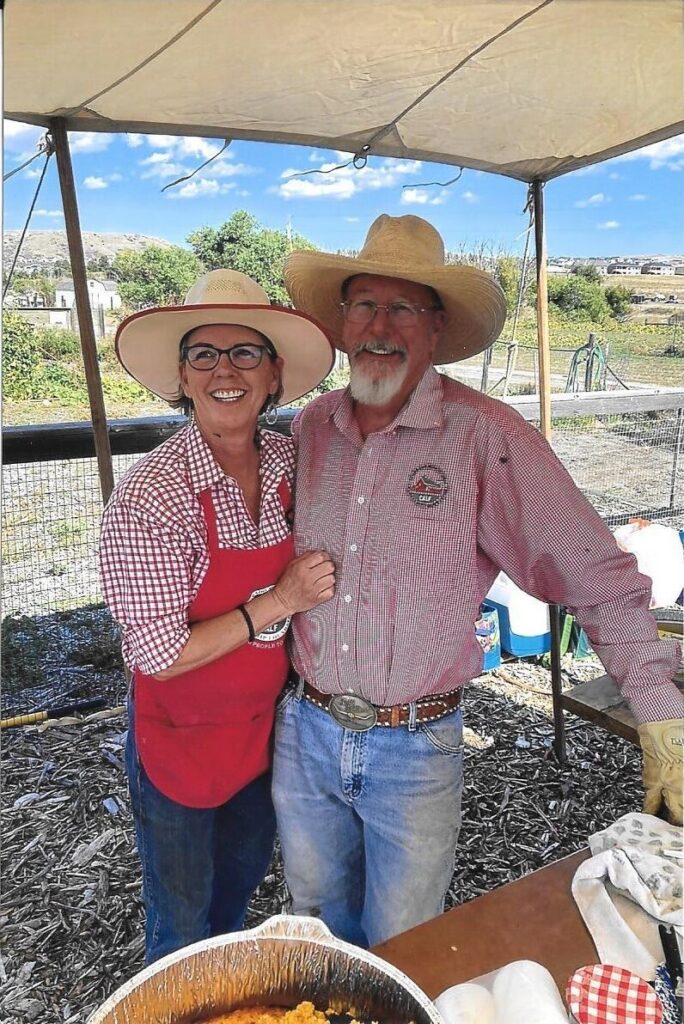
COLORADO AGRICULTURAL LEADERSHIP FOUNDATION Castle Rock News: Mark and Teri Moore have been selected as the 2026 Legends of Agriculture and will be honored at a Sept. 18 dinner benefiting the Colorado Agricultural Leadership Foundation (CALF). The event begins at 5 p.m. at CALF’s...

Denver approves new downtown pedestrian bridge connecting LoDo, Ball Arena
Deborah Grigsby
deborah.smith@denvergazette.com
Updated 8 hours ago
Denver has approved a no-cost intergovernmental agreement with two metropolitan districts for a new pedestrian and bicycle bridge over Speer Boulevard. The Denver City Council resolution, approved Monday, allows Kroenke Sports and Entertainment Metropolitan Districts No. 2 and No. 3...
Colorado housing laws take effect, expanding tools for affordable and workforce housing
Marissa Ventrelli
marissa.ventrelli@coloradopolitics.com
Updated 2 days ago
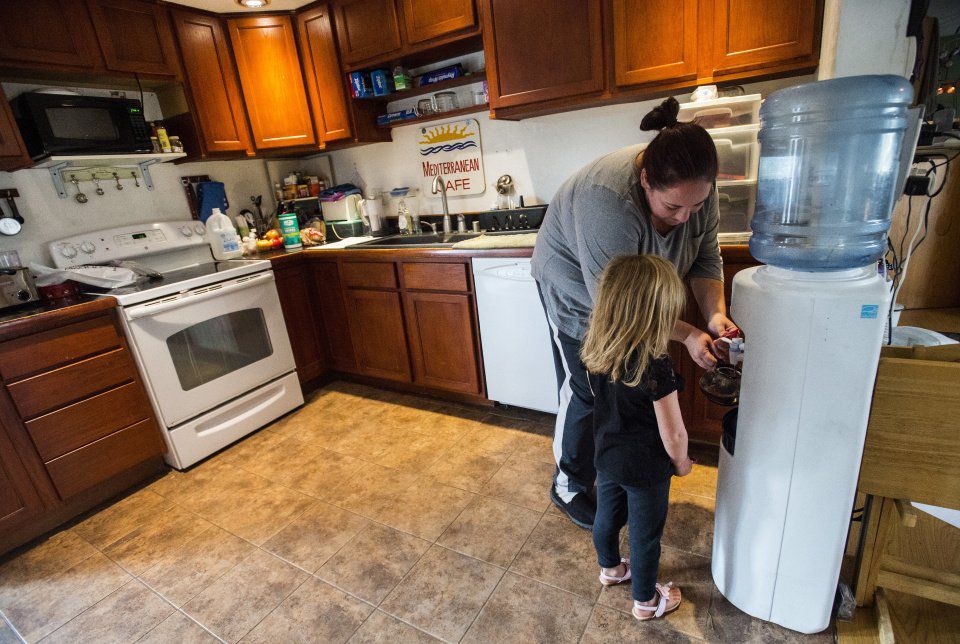
New housing laws taking effect on Aug. 12 in Colorado aim to boost affordability, improve homelessness response and ensure safer water systems for mobile‑home communities. The first bill, Senate Bill 001, allows municipalities to sell county- or town-owned property to...

Colorado drivers tap ‘Montana loophole’ to avoid high vehicle registration and tax costs
Marianne Goodland
marianne.goodland@coloradopolitics.com
Updated 2 days ago
Coloradans looking to avoid high vehicle registration fees have turned to what’s known as the “Montana loophole” — a strategy that surfaced recently at a luxury car event near the Cherry Creek Mall. Here’s how it works. A Colorado resident...

Denver mayor promises universal childcare, housing expansion in city address
Deborah Grigsby
deborah.smith@denvergazette.com
Updated 2 days ago
Nearly a year after Denver cut city jobs to close a $250 million budget gap, Mayor Mike Johnston used his third State of the City address to promise universal childcare and 20,000 homes as part of a new redevelopment vision...
Douglas County tables Crowsnest development proposal
Nicholas Fogleman
nicholas.fogleman@denvergazette.com
Updated 2 days ago
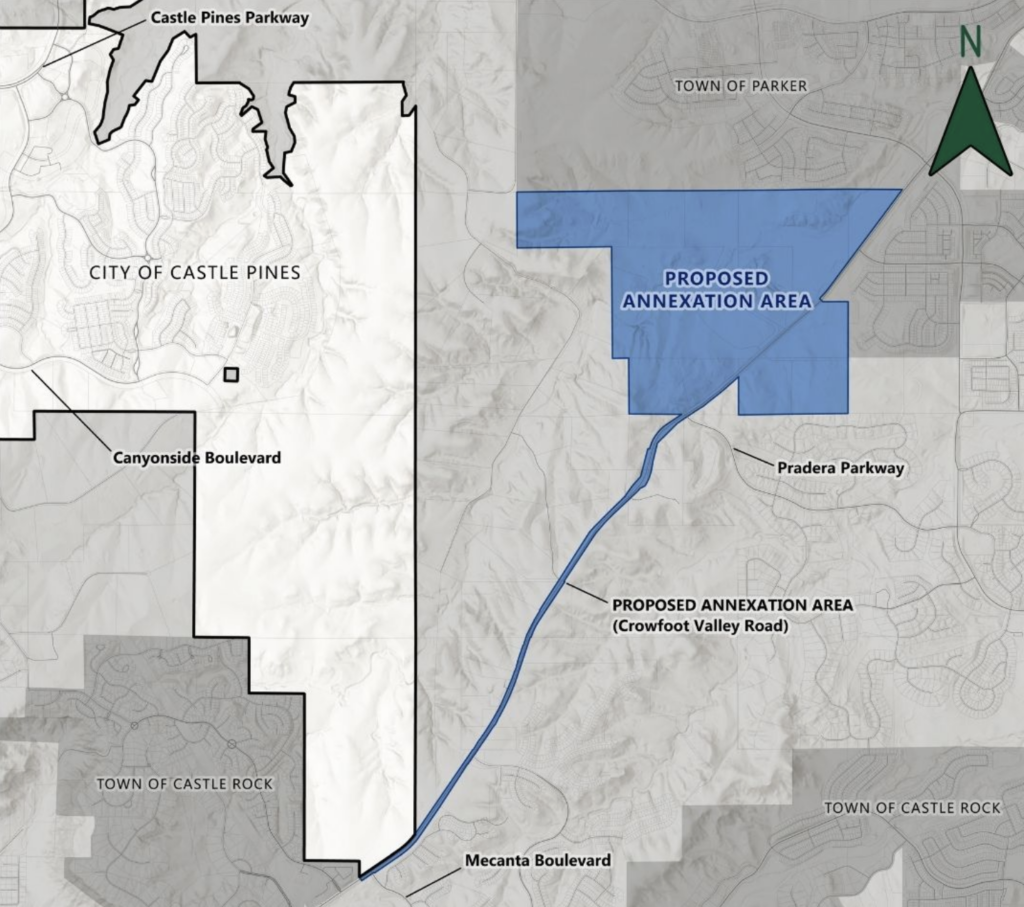
A proposal that could pave the way for future residential development in Douglas County will receive additional review after the Planning Commission voted Monday to table the Crowsnest land-use application following a lengthy public hearing. The application seeks to change...

Survey: Voters in Colorado’s 8th Congressional District back federal AI regulations
Marissa Ventrelli
marissa.ventrelli@coloradopolitics.com
Updated 3 days ago
A majority of both Democrats and Republicans in one of Colorado’s most competitive congressional districts say they support federal regulations on artificial intelligence, according to a recent survey. Members of both major parties residing in the state’s 8th Congressional District...
PREV
PREVIOUS
Federal judge proposes sanctions against Mike Lindell's lawyers for continued fake citations
A federal judge is once again pursuing sanctions against lawyers for MyPillow CEO Mike Lindell for continuing to cite to court cases that do not exist, likely based on the faulty output of artificial intelligence tools. Last year, a jury in Colorado awarded plaintiff Eric Coomer $2.3 million in damages against the defendants, Lindell and […]
10th Circuit upholds regulator's methodology for Tri-State exit fees
The Denver-based federal appeals court upheld a regulatory agency’s methodology for calculating the fee owed by entities seeking to withdraw from Tri-State Generation and Transmission Association last week. Tri-State is a Westminster-based cooperative that provides and transmits electricity to member utilities throughout neighboring states and to other customers. Tri-State enters into long-term service contracts in […]