

One Chance to Grow Up director reflects on marijuana legalization 14 years later
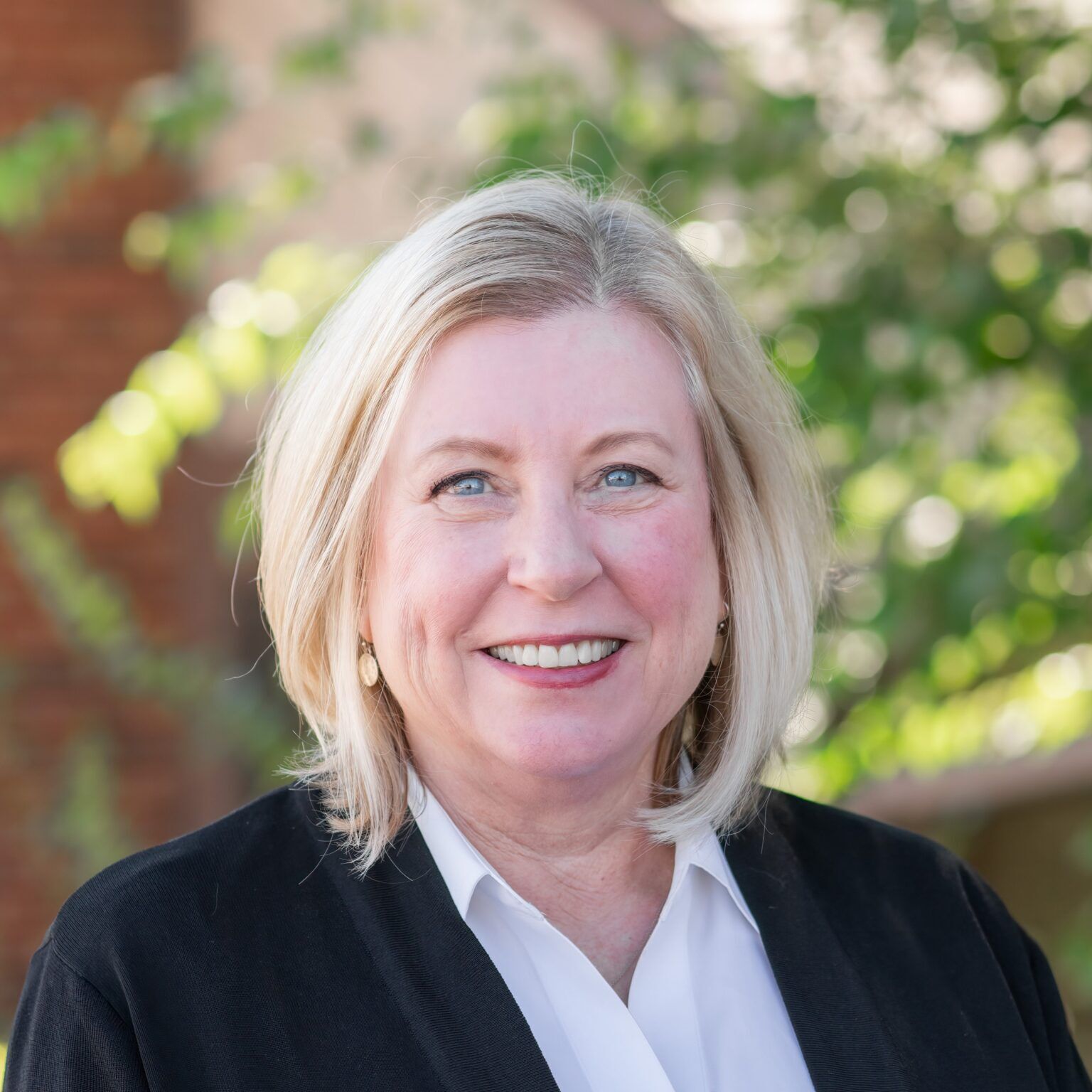
Fourteen years after Colorado became one of the first states to legalize recreational marijuana, the executive director of an organization focused on educating parents about the drug’s effects on developing brains is reflecting on how much has changed in nearly a decade.
Henny Lasley, cofounder of One Chance to Grow Up, said among the biggest developments is the increased potency of marijuana products and the rise of vaping, particularly among kids and teens.
“A group of concerned parents came together because our state had no roadmap about how this was going to impact kids and communities,” she said of marijuana legalization. “Our focus is truly exclusively on children; we do not get into the pros and cons of legalization of adult use, and the primary reason for that is because we know that the developing brain is especially susceptible to THC.”
Over the years, Lasley and her group have pushed for several pieces of legislation at the state legislature. They included 2021’s House Bill 1317, which authorized the Colorado School of Public Health to conduct a study on high-potency marijuana and required doctors to conduct an assessment of a patient’s mental health history when making medical marijuana recommendations.
The bill also imposes additional requirements on medical marijuana patients under 21, which Lasley said “really dried up the flood of THC into our high schools.”
One Chance also helped pass legislation requiring labels on products containing THC and reducing the amount of THC in medical marijuana products for patients under 21.
The group advocated for federal legislation passed last November that closed the “intoxicating hemp loophole” created through the 2018 Farm Bill. The federal law bans hemp-derived THC products, such as Delta-8.
Lasley called the federal legislation “probably the biggest win that we have seen in drug policy over the past 15 years.”
This year in Colorado, One Chance has two main goals — convince the Colorado General Assembly to extend funding for the University of Colorado’s Anschutz School of Public Health’s “The Tea on THC” ad campaign. The group is also gearing up for a fight over a yet-to-be-introduced bill that would allow hemp-derived THC beverages to be sold in liquor stores and restaurants.
The “Tea on THC” campaign seeks to educate the public about the potential effects of high doses of THC — but do so in a nonjudgmental, non-vindictive way, Lasley said.
“We are a big believer that education and information is power, and it can be presented in a way where it’s not punitive in any manner,” she said. “That’s really our goal. Regardless of how any adult feels about the adult use of marijuana products, we should all collectively, including the marijuana industry, agree that it’s not good for the developing brain.”
White Lasley admitted she can’t know for sure what the next 15 years of marijuana policy would bring, but she believes there will be plenty more scientific studies pointing to the negative impacts THC can have on children.
“We think that there will be continued, stepped-up enforcement and additional regulations that will help protect consumers and kids,” she said. “Even if they do consume marijuana products, our job is to help parents understand that we’re not talking about their behavior, we’re talking about making sure that they understand the impacts on the developing brain.”


Healthcare Freefall: Longer drives, fewer options for maternity care in Colorado
Thelma Grimes
thelma.grimes@coloradopolitics.com
Updated 9 hours ago
Editor’s Note: Colorado’s healthcare system is entering a period of accelerating instability — a “tsunami,” as multiple leaders describe it — driven by collapsing hospital finances, shrinking Medicaid reimbursements, disappearing services and a political fight over who is responsible for...
Polis requests federal disaster declaration for Colorado wildfires and floods
9News
9news@coloradopolitics.com
Updated 2 hours ago
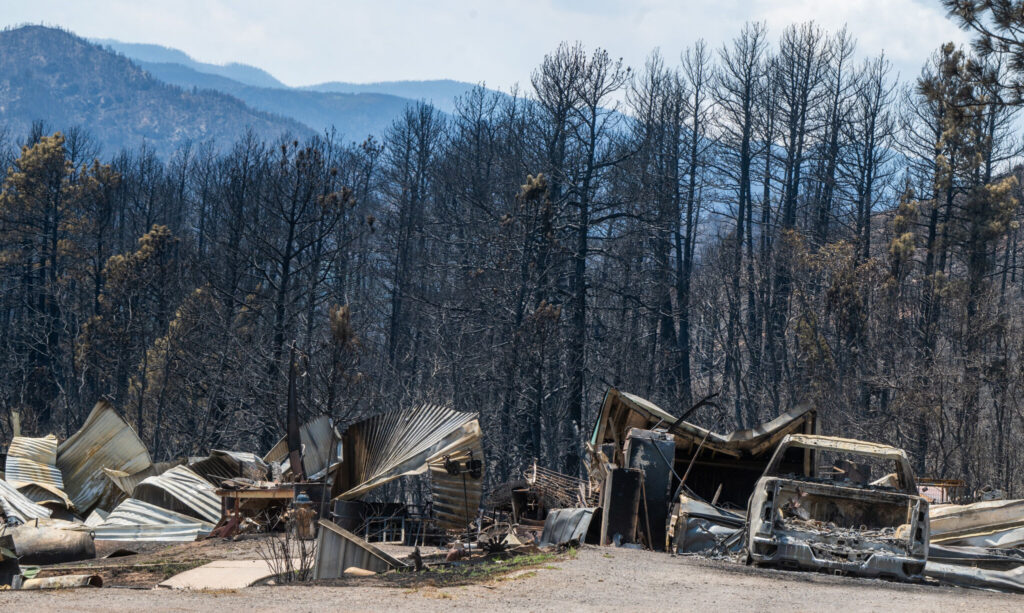
On Sunday, Gov. Jared Polis officially requested a Major Disaster Declaration from President Donald Trump and the Federal Emergency Management Agency to support recovery from two wildfires and the subsequent flooding and debris flows on both burn scars. Polis requested a declaration...

Operation Foster helps ensure troops can return home to their pets
Mary Shinn
mary-shinn@coloradopolitics.com
Updated 9 hours ago
As more troops have been sent overseas, more pets are in need of temporary care while they await their owner’s return home. Operation Foster, a nationwide nonprofit, helps provide some of that care by connecting service members with volunteers willing...
Operation Foster helps ensure troops can return home to their pets
Mary Shinn
mary-shinn@coloradopolitics.com
Updated 9 hours ago
As more troops have been sent overseas, more pets are in need of temporary care while they await their owner’s return home. Operation Foster, a nationwide nonprofit, helps provide some of that care by connecting service members with volunteers willing...
Castle Pines to hear annexation policy following moratorium on new requests
Nicholas Fogleman
nicholas.fogleman@denvergazette.com
Updated 9 hours ago
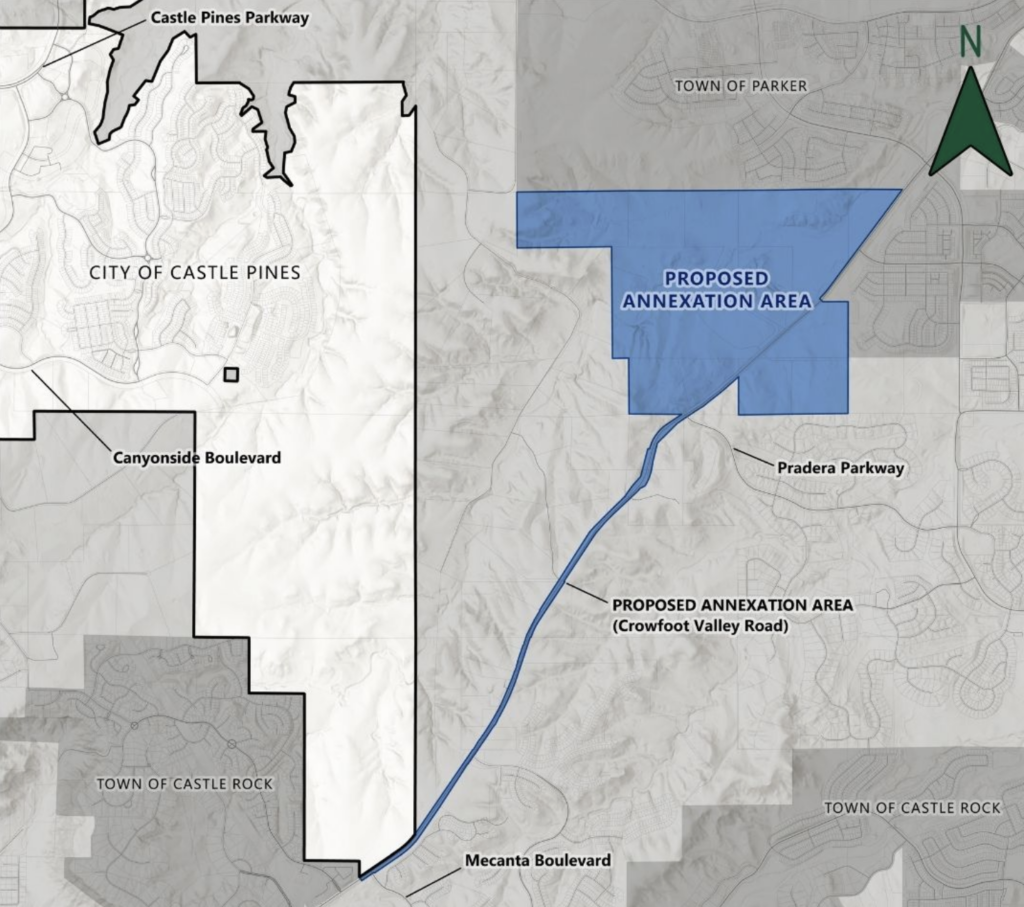
The Castle Pines City Council is set to consider a proposed annexation policy Tuesday that would establish the city’s first formal framework for reviewing future annexation requests. The policy emerged after the Crowsnest annexation proposal prompted significant public debate and...
Aurora lawmakers to discuss first of new data center regulations
Kyla Pearce
kyla.pearce@gazette.com
Updated 9 hours ago
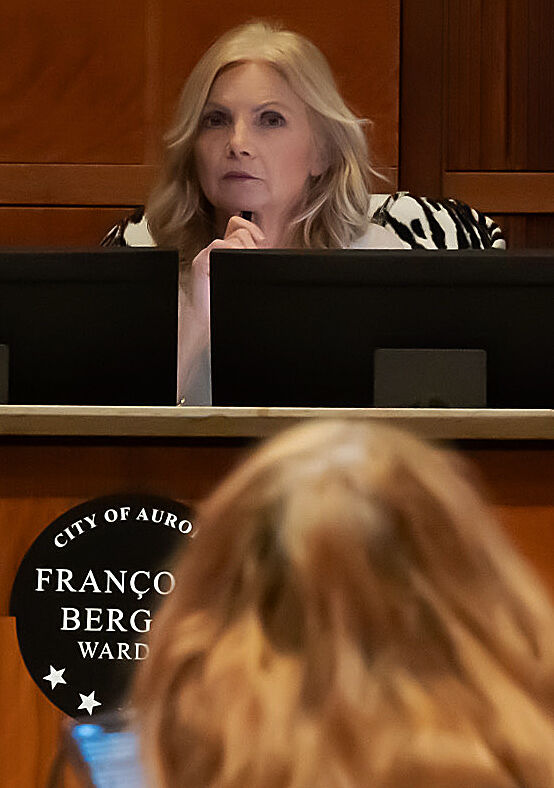
Aurora’s lawmakers will discuss the specifics of data center regulations Monday night, specifically focusing on an evaporative cooling ban and zoning changes. At the last council meeting, council members approved a resolution directing city management to update data center development...

Why local police departments are left to grapple with electric vehicle trends
Nicholas Fogleman
nicholas.fogleman@denvergazette.com
Updated 9 hours ago
Littleton officials are weighing new regulations for electric bicycles as cities and counties across the metro Denver area increasingly grapple with safety concerns involving e-bikes, electric motorcycles and other motorized vehicles that often fall into gray areas of Colorado law....

Colorado schools reopen with measles vaccination rates below protective threshold
Nico Brambila
nico.brambila@denvergazette.com
Updated 9 hours ago
Colorado is entering the new school year without active measles transmission, but health officials remain concerned as kindergarten MMR coverage sits at just 87.8% and most counties fall below the 95% threshold considered protective against outbreaks. “These declining vaccination rates,...
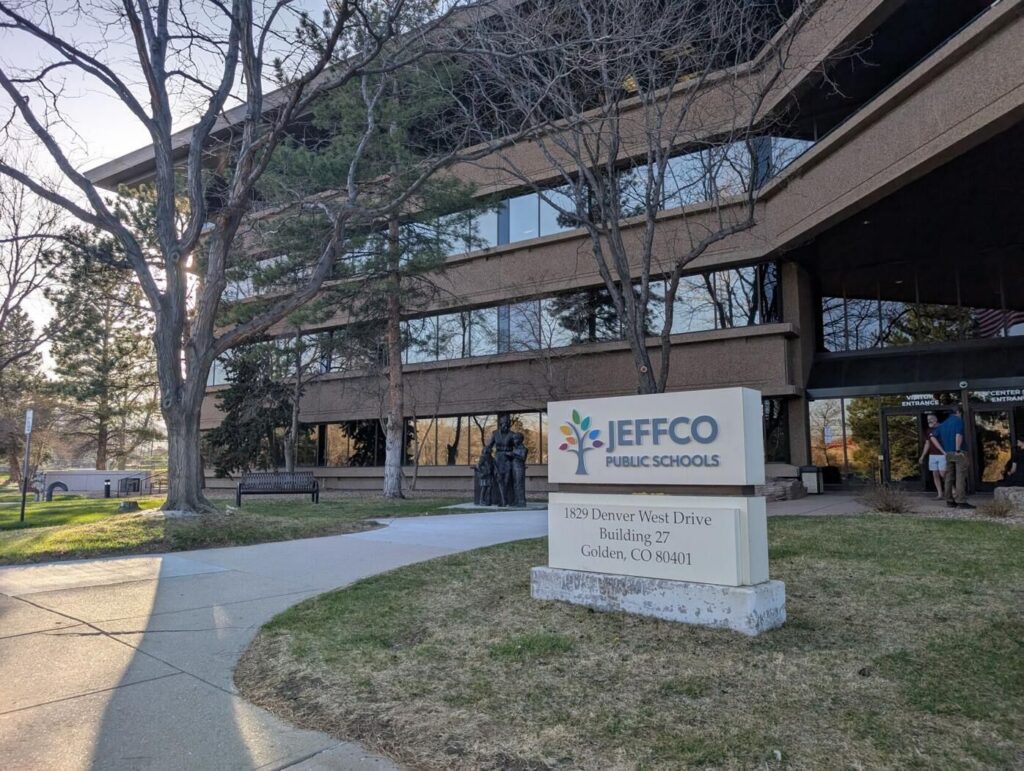
Jeffco Public Schools board votes to put $133M mill levy override before voters
Matt Kyle
matt.kyle@denvergazette.com
Updated 9 hours ago
Voters in Jefferson County will decide this November whether or not to approve a $133 million mill-levy override that Jeffco Public Schools officials say is needed to cover funding shortfalls in the district. The Jeffco Public Schools Board of Education...
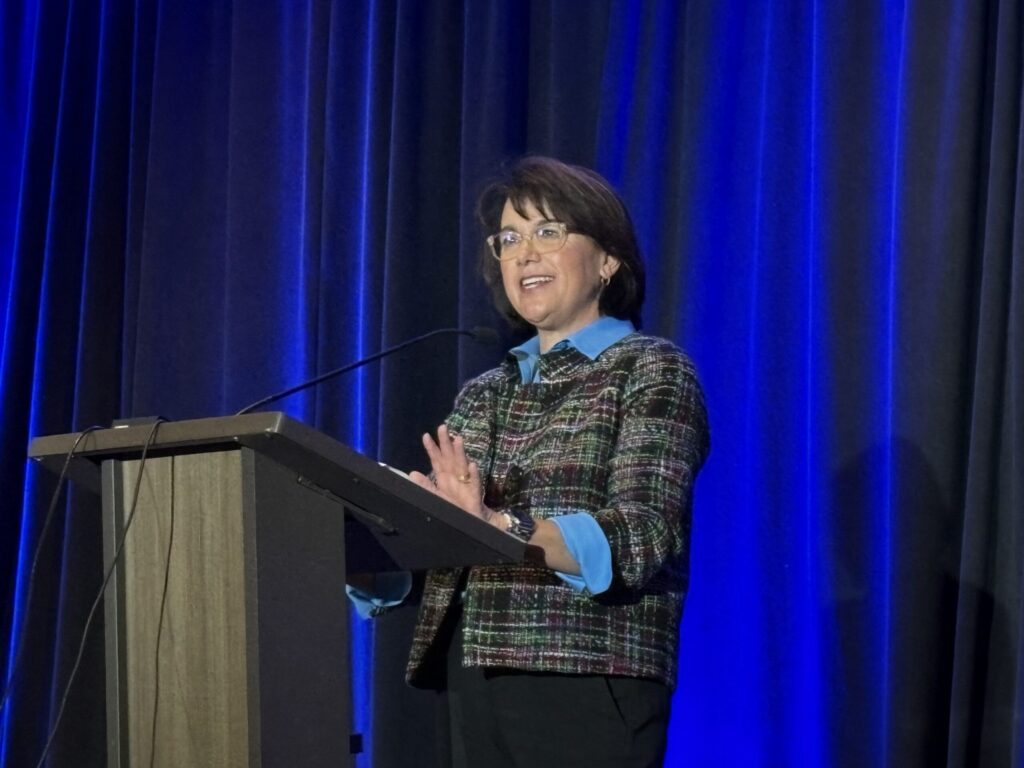
Democratic candidate in Colorado’s 4th CD urges long-term water planning
Marianne Goodland
marianne.goodland@coloradopolitics.com
Updated 2 days ago
The Democrat hoping to become the next representative of Colorado’s 4th Congressional District on Thursday made her case on the final day of Colorado Water Congress in Steamboat Springs. Eileen Laubacher, who spent 34 years in the U.S. Navy and...
PREV
PREVIOUS

Appeals court divided over effect of retroactive sentence on parole calculation
Colorado’s second-highest court grappled last week with the framework for calculating a defendant’s earliest possible parole date in light of two intersecting legal principles — a judge’s ability to make an order retroactive, and the requirement that separate, simultaneous sentences be treated as one continuous sentence. By 2-1, a three-judge Court of Appeals panel decided […]

Colorado Medicaid spending doubled over the past decade, study finds
Spending by Colorado’s Department of Health Care Policy and Financing reached $16 billion in 2025 — a 101% increase from 2015 — while Medicaid enrollment has returned to nearly its 2015 level, according to an analysis by a think tank. Pointing to 182 health care bills Colorado lawmakers enacted since 2019, the report from the […]