

Littleton commits loan, incentives for Manning-linked development

The Littleton City Council voted 4–3 to approve a public-private partnership for the First Street Farms development, a hospitality development linked to former Denver Broncos quarterback Peyton Manning.
The vote finalizes an agreement between the city and developer Gastamo Group to close a $5.5 funding gap for the River Park site near Mineral Avenue and Santa Fe Drive.
Under the terms, the city will provide a $2 million performance-based loan, along with tax incentives and fee waivers. Mayor Kyle Schlachter and council members Merrill Stillwell and Robert Reichardt opposed the measure.
The development includes a 15,000-square-foot restaurant and a 13,000-square-foot indoor event venue, a multi-use turf field, trails and open space connected to the river corridor.
The project also has backing from former Denver Broncos quarterback Peyton Manning. The restaurant will feature a storytelling element based on Manning, whose role is limited to promotional activities, according to developers.
Programming at the site is expected to include free concerts, festivals, farmers markets and partnerships with local organizations.
The total project cost is estimated at more than $28 million, with developers previously identifying a roughly $5.5 million funding gap. In April, the council held a study session on how the city could help address that shortfall.
Developers said that without the partnership, they would likely pursue housing on the site instead.
In addition to the $2 million loan, the agreement allows developers to receive 100% of sales tax revenues generated by the project for up to five years, capped at $3 million. The city will provide an additional $531,000 in waived fees and use taxes.
In return, the city is expected to begin collecting full sales tax revenues in year six, projected between $775,000 and more than $1 million annually.
The agreement also includes public access provisions. Residents will have access to the turf field, trails and open space during the loan period, while the city and nonprofit groups will receive free use of the event venue during the initial five-year tax-sharing period.
A third-party analysis estimates the development will generate more than $700 million in total economic activity over the next 30 years and support 324 ongoing jobs.
The project is projected to generate a net fiscal benefit of about $21.5 million to the city.
City officials said the incentive package will not impact the general fund, reserves or existing capital projects because it relies on designated use tax revenues, though it could influence future capital priorities.
Some council members raised concerns about financial risks and long-term commitments around the forgone tax revenue and guarantees tied to public amenities.
Explaining his no vote, Mayor Schlachter said he supported the project but questioned the structure of the deal and the level of city funding.
“I think the fact that we would be giving up sales tax for five years, we would be in the red on a $2 million loan for seven to probably closer to 8 or 9 years, is a burden to the taxpayers of Littleton,” Schlachter said. “We have needs now and in the next five years … and instead of delaying some of those projects or incurring more debt, that’s what we could use those funds for.”
During public comment, multiple residents spoke in support of the project, citing its public and economic benefits. Others opposed the partnership, with several saying they supported the concept but not the city’s subsidy package.

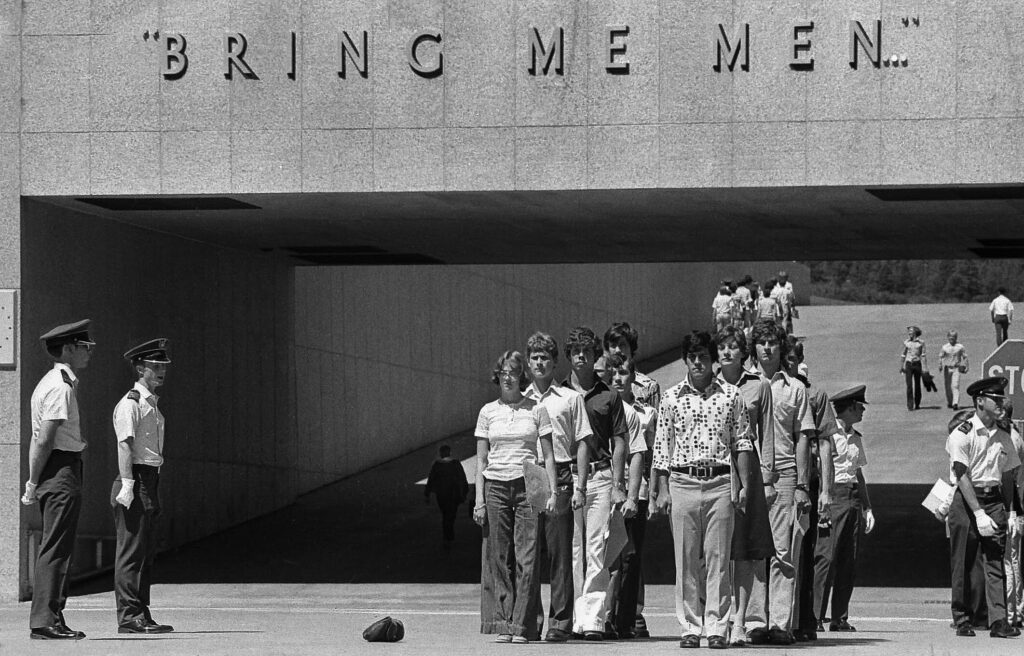
Fifty years later, women reflect on first coed class at the Air Force Academy, struggle for equality
Mary Shinn
mary-shinn@coloradopolitics.com
Updated 1 day ago
When the first female Air Force Academy cadets arrived 50 years ago this summer, they stood in front of an enormous sign on campus that read “Bring me men.” In the shadow of that sign, Kathleen Utley Kornahrens, one of...

DOJ official decries ‘nonsense’ in Jeffco schools at fundraising gala
Matt Kyle
matt.kyle@denvergazette.com
Updated 2 days ago
Amid a legal battle between Jeffco Public Schools and the federal government, a Department of Justice official spoke at a fundraising gala and decried “crazy stuff” and “nonsense” in the school district. The gala was for Jeffco Kids First, an...

Colorado Springs mother Deborah Nicholls’ murder conviction overturned
Nick Smith
nick-smith@coloradopolitics.com
Updated 3 days ago
A Colorado Springs mother convicted in 2008 of murdering her three children in a house fire might get a new trial after a judge ruled that prosecutors withheld key evidence that could have impacted the jury’s verdict. Deborah Nicholls, whose...

Aurora Community College student journalist accuses college of ‘unconstitutional gag order’
Kyla Pearce
kyla.pearce@gazette.com
Updated 3 days ago
An Aurora Community College student is accusing the college of putting an “unconstitutional gag order” on his student-run publication, saying the college banned it from publishing until students jumped through “countless bureaucratic hoops.” A college spokesperson said the college is...

Polis administration relaunches Colorado e-bike rebates with $3 million
Scott Weiser
scott.weiser@gazette.com
Updated 2 days ago
Gov. Jared Polis and the Colorado Energy Office announced Thursday the return of the state’s popular e-bike rebate program, with registration set to open later this month. The office plans to provide point-of-sale rebates totaling $3 million from the Community...

Appeals court rejects former DougCo commissioner’s legal fee claim
Nicholas Fogleman
nicholas.fogleman@denvergazette.com
Updated 3 days ago
The Colorado Court of Appeals rejected a former Douglas County commissioner’s bid for reimbursement of attorney fees she incurred while responding to multiple investigations into her conduct. The dispute stemmed from a 2019 anonymous letter sent to county officials alleging...

Emerald ash borer confirmed in Colorado Springs, ‘pest is here to stay’
Brennen Kauffman
brennen-kauffman@coloradopolitics.com
Updated 4 days ago
Colorado Springs is asking residents to be on the lookout for an invasive beetle species that has jumped down the Front Range and into local ash trees. City officials said Wednesday that a confirmed emerald ash borer infestation had been...

Former Parker police sergeant pleads guilty to unlawful sexual conduct, misconduct charge
Nicholas Fogleman
nicholas.fogleman@denvergazette.com
Updated 4 days ago
Former Parker Police Department Sgt. Troy Brienzo pleaded guilty Monday to a felony charge of unlawful sexual conduct by a police officer and first-degree official misconduct in Douglas County District Court. Brienzo entered the guilty pleas before Judge Ryan Stuart,...
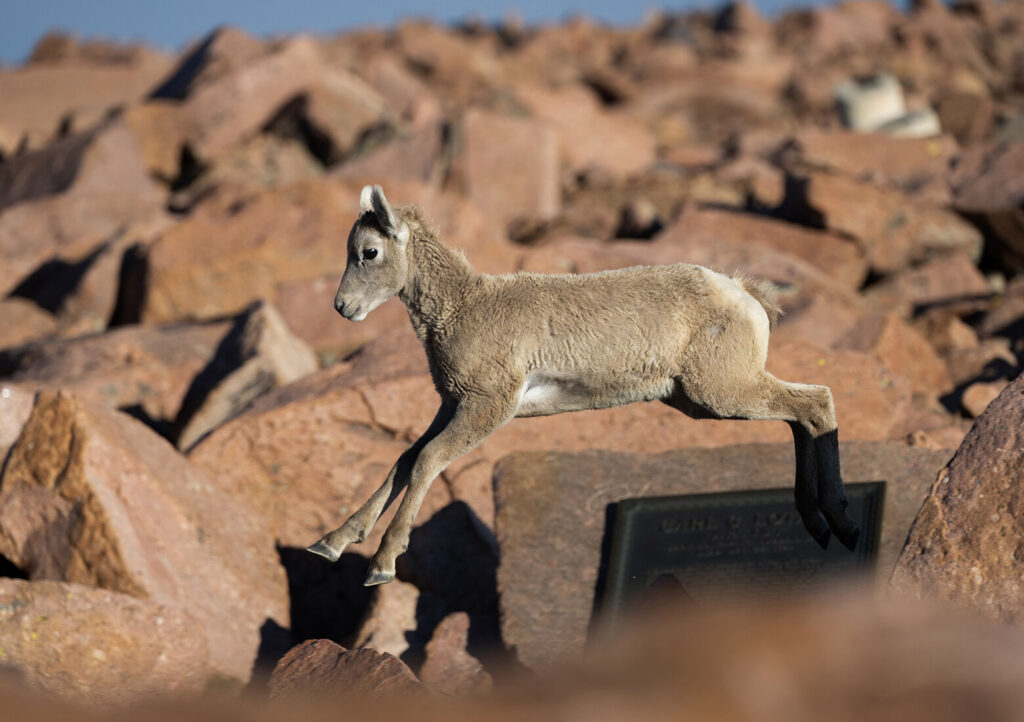
Annual survey documents emerging threat to Pikes Peak’s bighorn sheep
Savannah Eller
savannah-eller@coloradopolitics.com
Updated 3 days ago
After a brief pre-dawn gathering, over 40 volunteers and Colorado Parks and Wildlife staff split into teams Wednesday morning and headed off into the high alpine. They were on an annual mission to count and catalog the bighorn sheep population...

Northglenn city manager resigns immediately after 8 years
Kyla Pearce
kyla.pearce@gazette.com
Updated 4 days ago
Northglenn will have a new city manager after the current one resigned effective immediately after eight years with the city. City Manager Heather Geyer was appointed in July 2018 and was the first woman to hold the role in the...
PREV
PREVIOUS

Denver City Council eyes lobbying regulations, restriction
Topping the agenda for the Denver City Council’s Monday’s regular meeting is a proposal that, if adopted, would amend the Denver Revised Municipal Code to increase regulation of lobbyists. This will be the second reading for Council Bill 26-0686. High-profile lobbying activity around flavored tobacco, surveillance, and other policy areas prompted concerns from the sponsors […]
Wildlife office kills wolf linked to dozens of livestock deaths in Colorado
Wildlife officers shot and killed a wolf believed to be responsible for killing at least 22 sheep over the past year in a remote northwestern county, according to a state agency. The animal came from the Copper Creek pack and is the 15th wolf to die in Colorado in the past two years. It’s also […]