

Annual survey documents emerging threat to Pikes Peak’s bighorn sheep
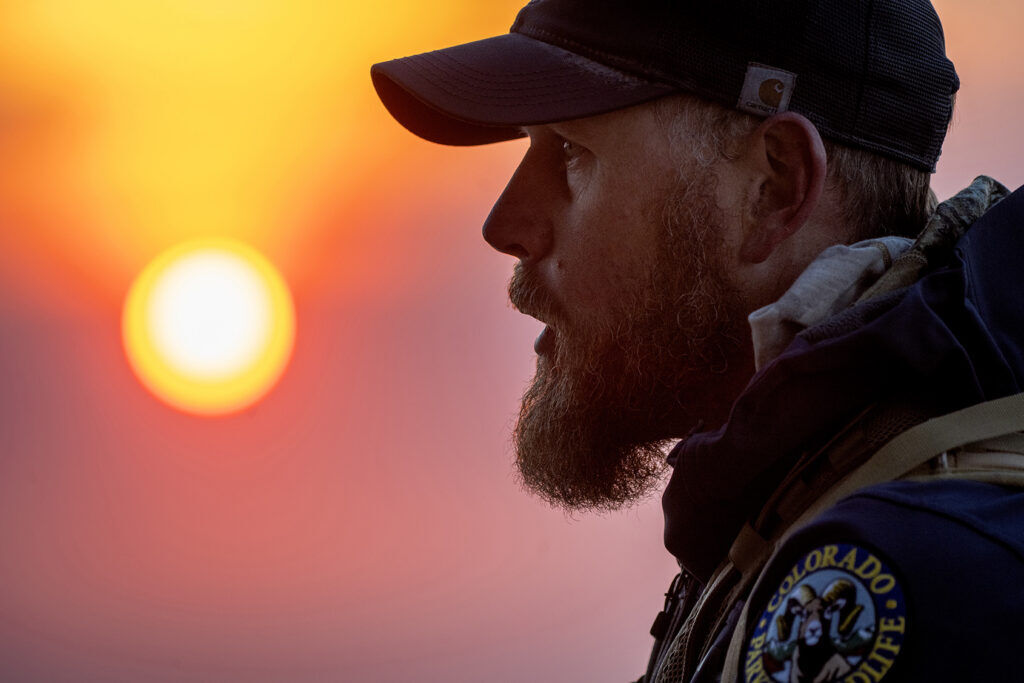
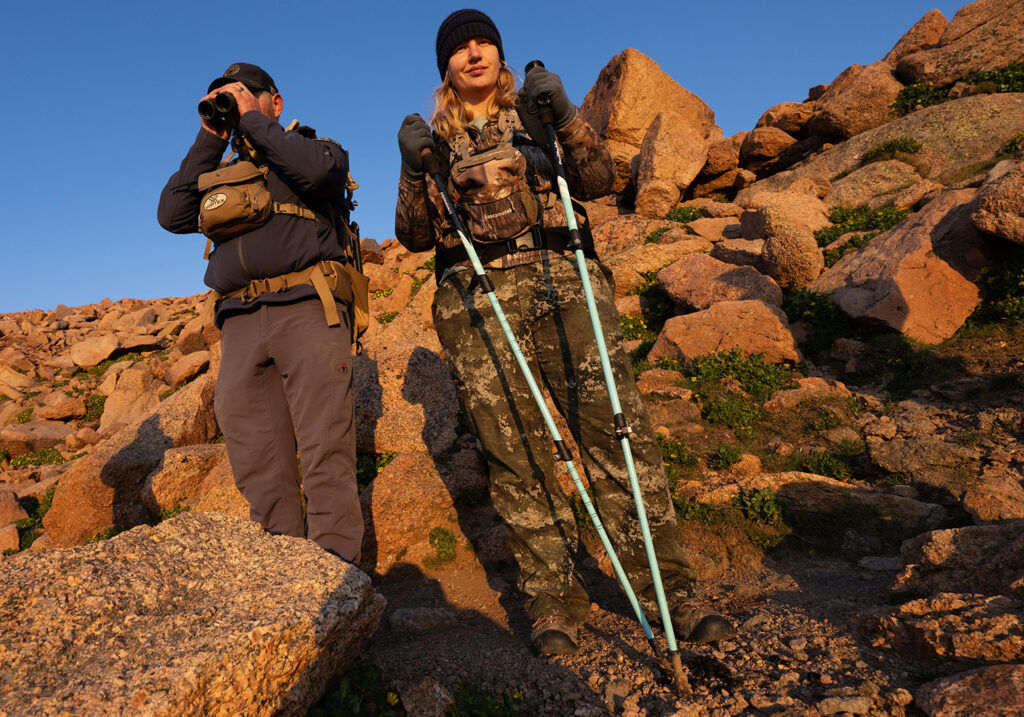
After a brief pre-dawn gathering, over 40 volunteers and Colorado Parks and Wildlife staff split into teams Wednesday morning and headed off into the high alpine.
They were on an annual mission to count and catalog the bighorn sheep population of Pikes Peak, an effort that’s been ongoing since 1988. The volunteers gathered before sunrise to take advantage of the sheep’s most active hours — usually dawn and dusk.
Ken Anderson, a longtime CPW volunteer who regularly tracks the sheep throughout the year, was a key source of information for where they might be found.
Sometimes it takes a keen eye.
“All you’re seeing is rocks, and then a rock stands up,” he said.
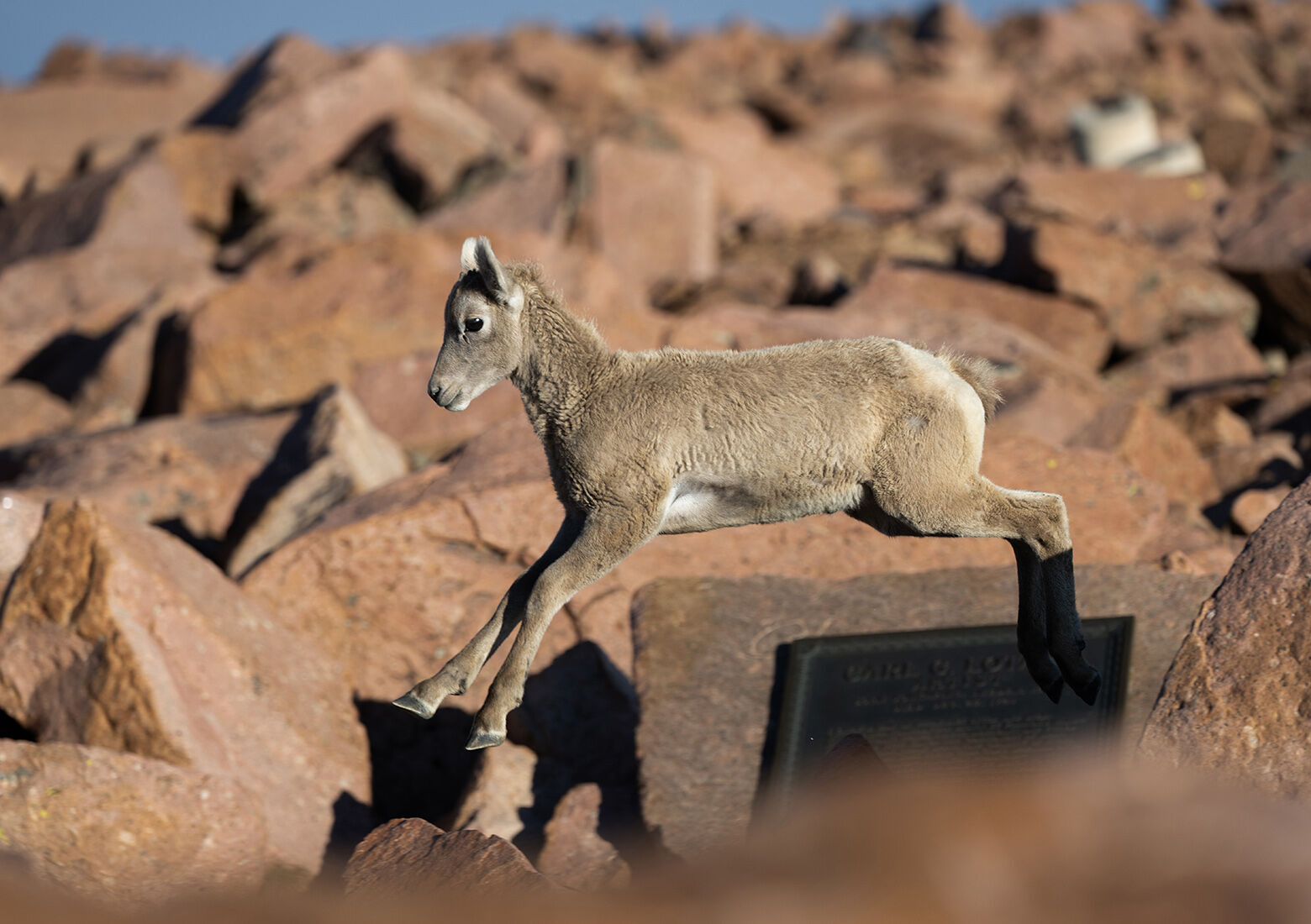
This year, the team was taking special care to document an ongoing threat to the herd. For about five years, watchers have noticed high death rates among lambs stricken with pneumonia. Normally playful, a sick lamb will become lethargic and develop a rattling cough. By next spring, the lamb often won’t have survived to join the herd as a yearling.
“That’s hard to see,” said Ty Woodward, a CPW biologist.
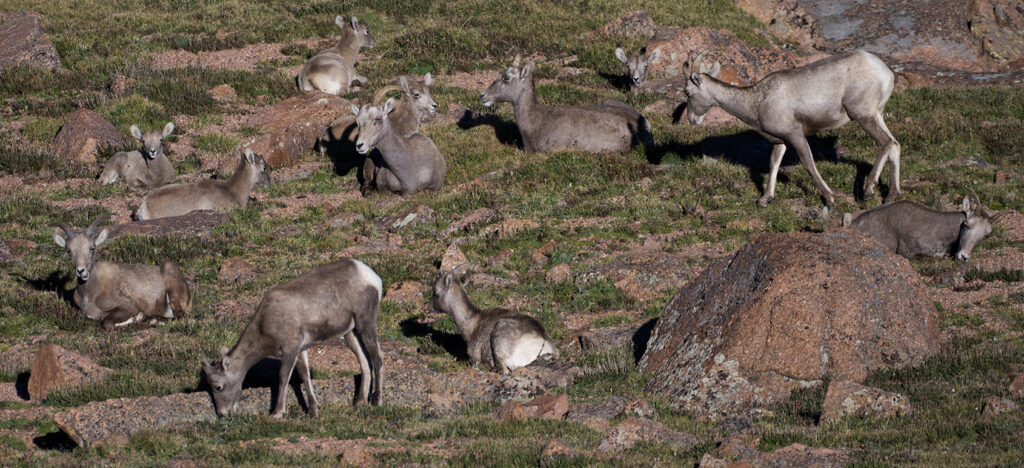
Woodward said he hoped the count could help researchers understand how disease is affecting the herd. Once all the sightings are cataloged and checked for duplicates, he plans to pay extra attention to the number of yearlings and ewes in the population. Ewes are female sheep.
The origin of the Pikes Peak outbreak is difficult to pin down. One theory centers on a migratory sub-herd of sheep that descends the mountain to Dome Rock State Wildlife Area during birthing season.
“It’s somewhat unique, but it is also something that is a very fragile part of their existence,” said Woodward.
The biologist thinks the migratory group might have brought back disease when the mothers and their young gathered at the “nursery” near Devil’s Playground on the west side of the mountain. In 2021, observers saw a normal number of lambs and ewes at the beginning of summer. By fall, there were no more lambs.
Poor decisions by tourists on the mountain are worsening the situation.
“We’re seeing a lot of bad behavior, both by the sheep and the people,” Woodward said.
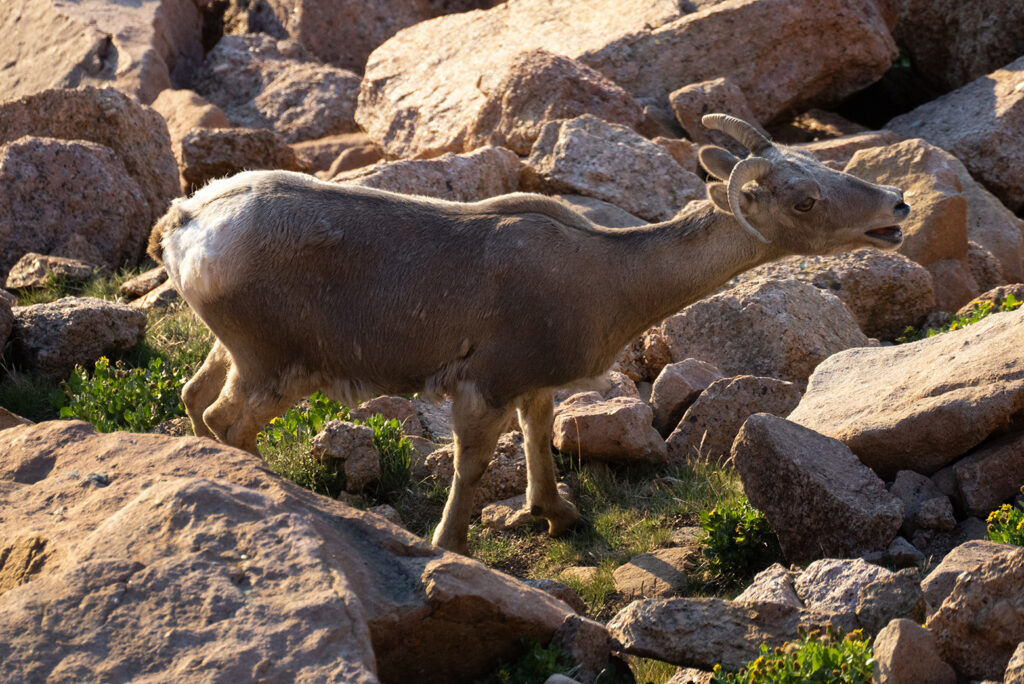
Bighorn sheep are spending more of their time and in higher numbers near the Pikes Peak Highway, encouraged when humans feed them. When more of the herd is concentrated in one place, the chances for disease spread increase.
“They congregate, and then in the fall they disperse. They go back to all the different parts of the mountain, and they take the bugs with them,” Woodward said.
The Pikes Peak bighorn sheep are not alone in battling lamb mortality from pneumonia: the disease has been identified as a major risk to populations statewide.
The herd on Pikes Peak is special for several reasons. It’s one of the most visible in the state, with thousands of visitors catching glimpses or up-close encounters. It’s also a priority population for CPW. While bighorn sheep have been reintroduced in many areas where the species lost ground in the 20th century, the Pikes Peak herd is endemic and has had few transplants.
“It’s definitely one of the prides of Colorado and prides of the state,” Woodward said of the species.



Colorado Springs mother Deborah Nicholls’ murder conviction overturned, case vacated
Nick Smith
nick-smith@coloradopolitics.com
Updated 51 minutes ago
A Colorado Springs mother convicted of murdering her three children in a house fire in 2008 had her verdict overturned and her case vacated. According to Colorado court records, 59-year-old Deborah Nicholls’ conviction was overturned Saturday, Aug. 1. The decision...

Emerald ash borer confirmed in Colorado Springs, ‘pest is here to stay’
Brennen Kauffman
brennen-kauffman@coloradopolitics.com
Updated 31 minutes ago
Colorado Springs is asking residents to be on the lookout for an invasive beetle species that has jumped down the Front Range and into local ash trees. City officials said Wednesday that a confirmed emerald ash borer infestation had been...

Former Parker police sergeant pleads guilty to unlawful sexual conduct, misconduct charge
Nicholas Fogleman
nicholas.fogleman@denvergazette.com
Updated 50 minutes ago
Former Parker Police Department Sgt. Troy Brienzo pleaded guilty Monday to a felony charge of unlawful sexual conduct by a police officer and first-degree official misconduct in Douglas County District Court. Brienzo entered the guilty pleas before Judge Ryan Stuart,...
What happens if voters pass Colorado’s two competing income tax measures?
Marianne Goodland
marianne.goodland@coloradopolitics.com
Updated 2 hours ago
The battle between two competing ballot measures — one seeking to cap Colorado’s income tax rate, the other pushing for a tiered system depending on income levels — might come down to whichever ballot proposal gets one more vote. The...

Northglenn city manager resigns immediately after 8 years
Kyla Pearce
kyla.pearce@gazette.com
Updated 2 hours ago
Northglenn will have a new city manager after the current one resigned effective immediately after eight years with the city. City Manager Heather Geyer was appointed in July 2018 and was the first woman to hold the role in the...
Defendant’s competency in question in El Paso County case involving slain Army police officer
Nick Smith
nick-smith@coloradopolitics.com
Updated 46 minutes ago
It will be another 60 days before a 4th Judicial District court determines if a man charged in the shooting death of an Army police officer is competent to proceed in his case. Judge Erin Sokol granted a request Wednesday...

National House Democrats add Colorado seats held by Lauren Boebert, Jeff Hurd to target list
Ernest Luning
ernest.luning@coloradopolitics.com
Updated 18 hours ago
The national House Democrats’ campaign arm on Wednesday added the Colorado congressional district held by Republican U.S. Reps. Jeff Hurd and Lauren Boebert to the list of targeted seats the party believes are vulnerable in this year’s midterms. The Democratic...

Bennet settles campaign finance complaints, admits violating state law
Marianne Goodland
marianne.goodland@coloradopolitics.com
Updated 16 hours ago
U.S. Sen. Michael Bennet’s gubernatorial campaign has agreed to pay a $7,433 fine for using his Senate campaign account to pay for gubernatorial campaign travel expenses. The July 31 settlement includes an admission by Bennet and his campaign that they...
Sarah Parady steps down from Denver City Council, special election announced
Deborah Grigsby
deborah.smith@denvergazette.com
Updated 2 hours ago
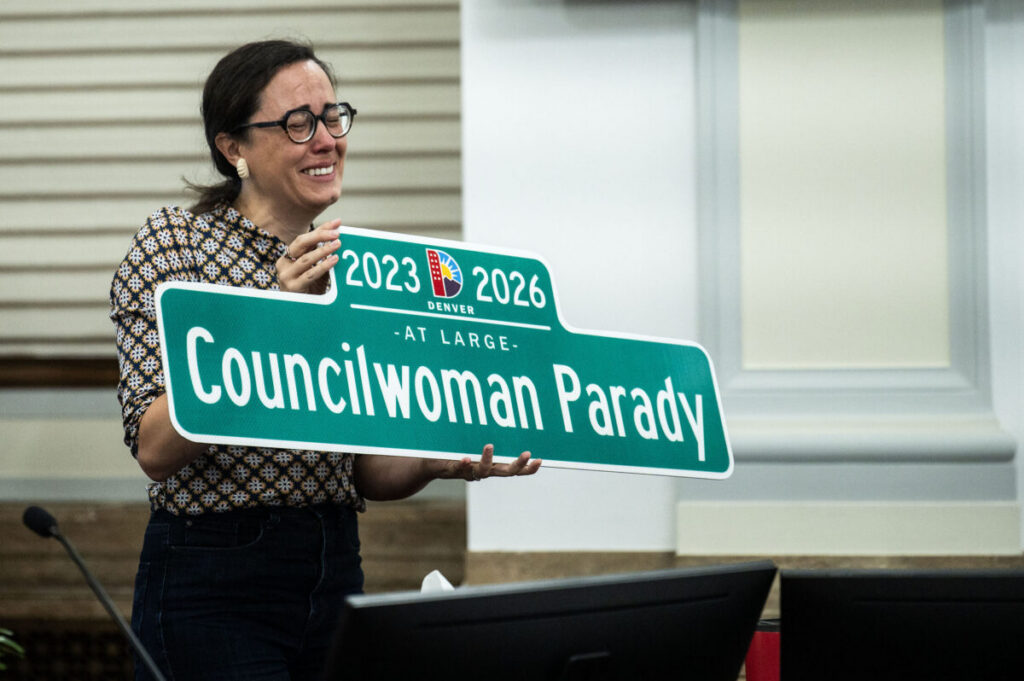
Denver City Councilmember Sarah Parady officially resigned Wednesday, citing an undisclosed illness. Her resignation prompted the Denver City Council to pass a resolution declaring the seat vacant and setting a special election for Nov. 3 to coincide with Colorado’s general...

Colorado to implement new laws on jail standards, safe haven rules, and agricultural labeling
Marissa Ventrelli
marissa.ventrelli@coloradopolitics.com
Updated 22 hours ago
In mid-August every year, a slew of recently passed laws in Colorado go into effect 90 days after the end of the legislative session. This year, all bills without a specified effective date or safety clause — a provision stating...
PREV
PREVIOUS
What happens if voters pass Colorado's two competing income tax measures?
The battle between two competing ballot measures — one seeking to cap Colorado’s income tax rate, the other pushing for a tiered system depending on income levels — might come down to whichever ballot proposal gets one more vote. The organizations behind the two proposals have both turned in signatures to the state election office, […]

Former Parker police sergeant pleads guilty to unlawful sexual conduct, misconduct charge
Former Parker Police Department Sgt. Troy Brienzo pleaded guilty Monday to a felony charge of unlawful sexual conduct by a police officer and first-degree official misconduct in Douglas County District Court. Brienzo entered the guilty pleas before Judge Ryan Stuart, according to officials at the 23rd Judicial District Attorney’s office. The plea comes months after […]