Colorado justices debate what to do when governments withhold key info from plaintiffs
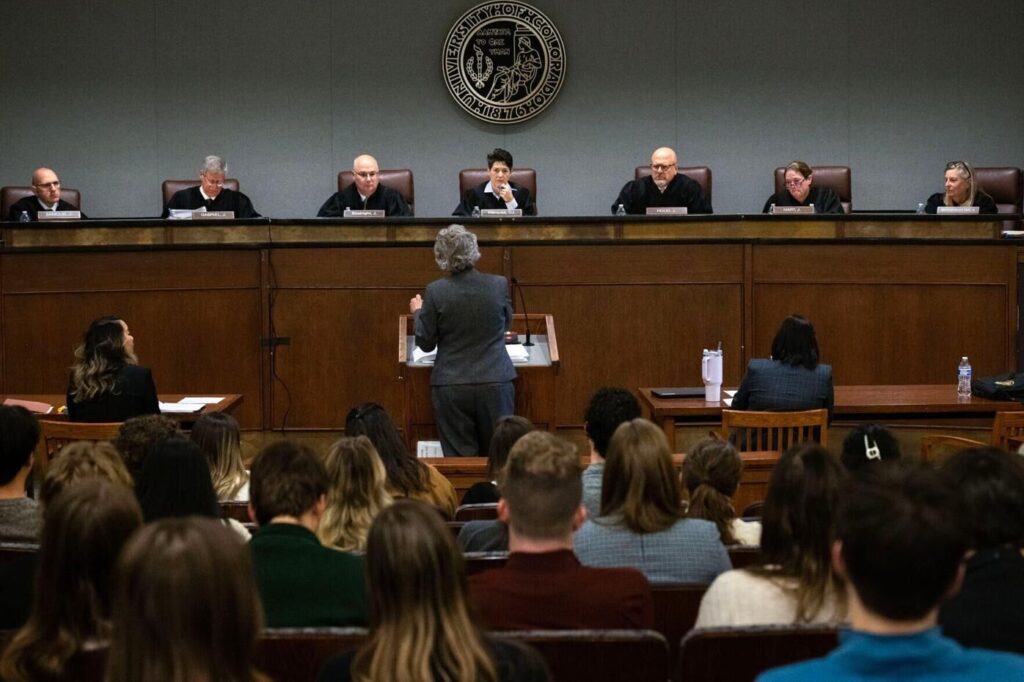
Members of the Colorado Supreme Court seemed to be on different pages when they considered on Tuesday whether a woman injured by a sidewalk defect in Manitou Springs was forever barred from suing the actual entity responsible because she did not learn until it was too late that Colorado Springs was the proper defendant.
The Supreme Court agreed to hear the appeal of Jaimi J. Mostellar after a judge on the state’s second-highest court suggested lawmakers revise the Colorado Governmental Immunity Act to prevent public entities from torpedoing lawsuits by withholding the identity of the actual party responsible for an injury.
The immunity law, with limited exceptions, shields public entities from lawsuits over injuries they cause. Its purpose is to protect tax dollars and prevent a flood of lawsuits from disrupting government services. Among other requirements, plaintiffs must provide the government with notice of their claim within 182 days of “the discovery of the injury.” If they do not, they cannot sue.
Mostellar fell in Manitou Springs after tripping on the protruding base of a removed bus stop sign. She initially alerted Manitou Springs well within the deadline. However, Manitou Springs did not disclose to Mostellar until more than a year later that Colorado Springs was seemingly responsible, through an intergovernmental agreement, for the defective infrastructure that caused Mostellar’s fall.
After Mostellar pivoted to sue Colorado Springs, District Court Judge Eric Bentley refused to dismiss the lawsuit. The city had not shown Mostellar, “with reasonable diligence, could or should have discovered (the agreement) before Manitou Springs’ counsel informed her of it,” he wrote.
However, a three-judge Court of Appeals panel reversed his order, concluding the law required Mostellar to comply with the 182-day deadline for alerting Colorado Springs, and she had not done so.
Judge Rebecca R. Freyre, while agreeing with the panel’s decision to dismiss Mostellar’s lawsuit, wrote separately to advocate for adjusting the hard 182-day notice requirement so that future government defendants cannot defeat legitimate lawsuits through potential gamesmanship.
Mostellar’s case illustrates “the real possibility that public entities can manipulate the jurisdictional 182-day notice requirement by failing to timely inform a plaintiff of intergovernmental agreements,” she warned.
During oral arguments, there were three primary schools of thought among the Supreme Court.
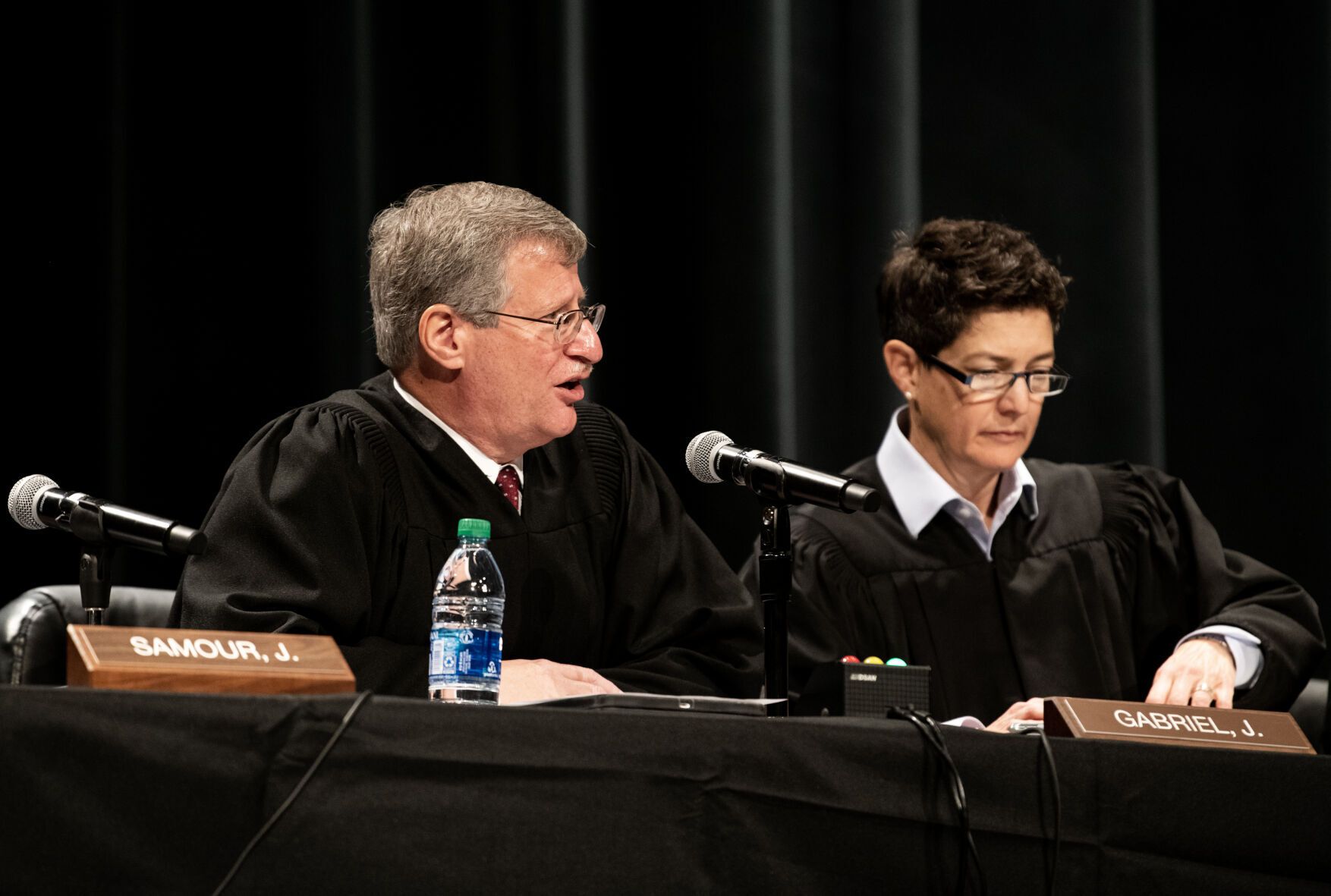
First, Justice Richard L. Gabriel repeatedly echoed the Court of Appeals’ conclusion: The immunity law requires notice within 182 days, period.
“This case bothers me. It feels unfair to Ms. Mostellar. I get that,” he said. “But your problem is the plain language of the statute. The statute makes it abundantly clear the time runs from the date she knew of her injury. She knew of her injury when she fell.”
“At some point in time, common sense has gotta kick in,” responded attorney Mark H. Kane for Mostellar. “How can you put somebody on notice when you don’t know who they are?”
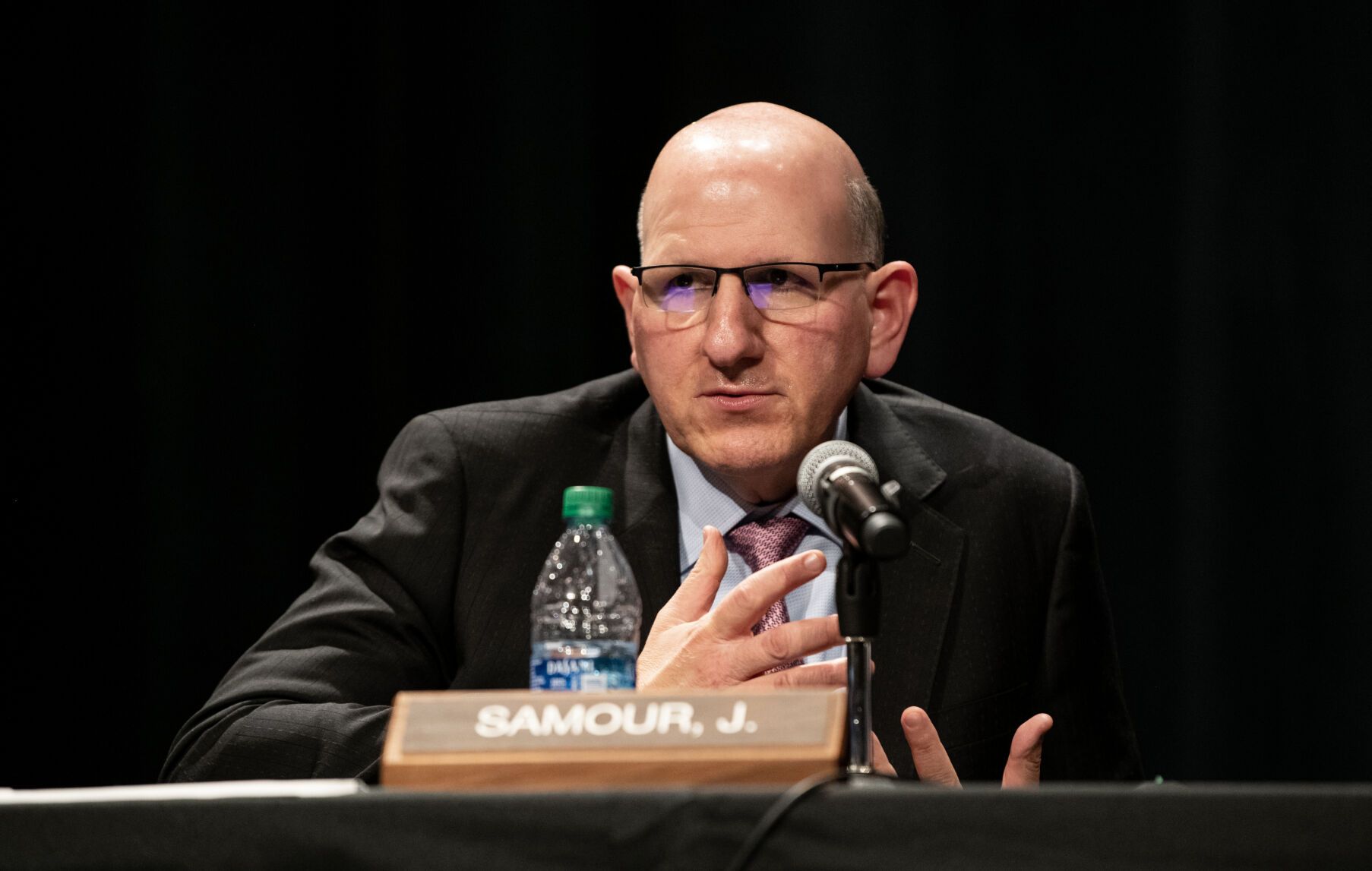
Second, Justice Carlos A. Samour Jr. wondered if the court should interpret the governmental immunity law to mean the identity of an alleged wrongdoer is a factor when starting the clock on the 182-day notice window.
“If it was Colorado Springs who was responsible for the placing of that sign, then isn’t the question, ‘When did the plaintiff know, or reasonably should have known, that Colorado Springs placed that sign there?’” he asked.
Such a rule “allows someone who represents a claimant to sit on their hands, not do anything and then ultimately come up with an after-the-fact explanation of why they couldn’t have identified it,” argued W. Erik Lamphere from the Office of the City Attorney.
Finally, Justice William W. Hood III was sympathetic to the city’s argument raised before oral argument: the case is moot.
In February 2025, four months after the Court of Appeals issued its decision in Mostellar’s lawsuit against Colorado Springs, a different appellate panel released an opinion for Mostellar’s other claims against Manitou Springs. Those judges agreed Mostellar failed to show the protruding sign base was a dangerous condition that Manitou Springs knew or should have known about. Therefore, argued Colorado Springs, the issue was decided once and for all.
“I’m beginning to suspect I may be the only person in the room who thinks that we should really engage on the mootness issue,” said Hood.
Gabriel appeared to reject the mootness argument, noting that Colorado Springs did not argue the case was moot until months after the latest appellate decision. Moreover, the Manitou Springs decision did not address Colorado Springs’ awareness of a potential hazard on the sidewalk.
Chief Justice Monica M. Márquez and Justice Maria E. Berkenkotter both wondered if it was realistic for Mostellar’s attorney to find the intergovernmental agreement within 182 days or if, as he argued, it would have been “impossible.”
“I think we can safely assume that those types of ownership documents would necessarily be public documents,” said Márquez, which a public records request could reveal.
Yet, “part of your point, I think, is that it took them a year-and-a-half to figure this out, so how on earth could you have figured this out in 182 days, correct?” asked Berkenkotter.
“I don’t know how I could have done better than Manitou. Manitou knows everything about Manitou,” said Kane.
Justice Melissa Hart did not participate in the arguments. The Judicial Department has provided little transparency into her unusual leave of absence, which officially began on Oct. 28. Hart has not participated in three consecutive months of oral arguments and three published opinions, and her whereabouts are unclear.
The case is Mostellar v. City of Colorado Springs.


Colorado justices splinter over approach to sentencing review
Michael Karlik
michael.karlik@coloradopolitics.com
Updated 2 hours ago
Members of the Colorado Supreme Court were divided on Monday about whether vehicular homicide stemming from intoxicated driving is “grave and serious” in every possible scenario, with two justices suggesting the court reconfigure its approach for determining the proportionality of...
Parker man found guilty of drugging, sexually assaulting four women he met through dating apps
Noah Festenstein
noah.festenstein@denvergazette.com
Updated 10 hours ago
A Douglas County jury on Tuesday convicted a Parker man who drugged and sexually assaulted four women he met through dating apps. David Kats, 56, faces anywhere from probation to life in prison on 12 counts of sexual assault and...

Man accused of assaulting, attempting to kidnap Colorado Springs woman sentenced to probation
Mackenzie Bodell
mackenzie-bodell@coloradopolitics.com
Updated 2 days ago
The man arrested after reportedly threatening to stab and kidnap a woman at a spa in Colorado Springs earlier this year avoided any jail time during his sentencing on Monday. Thomas McCarley, 54, was arrested on Jan. 28 after Colorado...

Grand jury to investigate deadly July shooting involving El Paso County Sheriff’s deputies
O'Dell Isaac
odell.isaac@gazette.com
Updated 2 days ago
The Grand Jury for the 4th Judicial District will review a deadly shooting to determine if criminal charges should be filed against the El Paso County Sheriff’s deputies involved, according to a Monday news release. The incident, which occurred July...
Judicial fees, furniture under scrutiny as Colorado lawmakers consider budget request
Michael Karlik
michael.karlik@coloradopolitics.com
Updated 22 hours ago
Members of the legislature’s Joint Budget Committee expressed concerns last week about aspects of the judiciary’s requested $845 million budget for courts and probation, while also hearing about the Judicial Department’s relatively restrained spending over time. “If you adjust for...
Colorado Supreme Court approves tenant-friendly rule change, broadens professional discipline for sexual misconduct
Michael Karlik
michael.karlik@coloradopolitics.com
Updated 3 days ago
The Colorado Supreme Court approved a set of rule changes last week that will make it easier for tenants facing eviction to respond to and learn about their landlord’s initial court filing, and for lawyers to be held professionally accountable...
Colorado commission makes new access-to-justice recommendations after renewed listening tour
Michael Karlik
michael.karlik@coloradopolitics.com
Updated 3 days ago
Adding judges to handle caseloads. Expanding authority for paraprofessionals in civil cases. Allowing self-represented litigants to file electronically. Making the judiciary’s website user-friendly. Those were among the recommendations advanced by the Colorado Access to Justice Commission in a report released Friday,...
‘Deep source of pride’: Federal judge speaks about first year on bench, how he spends his time
Michael Karlik
michael.karlik@coloradopolitics.com
Updated 5 days ago
One of Colorado’s newest federal judges spoke on Thursday about his first year on the bench, his philosophy behind facilitating case settlements and how his background as a public defender informs his current role. “Most of my career, I represented...
Trump says he has ‘pardoned’ Tina Peters
Wire Services
wire-services@coloradopolitics.com
Updated 7 days ago
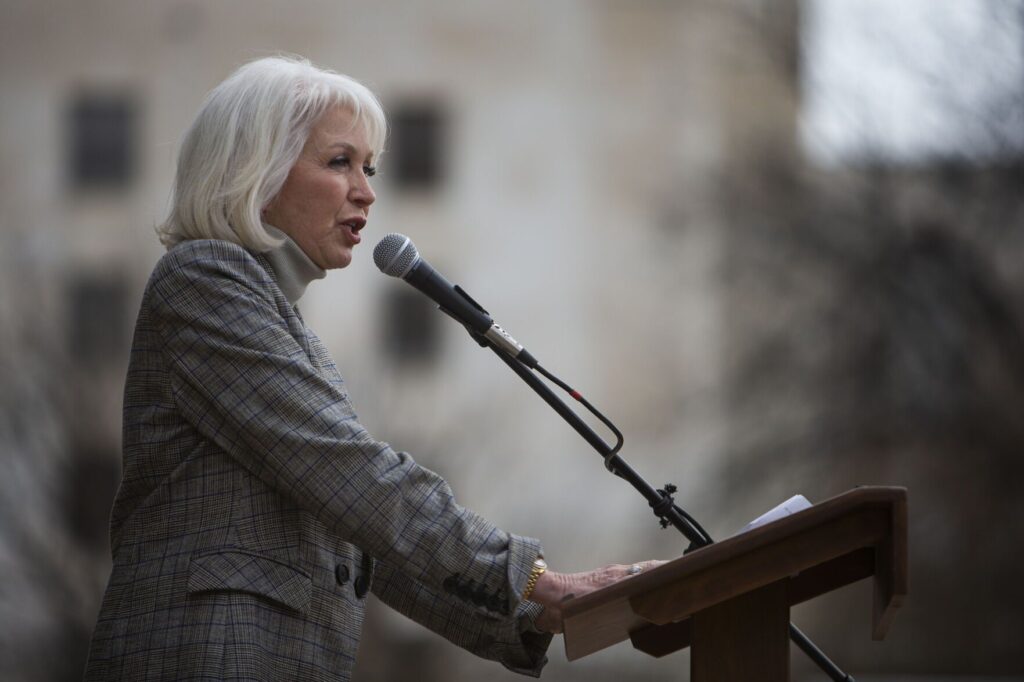
President Donald Trump on Thursday said he is “pardoning” Tina Peters, though that won’t free the former Colorado elections administrator as she was convicted under state laws of a security breach of her office’s voting equipment. Trump’s pardon power does...
Man set for plea deal in Evergreen shooting
Sage Kelley
sage.kelley@denvergazette.com
Updated 6 days ago
A Lakewood man may be on his way to a plea deal after allegedly ramming police vehicles at the Evergreen Walmart just a day after the Evergreen High School shooting. Tyler Young, 33, waived his right to a preliminary hearing...