

Colorado Supreme Court approves tenant-friendly rule change, broadens professional discipline for sexual misconduct

The Colorado Supreme Court approved a set of rule changes last week that will make it easier for tenants facing eviction to respond to and learn about their landlord’s initial court filing, and for lawyers to be held professionally accountable for unlawful sexual conduct.
On Dec. 11, the justices enacted a change to the civil rules that will require a court to assign a case number in an eviction matter before the landlord serves the tenant with a summons. While a relatively minor adjustment, the mandate for a case number primarily impacts “batch filings” of evictions.
State law treats an eviction case as beginning with the landlord’s court complaint against the tenant. But members of the Supreme Court’s Civil Rules Committee heard that if law firms submit hundreds of complaints at once, a tenant may receive their summons before a court clerk has had time to process the eviction complaint. The result may be confusion for the tenant who has no case number to reference.
Committee members who were attorneys for landlords pushed back against the proposal, arguing there was no evidence of a problem and that waiting for a case number would cause unreasonable delays for landlords. Proponents of the amendment responded that they heard multiple stories of tenants or clerks being hampered by the lack of an immediate case number.
A majority of the rules committee voted to send the change to the Supreme Court. However, some members were concerned that the proposal veered into state policymaking rather than simply adjustments to court procedure.
The justices approved the rule, which will take effect in March.
Separately, the court adopted a mix of procedural changes and clarifications to the timeline for opening an investigation into an attorney in misconduct proceedings. Notably, the final version included an added provision that was the sole focus of a public hearing in November.
Several commenters, including legislators, advocated for a means of holding lawyers professionally responsible for unlawful sexual behavior that does not come to light until much later. The rules provided no time limit for investigating a lawyer who committed a “serious crime,” meaning a felony or certain lesser offenses. Unlawful sexual behavior that does not amount to a felony, however, is excluded from that definition.
Those who weighed in to the Supreme Court pointed to a former Larimer County prosecutor who was recently criminally charged and sentenced for a misdemeanor over a sexual offense from 1999. Because of the time window, the professional investigation into his misconduct was dismissed.
The Supreme Court agreed to incorporate the commentators’ suggestion. The final rule clarifies that unlawful sexual behavior is also a serious crime, which can be investigated by attorney regulators at any time. Offenses ranging from indecent exposure to sexual assault are included in the definition.
The rule change took effect immediately.
Justice Melissa Hart did not participate in the adoption of either set of rules. She has been on a leave of absence since October for reasons that are not entirely clear, and has missed the adoption of several rule changes since then.


10th Circuit partially revives lawsuit over 2020 Denver protest injuries
Michael Karlik
michael.karlik@coloradopolitics.com
Updated 8 hours ago
The Colorado-based federal appeals court revived a man’s claims against Denver on Friday after concluding a trial judge resolved the case in the city’s favor without analyzing two of the three instances of alleged excessive force and other constitutional violations....
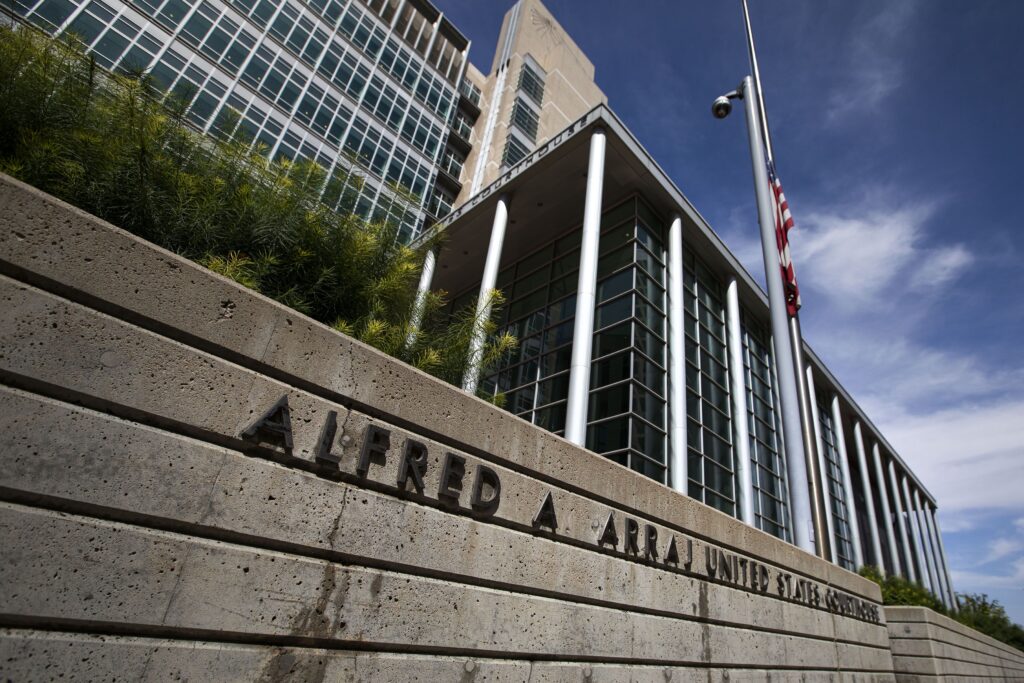
Federal judges find Colorado immigration judge violated several orders
Michael Karlik
michael.karlik@coloradopolitics.com
Updated 1 day ago
Multiple federal judges in Colorado have freed people from immigration custody after determining that one immigration judge violated their directives for properly conducting bond hearings. For nearly a year, Colorado’s U.S. District Court has faced a flood of habeas corpus petitions...
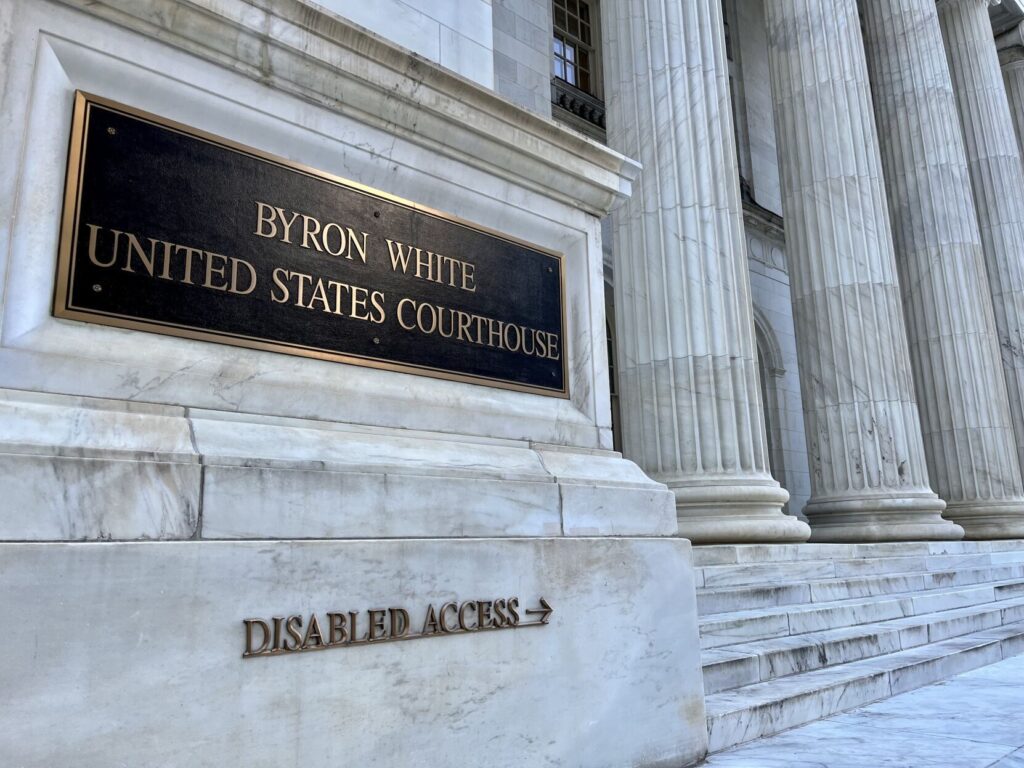
Misconduct complaints from ex-Colorado judicial discipline director dismissed against federal judges
Michael Karlik
michael.karlik@coloradopolitics.com
Updated 3 days ago
The administrative body for the Denver-based federal appeals court upheld a finding last week that misconduct complaints against Colorado’s chief federal trial judge and the chief appeals judge warranted dismissal and appeared to be a “litigation tactic” by the complaining...

First-ever Red Rocks naturalization ceremony draws most diverse group of new citizens
Michael Karlik
michael.karlik@coloradopolitics.com
Updated 1 day ago
Colorado’s federal trial court held its first-ever naturalization ceremony for nearly 300 new citizens on Thursday at Red Rocks Park and Amphitheatre. “We’re doing it to commemorate the 250th anniversary of the Declaration of Independence and the United States. Red...
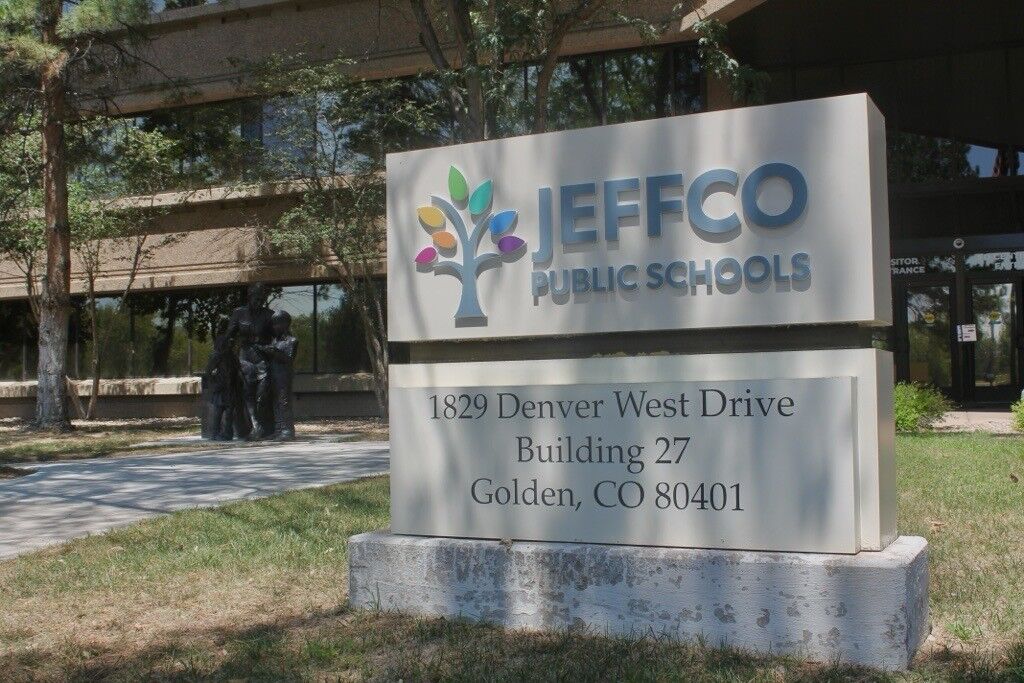
Jeffco taxpayers could be on the hook for a possible child sex assault settlement
Matt Kyle
matt.kyle@denvergazette.com
Updated 2 days ago
Taxpayers may end up on the hook for a child sexual assault settlement, possibly worth up to $15 million, after Jeffco Public Schools failed to notify its insurance company in a timely manner about the case. The incident stems from...
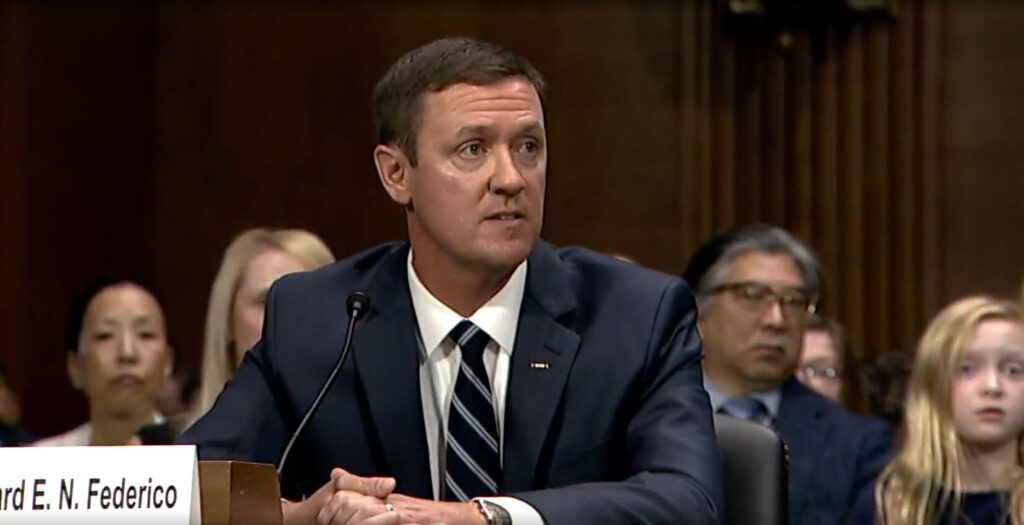
10th Circuit finds no fair housing violation by Littleton landlord for worker’s alleged rape of tenant
Michael Karlik
michael.karlik@coloradopolitics.com
Updated 1 day ago
The Denver-based federal appeals court concluded on Monday that Littleton’s housing authority could not be held liable for a maintenance worker’s alleged rape of a tenant, as the worker’s employment did not provide any special access to the victim. A...

Jeffco Public Schools sues Trump administration to protect funding after alleged transgender policies violation
Matt Kyle
matt.kyle@denvergazette.com
Updated 4 days ago
In the wake of several threats by the Trump administration to revoke federal funding, Jeffco Public Schools filed a lawsuit against the Department of Education seeking to protect that badly needed money. Jeffco has been under investigation by the DOE’s...
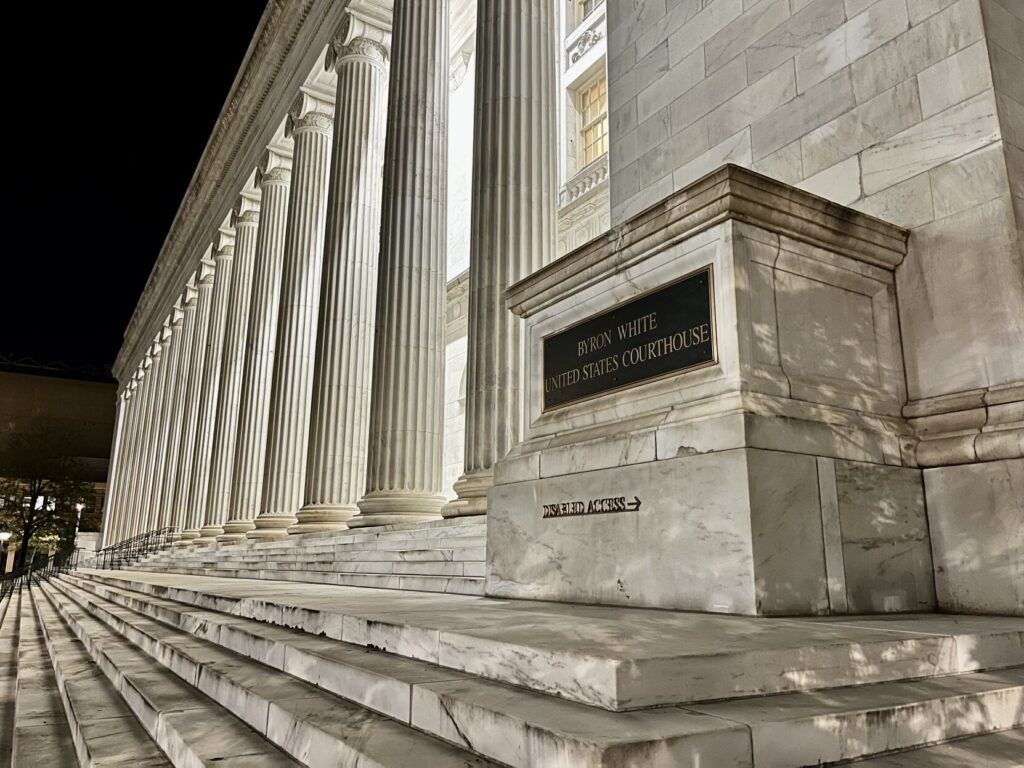
Denver detox center did not violate man’s rights with 10-hour hold, 10th Circuit says
Michael Karlik
michael.karlik@coloradopolitics.com
Updated 5 days ago
The Colorado-based federal appeals court concluded on Tuesday that Denver’s detoxification facility did not violate a man’s rights by holding him against his will for 10 hours until his blood alcohol content was projected to reach zero. Unusually, Brian Garrett’s...

Federal judge clarifies ex-GOP treasurer candidate’s burden to prove defamation claims
Michael Karlik
michael.karlik@coloradopolitics.com
Updated 5 days ago
A federal judge clarified last week that businessman and former Republican statewide candidate Brian Watson will need to surmount a higher hurdle in proving his claim that a party guest’s alleged description of him as a “criminal” amounted to defamation....
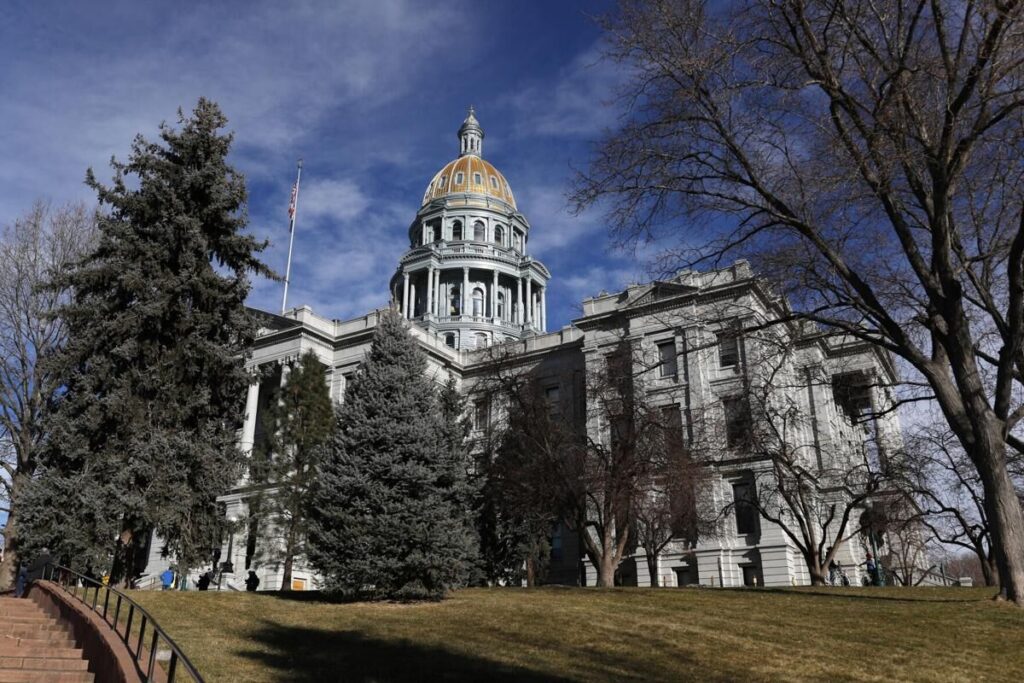
Colorado board permits state to appeal injunction against arthritis drug price cap
Marissa Ventrelli
marissa.ventrelli@coloradopolitics.com
Updated 5 days ago
A Colorado board voted Friday to allow the Attorney General’s Office to fight an injunction against a price cap on a drug that treats arthritis. A U.S. district court judge had granted the company Amgen a preliminary injunction, temporarily blocking...
PREV
PREVIOUS

Suddenly, Colorado has a private school choice program │ Vince Bzdek
By Vince Bzdek When I was a kid going to St. John’s Catholic grade school in Denver, I remember asking my mom if she and dad minded paying taxes for public schools since all her kids attended Catholic ones. We don’t mind, she told me. It’s our choice to send you to St. John’s for […]

Judicial fees, furniture under scrutiny as Colorado lawmakers consider budget request
Members of the legislature’s Joint Budget Committee expressed concerns last week about aspects of the judiciary’s requested $845 million budget for courts and probation, while also hearing about the Judicial Department’s relatively restrained spending over time. “If you adjust for inflation, spending has actually gone down” for the trial courts, said staff analyst Amanda Bickel. […]