

Judge handling Denver schools’ challenge to ICE policy changes course, sets hearing
The federal judge overseeing Denver Public Schools’ challenge to the Trump administration’s new policy for immigration enforcement announced on Monday that he will hold a hearing on the district’s request for a restraining order — a seeming about-face from his position just one week ago.
The DPS lawsuit against U.S. Secretary of Homeland Security Kristi Noem seeks to strike down on procedural grounds a Jan. 20 memo giving immigration officers greater latitude to operate in areas previously meriting “special protection,” such as schools.
The district alleged the policy is arbitrary and capricious, and is causing it to divert resources toward addressing student and staff fear. Further, attendance has fallen off allegedly due to the policy change.
U.S. District Court Judge Daniel D. Domenico set a two-week briefing schedule, with the administration’s response and the school district’s reply due by the end of February. After receiving the administration’s response, Domenico indicated on Feb. 24 that “it does not appear that a hearing on the motion will be necessary.” Instead, he directed DPS to attach any evidence to its reply that it wished him to consider.
However, without explanation, Domenico issued another brief order on March 3 saying he would hold a hearing after all on the district’s request for a temporary restraining order. The proceeding will take place on Friday and will consist solely of the attorneys’ arguments.
So far, the DPS lawsuit is the only challenge to a Trump administration policy brought in Colorado’s federal court. It was randomly assigned to Domenico, a first-term appointee of President Donald Trump.
In response to the district’s lawsuit, the Trump administration has argued restricting immigration enforcement at or near schools would hinder efforts to curb illegal immigration.
“Such a bar on immigration enforcement at or near schools or bus stops could significantly limit immigration enforcement in Denver,” wrote the government. It added that, because of the size of the district, “much of Denver is close to a school.”
Under longstanding guidance known as the “sensitive locations policy,” federal agents avoided enforcement actions in certain locations, such as schools, churches and hospitals. However, the policy allowed for agents to act in limited circumstances requiring intervention. Trump rescinded that guidance shortly after assuming office.
Denver Gazette Reporter Nico Brambila contributed to this article.

Judge grants partial injunction to GEO in fight against state health inspection law
Kyla Pearce
kyla.pearce@gazette.com
Updated 56 minutes ago
A judge ruled Thursday that The GEO Group does not have to follow parts of a new state law requiring more frequent health and safety inspections at the U.S. Immigration and Customs Enforcement processing center in Aurora. Under the order...
Parker man faces 20 years to life for serial sexual assaults
Nicholas Fogleman
nicholas.fogleman@denvergazette.com
Updated 3 hours ago
A 25-year-old Parker man who sexually assaulted three women in 2025 pleaded guilty Wednesday and will serve 20 years to life in prison. Javier Rodriguez-Andrade pleaded guilty to charges stemming from three sexual assaults involving women ages 19 to 24. ...
Divided appeals court upholds warrantless DNA collection in Colorado cold case, cautions of government overreach
Michael Karlik
michael.karlik@coloradopolitics.com
Updated 2 hours ago
Colorado’s second-highest court upheld the warrantless collection of a suspect’s DNA from a discarded soda can as constitutional on Thursday, while warning about potential abuse of DNA privacy in the absence of further guardrails. By 2-1, a three-judge Court of...
Man charged in Northglenn homicide of wife
Matt Kyle
matt.kyle@denvergazette.com
Updated 3 hours ago
A man has been formally charged with murder and burglary relating to a homicide last week in Northglenn. Alexei Munive-Rodriguez, 48, was arrested Sunday after he was at large following the homicide, which occurred Friday. Police were dispatched around 10:30...

10th Circuit grants immunity to officers for fatal Manitou Springs shooting
Michael Karlik
michael.karlik@coloradopolitics.com
Updated 5 hours ago
The Denver-based federal appeals court ruled on Wednesday that responding officers from Manitou Springs and El Paso County cannot be held constitutionally liable for shooting and killing a man after a 20-minute standoff. Wilford Deweese allegedly pulled out a gun...
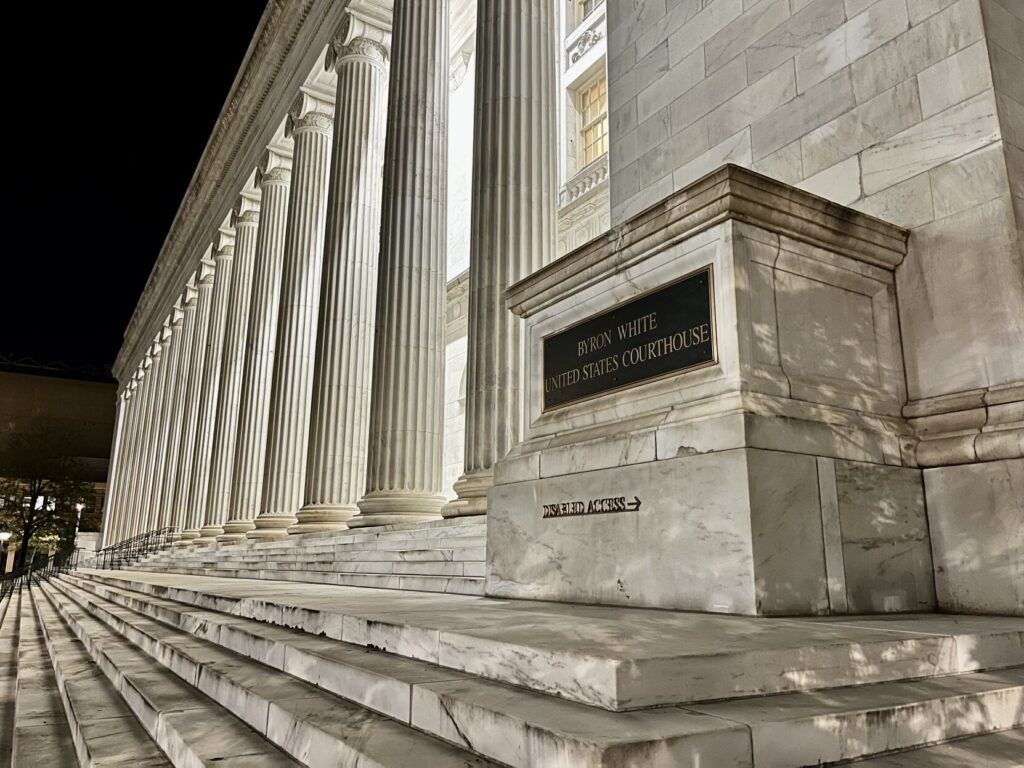
10th Circuit rejects invitation for full-court review of tax-avoidance case
Michael Karlik
michael.karlik@coloradopolitics.com
Updated 23 hours ago
The Denver-based federal appeals court declined to reconsider the standards for holding entities liable for their tax-avoidance schemes, with a majority of judges voting against full-court review on Monday. In April, a three-judge panel of the U.S. Court of Appeals...
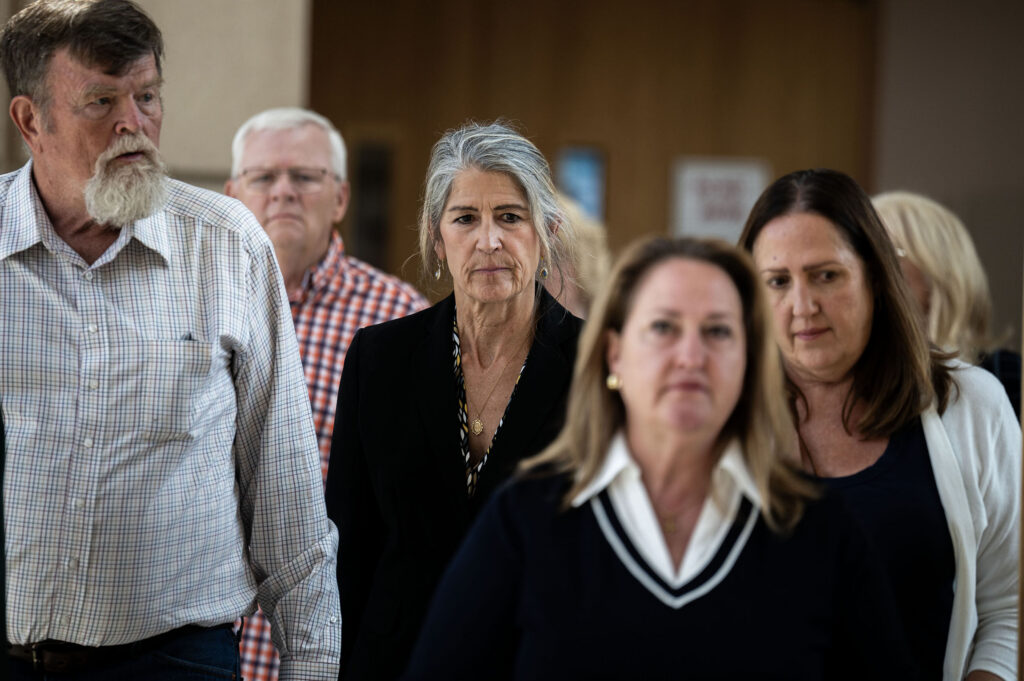
Colorado judge blasts state forensics lab in dismissing child sex case
Jenny Deam
jenny.deam@gazette.com
Updated 23 hours ago
In a potentially widely consequential action, a Weld County district judge dismissed a child sexual assault case, citing the ongoing scandal at the Colorado Bureau of Investigation’s forensic lab that “has left a dark mark on the history of Colorado...
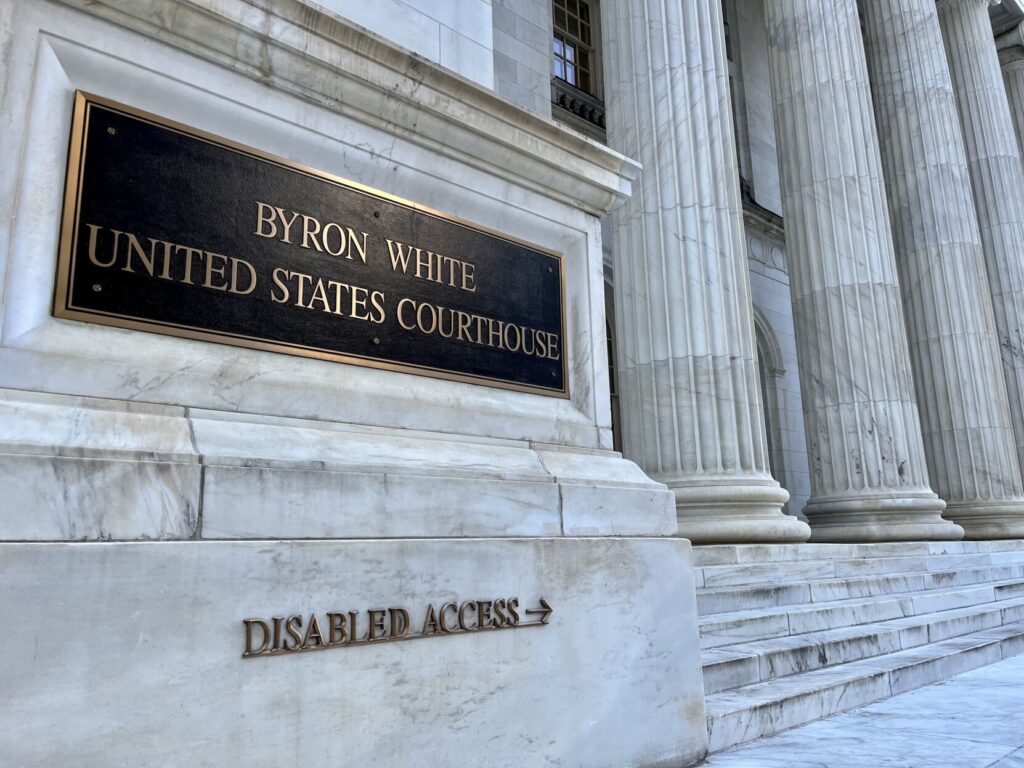
10th Circuit sympathetic to Colorado consumer protection law governing interest rates
Michael Karlik
michael.karlik@coloradopolitics.com
Updated 2 days ago
Members of the Denver-based federal appeals court appeared sympathetic on Tuesday to Colorado’s assertion that it can lawfully require certain out-of-state banks to abide by the state’s own ceilings on interest rates when they lend to consumers in Colorado. The...

Colorado justices to decide insurance companies’ obligation to disclose relevant policies
Michael Karlik
michael.karlik@coloradopolitics.com
Updated 1 day ago
The Colorado Supreme Court announced on Monday that it will decide whether an insurance company violated state law by withholding an at-fault driver’s policy for nearly a year when there was no dispute that the policy was not in effect...

Judicial performance evaluations released, Montezuma County judge disciplined | COURT CRAWL
Michael Karlik
michael.karlik@coloradopolitics.com
Updated 3 days ago
Welcome to Court Crawl, Colorado Politics’ roundup of news from the third branch of government. Colorado’s citizen-led judicial performance commissions released their voter narratives for the judges standing for retention in November, plus a disciplinary panel imposed consequences on a...