

Q&A with Monica Márquez | Colorado’s new chief justice outlines judicial initiatives, path to top job
In late 2020, the seven justices of the Colorado Supreme Court decided on a new method of selecting the judicial branch’s top officer: The chief justice role would rotate among the members every three years.
The court announced Justice Brian D. Boatright would be the first chief under the new system, with Justice Monica M. Márquez on deck. Three-and-a-half years later, Márquez, the longest-serving member and the first Latina on the court, was sworn in to lead the 4,000-person Judicial Department last month.
Márquez grew up in Grand Junction and her father, Jose D.L. Márquez, was both a trial judge and a member of the Court of Appeals. Monica Márquez worked for the Colorado Attorney General’s Office representing state officials and agencies at the time Gov. Bill Ritter selected her for a Supreme Court vacancy in 2010. She was the first openly gay person appointed to the court.
In her time as a justice, Márquez has authored consequential opinions that upheld Colorado’s new congressional district boundaries after the 2020 census, made it easier for local governments to sue over state agencies’ decisions, and authorized the General Assembly to suspend its session as the COVID-19 pandemic unfolded.
Márquez spoke to Colorado Politics about her work within the judicial branch, the significance of her role and the process for choosing her successor.
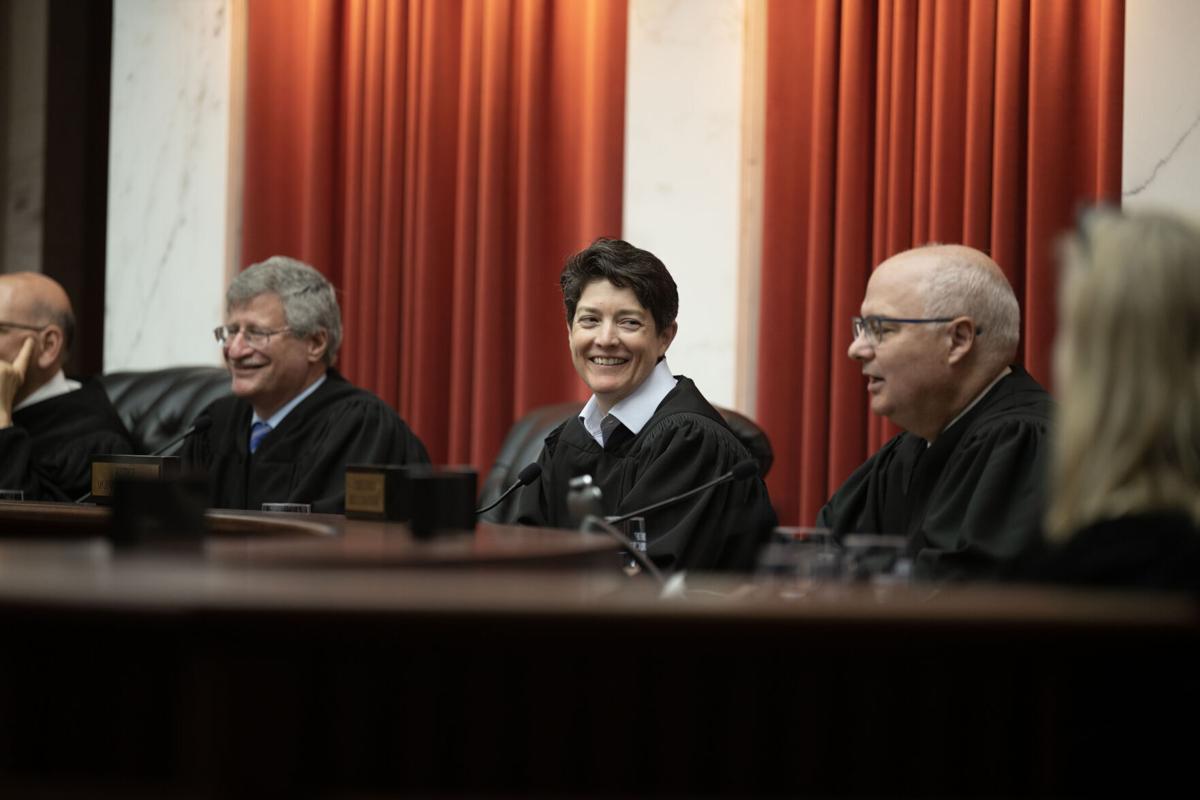
Supreme Court Justice Monica M. Márquez smiles during a swearing-in ceremony for the first-ever class of licensed legal paraprofessionals, a newly authorized occupation allowed to practice law to a limited extent. The LLPs took an oath of office in the Colorado Supreme Court's courtroom on Thursday, June 20, 2024. (Stephen Swofford, Denver Gazette)
Stephen Swofford The Gazette

Supreme Court Justice Monica M. Márquez smiles during a swearing-in ceremony for the first-ever class of licensed legal paraprofessionals, a newly authorized occupation allowed to practice law to a limited extent. The LLPs took an oath of office in the Colorado Supreme Court’s courtroom on Thursday, June 20, 2024. (Stephen Swofford, Denver Gazette)
Colorado Politics: You were just on the Western Slope for a listening tour. Why did you do that and what did you end up hearing?
Monica Márquez: My recent trip to the Western Slope was a continuation of the court’s listening tours, which we started in the fall of 2022. In our many conversations with employees across the state, people are mostly focused on having the resources they need to do their jobs well. We have heard about the need for better compensation, particularly for employees who live in areas of the state with a high cost of living and a shortage of affordable housing.
We have worked hard to begin to address these concerns with our new job classification and compensation initiative implemented this summer. Employees have also asked for more training and a focus on well-being. We have used that collective feedback from around the state to develop priorities for our Workplace Culture Initiative.
In my many conversations with branch employees, I am continually impressed by everyone’s dedication and commitment to excellence. We are a mission-oriented group of individuals committed to service.
CP: I understand that before you became chief justice, you were focused on improving workplace culture within the judicial branch. Tell me about that.
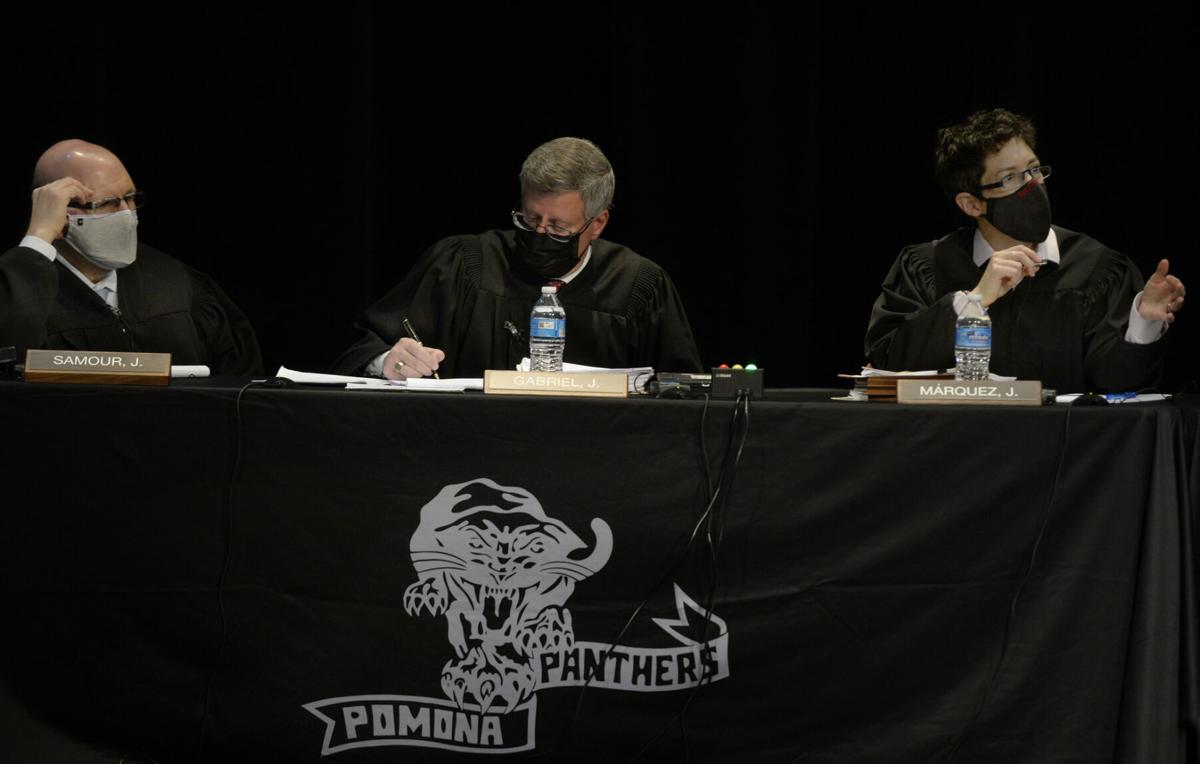
ARVADA, CO - OCTOBER 26: The Colorado Supreme Court, including left to right, justices Carlos A. Samour Jr., Richard L. Gabriel, and Monica M. Márquez, hear two cases at Pomona High School before an audience of students on October 26, 2021 in Arvada, Colorado. The visit to the high school is part of the Colorado judicial branch’s Courts in the Community outreach program. (Photo By Kathryn Scott)
Kathryn Scott

ARVADA, CO – OCTOBER 26: The Colorado Supreme Court, including left to right, justices Carlos A. Samour Jr., Richard L. Gabriel, and Monica M. Márquez, hear two cases at Pomona High School before an audience of students on October 26, 2021 in Arvada, Colorado. The visit to the high school is part of the Colorado judicial branch’s Courts in the Community outreach program. (Photo By Kathryn Scott)
Márquez: We launched our Workplace Culture Initiative in 2022 and have accomplished a great deal. We have a steering committee that includes a cross-section of chief judges, court executives, chief probation officers and clerks of court from across the state. Through an employee-driven process, we have established a new mission statement, a vision statement, and identified core values that bind us as a branch. We are now working to incorporate our MVV (mission, vision and values) into all areas of our work.
We have created a statewide training committee to better align our training offerings with the needs of judicial branch staff. With a focus group of employees across the state, we revised our Personnel Rule 20 regarding the employee code of conduct so that it is easier to understand. We created an online, on-demand training module for this content so that employees can receive this critical training right away.
In addition to our Judicial Well-Being Committee, we have launched a new statewide Employee Well-Being Committee.
As I take over as chief justice, I have passed the baton to Justice (Melissa) Hart to continue leading the WCI. Culture change takes sustained commitment and engagement, and I plan to remain involved in those efforts as they take root across the branch. All of the justices are personally committed to this work.
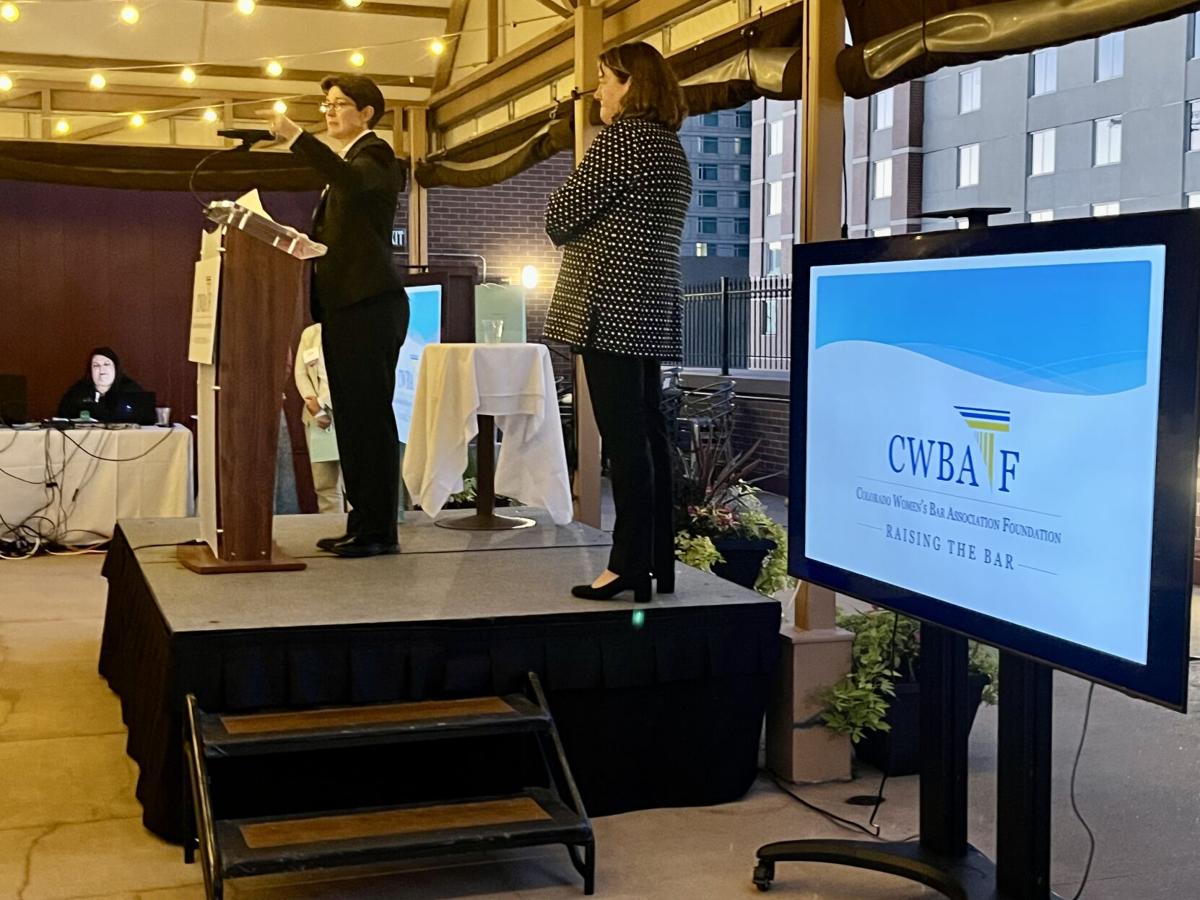
Justice Monica M. Márquez accepts the "Raising the Bar" award from the Colorado Women's Bar Association Foundation on Sept. 7, 2023 during a ceremony at the Denver Athletic Club. Justice Melissa Hart is at right.
Michael Karlik michael.karlik@coloradopolitics.com

Justice Monica M. Márquez accepts the “Raising the Bar” award from the Colorado Women’s Bar Association Foundation on Sept. 7, 2023 during a ceremony at the Denver Athletic Club. Justice Melissa Hart is at right.
CP: You were not a judge prior to your service on the Supreme Court. Looking back, do you think it would have beneficial for this role to have been a trial or appeals judge first?
Márquez: Not necessarily. The court benefits from having seven justices who come from a variety of backgrounds, with a broad collection of professional and life experience. My professional experience with the attorney general’s office, my broad exposure to state government and, in particular, my specialized experience as an appellate litigator has been valuable to the court.
And while that’s great, you wouldn’t want seven of me — just as it would not be helpful to have only former trial judges or only former prosecutors or only civil litigators. All of the justices lean into our collective wisdom as a group.
CP: You are from the Western Slope, you are LGBTQ and a Latina. Do you feel any particular obligation to the legal profession and to the public given who you are and the communities you are a part of? And does your background affect how you approach your work?
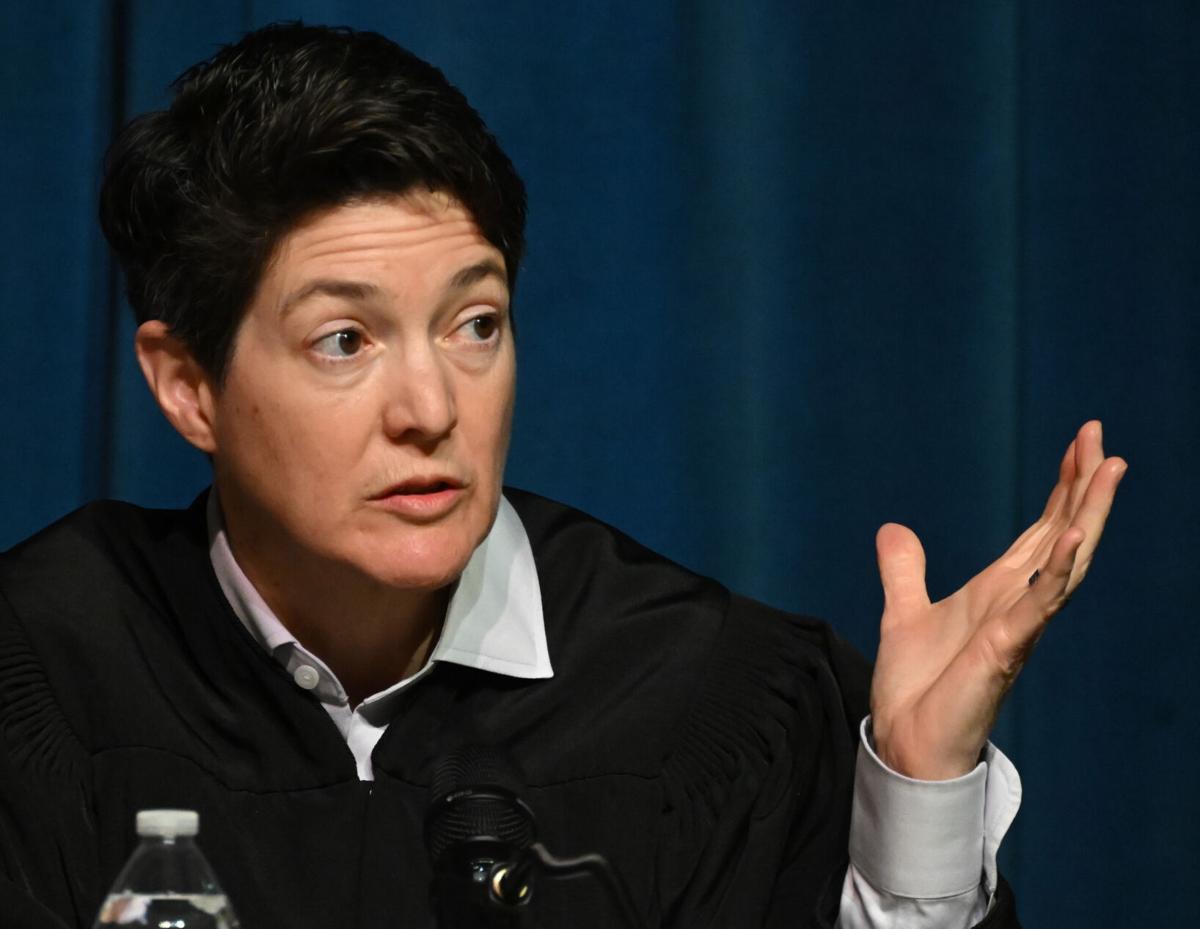
Justice Monica M. Márquez speaks during oral arguments at the Colorado Supreme Court's "Courts in the Community" event on May 9, 2024 at Central High School in Pueblo. (Photo by Jerilee Bennett, The Gazette)

Justice Monica M. Márquez speaks during oral arguments at the Colorado Supreme Court’s “Courts in the Community” event on May 9, 2024 at Central High School in Pueblo. (Photo by Jerilee Bennett, The Gazette)
Márquez: During my nearly 14 years on the court, countless community groups and schools have asked me to talk about my journey to the bench. That is apparently what happens when you are the young, gay, Catholic Latina from the Western Slope. In those face-to-face encounters, I am regularly reminded of the significance of my appointment to various communities.
These encounters also remind me that I stand on the shoulders of others. I didn’t get here alone; many others paved the way. I also recognize that I carry the hopes and dreams of many others, which is a weighty responsibility that I feel every day. Anyone who has ever been a “first” is familiar with that pressure.
That said — as a judge, my role is to be neutral, fair and impartial. I do not represent any constituency. Like all of my colleagues, I bring my professional and life experience to the table. Our collective experience helps us examine issues from a variety of vantage points. That variety of perspectives assists with identifying and addressing our blind spots as we strive to reach the best decision in each case.
CP: Chief Justice Brian Boatright once said that his onboarding for the job four years ago was that former Chief Justice Nathan Coats sat down with him 30 days before the transition and asked him, “What would you like to know?” Can you describe how your onboarding was different?
Márquez: I think Justice Boatright’s statement was somewhat in jest. He did participate in an onboarding process, but it was informal and condensed into a few months prior to being sworn in as chief justice. We recognize that our earlier process was not ideal.

Colorado Supreme Court Justice Monica M. Márquez reacts to a joke at oral arguments during Courts in the Community on Thursday, Oct. 26, 2023, at Gateway High School in Aurora, Colo. (Timothy Hurst/Denver Gazette)
Timothy Hurst

Colorado Supreme Court Justice Monica M. Márquez reacts to a joke at oral arguments during Courts in the Community on Thursday, Oct. 26, 2023, at Gateway High School in Aurora, Colo. (Timothy Hurst/Denver Gazette)
We have made several significant changes in the past few years. In addition to shifting to a rotational three-year term for chief justices and establishing liaison roles for all of the justices with various divisions within the State Court Administrator’s Office and district leadership constituencies, we have also developed a formal onboarding process for incoming chief justices.
Collectively, these changes have made me better prepared to take on this role than any chief in recent history, and I am very grateful for that. Our liaison roles have exposed all of the justices to the breadth of the administrative work and allows all of us, well in advance of taking on the chief justice role, to forge relationships both with SCAO (HR, IT, Financial Services, Court Services, etc.) and with district leadership (chief judges, court executives, chief probation officers, clerks of court, etc.).
The year-long formal onboarding process has allowed me to shadow the chief, sit in on critical meetings, undergo a series of HR and management trainings and get to know key constituencies across the state. I know that this process will also allow for a smooth transition a few years from now.
CP: Compared to four years ago, when the Supreme Court announced that Justice Boatright would be chief and you would be the chief who was next in line, this time the court hasn’t said who will succeed you. Why is that?
Márquez: The court has decided that going forward, our chief justice transitions will take place during the summer (around Aug. 1), when things are quieter. The next incoming chief justice will be announced at the time that individual starts the year-long onboarding process. So, approximately two years from now, in the summer of 2026, we will announce the incoming chief who will take over in the summer of 2027.
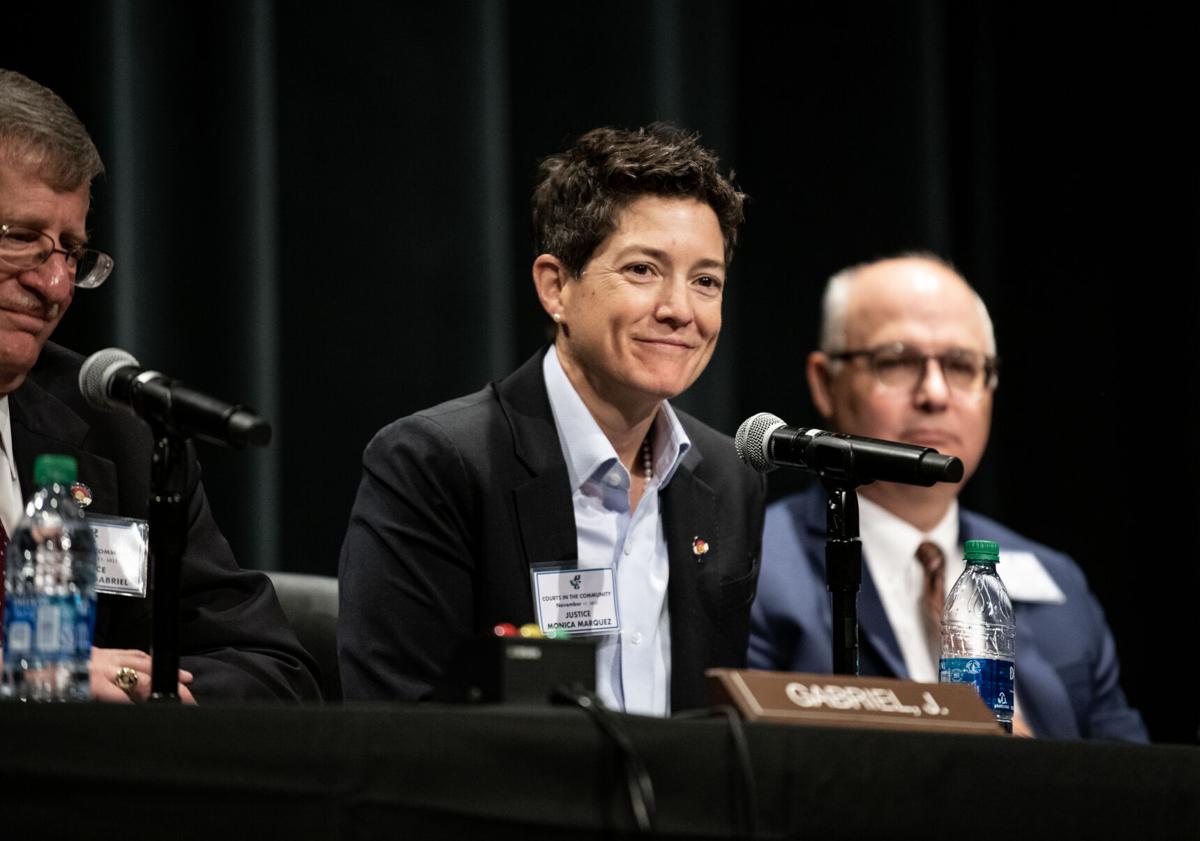
Colorado Supreme Court Justice Monica M. Márquez speaks to students at Pine Creek High School during a Courts in the Community session in Colorado Springs on Thursday, Nov. 17, 2022. (The Gazette, Parker Seibold)
Parker Seibold

Colorado Supreme Court Justice Monica M. Márquez speaks to students at Pine Creek High School during a Courts in the Community session in Colorado Springs on Thursday, Nov. 17, 2022. (The Gazette, Parker Seibold)
CP: What are your goals for the judicial branch as chief justice?
Márquez: Broadly speaking, I want to continue the momentum we have begun with our Workplace Culture Initiative, implementing our mission, vision and values, continuing with our job classification and compensation project, improving communication internally and externally, supporting employee well-being, and making sure our judicial officers and court and probation staff have the training and resources they need to do their jobs well.
I want to ensure that the judiciary has the judges and staff necessary to efficiently administer justice across the state. Delays that stem from shortages of judges or staff unnecessarily harm litigants, attorneys and the public. Keeping those broad goals in mind, I also recognize that we often confront unexpected challenges that require us to shift and adapt our plans. I intend to continue our listening tours across the state so that we hear directly from employees what is working and where we can make improvements.
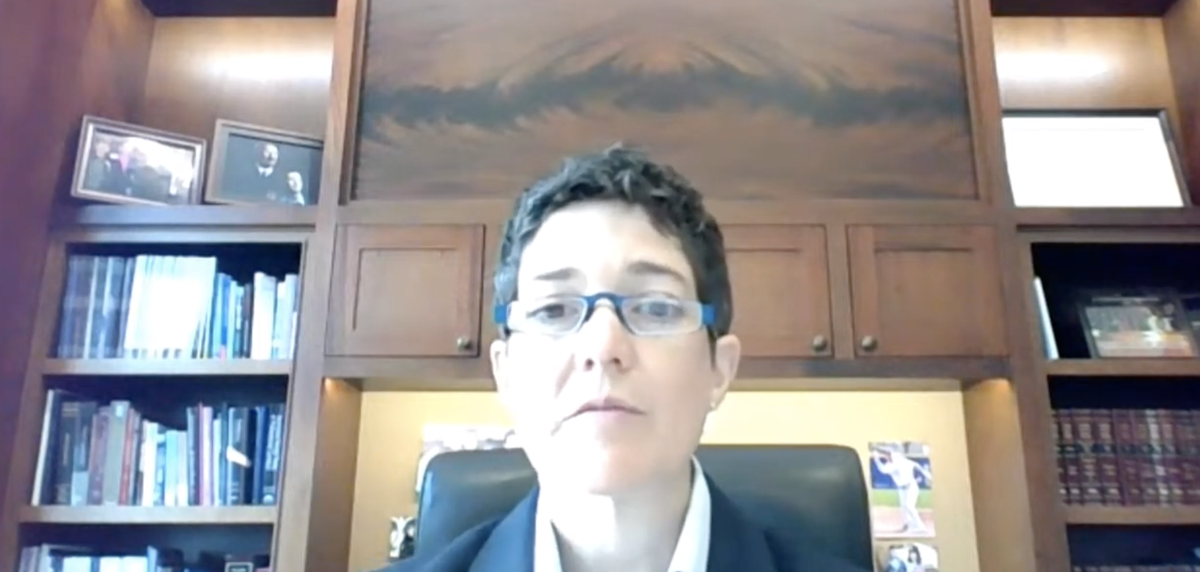
Justice Monica M . Márquez speaks to the U.S. House of Representatives' Subcommittee on Courts, Intellectual Property, and the Internet on July 12, 2021.

Justice Monica M. Márquez speaks to the U.S. House of Representatives’ Subcommittee on Courts, Intellectual Property, and the Internet on July 12, 2021.
CP: Colorado Politics recently reported that there is support in the legal community for a couple of basic transparency moves on the Supreme Court. The first is for you all to disclose your reasons for not participating in an appeal and the second is to announce the appeals directly from the trial courts that you turn down. How do you feel about that?
Márquez: I won’t provide my own opinion regarding suggested policy changes.
CP: In June, you wrote a concurring opinion in a pair of cases that dealt with racial bias in jury selection. You suggested the more meaningful reform is to eliminate peremptory strikes, which only the legislature can do. The critics of that move would say the legislature isn’t going to do that, so your call to action is really a hollow one that allows the Supreme Court to avoid doing anything. What is your response?
Márquez: I cannot comment on the court’s opinions or still-pending proposed rule amendments.
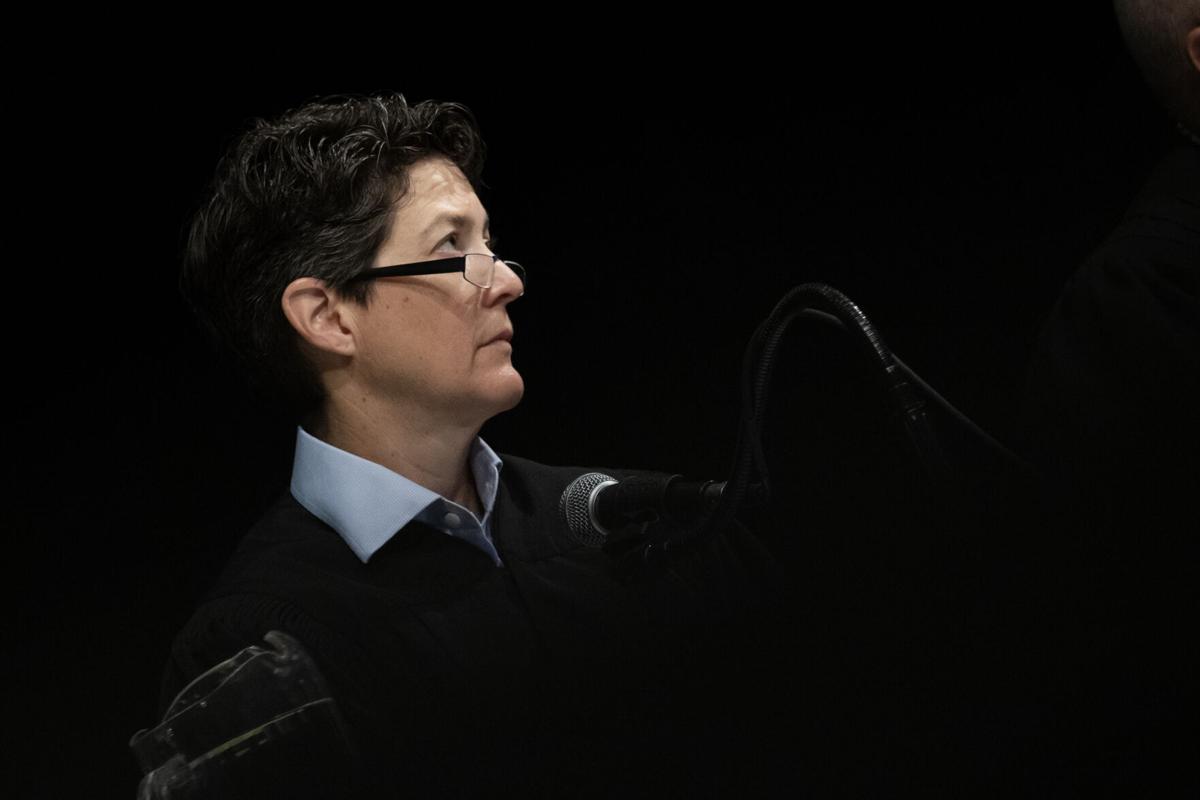
Colorado Supreme Court Justice Monica M. Márquez looks on during oral arguments at Courts in the Community on Thursday, Oct. 26, 2023, at Gateway High School in Aurora, Colo. (Timothy Hurst/Denver Gazette)
Timothy Hurst
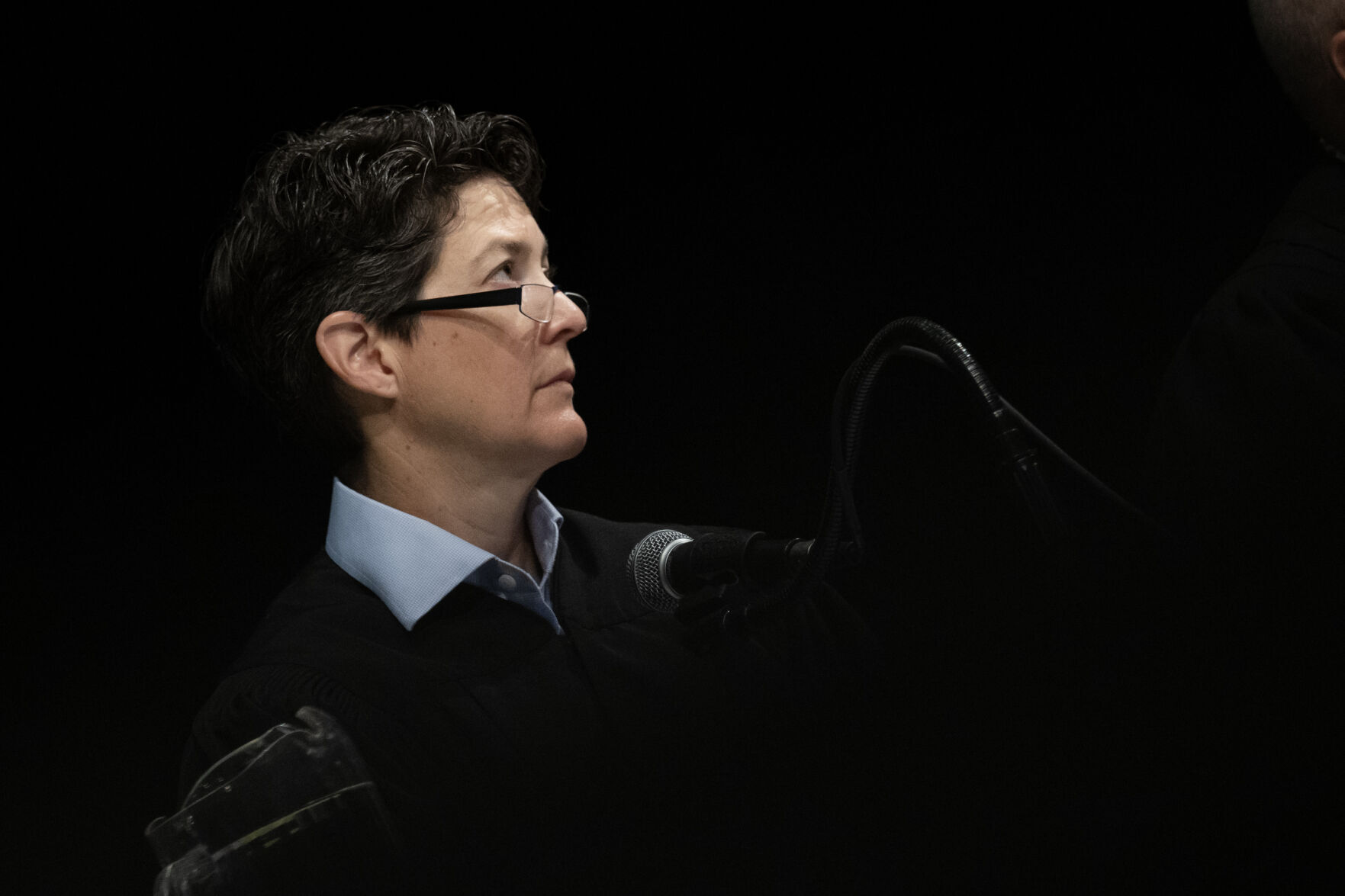
Colorado Supreme Court Justice Monica M. Márquez looks on during oral arguments at Courts in the Community on Thursday, Oct. 26, 2023, at Gateway High School in Aurora, Colo. (Timothy Hurst/Denver Gazette)
CP: Your court was involved in a first-of-its-kind controversy about the meaning of the 14th Amendment’s insurrection clause as applied to a former president. Stepping back from the case itself, how do you feel about the Colorado Supreme Court being the first to address that legal and historical question? Do you wish it had been another state supreme court that had gone first?
Márquez: No comment.
CP: There has been much focus on the U.S. Supreme Court’s more ideological decisions and the atypical conduct by some of its members in their personal lives. Do you feel the U.S. Supreme Court’s depiction in the public eye reflects on you all and affects how you do your job?
Márquez: I think many members of the public do not understand the difference between our federal and state court systems and often conflate the two. Under our merit selection system in Colorado, state court judges are not appointed for life, but are chosen through a process that involves citizen-led nominating commissions. Our state court judges also undergo a performance evaluation process that allows voters to have input on whether judges should be retained in office.
We have one of the best systems of judicial selection and retention, and the more the public knows how this process works, the more confidence they have in our judges and our court system.
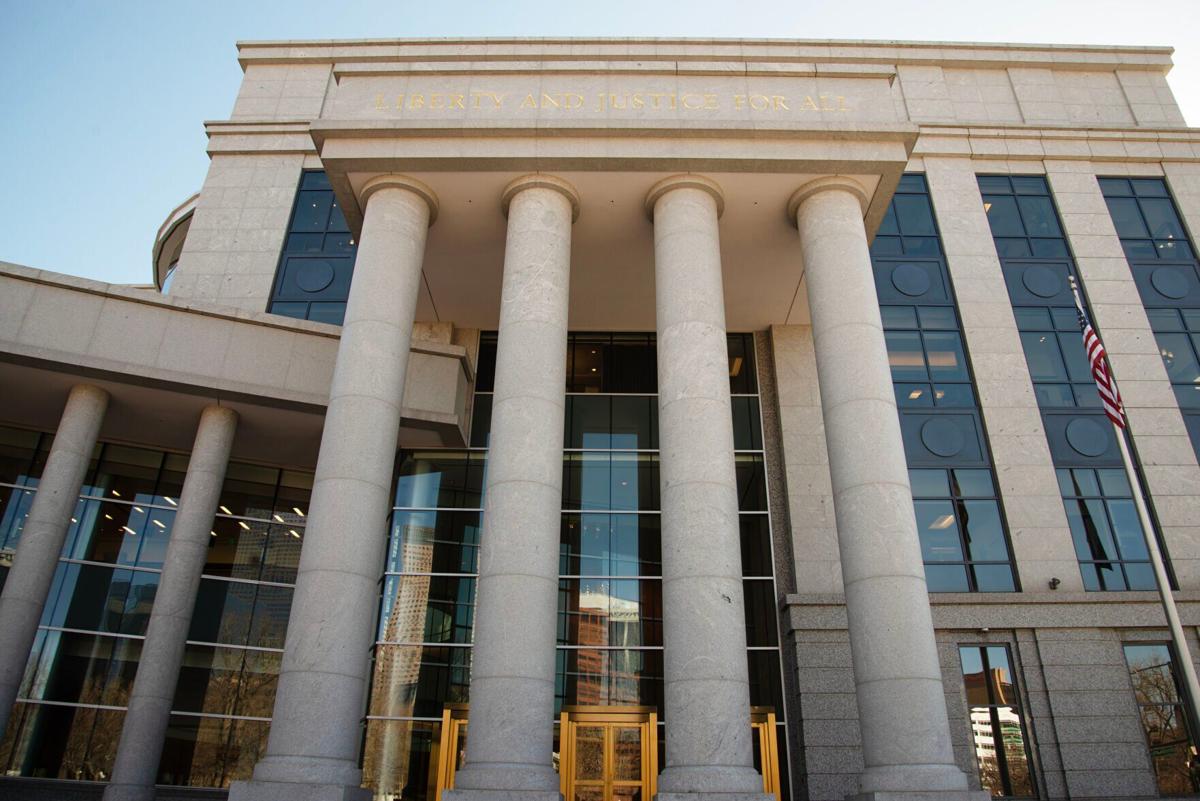
FILE PHOTO: The Ralph L. Carr Judicial Center houses both the Colorado Supreme Court and the Colorado Court of Appeals as seen on Friday, March 1, 2024. The facility's namesake is the former Colorado Governor, Ralph Lawrence Carr, who served between 1939 and 1943 and was known for his opposition to Japanese Interment camps during the time.
Tom Hellauer/Denver Gazette

FILE PHOTO: The Ralph L. Carr Judicial Center houses both the Colorado Supreme Court and the Colorado Court of Appeals as seen on Friday, March 1, 2024. The facility’s namesake is the former Colorado Governor, Ralph Lawrence Carr, who served between 1939 and 1943 and was known for his opposition to Japanese Interment camps during the time.
CP: What is the latest understanding of how long it will take to repair the Carr Center and the cost for doing so?
Márquez: The damage to the Ralph Carr Judicial Center last January was extensive and caused significant disruption to not just SCAO operations but to all tenants in the building. Decontamination, renovation and repair work is ongoing. Barring unforeseen complications or delays, we hope to reopen the least damaged floors (8-12) later this fall. Floors that sustained the greatest fire and water damage (5-7) will not be reopened until well into 2025, as they must be essentially gutted and rebuilt.
CP: Is there a movie or TV show that depicts the work you or other judges do realistically?
Márquez: I can’t think of any that captures what our work is like at the appellate court. Justice Boatright has joked that if there were a reality TV show about the Supreme Court, it would be really boring because everyone just works hard and gets along really well. As for trial court work, I know that a number of my trial court colleagues enjoyed “Jury Duty” and found it entertaining, if not exactly realistic.

Trump’s 10th Circuit nominee recuses from cases against federal government without explanation
Michael Karlik
michael.karlik@coloradopolitics.com
Updated 18 hours ago
President Donald Trump’s nominee to fill a vacancy on the Denver-based federal appeals court recused himself without a clear explanation from nine cases against the executive branch while he was undergoing vetting by the White House this spring. U.S. District...
Adams County murder conviction reversed due to faulty jury instruction
Michael Karlik
michael.karlik@coloradopolitics.com
Updated 21 hours ago
Colorado’s second-highest court overturned an Adams County defendant’s murder conviction last month because the instruction provided to the jury about a trespasser’s right to use self-defense did not accurately reflect Colorado law. A person is justified in using force to...
Colorado court upholds murder conviction despite jury disobeying instructions
Michael Karlik
michael.karlik@coloradopolitics.com
Updated 2 days ago
Colorado’s second-highest court upheld an Arapahoe County defendant’s murder conviction last month, even though jurors found he was not the one who shot the victim and the evidence suggested he was not present for the shooting. A three-judge Court of...
Divided appeals court reverses conviction after judge declined to define ‘bludgeon’
Michael Karlik
michael.karlik@coloradopolitics.com
Updated 2 days ago
Colorado’s second-highest court reversed a Jefferson County defendant’s felony menacing conviction on Thursday, concluding that the trial judge’s failure to define “bludgeon” for jurors may have affected the outcome. A three-judge Court of Appeals panel divided in unusual ways in...
10th Circuit dismisses Tina Peters’ challenge to confinement as moot
Michael Karlik
michael.karlik@coloradopolitics.com
Updated 1 day ago
The Denver-based federal appeals court granted the state’s unopposed request on Wednesday to dismiss former Mesa County clerk Tina Peters’ challenge to her confinement as moot. Although Peters received a commutation of her prison sentence last month from Gov. Jared...
Federal judge declines to recuse from death penalty case after Supermax visit
Michael Karlik
michael.karlik@coloradopolitics.com
Updated 2 days ago
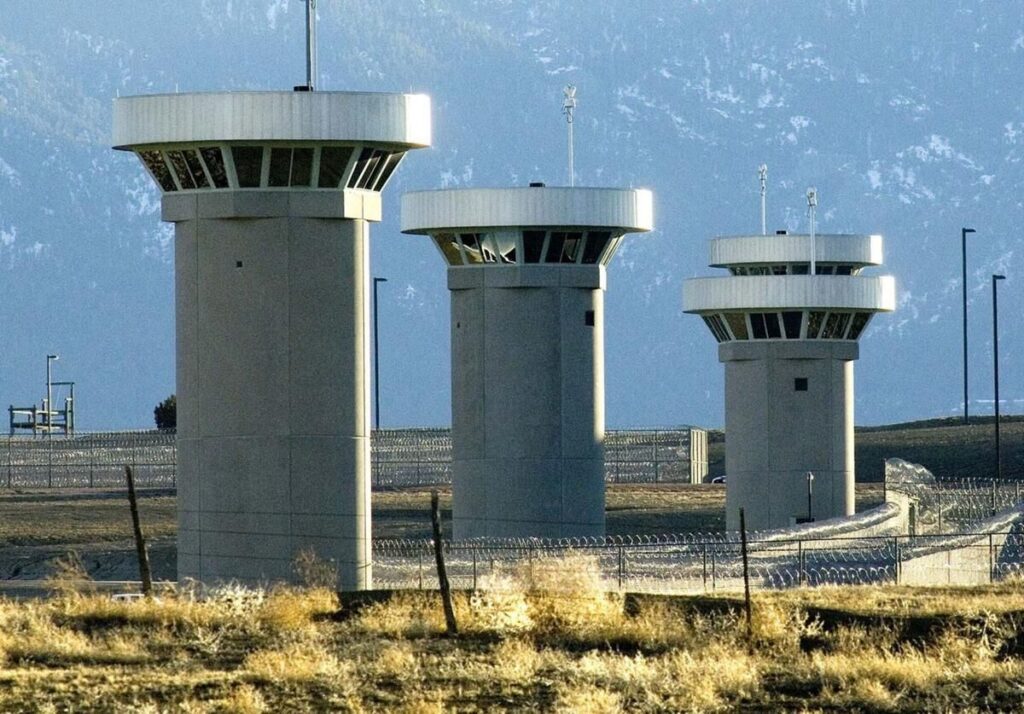
A federal judge declined to recuse herself last month from a death penalty case arising out of Colorado’s “Supermax” prison, finding that her tour of the facility earlier this year did not bias her decision-making. U.S. District Court Judge Charlotte...
Appeals court clarifies offense of impersonating a peace officer
Michael Karlik
michael.karlik@coloradopolitics.com
Updated 3 days ago
Colorado’s second-highest court clarified this month that a person commits the offense of impersonating a peace officer if they engage in “any conduct” while pretending to be law enforcement. In a case out of El Paso County, Richard James Coulier...
Colorado Supreme Court reverses 2 Chaffee County judges for imposing fee on habeas petitioner
Michael Karlik
michael.karlik@coloradopolitics.com
Updated 4 days ago
The Colorado Supreme Court rejected two separate appeals earlier this month from an incarcerated defendant seeking immediate release from prison, but concluded that two Chaffee County judges incorrectly required him to prepay filing fees for his cases. David J. Gottorff...
Weld County judge wrongly denied bail to murder defendant in gap between law change
Michael Karlik
michael.karlik@coloradopolitics.com
Updated 4 days ago
Colorado’s second-highest court ruled this month that a Weld County judge was wrong to deny bail to a murder defendant in the window between the state Supreme Court’s recognition of the right to bail and the voters’ subsequent overruling of...
Defendants acquitted by insanity are eligible for records-sealing, appeals court says
Michael Karlik
michael.karlik@coloradopolitics.com
Updated 3 days ago
Colorado’s second-highest court clarified last month that defendants who are found not guilty by reason of insanity are eligible to have their criminal records sealed from public view. Judges must seal criminal records if, among other things, a defendant is...