

Aurora not liable for suspended officer’s attack on woman, federal court rules
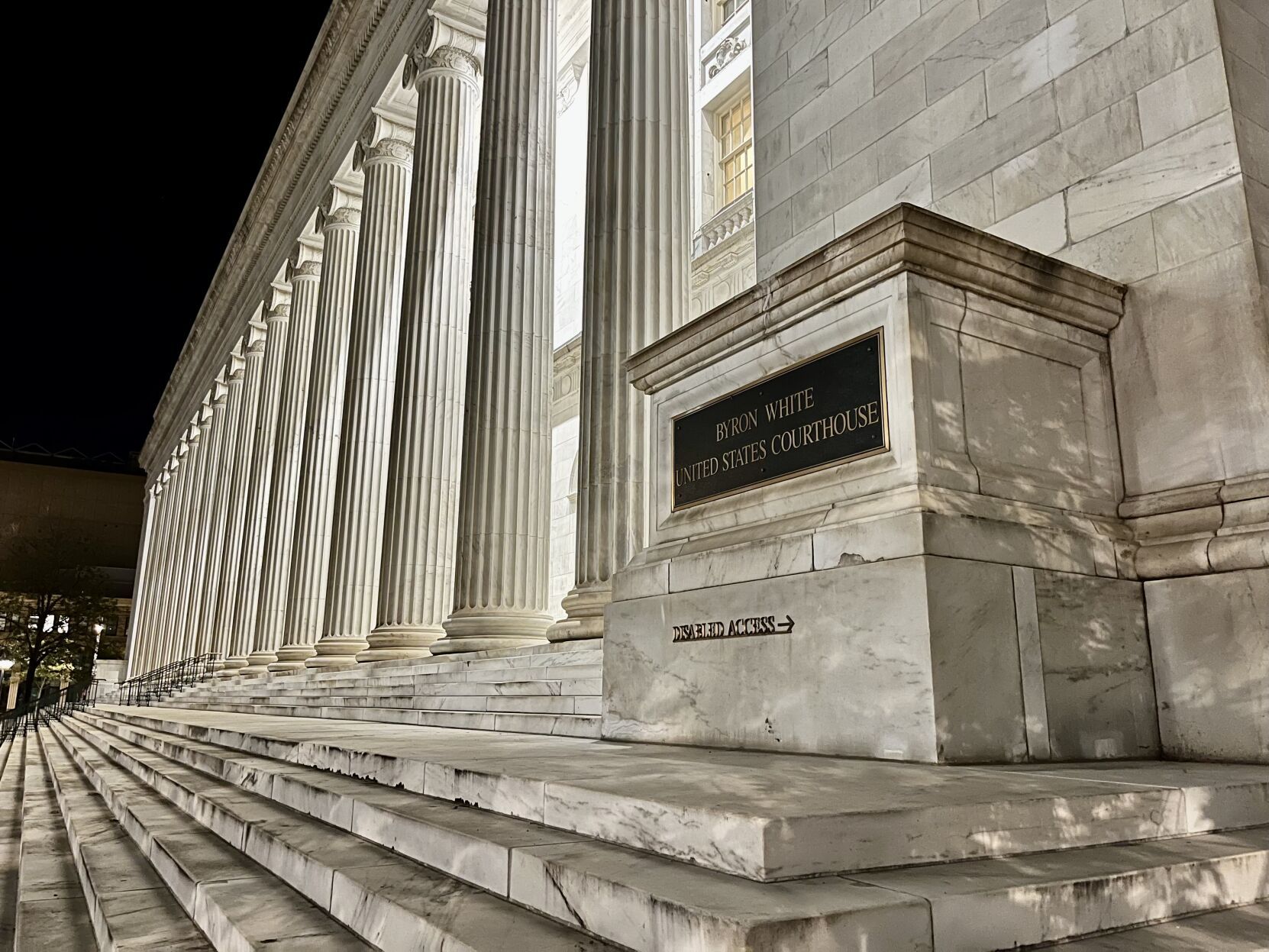
The Denver-based federal appeals court decided on Monday that the city of Aurora cannot be held liable for an officer’s attack on a woman while he was serving a suspension for shooting a different person.
Wyoma Martinez filed suit against Officer Douglas Harroun and the city after Harroun used force against Martinez at her apartment complex in January 2023 while he was on leave. Arapahoe County prosecutors charged him with assault by strangulation, but he pleaded guilty to a lesser charge.
Martinez lodged claims against Harroun for excessive force, while alleging Aurora’s policies for officers who are on administrative leave were the driving force behind Harroun’s unconstitutional conduct.
Although a trial judge declined to dismiss Martinez’s claim against the city, the U.S. Court of Appeals for the 10th Circuit saw differently. A three-judge panel noted Aurora could only be held liable if Harroun was acting “under color of state law.” But the city had placed Harroun on leave and directed him not to take “any action” as a police officer.
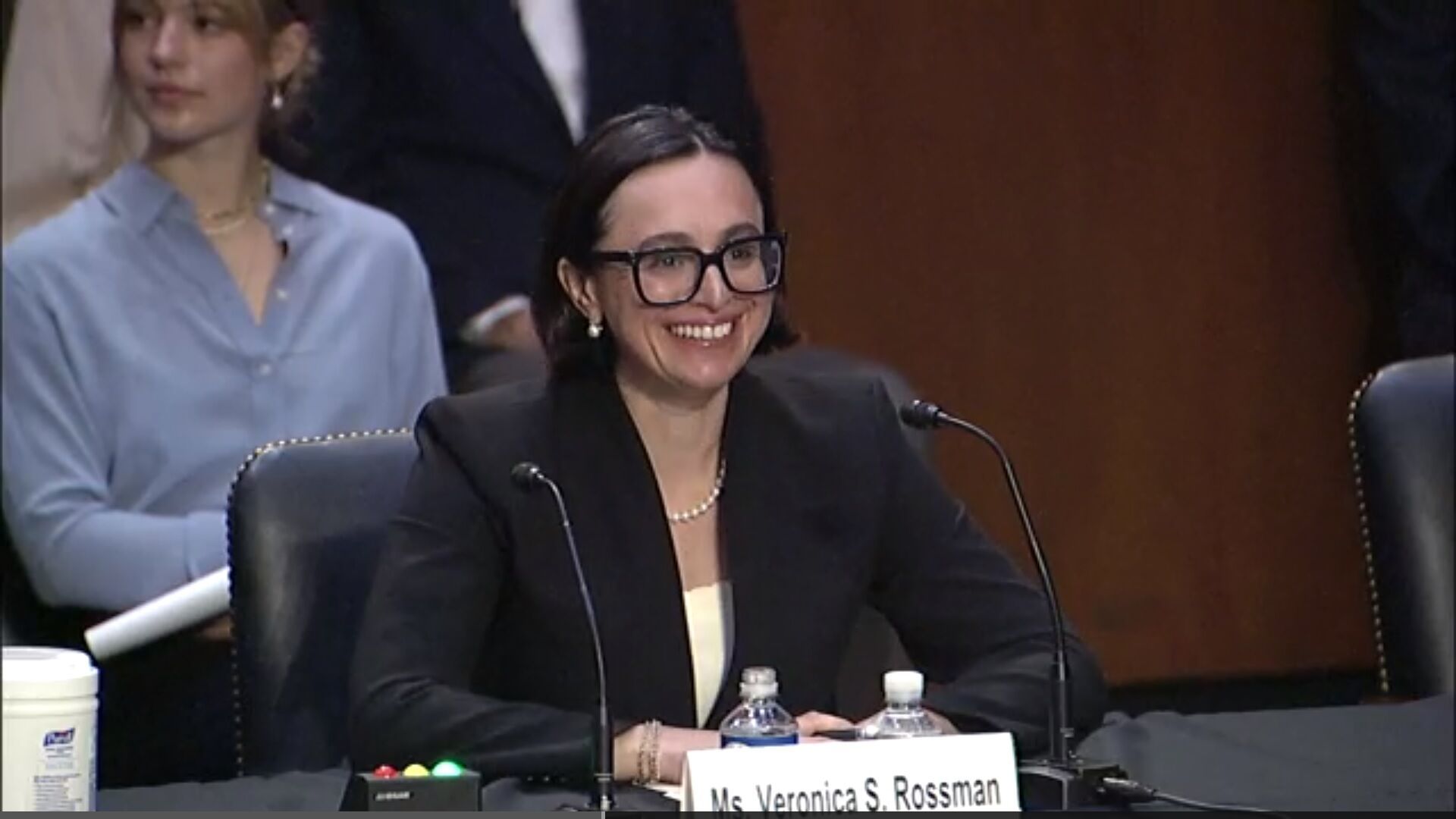
“Ms. Martinez has plausibly pleaded only that Officer Harroun believed he had authority to engage in his specific conduct during the incident,” wrote Judge Veronica S. Rossman in the April 27 opinion. “But Ms. Martinez has failed to plausibly plead Officer Harroun had actual authority.”
The court’s reasoning also appeared to apply to Martinez’s constitutional claims against Harroun. His attorney declined to comment and Martinez’s lawyer did not respond to a request for comment.
Martinez’s lawsuit alleged she was walking her dog near her building when Harroun “aggressively approached” her in his vehicle. Martinez, who was moving slowly due to the ice and her physical disability, inquired what Harroun was doing.
Harroun allegedly exited his vehicle and told her, “I’m a cop.” He continued to scream at Martinez and she allegedly attempted to end the confrontation. Martinez told Harroun she had pepper spray on her, prompting Harroun to allegedly slam her to the ground and punch her in the face.
Harroun told Martinez she was under arrest for “assaulting a peace officer.” Witnesses called 911 and Aurora police responded. After learning Harroun was also an Aurora officer, police called in the Arapahoe County Sherriff’s Office to take charge.
At the time of the encounter, Harroun was on administrative leave for shooting a man in the leg a few weeks prior. Harroun had been instructed not to take “any action as a sworn police officer” while he was on leave, but he was allowed to retain his badge.
Martinez — whose injuries included impaired vision, exacerbation of her existing condition, and cognitive dysfunction — alleged Aurora’s policies, lack of training, and decision to hire Harroun despite his “red flags” were to blame for his conduct. Among other things, Martinez argued Aurora trained its officers they were “never off-duty,” with no clear exception for those on administrative leave.
Aurora sought to dismiss itself from the lawsuit, arguing it could not be held liable because Harroun’s conduct was a “purely personal pursuit” without governmental authority.
U.S. District Court Judge Charlotte N. Sweeney disagreed. She believed Martinez had credibly alleged Aurora had given him the impression he was empowered to use force against Martinez even while on leave.
“While he had no actual authority to act as a police officer,” Sweeney wrote, “both he and Ms. Martinez plausibly subjectively believed that he was acting on that authority.”

Aurora quickly asked Sweeney to reconsider, drawing her attention to a U.S. Supreme Court decision issued several months earlier. In Lindke v. Freed, the justices analyzed whether a city official could be held liable for deleting comments and blocking a user from his Facebook page on which he posted both personal and governmental content. The Supreme Court decided the conduct could amount to a First Amendment violation if the official “possessed actual authority” to speak on behalf of the government.
Sweeney stuck by her decision. However, without explanation, she now wrote that Martinez had alleged Harroun acted with actual authority under state law. Sweeney cited the fact that Harroun had kept his badge and the “ambiguity of the off-duty policy” in support of her new rationale.
During oral arguments, the 10th Circuit panel focused on whether Harroun had actual police authority at the time he attacked Martinez.
“He identifies himself as a police officer. He tells her she’s under arrest. He gives her his badge number,” said Judge Carolyn B. McHugh. “It seems to me like he is operating under color of state law.”
“Wouldn’t it have been more clear that he had been stripped of his duties as a sworn officer if his badge and his gun had been taken away?” asked Judge Joel M. Carson III.
“Actual authority was stripped from him through that leave order, and he was told about it and he signed it,” responded attorney Hollie R. Birkholz for the city.
Case: Martinez v. City of Aurora
Decided: April 27, 2026
Jurisdiction: U.S. District Court for Colorado
Ruling: 3-0
Judges: Veronica S. Rossman (author)
Carolyn B. McHugh
Joel M. Carson III
Ultimately, the panel agreed that the Supreme Court’s requirement for “actual authority” meant Aurora was not liable for Harroun’s actions after the city placed him on leave.
“That broad revocation of authority rendered objectively unreasonable Officer Harroun’s belief he could use the badge as he did,” Rossman wrote.
The case is Martinez v. City of Aurora, Colorado et al.

10th Circuit dismisses Tina Peters’ challenge to confinement as moot
Michael Karlik
michael.karlik@coloradopolitics.com
Updated 14 hours ago
The Denver-based federal appeals court granted the state’s unopposed request on Wednesday to dismiss former Mesa County clerk Tina Peters’ challenge to her confinement as moot. Although Peters received a commutation of her prison sentence last month from Gov. Jared...
Federal judge declines to recuse from death penalty case after Supermax visit
Michael Karlik
michael.karlik@coloradopolitics.com
Updated 15 hours ago
A federal judge declined to recuse herself last month from a death penalty case arising out of Colorado’s “Supermax” prison, finding that her tour of the facility earlier this year did not bias her decision-making. U.S. District Court Judge Charlotte...
Appeals court clarifies offense of impersonating a peace officer
Michael Karlik
michael.karlik@coloradopolitics.com
Updated 20 hours ago
Colorado’s second-highest court clarified this month that a person commits the offense of impersonating a peace officer if they engage in “any conduct” while pretending to be law enforcement. In a case out of El Paso County, Richard James Coulier...
Colorado Supreme Court reverses 2 Chaffee County judges for imposing fee on habeas petitioner
Michael Karlik
michael.karlik@coloradopolitics.com
Updated 2 days ago
The Colorado Supreme Court rejected two separate appeals earlier this month from an incarcerated defendant seeking immediate release from prison, but concluded that two Chaffee County judges incorrectly required him to prepay filing fees for his cases. David J. Gottorff...
Weld County judge wrongly denied bail to murder defendant in gap between law change
Michael Karlik
michael.karlik@coloradopolitics.com
Updated 2 days ago
Colorado’s second-highest court ruled this month that a Weld County judge was wrong to deny bail to a murder defendant in the window between the state Supreme Court’s recognition of the right to bail and the voters’ subsequent overruling of...
Defendants acquitted by insanity are eligible for records-sealing, appeals court says
Michael Karlik
michael.karlik@coloradopolitics.com
Updated 13 hours ago
Colorado’s second-highest court clarified last month that defendants who are found not guilty by reason of insanity are eligible to have their criminal records sealed from public view. Judges must seal criminal records if, among other things, a defendant is...
Colorado Supreme Court shuts down ‘new form of representation’ in postconviction cases
Michael Karlik
michael.karlik@coloradopolitics.com
Updated 2 days ago
While unrepresented defendants in postconviction proceedings are permitted to have a court-appointed attorney investigate and augment their claims, that is not the case when a private lawyer authors the original petition, the Colorado Supreme Court decided on Monday. In contrast...

Colorado State Shooting Association files constitutional challenge to firearms dealer law
Marissa Ventrelli
marissa.ventrelli@coloradopolitics.com
Updated 2 days ago
A firearms group has filed a lawsuit challenging a recently signed law expanding regulations for firearms dealers in Colorado. House Bill 26-1126 clarifies that firearms dealers must hold both a federal and state license to operate. The bill also allows the...
Colorado justices walk back appeals court’s expansion of rezoning via ballot box
Michael Karlik
michael.karlik@coloradopolitics.com
Updated 3 days ago
The Colorado Supreme Court ruled on Monday that rezonings of planned-unit developments cannot occur through a vote at the ballot box, reversing an appellate decision that found such changes were fair game for a popular vote. In contrast to traditional,...
Colorado Supreme Court recognizes right to self-defense in workplace
Michael Karlik
michael.karlik@coloradopolitics.com
Updated 2 days ago
The Colorado Supreme Court recognized on Monday that there is a right to self-defense in the workplace for which employers may not terminate workers so long as they lawfully exercise that right. The court’s majority in the 5-2 decision cautioned...
PREV
PREVIOUS

Arapahoe County lawmakers postpone vote on short-term rental regulations after tech issues
Arapahoe County Commissioners delayed an official vote Tuesday on regulating short-term rental properties after technological challenges caused issues for public comment. Commissioners voted to approve the regulations after a public comment period Tuesday, then revoked the vote and rescheduled it to May 12 after technical issues kept online participants from being able to hear or […]
Colorado GOP request to block unaffiliated voters from receiving Republican primary ballots denied by judge
A federal judge on Tuesday denied the Colorado Republican Party’s request for an emergency injunction barring unaffiliated voters from participating in the state’s upcoming Republican primary election. U.S. District Court Judge Philip A. Brimmer said that preventing unaffiliated voters from receiving Republican primary ballots just weeks before ballots for the June 30 primary are scheduled […]