

Federal judge tosses class-action lawsuit over poor Vail Resorts experience during strike
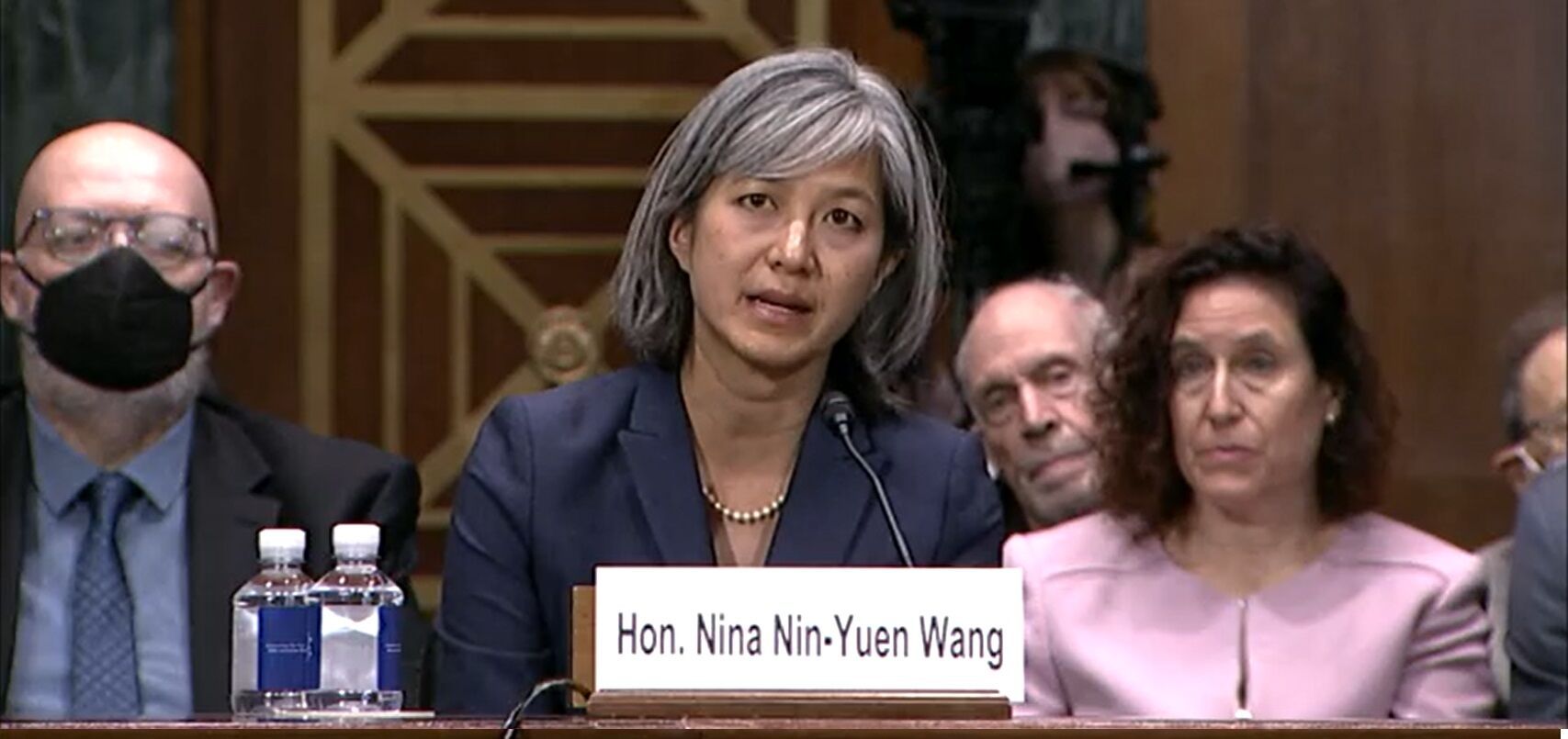
A federal judge dismissed a plaintiff’s proposed class-action lawsuit last month that sought compensation from Vail Resorts after a ski patrol strike turned a family vacation into a “colossal disaster.”
U.S. District Court Judge Nina Y. Wang concluded plaintiff Christopher Bisaillon entered into a valid agreement with Vail when he bought his ski pass, and the terms barred him from pursuing a class action. Because Bisaillon solely invoked the federal courts’ authority over class-action claims as a basis for his lawsuit, Wang dismissed the case.
Bisaillon, who lives in suburban Chicago, alleged that he spent more than $15,000 for his family of five to visit Park City Mountain Resort in Utah at the end of 2024. He bought passes in April of that year, but upon arriving at the resort in December, a strike by mountain safety workers rendered only 16% of the slopes available for use. As a result, there were hours-long waits to ski.
Vail “intentionally and willfully deceived hundreds of thousands of consumers when it failed to disclose that the ski patrol and mountain safety personnel union … were on strike,” his lawyers wrote.
Bisaillon originally filed suit in Utah’s federal court, making fraud-related claims on behalf of himself and others who used their ski passes during the strike.
Based on the terms of the ski pass, a judge transferred the case to Colorado, where Vail moved to dismiss the lawsuit.
“This case is about whether a ski-pass-holder who accepted Terms of Sale that expressly disclaim guarantees of guest satisfaction and unrestricted access can convert his disappointing ski trip into a nationwide fraud class action. The answer is no,” wrote the company’s lawyers.
Bisaillon countered that his “colossal disaster” of a vacation was the result of Vail intentionally deceiving customers about the impact of the strike.
“Plaintiff alleges Vail knew, because of the strike, only a small portion of the mountain would be open and available to skiers. Vail also instructed its employees (to) lie to consumers to preserve bookings,” his lawyers wrote. “By staying silent, Vail ensured that consumers would waste their money.”
In a March 25 order, Wang quoted from the terms and conditions of the ski pass, which granted Vail “sole and absolute discretion” to operate its facilities, including the right to “reduce, or cease operations.” The terms also did not guarantee access to any particular resorts or terrain, or “any particular guest experience.”
Finally, the terms barred class-action lawsuits.
In determining that the agreement between Bisaillon and Vail was valid, Wang rejected the argument that Vail had acted fraudulently.
“Given the unpredictability of winter weather and other factors, Vail cannot guarantee that any terrain at any resort will be available at any specific time,” she wrote, so long as the company acted in good faith.
She added that Vail had not made a false promise of access to get Bisaillon to buy a pass.
“Here, Plaintiff purchased his lift passes in April 2024, long before Vail even anticipated the strike. Vail’s alleged misrepresentations about the strike did not occur until December 2024, so Plaintiff could not have relied on them when purchasing his lift passes months earlier,” Wang wrote.
Because the judge in Utah had already concluded the ski pass terms applied to Bisaillon’s case, Wang agreed that the prohibition on class-action lawsuits also was in effect.
She dismissed the case. Bisaillon moved to appeal her decision on Friday.
The case is Bisaillon v. Vail Resorts, Inc.

10th Circuit says landowner cannot sue ex-Routt County judge for statements in decision
Michael Karlik
michael.karlik@coloradopolitics.com
Updated 7 hours ago
A Routt County landowner cannot sue a former judge for his allegedly inaccurate statements in a case where the landowner was not a party, the Denver-based federal appeals court decided on Wednesday. Anne Fitzsimmons, who lives in Germany, owns a...
Parole, appeals deadlines and restitution: Colorado justices accept cases
Michael Karlik
michael.karlik@coloradopolitics.com
Updated 1 day ago
The Colorado Supreme Court announced on Monday that it will determine how a defendant’s parole-eligibility date should be calculated in instances where a new trial results in a sentence being imposed retroactively to the date of the original, since-overturned sentence....

Federal judge rejects DOJ bid to force Colorado to hand over voter information
Marissa Ventrelli
marissa.ventrelli@coloradopolitics.com
Updated 5 hours ago
A U.S. district court judge has dismissed a lawsuit filed by the U.S. Department of Justice against Colorado Secretary of State Jena Griswold for refusing to provide the agency with personal voter information. Last December, the DOJ’s Civil Rights Division asked...
3 Colorado judges receive unfavorable retention recommendation as one performance commission violates rules
Michael Karlik
michael.karlik@coloradopolitics.com
Updated 2 days ago
Of the 123 Colorado judges standing for retention on the November ballot, citizen-led performance commissions found that three did not meet the required performance standards. However, in an unprecedented move, the commission charged with evaluating Supreme Court and Court of...
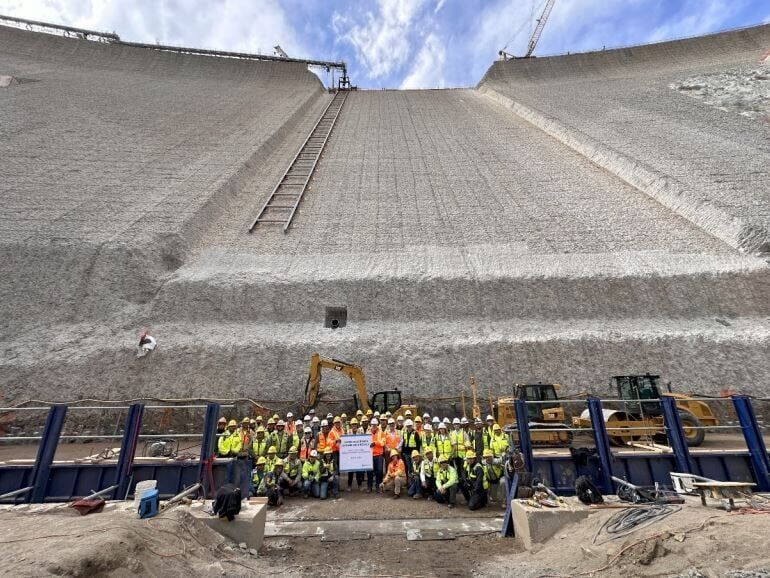
10th Circuit weighs Gross Reservoir expansion, judge’s ‘punishment’ of Denver Water
Michael Karlik
michael.karlik@coloradopolitics.com
Updated 8 hours ago
Members of the Denver-based federal appeals court considered on Friday whether they could intervene in an ongoing infrastructure project to enlarge a Boulder County dam after a trial judge deemed the underlying permit unlawful nearly two years ago. Denver Water...

10th Circuit upholds federal prohibition on juvenile handgun possession
Michael Karlik
michael.karlik@coloradopolitics.com
Updated 1 day ago
The Denver-based federal appeals court concluded on Monday that Congress acted within its constitutional powers to make it a crime for juveniles to possess handguns in most instances. The decision from the U.S. Court of Appeals for the 10th Circuit...

Senate advances judicial nominee, Montezuma County judge agrees to discipline | COURT CRAWL
Michael Karlik
michael.karlik@coloradopolitics.com
Updated 3 days ago
Welcome to Court Crawl, Colorado Politics’ roundup of news from the third branch of government. A U.S. Senate committee advanced a judicial nominee from Colorado, plus a Montezuma County judge agreed to receive discipline for his misconduct that stops short...
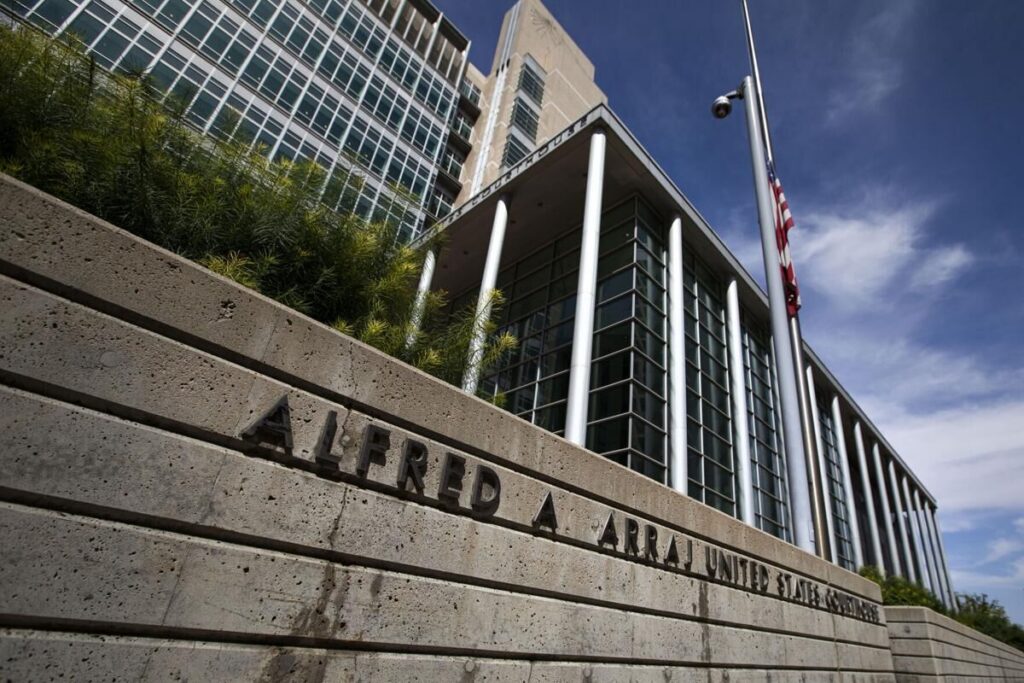
Judge denies Calderon injunction case against Denver, Johnston
Deborah Grigsby
deborah.smith@denvergazette.com
Updated 3 days ago
A U.S. District Court judge has denied a preliminary injunction in the case of Jessica Calderon, the Denver city employee who won a temporary restraining order preventing the City and County of Denver from terminating her amid the 2025 citywide...

10th Circuit partially revives lawsuit over 2020 Denver protest injuries
Michael Karlik
michael.karlik@coloradopolitics.com
Updated 3 days ago
The Colorado-based federal appeals court revived a man’s claims against Denver on Friday after concluding a trial judge resolved the case in the city’s favor without analyzing two of the three instances of alleged excessive force and other constitutional violations....

Federal judges find Colorado immigration judge violated several orders
Michael Karlik
michael.karlik@coloradopolitics.com
Updated 4 days ago
Multiple federal judges in Colorado have freed people from immigration custody after determining that one immigration judge violated their directives for properly conducting bond hearings. For nearly a year, Colorado’s U.S. District Court has faced a flood of habeas corpus petitions...
PREV
PREVIOUS

Proposal to use TABOR refunds for education gets preliminary OK in Colorado
KEY TAKEAWAY: Colorado residents will lose more than $7,000 in TABOR refunds over 10 years under a Democratic proposal to divert the money to K-12 education. If approved by the full Senate, its next stop is the House. Colorado senators on Friday gave preliminary approval to a proposed ballot measure that would take billions of […]

The applicability of Hungary’s election to our politics | SONDERMANN
American conservatives, largely synonymous these days with MAGA save for a few lonely voices of courage and dissent, have plenty to lament. Their domination of the political landscape is waning. Various special elections hither and yon have presented bright, flashing caution signs. A very difficult, perhaps devastating, off-year election beckons. Major fractures have surfaced within […]