

Corrections officials may be sued for employee’s alleged abuse of detainee, federal judge rules

High-level corrections officials may be sued for their own alleged failures to prevent or respond to an employee’s sexual misconduct toward a detainee, a federal judge decided last month.
Rajae Bouhamidi was incarcerated at the Denver Women’s Correctional Facility. In late 2022, corrections officer Justin Torres allegedly began to sexually harass her. Eventually, he ordered her to clean an area that had no surveillance cameras, and he allegedly used the opportunity to sexually assault her.
After Bouhamidi left custody, Torres allegedly contacted her by text message and Facebook to make sexual requests. Upon Bouhamidi’s reincarceration, she noticed Torres seemingly try to initiate sexual relations with other inmates. She filed a grievance against him in 2024. Several months later, she initiated a lawsuit.
Bouhamidi accused Torres of using excessive force and violating her right to bodily integrity. Torres has denied the allegations of wrongdoing.
She also named as defendants the executive director of the Colorado Department of Corrections, as well as the warden and associate warden of the Denver Women’s Correctional Facility. Bouhamidi alleged the department had a “zero-tolerance” policy on sexual contact between employees and detainees, but the management defendants turned a blind eye to longstanding issues of inmate abuse.
“It would have been obvious to those in Supervisory Defendants’ positions that inmates at DWCF, including Ms. Bouhamidi, faced a substantial risk of serious harm from sexual abuse by staff,” her lawyers wrote. “Supervisory Defendants failed to provide humane conditions of confinement for Ms. Bouhamidi and other similarly situated inmates by failing to implement practices, policies and procedures that protected inmates, including Ms. Bouhamidi, from the substantial risk of serious harm posed by prison staff using their positions to sexually harass and assault inmates.”
The supervisory defendants moved to dismiss Bouhamidi’s claims. They argued she had made no allegations about their individual actions or inaction, nor had she identified specific failures to train or supervise.
“Here, the Complaint contains no allegations that tend to show that any Supervisory Defendant was aware that Bouhamidi faced a substantial risk of harm or that they disregarded any such risk,” wrote the defense lawyers. “Indeed, the CDOC’s response in this matter demonstrates the opposite of deliberate indifference: as alleged, CDOC launched a prompt investigation in response to Bouhamidi’s grievance, which resulted in Torres’s suspension from the CDOC. These allegations demonstrate that Bouhamidi’s claims of sexual harassment were taken seriously, and quick action was taken.”
In a March 31 order, U.S. District Court Judge Charlotte N. Sweeney believed Bouhamidi had credibly alleged the supervisory defendants could be held liable for Torres’ alleged use of force.
“Because Plaintiff has alleged that the CDOC Defendants had authority to create and manage the policies implemented at DWCF, she has sufficiently alleged the CDOC Defendants’ personal involvement in policy making,” Sweeney wrote.
Further, Bouhamidi had alleged that the defendants failed to remedy a longstanding problem of employee-on-inmate abuse, to the point where sexual assaults were an “approved practice.”
“Plaintiff also pleads that some of Defendant Torres’ inappropriate behaviors towards her were observed not only by other inmates, but by another DWCF staff member, as well,” Sweeney wrote. “These allegations provide additional support to Plaintiff’s contention that, at the very least, DWCF’s supervision policy was inadequate.”
The case is Bouhamidi v. Torres et al.

Trump’s 10th Circuit nominee recuses from cases against federal government without explanation
Michael Karlik
michael.karlik@coloradopolitics.com
Updated 1 day ago
President Donald Trump’s nominee to fill a vacancy on the Denver-based federal appeals court recused himself without a clear explanation from nine cases against the executive branch while he was undergoing vetting by the White House this spring. U.S. District...
Adams County murder conviction reversed due to faulty jury instruction
Michael Karlik
michael.karlik@coloradopolitics.com
Updated 1 day ago
Colorado’s second-highest court overturned an Adams County defendant’s murder conviction last month because the instruction provided to the jury about a trespasser’s right to use self-defense did not accurately reflect Colorado law. A person is justified in using force to...
Colorado court upholds murder conviction despite jury disobeying instructions
Michael Karlik
michael.karlik@coloradopolitics.com
Updated 3 hours ago
Colorado’s second-highest court upheld an Arapahoe County defendant’s murder conviction last month, even though jurors found he was not the one who shot the victim and the evidence suggested he was not present for the shooting. A three-judge Court of...
Divided appeals court reverses conviction after judge declined to define ‘bludgeon’
Michael Karlik
michael.karlik@coloradopolitics.com
Updated 3 hours ago
Colorado’s second-highest court reversed a Jefferson County defendant’s felony menacing conviction on Thursday, concluding that the trial judge’s failure to define “bludgeon” for jurors may have affected the outcome. A three-judge Court of Appeals panel divided in unusual ways in...
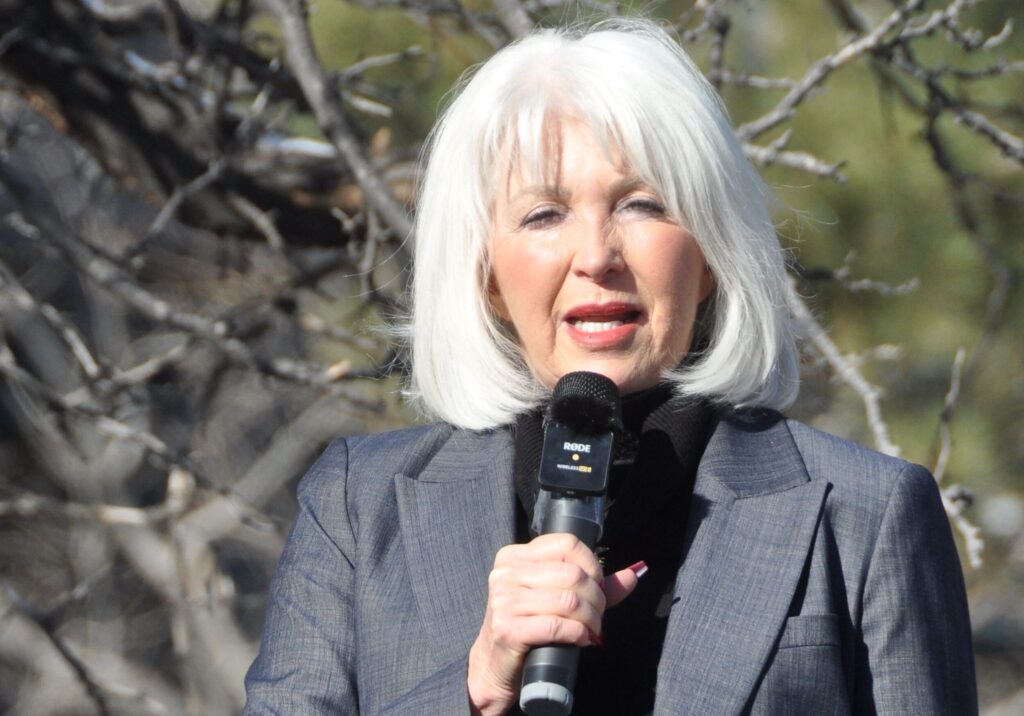
10th Circuit dismisses Tina Peters’ challenge to confinement as moot
Michael Karlik
michael.karlik@coloradopolitics.com
Updated 2 days ago
The Denver-based federal appeals court granted the state’s unopposed request on Wednesday to dismiss former Mesa County clerk Tina Peters’ challenge to her confinement as moot. Although Peters received a commutation of her prison sentence last month from Gov. Jared...
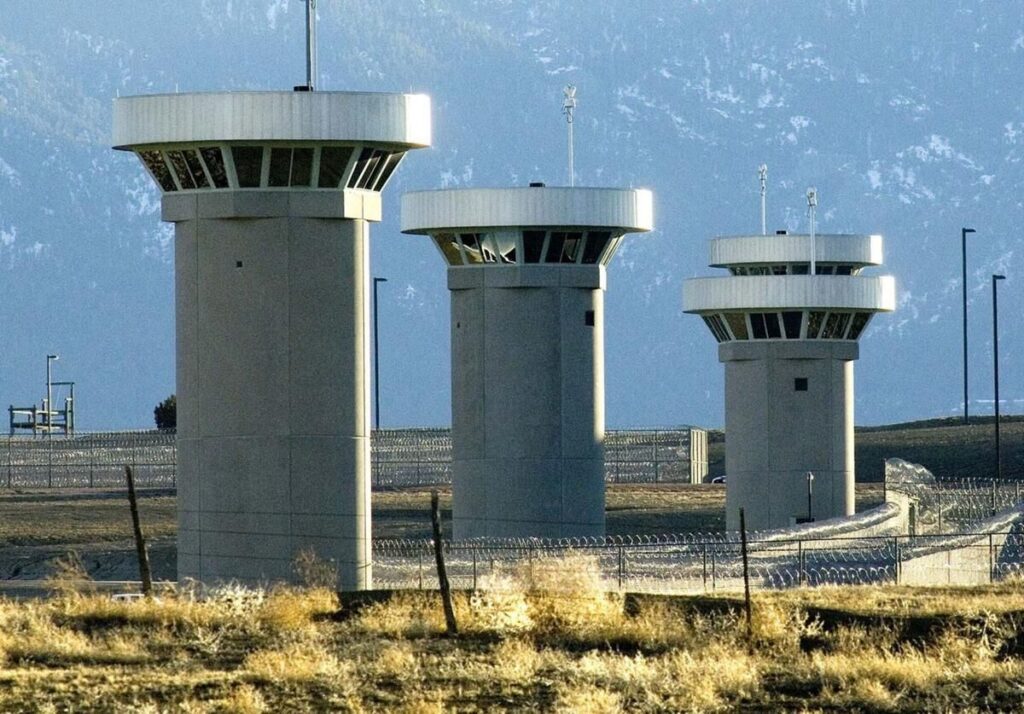
Federal judge declines to recuse from death penalty case after Supermax visit
Michael Karlik
michael.karlik@coloradopolitics.com
Updated 2 days ago
A federal judge declined to recuse herself last month from a death penalty case arising out of Colorado’s “Supermax” prison, finding that her tour of the facility earlier this year did not bias her decision-making. U.S. District Court Judge Charlotte...
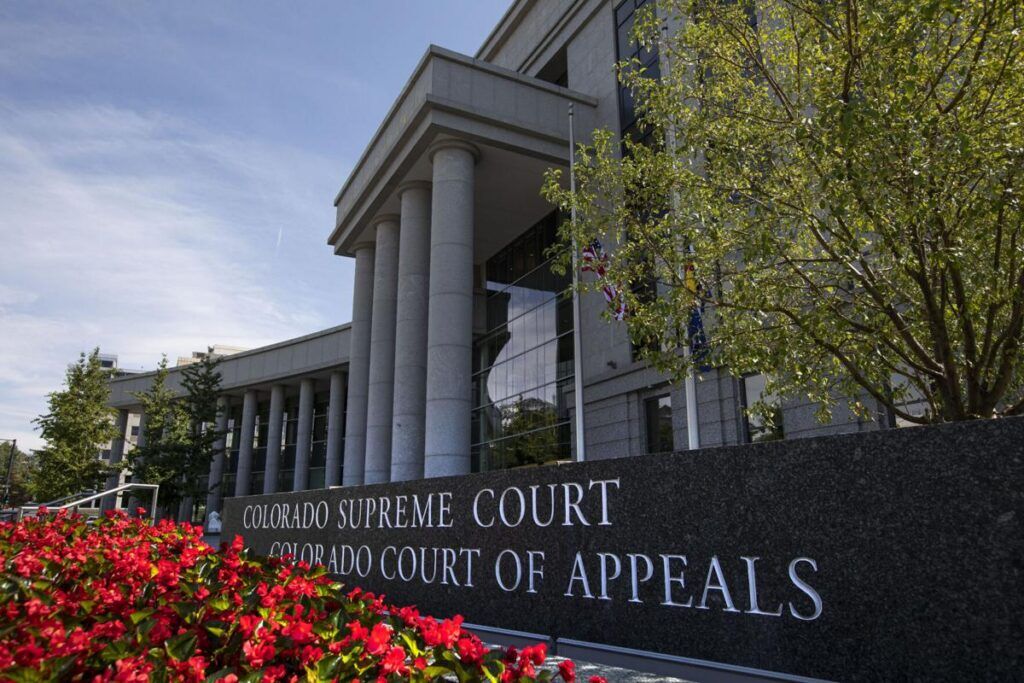
Appeals court clarifies offense of impersonating a peace officer
Michael Karlik
michael.karlik@coloradopolitics.com
Updated 3 days ago
Colorado’s second-highest court clarified this month that a person commits the offense of impersonating a peace officer if they engage in “any conduct” while pretending to be law enforcement. In a case out of El Paso County, Richard James Coulier...
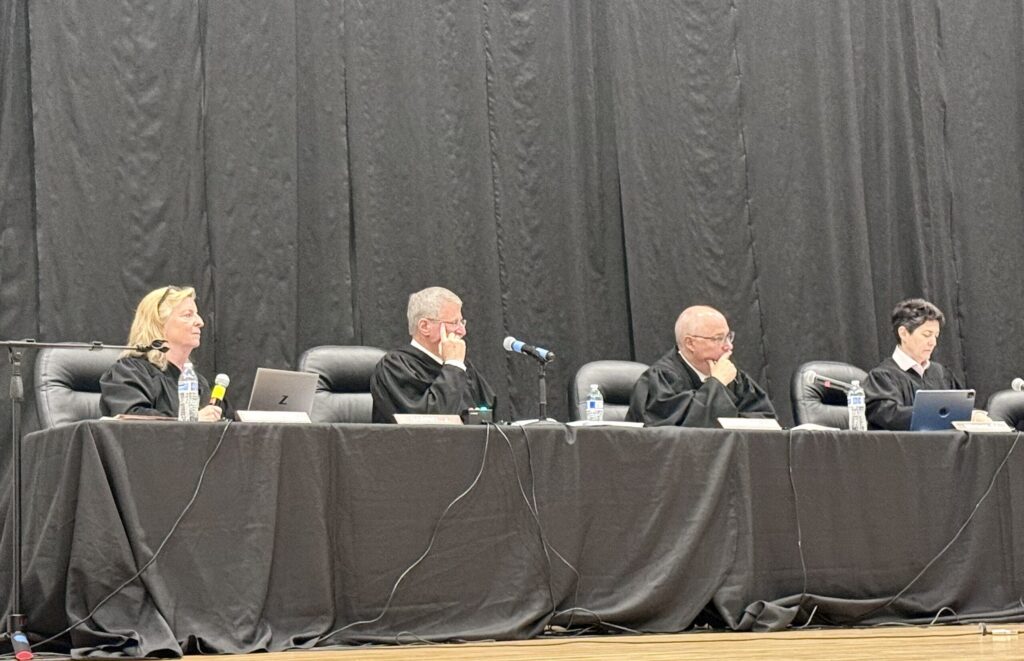
Colorado Supreme Court reverses 2 Chaffee County judges for imposing fee on habeas petitioner
Michael Karlik
michael.karlik@coloradopolitics.com
Updated 4 days ago
The Colorado Supreme Court rejected two separate appeals earlier this month from an incarcerated defendant seeking immediate release from prison, but concluded that two Chaffee County judges incorrectly required him to prepay filing fees for his cases. David J. Gottorff...
Weld County judge wrongly denied bail to murder defendant in gap between law change
Michael Karlik
michael.karlik@coloradopolitics.com
Updated 4 days ago
Colorado’s second-highest court ruled this month that a Weld County judge was wrong to deny bail to a murder defendant in the window between the state Supreme Court’s recognition of the right to bail and the voters’ subsequent overruling of...
Defendants acquitted by insanity are eligible for records-sealing, appeals court says
Michael Karlik
michael.karlik@coloradopolitics.com
Updated 3 days ago
Colorado’s second-highest court clarified last month that defendants who are found not guilty by reason of insanity are eligible to have their criminal records sealed from public view. Judges must seal criminal records if, among other things, a defendant is...
PREV
PREVIOUS

Supreme Court justices to hear arguments on ending legal protections for Haitian, Syrian migrants
The Supreme Court will weigh arguments Wednesday over the Trump administration’s push to end legal protections for Haitians and Syrians as migrants fleeing war and natural disaster. Haitians and Syrians were among those from 17 countries with Temporary Protected Status, which allows migrants already in the U.S. to stay with work permits in 18-month increments, so long as the […]

Colorado bill allowing THC beverages to be sold at grocery stores, restaurants pulled by sponsor
A Denver Democrat decided on Tuesday to pull a proposal that would have allowed beverages with tetrahydrocannabinol or THC to be sold at locations like grocery stores, restaurants, and entertainment venues. THC is the psychoactive substance in cannabis, the chemical that gives people a high. Senate Bill 164 would have established a regulatory framework for […]