

Judicial branch ends 2023 with a bang | YEAR IN REVIEW
Several key developments occurred in the third branch of government this year, ranging from cases of international significance and appeals that reached the nation’s highest court to new initiatives being taken out for a spin.
Here is a look at the year’s top issues, decisions and events.
Trump off the ballot
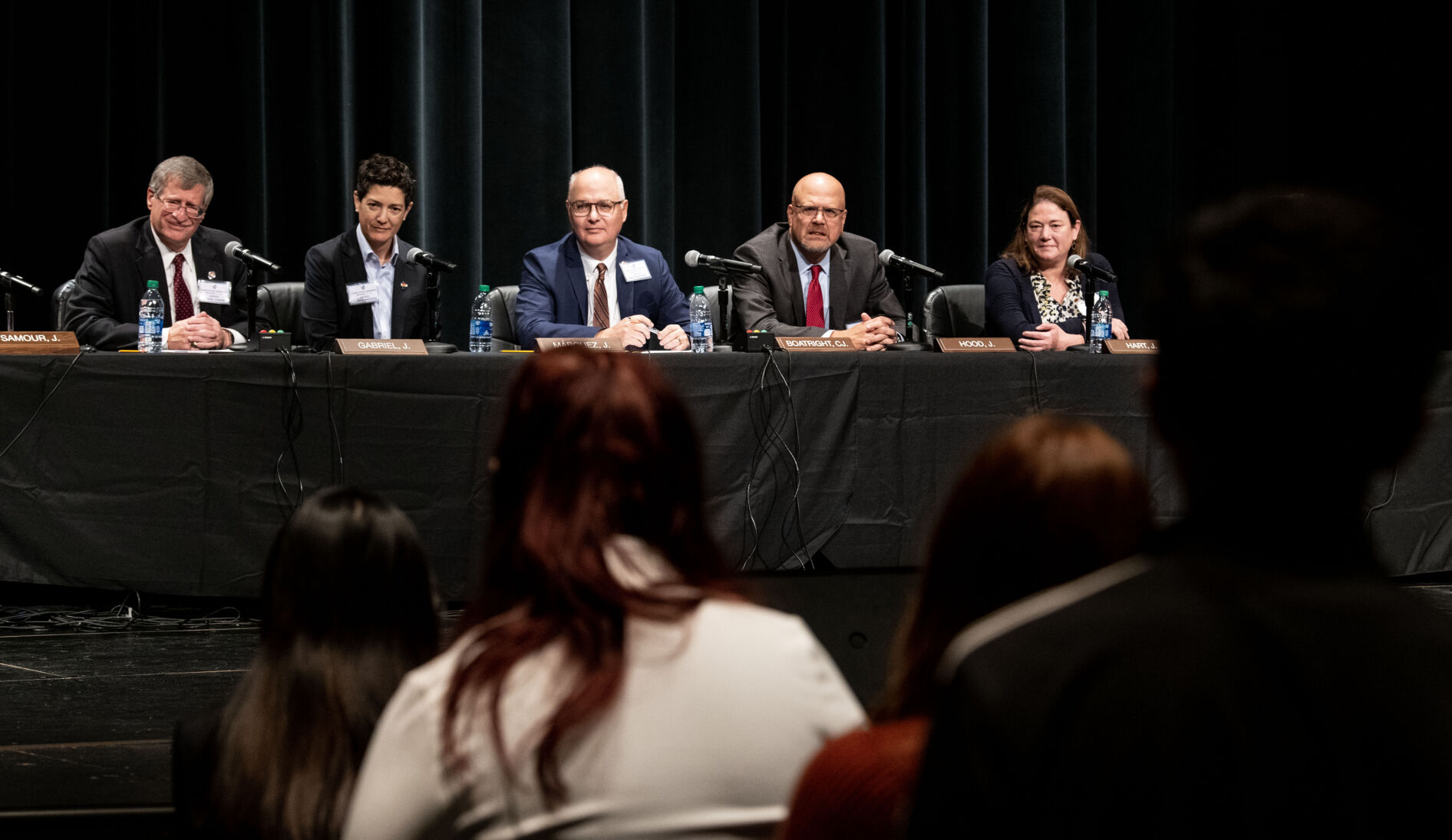
The Colorado Supreme Court generated a political and legal earthquake in December when it decided, 4-3, that Donald Trump is constitutionally disqualified from the 2024 presidential primary ballot because he engaged in insurrection.
“It seems to me a very strong opinion,” said Andrea Katz, an associate law professor at Washington University. She called the decision one of the most consequential by any state supreme court in recent history, and, “I don’t think that’s going out on a limb.”
The U.S. Supreme Court will now likely render its own decision on Trump’s eligibility.
Trials in the death of Elijah McClain
In 2019, Elijah McClain died several days after first responders in Aurora restrained him and injected him with ketamine, based on little more than the 23-year-old’s allegedly suspicious behavior. A series of trials prosecuted by the Colorado Attorney General’s Office has resulted in convictions of one officer and two paramedics, plus multiple acquittals.
McClain’s killing was one of the catalysts for sweeping police accountability legislation Colorado lawmakers enacted in 2020.
Judicial disclosures lacking
An investigation revealed that dozens of state judges, including some on Colorado’s second-highest court, had failed to file financial disclosure paperwork in accordance with state law. The judges, who routinely resolve cases based on whether litigants follow procedure, said they “neglected to file” or “relied on administrative staff.”
Sex abuse survivors disappointed
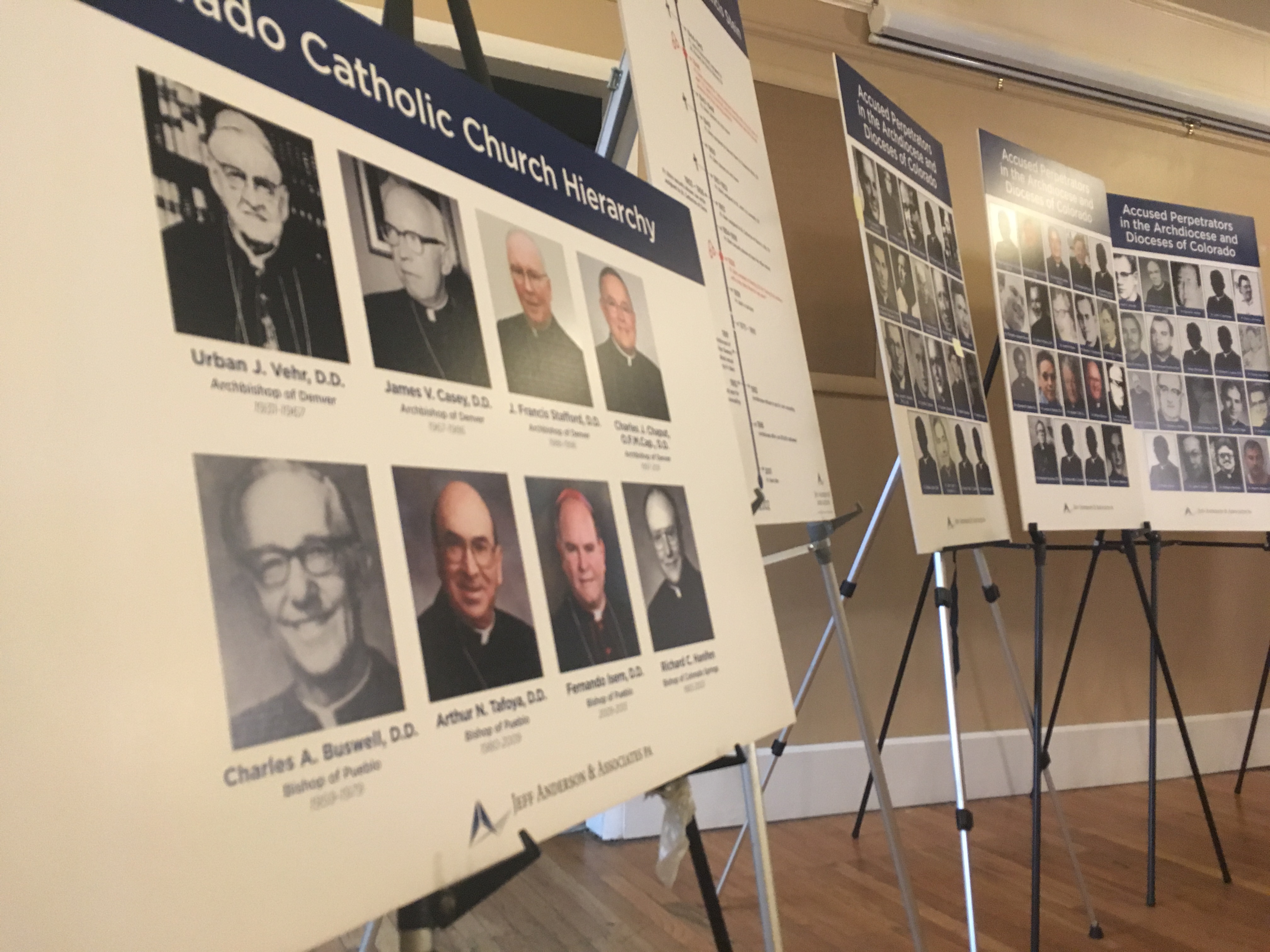
The Colorado Supreme Court dealt a blow to childhood survivors of sex abuse by ruling a state law aimed at compensating victims was unconstitutional. Lawmakers attempted to follow the lead of other states in creating a “lookback window” for child sex abuse victims to file suit today against their abusers or the institutions that harbored them decades in the past. The Supreme Court found such a move violated the state constitution.
Challenges to new laws
Although Colorado’s legislature boasts large Democratic majorities and the electorate is amenable to passing progressive policies at the ballot box, some recent changes in state law ran into trouble in federal court. Judges blocked a ban on “abortion reversal” treatment, a rise in the firearms purchasing age to 21, and prevented enforcement of a non-discrimination policy against a Christian preschool participating in the state’s universal pre-K program. On the other hand, a judge did permit a three-day waiting period for gun purchases to take effect.
Colorado at SCOTUS
The U.S. Supreme Court handed down two decisions this spring that originated in Colorado. 303 Creative v. Elenis held that a Christian graphic designer may decline to create wedding websites featuring same-sex couples as a matter of her free speech. The conservative-majority court’s opinion channeled the dissent of Colorado’s Timothy M. Tymkovich, a federal appeals judge who previously sided with the plaintiff. The Supreme Court also decided Counterman v. Colorado, a criminal case that found part of the state’s harassment law to be unconstitutional.

Major decisions
Several major decisions came out of the Colorado Supreme Court. The justices shot down an attempt to relitigate commercial property tax bills from 2020 based on COVID-19 health orders. They became the first Supreme Court to decide a 30-day federal notice window for evictions is still in effect. They prevented a potentially major upset to the understanding of who owns riverbeds throughout the state. And they concluded defendants accused of first-degree murder are now bail-eligible.
Ex-chief justice censured
For the first time, a member of the Colorado Supreme Court received a public censure for his conduct. Nathan B. Coats, who served as chief justice between 2018-2020, mishandled the award of a contract to a judicial branch employee who was facing termination for her own misconduct. The revelations came to light after reporting by The Denver Post and The Gazette prompted the judicial branch to investigate the contracting scandal.
A program for pro se litigants
In September, Colorado’s U.S. District Court launched a pilot program intended to assist self-represented litigants behind bars. The pilot, limited to Fremont Correctional Facility, connects “pro se” prisoners pursuing civil lawsuits with lawyers for a 20-minute phone call to discuss legal issues. The effort is aimed at improving the judiciary’s handling of pro se litigation, allowing prisoners to receive answers to their questions and potentially introducing volunteer attorneys to new clients.

New federal judges
Turnover on Colorado’s federal trial court continued this year, with the appointment of U.S. District Court Judge Gordon P. Gallagher and his assignment to the courthouse in Grand Junction, the first time ever that a district judge has sat outside of Denver. The court also gained two new magistrate judges, Susan Prose and Kathryn A. Starnella.
Stability on the high court
Colorado’s Supreme Court reached an unusual milestone this year – going 2.5 years without adding a new member. While 30 months is not particularly long, the lack of turnover is actually a departure from the past decade, with all seven seats changing hands since 2010. The current justices are in their 50s and early 60s, so barring something unexpected, the composition of the court will remain stable for some time.
Play ball
For the first time, the Colorado Rockies hosted a naturalization ceremony for new citizens at their ballpark in downtown Denver. Although the team previously worried such an event would be too “political,” the brief ceremony went smoothly and was a home run for the judge who swore in the new Americans.


10th Circuit grants immunity to officers for fatal Manitou Springs shooting
Michael Karlik
michael.karlik@coloradopolitics.com
Updated 43 minutes ago
The Denver-based federal appeals court ruled on Wednesday that responding officers from Manitou Springs and El Paso County cannot be held constitutionally liable for shooting and killing a man after a 20-minute standoff. Wilford Deweese allegedly pulled out a gun...

10th Circuit rejects invitation for full-court review of tax-avoidance case
Michael Karlik
michael.karlik@coloradopolitics.com
Updated 1 hour ago
The Denver-based federal appeals court declined to reconsider the standards for holding entities liable for their tax-avoidance schemes, with a majority of judges voting against full-court review on Monday. In April, a three-judge panel of the U.S. Court of Appeals...
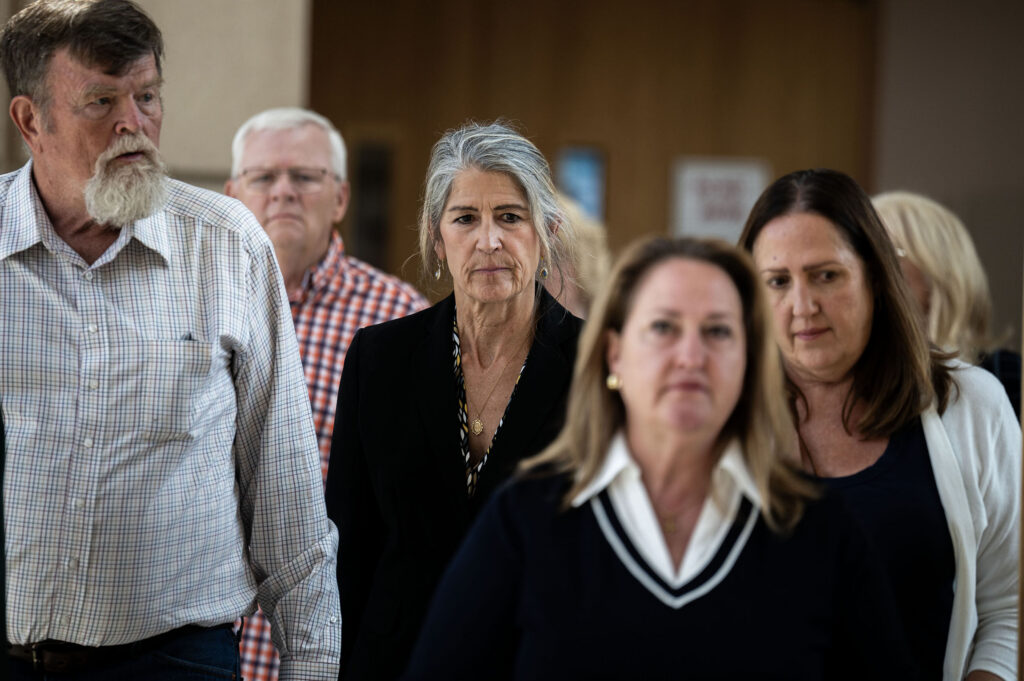
Colorado judge blasts state forensics lab in dismissing child sex case
Jenny Deam
jenny.deam@gazette.com
Updated 4 hours ago
In a potentially widely consequential action, a Weld County district judge dismissed a child sexual assault case, citing the ongoing scandal at the Colorado Bureau of Investigation’s forensic lab that “has left a dark mark on the history of Colorado...
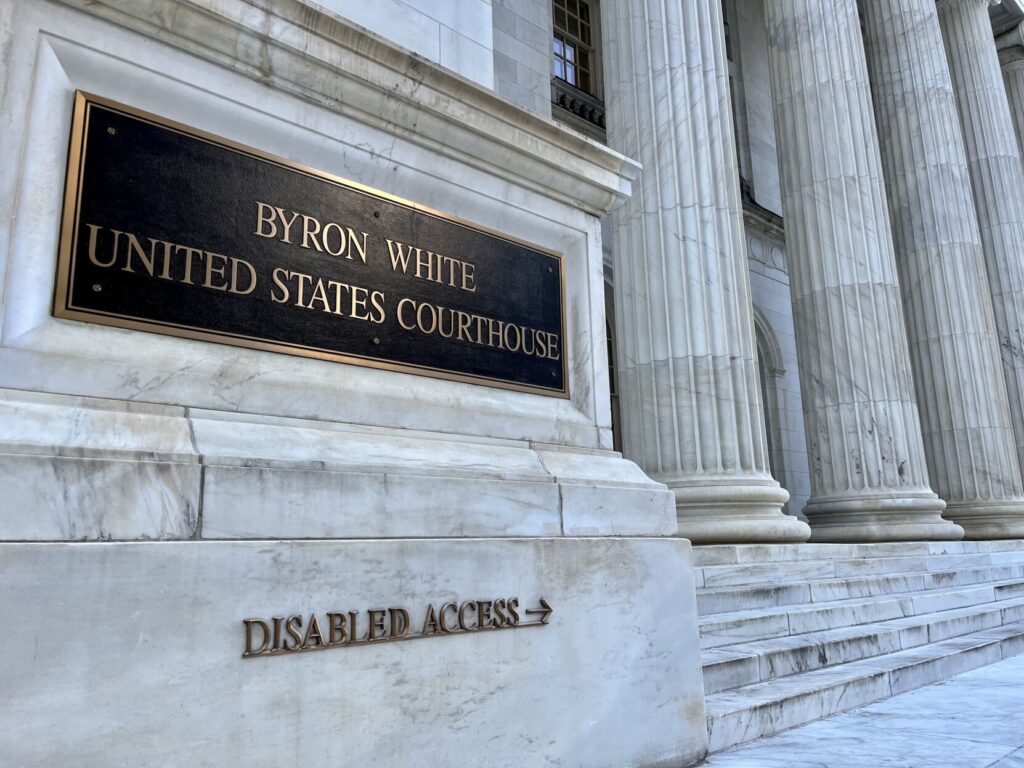
10th Circuit sympathetic to Colorado consumer protection law governing interest rates
Michael Karlik
michael.karlik@coloradopolitics.com
Updated 1 day ago
Members of the Denver-based federal appeals court appeared sympathetic on Tuesday to Colorado’s assertion that it can lawfully require certain out-of-state banks to abide by the state’s own ceilings on interest rates when they lend to consumers in Colorado. The...
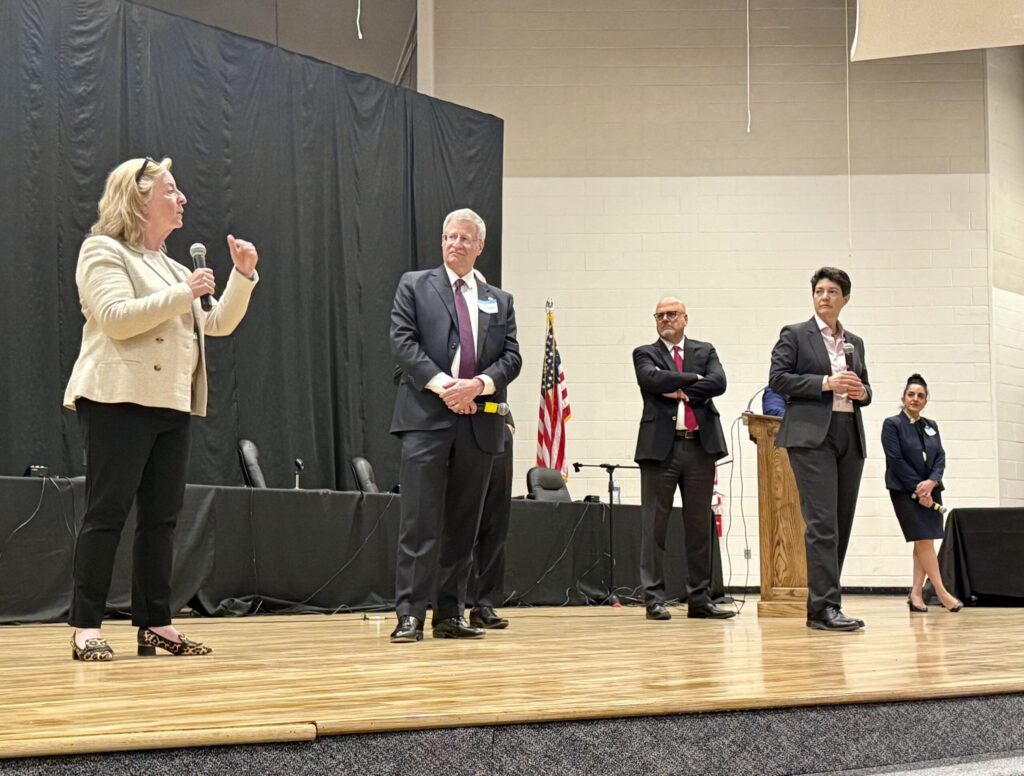
Colorado justices to decide insurance companies’ obligation to disclose relevant policies
Michael Karlik
michael.karlik@coloradopolitics.com
Updated 4 hours ago
The Colorado Supreme Court announced on Monday that it will decide whether an insurance company violated state law by withholding an at-fault driver’s policy for nearly a year when there was no dispute that the policy was not in effect...

Judicial performance evaluations released, Montezuma County judge disciplined | COURT CRAWL
Michael Karlik
michael.karlik@coloradopolitics.com
Updated 2 days ago
Welcome to Court Crawl, Colorado Politics’ roundup of news from the third branch of government. Colorado’s citizen-led judicial performance commissions released their voter narratives for the judges standing for retention in November, plus a disciplinary panel imposed consequences on a...

DA justifies CSPD officers in fatally shooting man at McDonald’s
Cleo Westin
cleo-westin@coloradopolitics.com
Updated 1 day ago
The deadly shooting of a man by Colorado Springs police officers at a McDonald’s was ruled justified by the 4th Judicial District Attorney’s Office on Monday, the office announced in a news release. The ruling determined officers Daniel White, Mitchell...
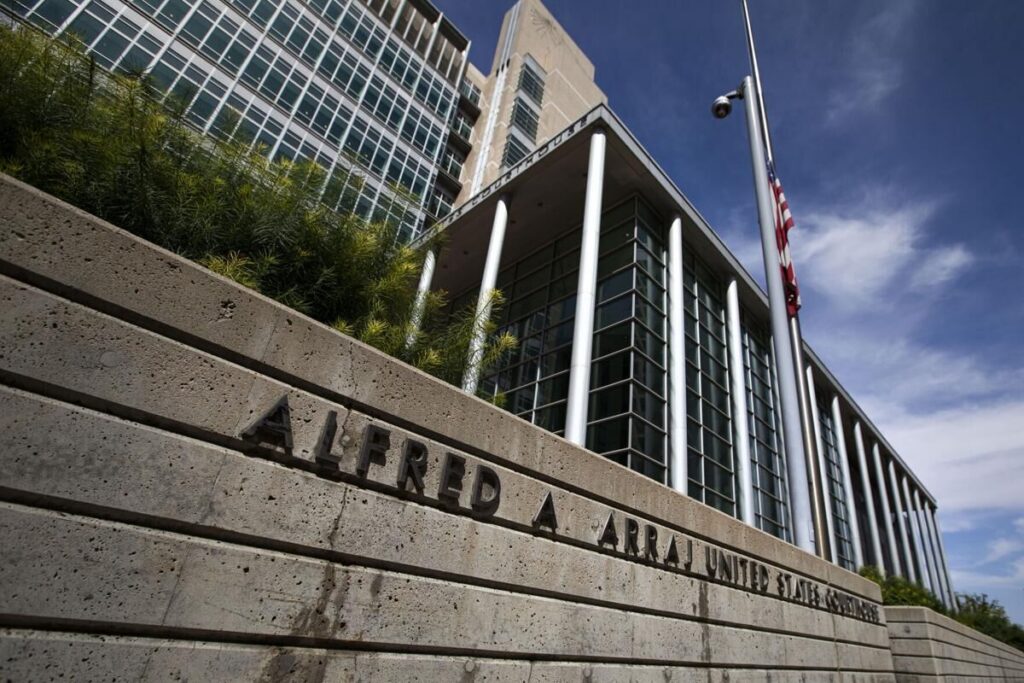
Federal judge holds off on dismissing formerly bankrupt medical contractor from Jeffco jail death lawsuit
Michael Karlik
michael.karlik@coloradopolitics.com
Updated 1 day ago
A federal judge declined on Monday to dismiss the formerly bankrupt medical contractor from a lawsuit over a detainee’s death in Jefferson County jail, but indicated she would do so if the plaintiffs’ attorneys go through the process to ensure...
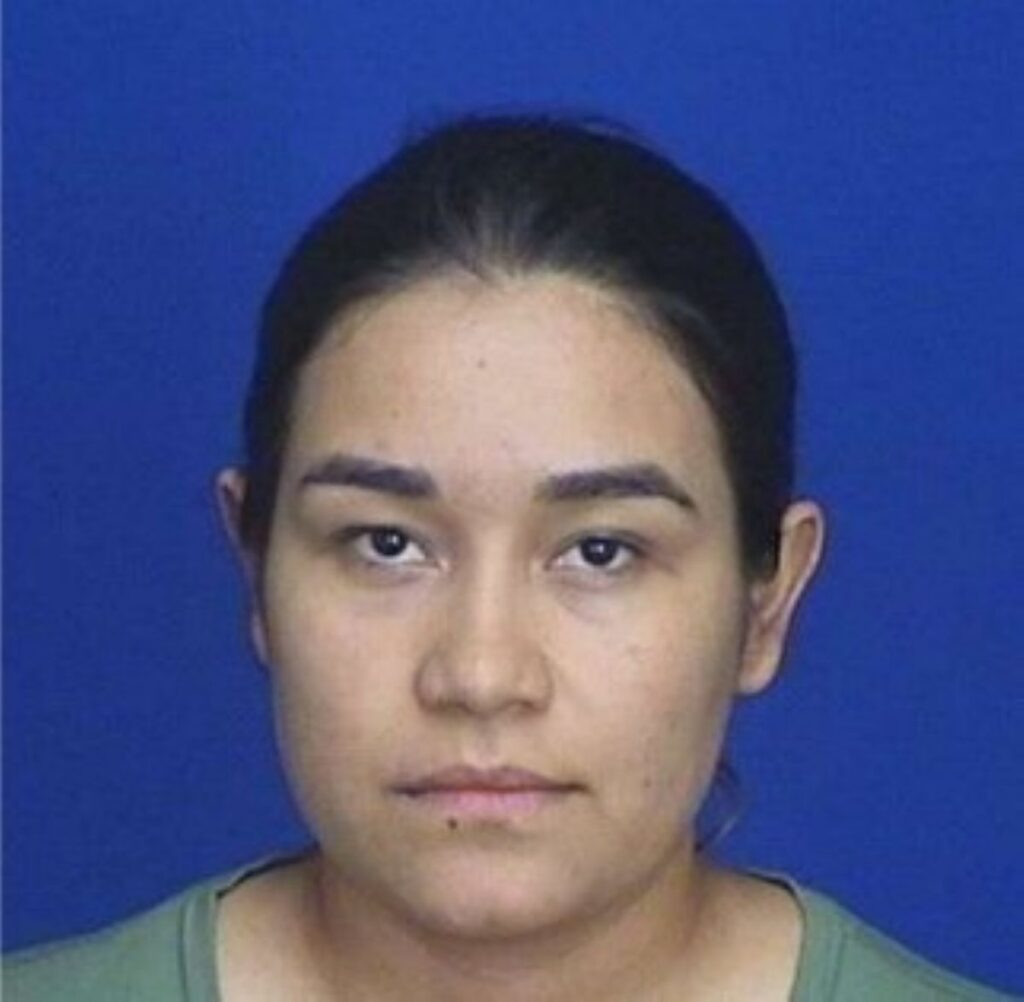
Castle Rock caregiver sentenced after stealing more than $110,000 in jewelry from family
Nicholas Fogleman
nicholas.fogleman@denvergazette.com
Updated 1 day ago
A judge sentenced a Castle Rock caregiver to 90 days in jail after she pleaded guilty to stealing more than $110,000 worth of jewelry from the family of a disabled son under her care. Elsa Montejo-Fuentes, 32, had worked for...
Federal judge green-lights excessive force, retaliation claims for trial against Fort Collins officers
Michael Karlik
michael.karlik@coloradopolitics.com
Updated 4 days ago
A federal judge green-lit a jury trial last week against multiple Fort Collins police officers on claims that they used excessive force on one man who was standing unarmed in his underwear, and retaliated against another man for exercising his...
PREV
PREVIOUS
Federal judge dismisses challenge to 'frustrating' delays in sex offender treatment behind bars
A federal judge recently dismissed an incarcerated man’s challenge to his lack of sex offender treatment in the Colorado Department of Corrections, despite having no idea when he will have access to that mandatory component of his criminal sentence. U.S. District Court Senior Judge William J. Martínez determined David A. Wismer III did not sufficiently allege […]

Conservation groups sue over lack of plan for railroad to reduce grizzly deaths | OUT WEST ROUNDUP
MONTANA Groups sue railroad over plan to reduce grizzly deaths HELENA – Two wildlife conservation groups have filed a lawsuit against BNSF Railway over delays in finalizing a plan to reduce the number of federally protected grizzly bears that are killed by trains in northwestern Montana and northern Idaho. WildEarth Guardians and the Western Environmental […]