

Justices agree with AG, defense: Courts may return property after charges dropped

With prosecutors and the defense in rare agreement, the Colorado Supreme Court honored their request and determined on Monday that trial court judges have the authority to return someone’s illegally-seized property after charges against them are dropped.
Although the rules of criminal procedure allow someone to seek the return of property that police confiscate without a warrant or probable cause, that has to happen prior to or during a trial. It was unclear what happens if prosecutors drop the charges and there is no trial.
Both the Colorado Attorney General’s Office and a lawyer for Mark A. Strepka believed lower court judges have at least 49 days – the time window for filing an appeal – to consider returning property to the defendant.
“With respect to that issue, we conclude that the People and Strepka both got it right,” wrote Justice Maria E. Berkenkotter in the Court’s June 21 opinion.
Police arrested Strepka during a traffic stop after finding narcotics, firearms, a firearm case and ammunition inside his vehicle. Prosecutors charged him with drug possession and possession of a weapon by a prior offender. However, a Denver judge determined officers lacked reasonable suspicion to investigate beyond the initial traffic stop, and prosecutors dropped the charges.
Twenty-one days later, Strepka asked the court to return his guns, ammunition and case. The judge agreed to the return of everything but the firearms, and Strepka appealed her decision. A three-judge panel for the Colorado Court of Appeals ruled instead that the district court judge lost jurisdiction to handle Strepka’s request at the time the prosecution dismissed charges.
The Supreme Court’s decision reversed the appellate panel. At oral argument in May, Strepka’s attorney indicated his client would be satisfied with such an outcome, but encouraged the justices to be mindful of circumstances in which the 49-day appeal window may not be enough time to file a motion to return seized property.
“It is certainly possible that somebody might not even know the government had taken their property until a couple months out from when the case has been dismissed,” said Deputy State Public Defender Mark Evans. “And that person should not have to file a separate civil lawsuit when there’s a rule expressly allowing them to [file a motion] and to get their property back.”
The case is Strepka v. People.


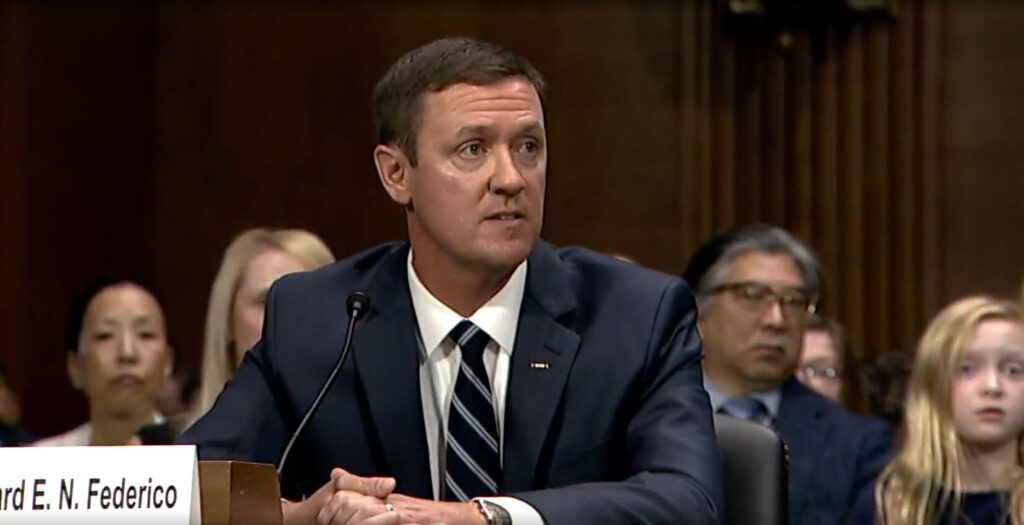
10th Circuit finds no fair housing violation by Littleton landlord for worker’s alleged rape of tenant
Michael Karlik
michael.karlik@coloradopolitics.com
Updated 14 hours ago
The Denver-based federal appeals court concluded on Monday that Littleton’s housing authority could not be held liable for a maintenance worker’s alleged rape of a tenant, as the worker’s employment did not provide any special access to the victim. A...
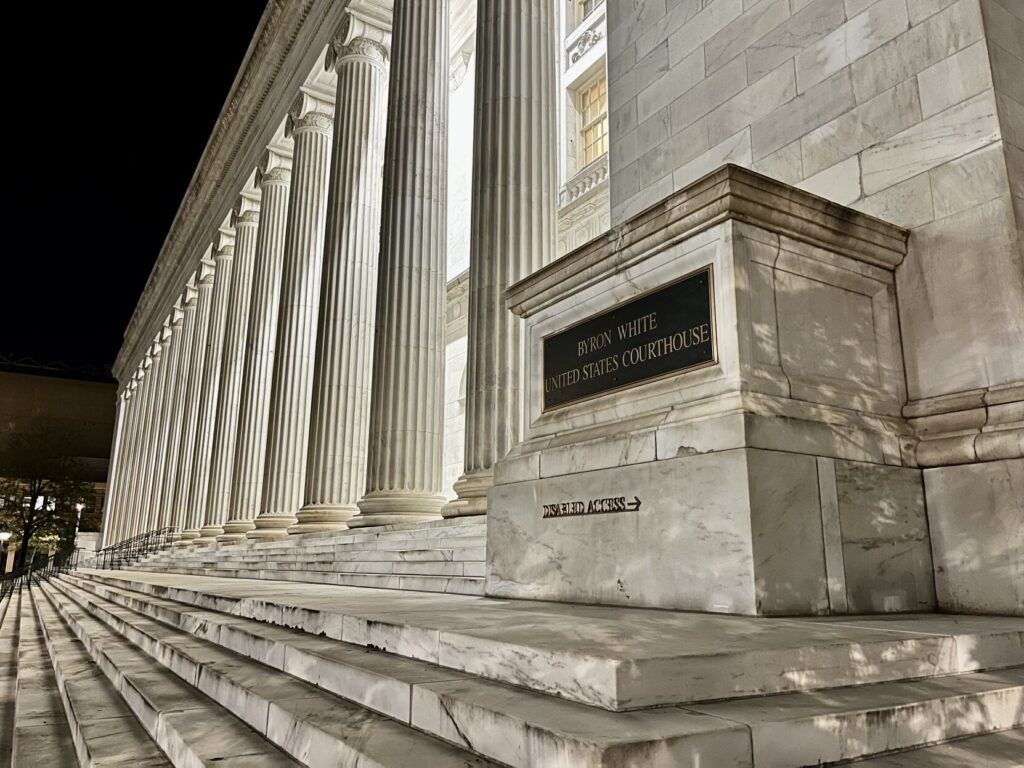
Denver detox center did not violate man’s rights with 10-hour hold, 10th Circuit says
Michael Karlik
michael.karlik@coloradopolitics.com
Updated 1 day ago
The Colorado-based federal appeals court concluded on Tuesday that Denver’s detoxification facility did not violate a man’s rights by holding him against his will for 10 hours until his blood alcohol content was projected to reach zero. Unusually, Brian Garrett’s...

Federal judge clarifies ex-GOP treasurer candidate’s burden to prove defamation claims
Michael Karlik
michael.karlik@coloradopolitics.com
Updated 1 day ago
A federal judge clarified last week that businessman and former Republican statewide candidate Brian Watson will need to surmount a higher hurdle in proving his claim that a party guest’s alleged description of him as a “criminal” amounted to defamation....
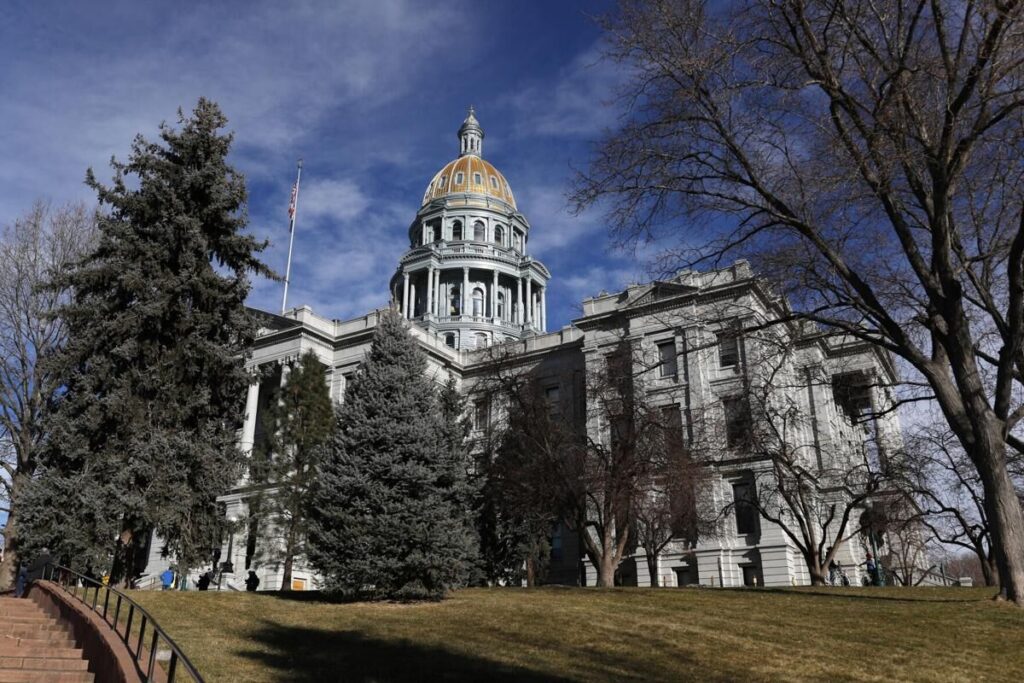
Colorado board permits state to appeal injunction against arthritis drug price cap
Marissa Ventrelli
marissa.ventrelli@coloradopolitics.com
Updated 2 days ago
A Colorado board voted Friday to allow the Attorney General’s Office to fight an injunction against a price cap on a drug that treats arthritis. A U.S. district court judge had granted the company Amgen a preliminary injunction, temporarily blocking...

Federal judge rejects constitutional claims, ‘expressions of hatred’ by Club Q defendant
Michael Karlik
michael.karlik@coloradopolitics.com
Updated 2 days ago
A federal judge rejected a defendant’s claims that he received constitutionally ineffective assistance of counsel while facing federal hate crime and firearms charges for murdering five people at a Colorado Springs LGBTQ nightclub in 2022. Anderson Lee Aldrich is serving...

Divided 10th Circuit upholds Colorado congestion fee on car rentals
Michael Karlik
michael.karlik@coloradopolitics.com
Updated 2 days ago
The Denver-based federal appeals court concluded on Monday that a 2024 “congestion impact fee” that lawmakers imposed on short-term vehicle rentals did not conflict with a federal prohibition on certain airport-related charges. Beginning in the 1970s, Congress began limiting the...
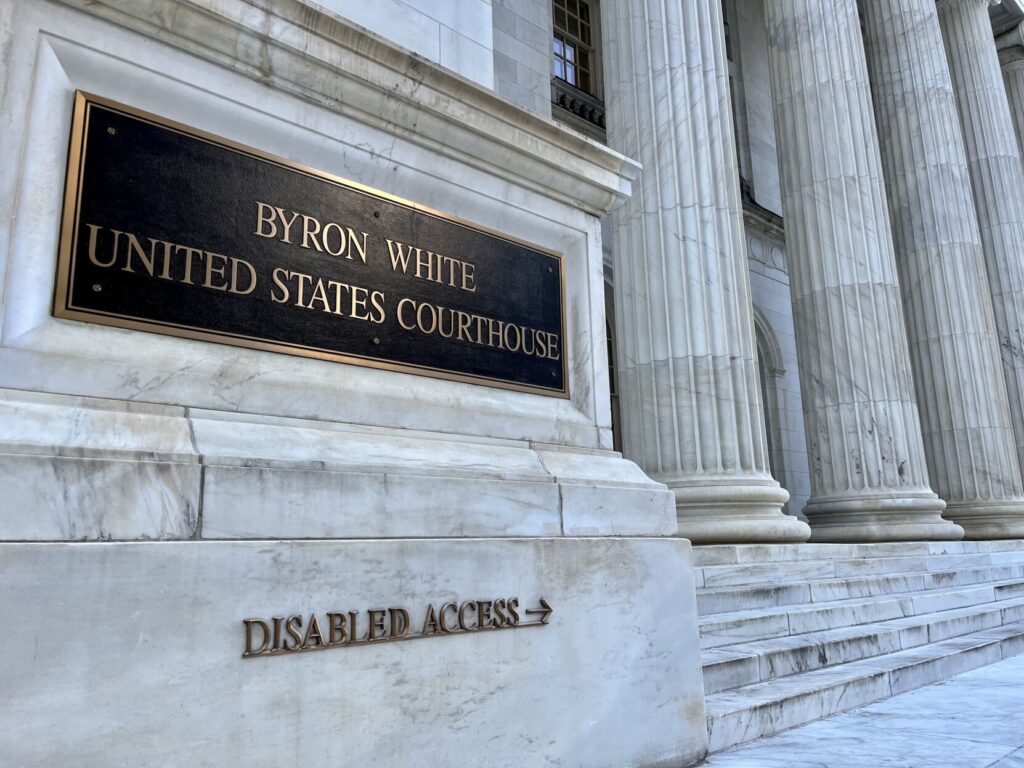
10th Circuit dismisses woman’s lawsuit following 10-year attempt to undo restraining order
Michael Karlik
michael.karlik@coloradopolitics.com
Updated 5 days ago
The Denver-based federal appeals court rejected a woman’s challenge on Friday to a restraining order imposed on her more than a decade ago, finding that she cannot credibly claim she will be prosecuted for violating the restraining order through her...
10th Circuit dismisses woman’s lawsuit following 10-year attempt to undo restraining order
Michael Karlik
michael.karlik@coloradopolitics.com
Updated 6 days ago
The Denver-based federal appeals court rejected a woman’s challenge on Friday to a restraining order imposed on her more than a decade ago, finding that she cannot credibly claim she will be prosecuted for violating the restraining order through her...
Colorado equal pay law does not require plaintiffs to allege gender-based retaliation, appeals court finds
Michael Karlik
michael.karlik@coloradopolitics.com
Updated 5 days ago
The 2019 Colorado law aimed at rooting out pay discrimination on the basis of sex does not require a plaintiff to allege their employer retaliated against them for sex- or gender-related reasons, the state’s second-highest court decided on Thursday. Lawmakers...
Hudson faces lawsuit over ICE detention facility
Nicole C. Brambila
nicole-c-brambila@coloradopolitics.com
Updated 6 days ago
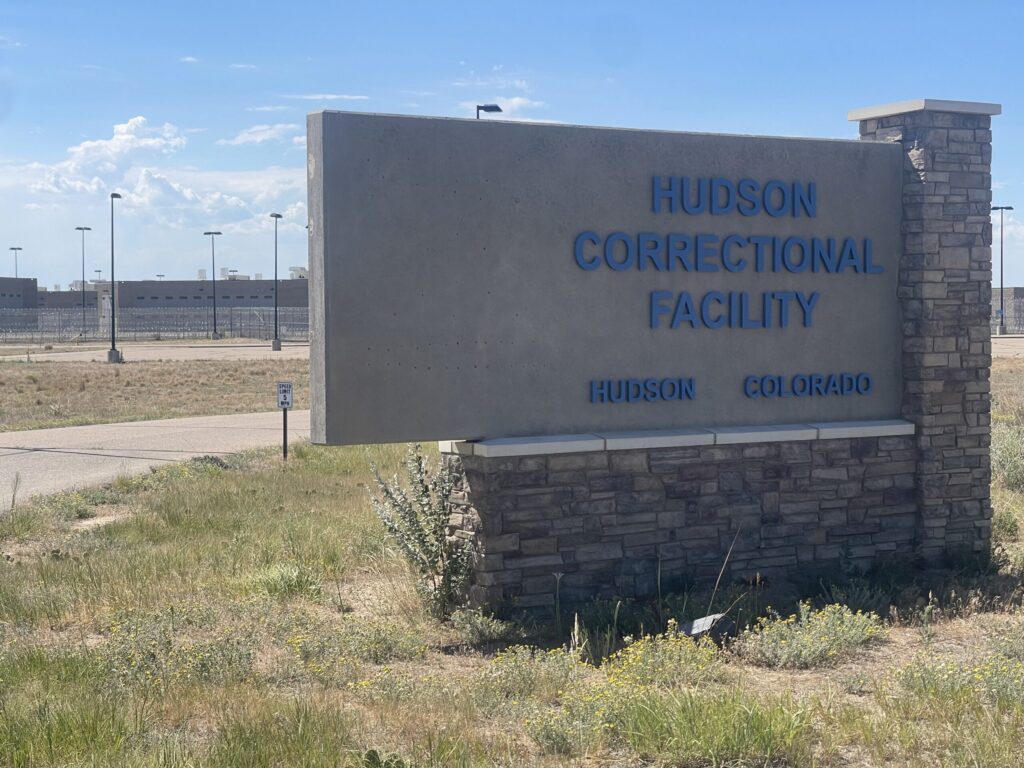
A nonprofit organization filed a lawsuit against the Town of Hudson Wednesday, challenging plans to reopen a former federal prison in the town as a U.S. Immigration and Customs Enforcement detention facility. Together Colorado, along with Janet E. Carlson, filed...
PREV
PREVIOUS

Q&A with Dominique Mendiola | MED's new senior director brings a focus on social equity
There’s a new cannabis sheriff in town, but this one doesn’t have a badge. The Marijuana Enforcement Division last month tapped Dominique Mendiola as its next senior director, the first Mexican-American woman to hold the position since state law began allowing recreational marijuana sales in 2014. Mendiola is also the first senior director without a law […]

Gov. Jared Polis signs parks bills into law
Mother Nature had an odd way of showing her appreciation for a multimillion-dollar investment in Colorado’s 42 state parks Monday. She handed out a chilly, foggy day at Panorama Point in Golden Gate Canyon State Park, the site for the signing of two bills intended to boost Coloradans’ access to its 3 million acres of […]