

On first day of service reductions, RTD experiences dispatching delays as union receives criticism
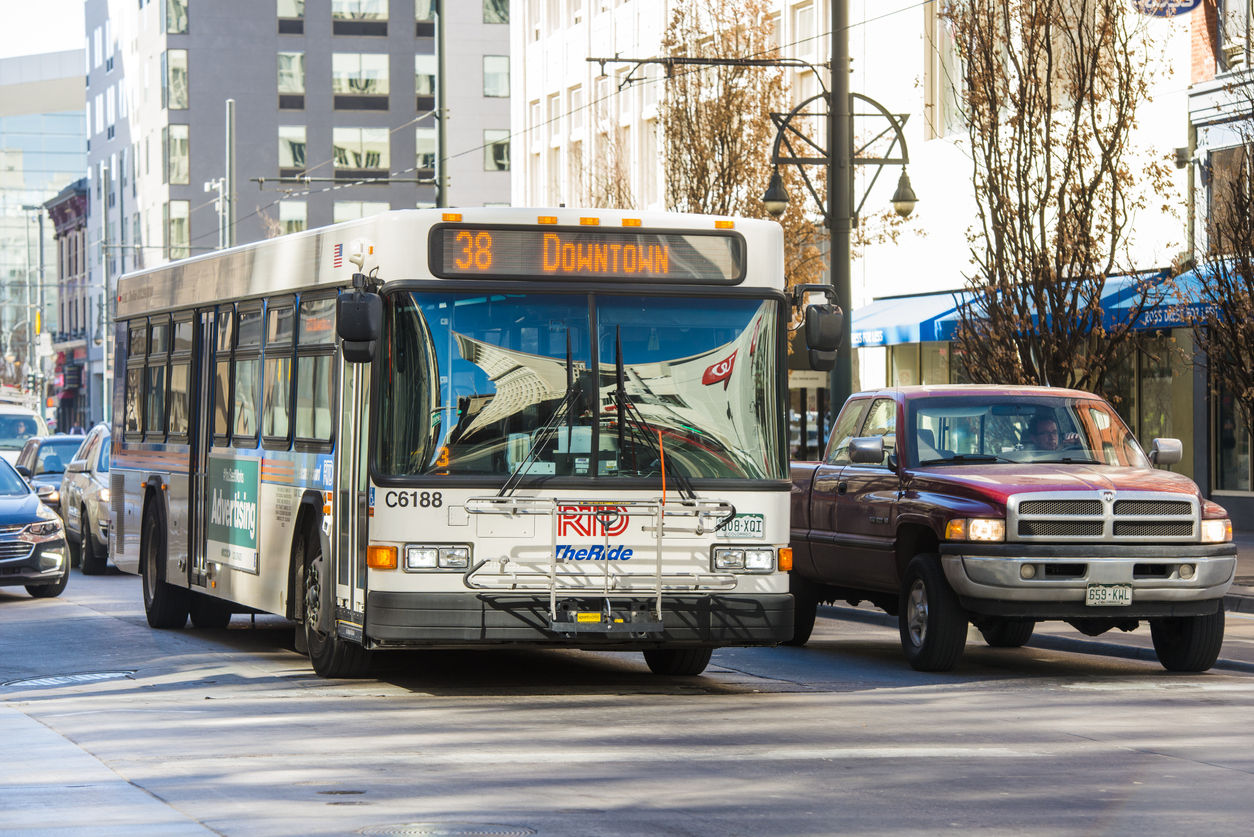
Shortly after noon on Sunday, a message went out to Regional Transportation District operators notifying them of a 40-minute delay in reaching dispatchers on the first day of COVID-19-induced service levels.
“They really did botch it,” said Lance Longenbohn, president of the Amalgamated Transit Union Local 1001, which represents approximately 2,300 transit workers in the Denver metro area.
The service message advertised that “we are up to a 40-minute delay to answer your calls.” Longenbohn said that RTD had planned to revert to an old practice of pulling drivers to assist with dispatch calls, which had ended once the agency experienced a shortage of bus and light rail operators.
“They apparently did not plan ahead and have that person ready to step in and fill in,” said Longenbohn. “They didn’t plan for the fact that when people hit a certain number of people on their bus, they need to call dispatch.”
In response to the COVID-19 pandemic, RTD has implemented a series of measures to keep drivers and passengers safe. These include rear-door boarding and fare suspension, such that passengers no longer need to walk past drivers to board. More recently, the agency limited capacity to 15 passengers per bus and 20 per larger, articulated bus in order for passengers to keep their distance. Drivers are to switch their destination signs to read “Bus Full” and report to dispatch that they are at capacity.
“Last week when I had a capacity issue, I contacted dispatch as a regular request to talk. I would say it probably took them five minutes to get back to me,” said Christopher Moralez, a bus driver who has worked for RTD for 16 years. “On any given bus, five minutes is a lifetime … . You can travel quite a ways in five minutes.”
He explained that when a driver has to talk to dispatch, there is a button that notifies a dispatcher but does not assign the communication any urgency. “Priority” calls jump the queue and are supposed to be answered quicker. Finally, there is a silent alarm that gives top priority to an emergency call.
Yvette Trujillo is the ATU’s international vice president who lives in Denver, and said that even five minutes could be too long, let alone for a hypothetical new employee who needs to contact dispatch and has to wait 40 minutes to get an answer.
“Their cell phone is supposed to be off,” she said. “So communicating with dispatch is your lifeline.”
Moralez added that if he were 40 minutes late on a route, “they’re gonna want to know what’s going on on that bus.”
Christine Jaquez, a spokesperson for RTD, did not dispute Longenbohn’s characterization of dispatch staffing, but responded that there were no impacts to driver or passenger safety from the long wait times. Furthermore, drivers with emergencies were still able to use that protocol.
“The increased radio traffic was simply working through having all the increased resources in the field,” she said, referring to operators on standby who needed to use the radio in anticipation of running follow-on trips for buses at capacity. There were only 26 reports of buses hitting their cap on Sunday, when service was 40% of its normal level.
Trujillo and Moralez spoke through a virtual conference call on Sunday with a handful operators, advocates and one RTD board member, Director Shontel M. Lewis, District B. Among the topics was a critique of how slow they perceived Local 1001 was to push RTD to implement operator safety measures.
“This local has done nothing but been reactive,” Moralez said. “Their response has not put pressure on the company to do anything other than the status quo.”
Longenbohn was unsurprised by the criticism, noting that Moralez was his former opponent for the union presidency, and insisted the changes to procedure only came about after his intervention.
“I’m not going out and posting it on billboards and saying, ‘look at what I’m doing.’ I’m just doing it,” he said. He added that the local has gotten thousands of masks to operators in recent weeks. Moreover, rather than champion a petition Lewis created in the first week of April asking the governor to shut down RTD if the agency did not meet a list of safety demands, Longenbohn was instead focused on receiving a commitment from RTD that it would avoid laying off employees.
He also sent a letter to the acting head of the Federal Transit Administration asking that the federal government take responsibility for getting personal protective equipment to transit agencies nationwide, and also to mandate that passengers wear face masks in order to board.
“You can demand whatever you want, but it doesn’t mean that people are going to give it to you,” he cautioned.
The participants on the call floated ideas from a 10-person limit on bus ridership and time-and-a-half hazard pay for employees to a revisitation of the universal Saturday and Sunday service schedules in favor of something that is sensitive to the ridership demands of each route. Lewis said that she is the only director on the board who is pushing for a discussion about more comprehensive protocols.
“We’ve seen grocery stores be able to put tape down to ensure that folks are following certain paths. They have guards up for their cashiers,” she said. “When we talk about proactive thinking and we talk about being strategic, this is absolutely possible.”


Gazette family of papers rakes in 64 awards at 2025 Colorado Press Association Better News Contest
Elizabeth Pond
elizabeth.pond@denvergazette.com
Updated 13 hours ago
The Gazette family of newspapers won 64 awards in the Colorado Press Association’s annual Better News Contest — a whopping 36 more than the three papers collectively won last year. Colorado Politics raked in 27, The Colorado Springs Gazette took...

What courageous citizenship really looks like | Vince Bzdek
Vince Bzdek
vince.bzdek@gazette.com
Updated 2 days ago
By Vince Bzdek What exactly is courage? Ernest Hemingway famously called it grace under pressure. Mark Twain wrote that “courage is resistance to fear, mastery of fear — not absence of fear.” C.S. Lewis refined that even more: “Courage is...
The coming election and mischief in the making | SONDERMANN
Eric Sondermann
eric-sondermann@coloradopolitics.com
Updated 4 days ago
America’s tribalism is such these days that we struggle to even agree on the basic rules. Elections have always been hotly contested. As the saying goes, “Politics ain’t beanbag.” The process has long involved elements of nastiness and underhanded conduct....

Colorado Politics Calendar Aug. 31-Sept. 6
Rachael Wright, Special to Colorado Politics
rachael.wright@coloradopolitics.com
Updated 5 days ago
CoPo’s weekly political calendar will help you find political and public-policy events throughout Colorado. It includes candidate and issue campaign events, public policy meetings, court hearings, state and local party conventions, assemblies, debates, rallies, parades, speaking engagements, traveling dignitary appearances,...
Tancredo in Running for Dept. of Ed. Position | A LOOK BACK
Rachael Wright, Special to Colorado Politics
rachael.wright@coloradopolitics.com
Updated 5 days ago
Forty-five years ago this week: “I know that my name has been placed before the Secretary of Education, and I know that I’m one of three or four being considered for the Department of Education’s Region 8,” said state Rep....
Colorado measure adding ID checks to mail-in voting qualifies for ballot
Marissa Ventrelli
marissa.ventrelli@coloradopolitics.com
Updated 2 days ago
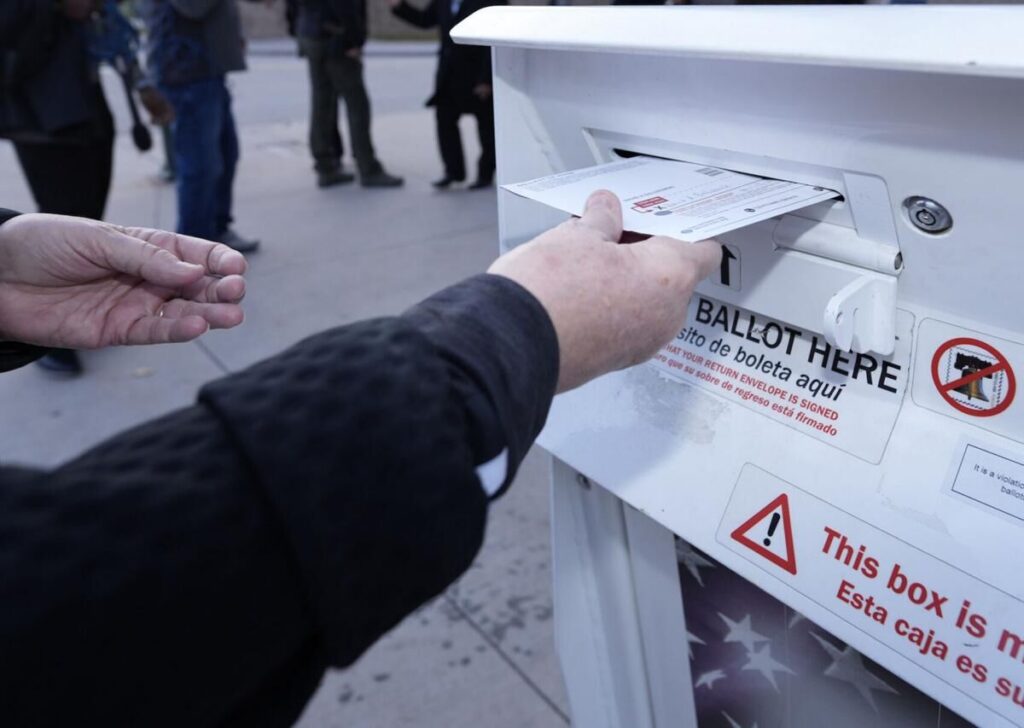
A ballot initiative that would require voters to include additional information on mail-in ballots has qualified for the November election, according to the Secretary of State’s Office. Backed by El Paso County Treasurer Chuck Broerman and former Deputy Secretary of...
Colorado election website error exposes personal data of confidential voters
Marissa Ventrelli
marissa.ventrelli@coloradopolitics.com
Updated 2 days ago
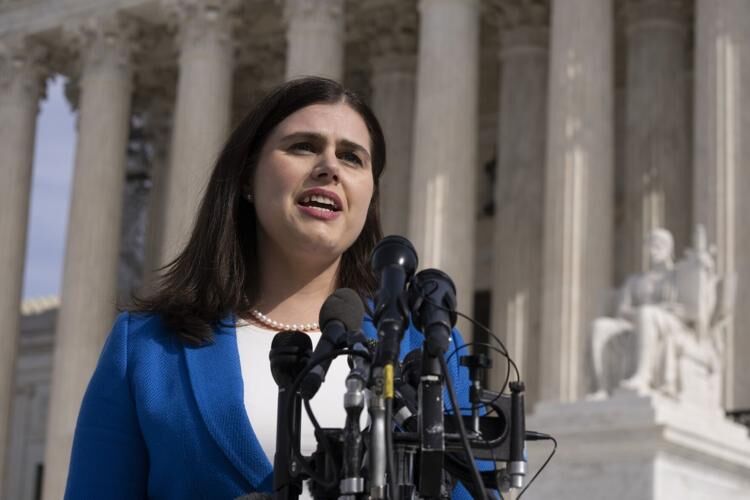
A system update accidentally lifted protections on confidential records in Colorado, exposing dozens of voters’ personal information, according to the Secretary of State’s Office. The limit that normally blocks access to confidential voter profiles was inadvertently disabled during an update...

PUC adds weekly comment after killing private talks
Scott Weiser
scott.weiser@gazette.com
Updated 2 days ago
The Colorado Public Utilities Commission will take public comment at the start of every commissioner’s weekly meeting beginning Sept. 9 as part of its new transparency mandate, the commission announced, expanding a slot previously limited to the second Wednesday of...
10th Circuit overturns framework for sentencing probation violators by 11-1
Michael Karlik
michael.karlik@coloradopolitics.com
Updated 2 days ago
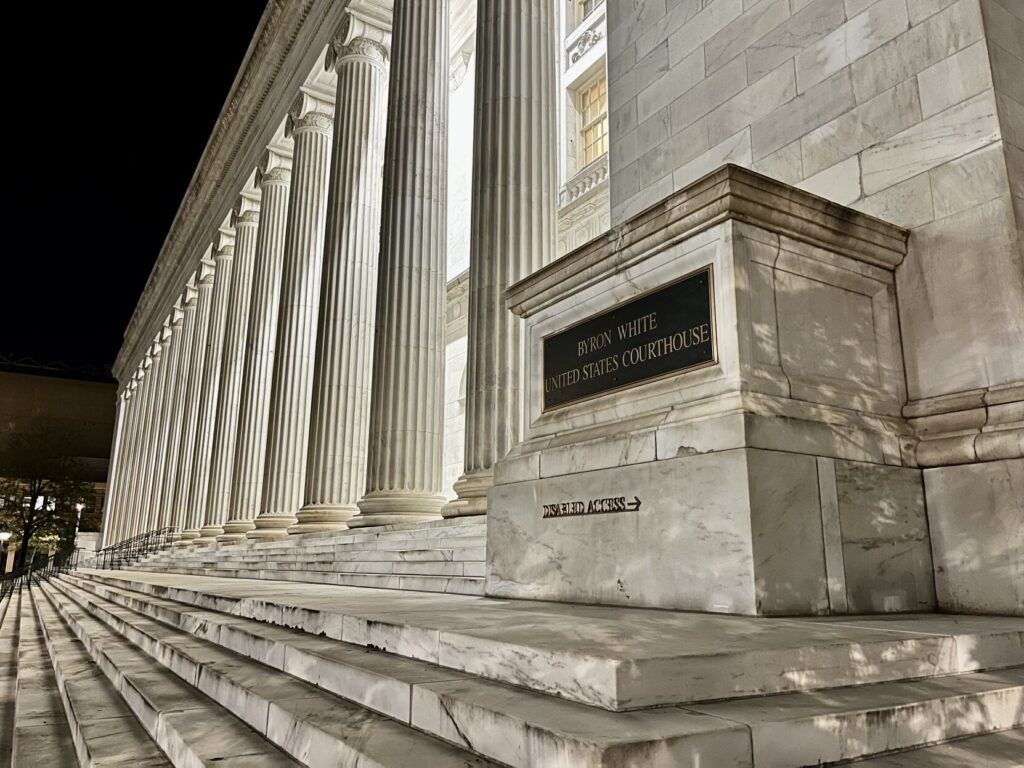
In a rare decision by all 12 of its full-time judges, the Denver-based federal appeals court ruled in a lopsided vote on Friday that one of its members created a sentencing process for probation violators that was out of step...

Federal judge dismisses excessive force lawsuit against Colorado Springs, officer
Michael Karlik
michael.karlik@coloradopolitics.com
Updated 2 days ago
A federal judge concluded last week that a Colorado Springs police officer could not be held liable for shooting a suspect three times after the man menaced two victims with a gun and fled the scene. Al’morion Germany was involved...
PREV
PREVIOUS
COVER STORY | Colorado halfway houses: Violence, sex and drugs as promised reforms lag
Colorado Watch | First in a series from our partners at The Gazette Colorado’s criminal justice reforms are delivering a more violent mix of offenders to the state’s troubled community corrections system, filling up local halfway houses already struggling with violence, staff sexual misconduct, rampant drug use and health and safety concerns, a new Gazette […]

State Supreme Court dismisses challenge to 6 oil and gas ballot initiatives
The Colorado Supreme Court has upheld the ballot titles of six initiatives seeking to regulate the oil and gas industry, putting them back on track for placement on the November ballot. John Justman, a Mesa County commissioner, challenged the Title Board’s approval of Initiatives 173-177, which would establish minimum setbacks of 2,000 or 2,500 feet […]