

Private property rights challenge rural Colorado communities | Rachel Gabel
If there were ever a topic I believe deeply in, it’s private property rights. If there were ever a topic that leaves me in a moral conundrum more often than not, it’s private property rights.
The northern portion of Weld County is where towns like Grover and Hereford are hunkered down against the wind. It’s an area rich in history, habitat and resources. Its big country marked by the Pawnee Buttes and the Chalk Bluffs and miles and miles of barbed wire. It’s not country for the weak. Wind is the most plentiful commodity, and grass is equal in weight to gold. The cattle in the pastures know how to go out and work for a living. They’re not pampered, but they thrive on the nutrient-stout short grass. Seldom do you drive across Highway 14, past the Pawnee Buttes and toward Grover and see vehicles that don’t either belong to a rancher or an energy company. It’s big, beautiful, tough country, but it’s not pristine. There is significant oil-and-gas activity and wind turbines that flow energy through transmission lines to areas with big power appetites.
I don’t want to look out across some of the state’s most scenic ranch country and see turbines spinning. However, I don’t want small schools like the one in Grover to close their doors. I don’t want to see a bunch of people flow into Hereford, with visions of making it much like the place they left. I also don’t want ranches sold by uninterested heirs with no buyer prospects. I don’t want data centers gobbling land and water, but I understand the technology that allows a spray rig applying herbicides to turn flappers on and off to allow only the weeds to be sprayed. That, rather than applying chemical across the entire field, relies on the proximity of data centers and other technological voodoo I don’t understand.
Colorado leads the country in the loss of agricultural land. A rancher I spoke to last week said, “ … and it ain’t wind turbines and solar panels. It’s houses and they want our water.”
It’s so hard to make a living in production agriculture, and it’s hard to make space on an ag operation without a mailbox check or some type of differentiated income. Ag producers have to keep a lot of balls in the air to make it pencil — they may run cows, but they also have to grow some corn for silage and have a few trucks to keep busy all year (and maybe a direct-to-consumer meat company, a mineral rights lease and a wife with a job in town).
It’s a weird world when one of the nation’s most productive agricultural counties, Weld, has an animal-rights extremist who has damned agriculture repeatedly running to represent it in Congress. We’re selling cattle for more than any of us can remember right now. We’re also burning $6 diesel fuel and we’re more strapped than ever before, cringing at what the president might say next about the cattle industry.
We’re moving closer to fall and that tends to be when things are wrapped up for the year — calves are weaned, silage is chopped, harvest is completed, irrigation is finished and men can stand around visiting and drinking a cold shop-fridge beer and feel like there’s some closure and some accomplishment. This year, things are all early if there is anything left standing to harvest or if there was enough water to get a crop or the cattle didn’t run out of grass in August. Fall marks, in my experience, the highest rate of farmer and rancher suicides throughout the year. Feeding your neighbors is a worthy job and there is dignity in hard work. It shouldn’t drive men to end their own lives because they’re damned no matter what they do.
Something has to give, and if some wind turbines can spin and allow a rancher to pass down a paid-off ranch their kid can make a living on, I’m all for it. If a few wind turbines can spin and allow a guy to retire, keep the land and rent it to a young couple starting out so they have a chance to buy some dirt, I’m all for it. If some tax revenue can keep the lights on in small schools and libraries and offer opportunities for a kid to return with skills and education to a tiny rural town and build something, I’m all for it.
I don’t want turbines muddying the view of the Pawnee National Grasslands when I drive through just as the sun is rising and the whole thing is golden. But if the wind is blowing and someone can capitalize on it, I want it to be a rancher rather than the out-of-state investor who bought it when the rancher was upside down in debt and he took one of two ways out. Keeping the lights on has never been so hard or so important.
Rachel Gabel writes about agriculture and rural issues. She is assistant editor of The Fence Post Magazine, the region’s preeminent agriculture publication.


A course correction Canada would concur with | Miller Hudson
Miller Hudson
miller-hudson@coloradopolitics.com
Updated 2 days ago
I’ve always harbored a soft spot for Canada. My father was stationed there twice, once in the 1960s as the Atomic Energy Commission’s American liaison with the Canadian nuclear reactor program in Chalk River, Ontario and again in the 1970s...

Gaylord — you never check in, but still pay | Jon Caldara
Jon Caldara
jon-caldara@coloradopolitics.com
Updated 3 days ago
I go to a lot of conferences, often in beautiful cities I never actually see. Friends hear where I’ve been and ask depressing questions like, “Did you visit the famous museum?” No. I saw Ballroom C, the lobby bar and...
Reflections on Weiser-Lopez, Crank-Killian debates | Tom Cronin
Tom Cronin
tom-cronin@coloradopolitics.com
Updated 2 days ago
Thursday night, The Gazette and KOAA TV hosted two important candidate debates. The first featured incumbent Republican U.S. Rep. Jeff Crank, who is just completing his first term representing El Paso County in Congress, and Jessica Killian, a Democrat who has...
What courageous citizenship really looks like | Vince Bzdek
Vince Bzdek
vince.bzdek@gazette.com
Updated 1 day ago
By Vince Bzdek What exactly is courage? Ernest Hemingway famously called it grace under pressure. Mark Twain wrote that “courage is resistance to fear, mastery of fear — not absence of fear.” C.S. Lewis refined that even more: “Courage is...
Colorado measure adding ID checks to mail-in voting qualifies for ballot
Marissa Ventrelli
marissa.ventrelli@coloradopolitics.com
Updated 2 days ago
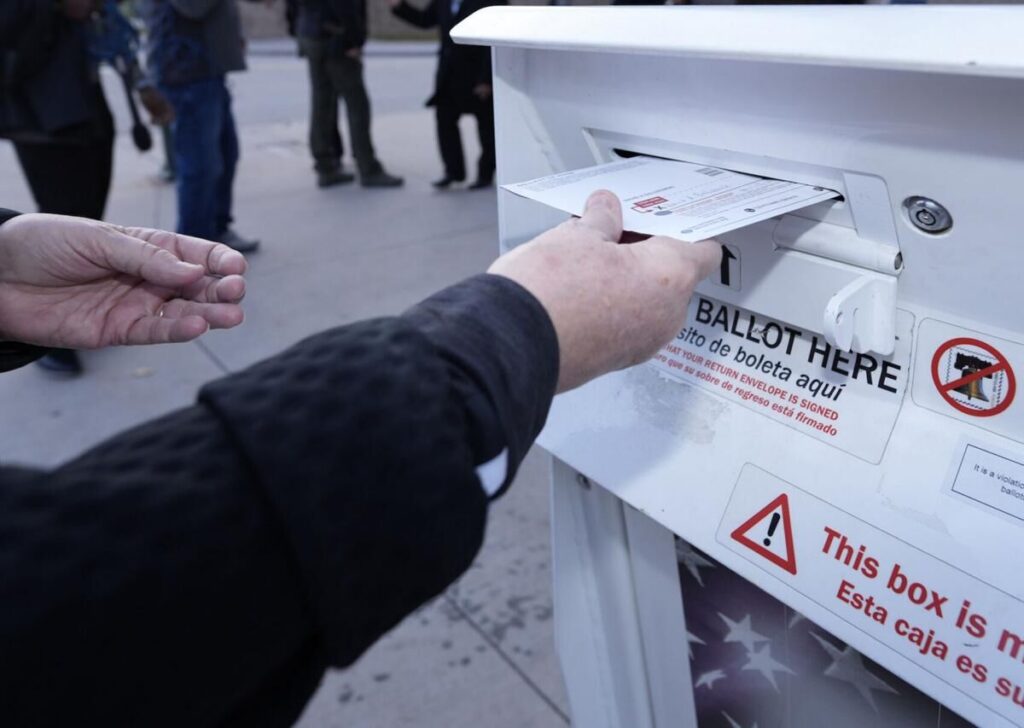
A ballot initiative that would require voters to include additional information on mail-in ballots has qualified for the November election, according to the Secretary of State’s Office. Backed by El Paso County Treasurer Chuck Broerman and former Deputy Secretary of...
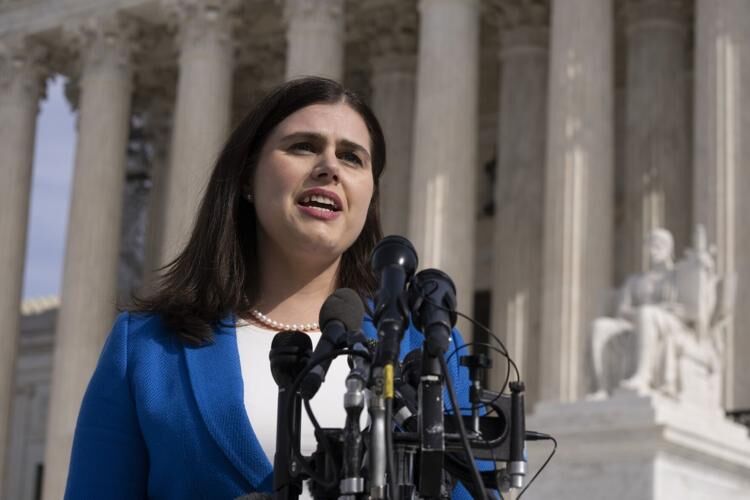
Colorado election website error exposes personal data of confidential voters
Marissa Ventrelli
marissa.ventrelli@coloradopolitics.com
Updated 2 days ago
A system update accidentally lifted protections on confidential records in Colorado, exposing dozens of voters’ personal information, according to the Secretary of State’s Office. The limit that normally blocks access to confidential voter profiles was inadvertently disabled during an update...
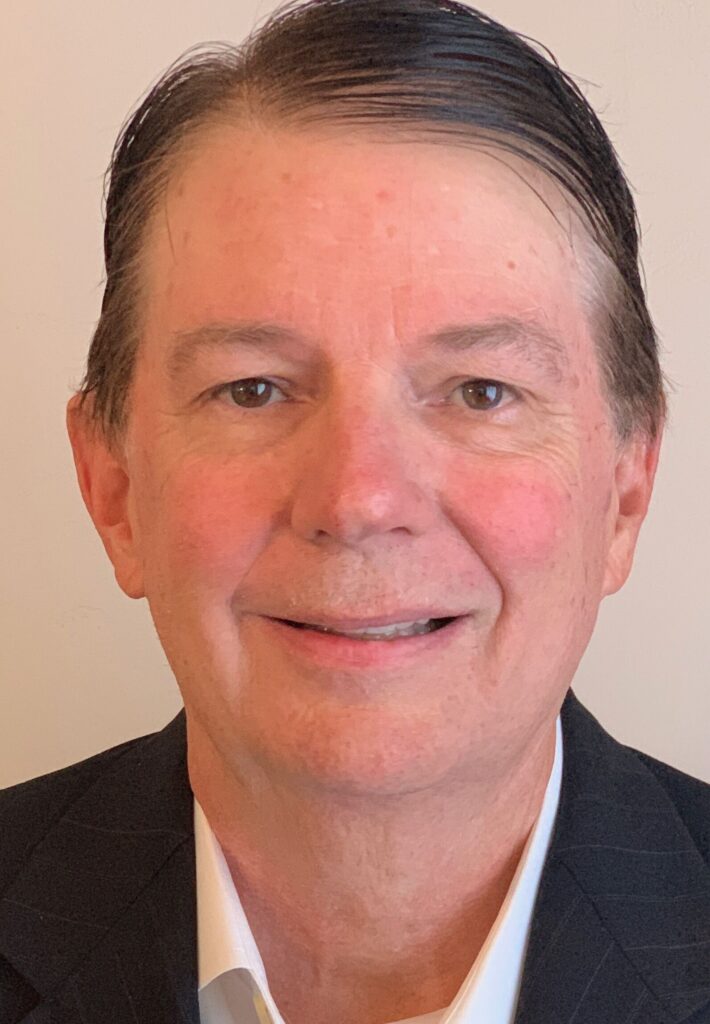
Colorado’s hunting and fishing traditions rest on science, conservation and a proven heritage | IN RESPONSE
Colorado Politics
colorado-politics@coloradopolitics.com
Updated 3 days ago
By John Howard Eric Washburn’s recent column warns Coloradans the right to hunt and fish amendment is a Trojan horse designed to resurrect “cruel” practices voters have already banned and to elevate killing above every other form of wildlife management....
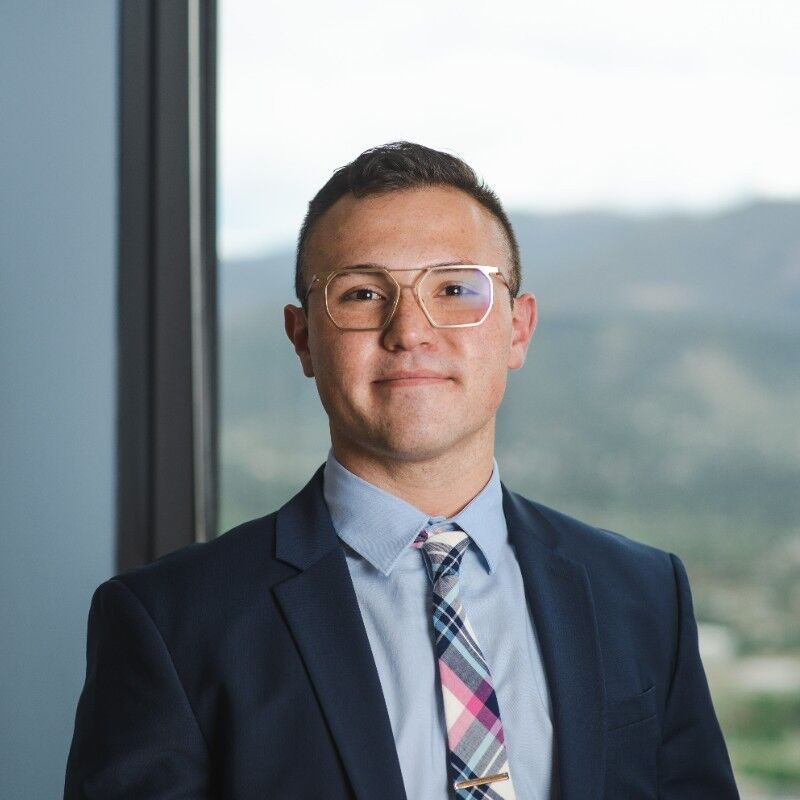
Why does Colorado limit who can safeguard taxpayer dollars? | GUEST COLUMN
Colorado Politics
colorado-politics@coloradopolitics.com
Updated 3 days ago
By Devin Camacho Recently, PNC Bank announced its purchase of FirstBank Colorado. Not only did Colorado lose a local banking option, but nearly 1,000 people lost jobs, with more job losses coming as the big bank now closes branches too....
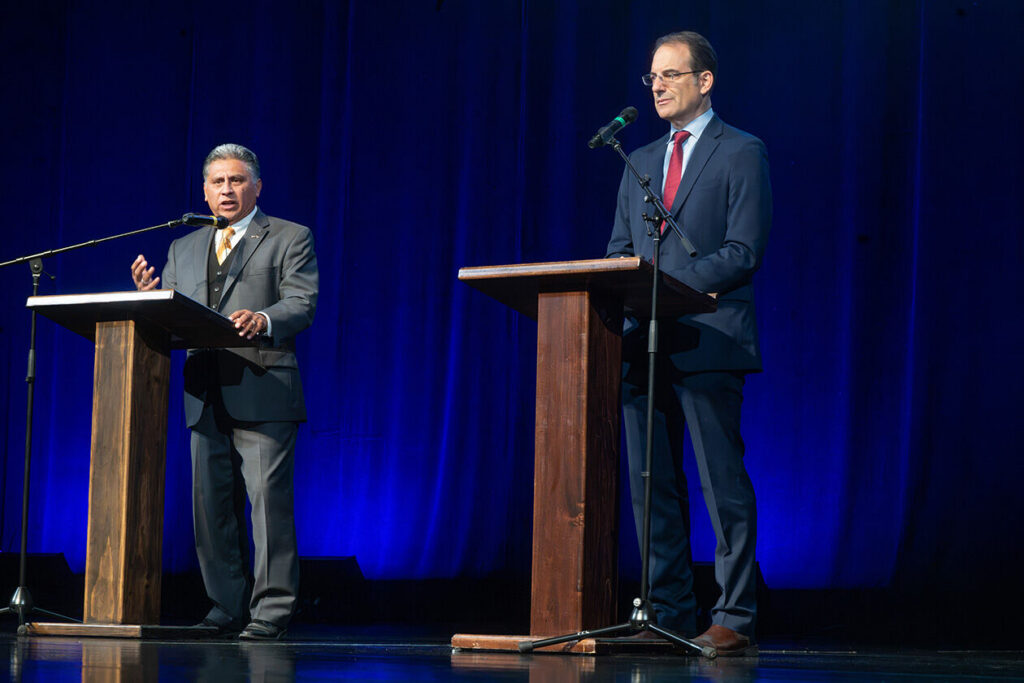
Gubernatorial candidates Phil Weiser, Greg Lopez spar, as Marx skips debate
Deborah Grigsby
deborah.smith@denvergazette.com
Updated 3 days ago
Two of the candidates for Colorado governor squared off in a televised debate on Thursday night, when Attorney General Phil Weiser, the Democratic nominee, and former U.S. Rep. Greg Lopez, an unaffiliated candidate, delved into issues of affordability, data center...
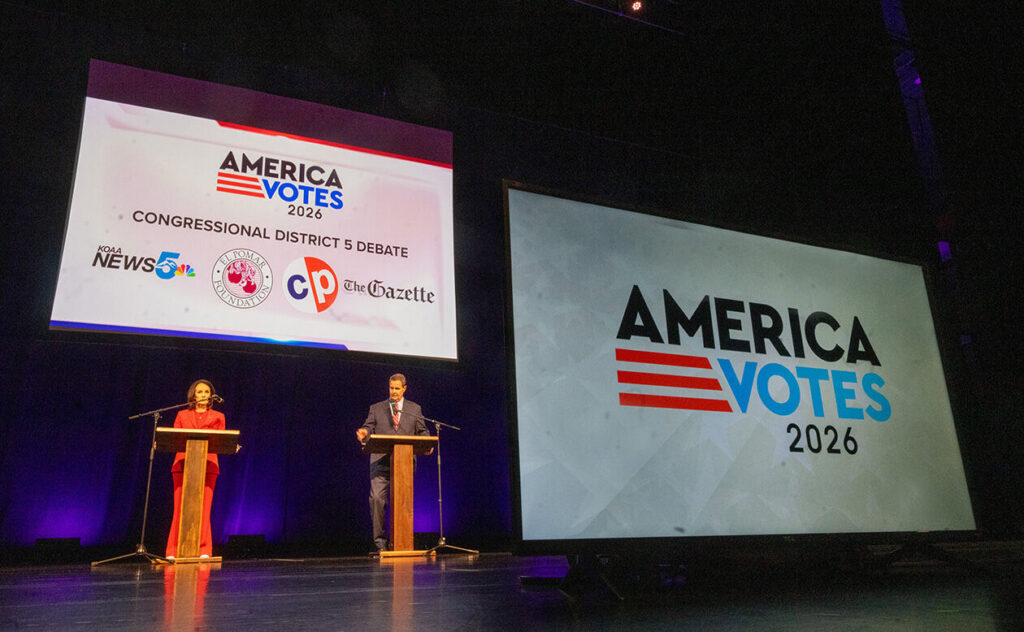
Troops, taxes, war dominate Colorado’s 5th CD debate between Jeff Crank, Jessica Killin
Deborah Grigsby
deborah.smith@denvergazette.com
Updated 3 days ago
Republican U.S. Rep. Jeff Crank and Democratic challenger Jessica Killin on Thursday night clashed over the war in Iran, the federal budget and healthcare when they took the stage in Colorado Springs for a sold-out debate in the race to...
PREV
PREVIOUS

Gaylord — you never check in, but still pay | Jon Caldara
I go to a lot of conferences, often in beautiful cities I never actually see. Friends hear where I’ve been and ask depressing questions like, “Did you visit the famous museum?” No. I saw Ballroom C, the lobby bar and took out a loan to buy a Caesar salad. Having experienced some of the world’s […]

A course correction Canada would concur with | Miller Hudson
I’ve always harbored a soft spot for Canada. My father was stationed there twice, once in the 1960s as the Atomic Energy Commission’s American liaison with the Canadian nuclear reactor program in Chalk River, Ontario and again in the 1970s as the State Department’s scientific attache at the U.S. Embassy in Ottawa. I had the […]