

Colorado environment and oil officials clash in Congress over methane emissions
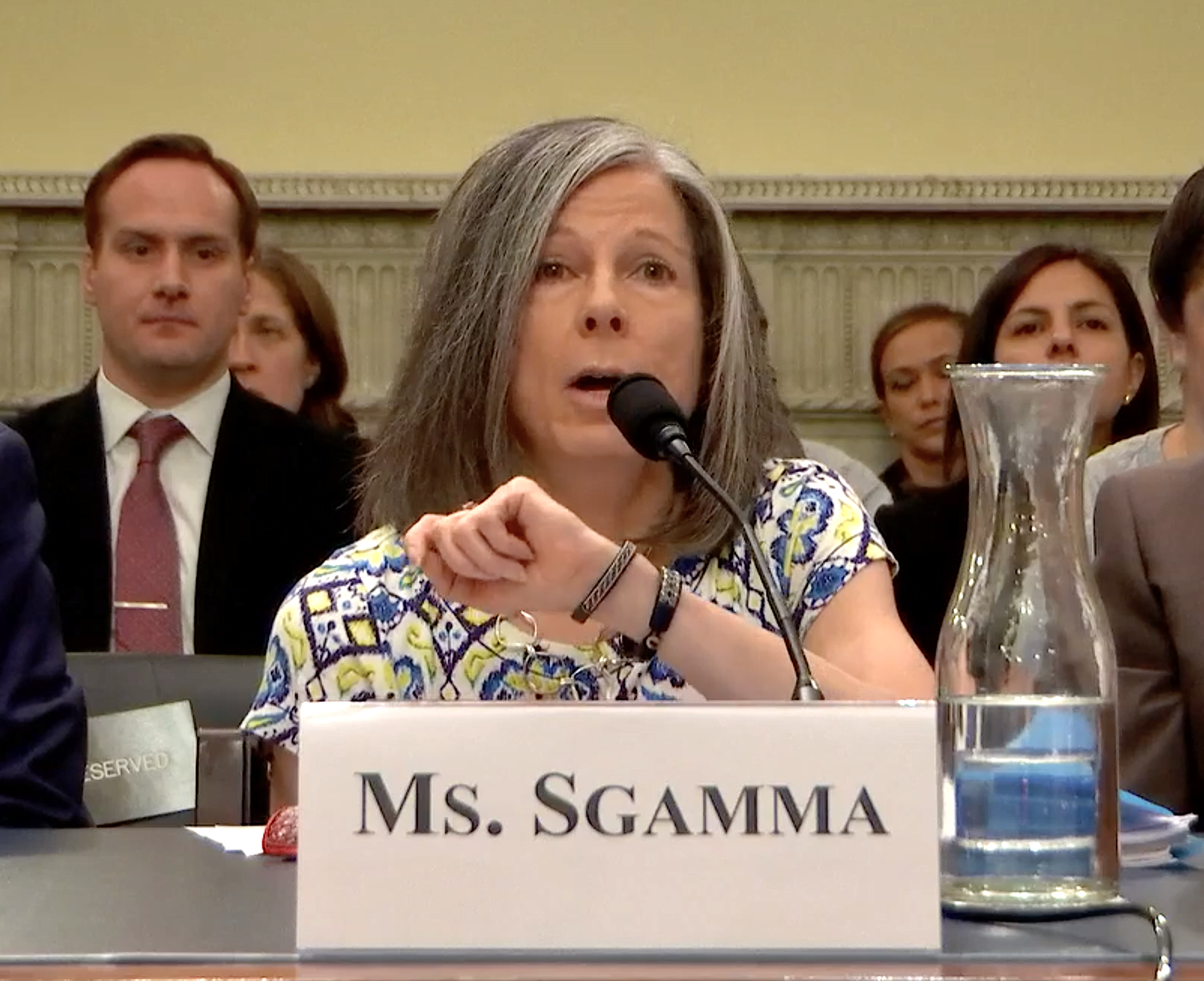
WASHINGTON – A Colorado environmental official and an energy industry representative disagreed sharply at a hearing on Capitol Hill Tuesday over a bill that would limit methane emissions at oil and gas drilling sites.
The bill, called the Methane Waste Protection Act (H.R. 2711), was introduced in May by Rep. Diana DeGette, a Denver Democrat.
Methane is 80 times more potent than carbon dioxide as a contributor to global warming, DeGette said during a hearing of the House Natural Resources subcommittee on energy and mineral resources. “But when it’s captured, methane can be used as a valuable resource,” she said.
Methane leaks from oil drilling sites because of the difficulty in capturing all of it.
DeGette’s bill would require oil and gas companies to capture 85 percent of all gases they produce at drilling sites on public lands within three years after the legislation is enacted and 99 percent within five years.
DeGette said a Trump administration proposal as recently as last month to ease regulatory restrictions on oil and gas companies could result in more methane being released.
“If allowed to go unchecked, [Trump administration environmental policies] will threaten our public health, exacerbate our climate crisis and waste some of our nation’s most valuable resources,” she said.
Kathleen Sgamma, president of the trade group Western Energy Alliance, testified that the Methane Waste Protection Act and two other bills to more tightly regulate oil and gas companies would do more harm than good.
“Now Congress is considering legislation designed to decrease American production, not consumption, of oil and natural gas by adding more cost and red tape onto federal lands,” Sgamma said in her testimony. “Adding more cost has the same effect as taxes: if you want less of something, tax it more.”
The Denver-based alliance represents about 300 energy companies, many of them operating on federal lands that would be subject to the proposed legislation. They already are making great strides to reduce any negative effects of oil and gas drilling, Sgamma said.
“We continue a four-decade-long trend of reducing methane emissions by 14 percent even as production has skyrocketed over 50 percent for natural gas and 80 percent for oil,” Sgamma said.
She also warned about economic damage from putting a heavier regulatory burden on the industry.
“Through greater oil production, we’ve kept $350 billion from going overseas to unfriendly countries, enabling that wealth to create hundreds of thousands of new jobs in the United States,” Sgamma said.
Methane is a hydrocarbon gas found in small quantities in Earth’s atmosphere but larger quantities underground, particularly where companies drill for oil. Its flammability has made it the main component of natural gas used for home heating and cooking.
Colorado produced 116 million barrels of crude oil in 2016, making it the seventh biggest oil-producing state, according to the Energy Information Administration.
Other provisions would ban methane flaring at new wells and require oil and gas producers to report more information about gas leakage to the government.
John Putnam, director of environmental programs at the Colorado Department of Public Health and Environment, said Colorado has proven methane reduction and oil industry growth can be done at the same time.
Many provisions of DeGette’s Methane Waste Protection Act are modeled on legislation phased in for Colorado’s oil and gas industry since 2014, Putnam said at the congressional hearing.
He also said the bill is more urgent in Colorado than most places.
“Our state is particularly susceptible to the impacts of climate change,” Putnam said. “Colorado is vulnerable to drought, wildfires, flooding and ozone exacerbation.”
He presented graphs showing that despite the state’s new restrictions on controlling gas leakage at drilling sites, natural gas production in Weld County increased from less than 70 million cubic feet in 2014 to more than 145 million cubic feet in 2018.
Oil production in Weld County increased by similar margins, according to state records.
However, emissions from the drilling sites fell by 70 percent during the same period, Putnam’s figures showed.
Other bills considered during the hearing would require oil and gas companies to reclaim more of the federal land they use, return more of their revenue from oil and gas extraction to the government and limit government liability for coal mining reclamation.

House Natural Resources Committee Democrats via YouTube


Judicial performance evaluations released, Montezuma County judge disciplined | COURT CRAWL
Michael Karlik
michael.karlik@coloradopolitics.com
Updated 58 minutes ago
Welcome to Court Crawl, Colorado Politics’ roundup of news from the third branch of government. Colorado’s citizen-led judicial performance commissions released their voter narratives for the judges standing for retention in November, plus a disciplinary panel imposed consequences on a...
Here are the 10 oldest members of Congress running for reelection
Lauren Green
lauren-green@coloradopolitics.com
Updated 17 minutes ago
Capitol Hill has long been called a “retirement home,” as well over 100 House members and half the Senate are over the age of 65. That reputation doesn’t look due to change anytime soon — there are currently more than...
Fauci ignored reports of COVID vaccine side effects, new documents show
Gabrielle M. Etzel
gabrielle-m-etzel@coloradopolitics.com
Updated 2 hours ago
Dr. Anthony Fauci was made aware of possible COVID-19 vaccine complications by other senior-level public health officials in early 2021, according to new emails and text messages released by Senate Republicans on Sunday. Documents released by Sens. Rand Paul (R-KY)...

Majority of Americans say they’re worse off financially since Trump took office again: Poll
Emily Hallas
emily-hallas@coloradopolitics.com
Updated 2 hours ago
The majority of the public believes they are worse off financially than when President Donald Trump won a second term nearly two years ago, according to a new poll that painted an ominous picture of Republicans’ electability in the 2026...
Colorado River crisis: Lake Mead, Lake Powell inch closer to ‘dead pool’
Marianne Goodland
marianne.goodland@coloradopolitics.com
Updated 1 hour ago
In the past 10 days, both Lake Mead on the Arizona-Nevada border and Lake Powell roughly 300 miles northeast on the Utah-Arizona line have recorded their lowest water levels since the reservoirs were first filled. Lake Mead, the nation’s largest...

Colorado lieutenant governor candidate Markert says early discipline and key mentors set his course
Marianne Goodland
marianne.goodland@coloradopolitics.com
Updated 4 hours ago
Editor’s note: This is the first installment in a three-part series examining Colorado’s candidates for lieutenant governor. In this piece, Colorado Politics speaks with George Markert, the Republican running mate to gubernatorial candidate Victor Marx. Marx is competing against Democrat...

The hidden politics of time: How clocks, calendars — and now-contentious time zones — came to be
The Associated Press
the-associated-press@coloradopolitics.com
Updated 6 hours ago
NEW YORK (AP) — It flies. It heals all wounds. It can be of the essence, and it can be money. We thrill in the best of it, lament the worst. We’re warned not to waste it, since we can’t...
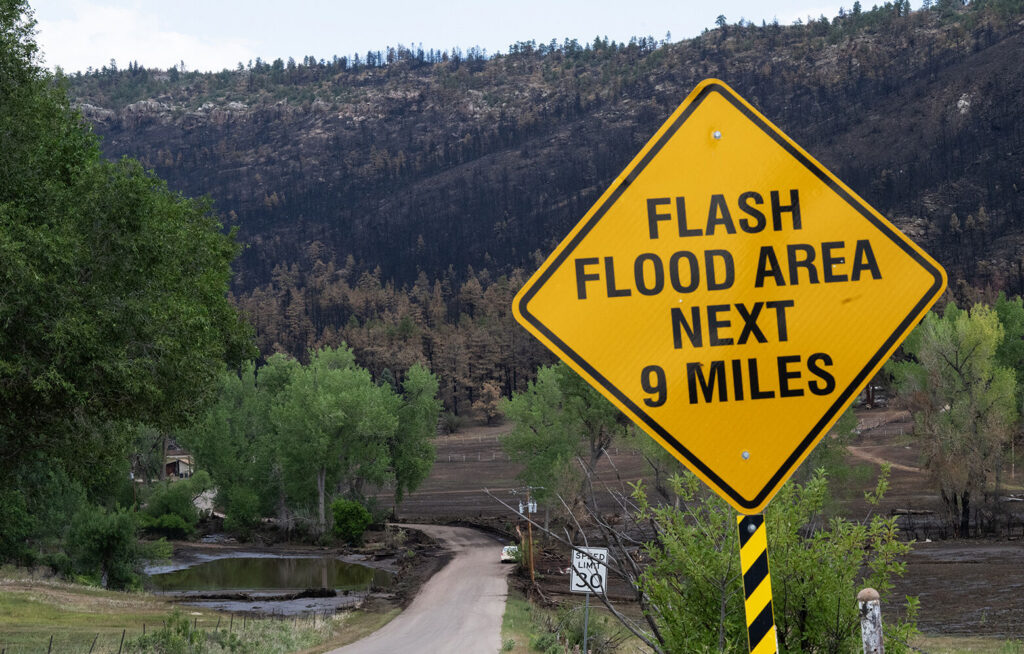
1 killed in flash flooding in Beulah: Pueblo County Sheriff’s Office
O'Dell Isaac
odell.isaac@gazette.com
Updated 4 hours ago
One person was killed in Beulah on Sunday after floodwaters swept him downstream, according to a news release from the Pueblo County Sheriff’s Office. The male victim, whose name was not released, was standing near Colorado 78 and Central Avenue...
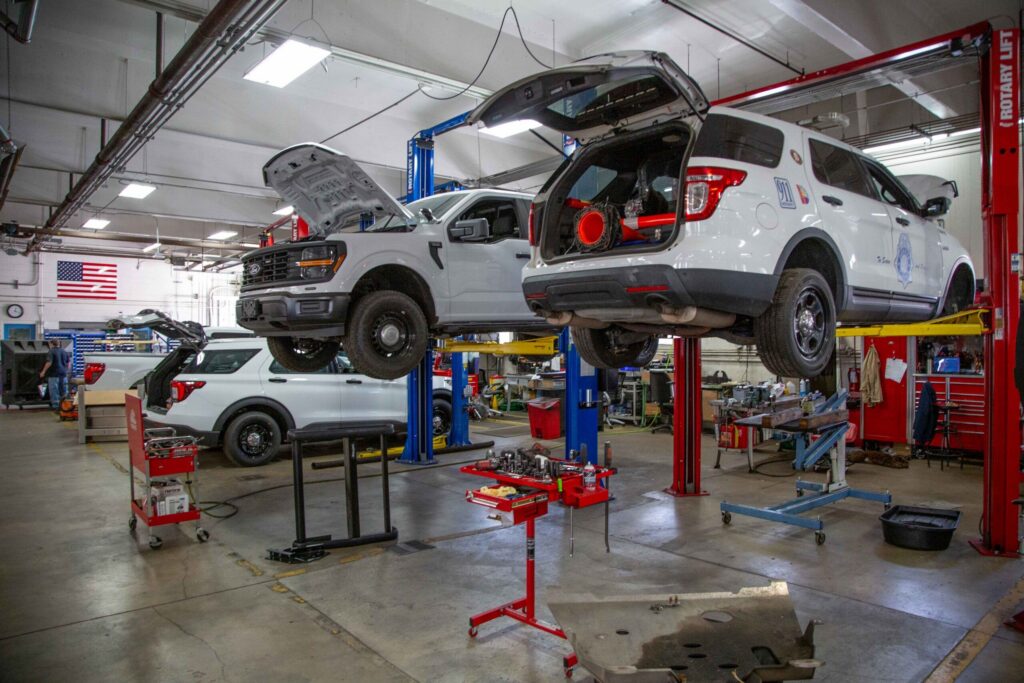
‘Kind of defeats the purpose’: Denver adds more cops but not enough working cruisers
Deborah Grigsby
deborah.smith@denvergazette.com
Updated 5 hours ago
Denver’s police force has added more sworn officers as part of Mayor Mike Johnston’s promise to deliver a “vibrant” and safe city, but there aren’t always enough working patrol cars to put the new cops on the street. The shortage...
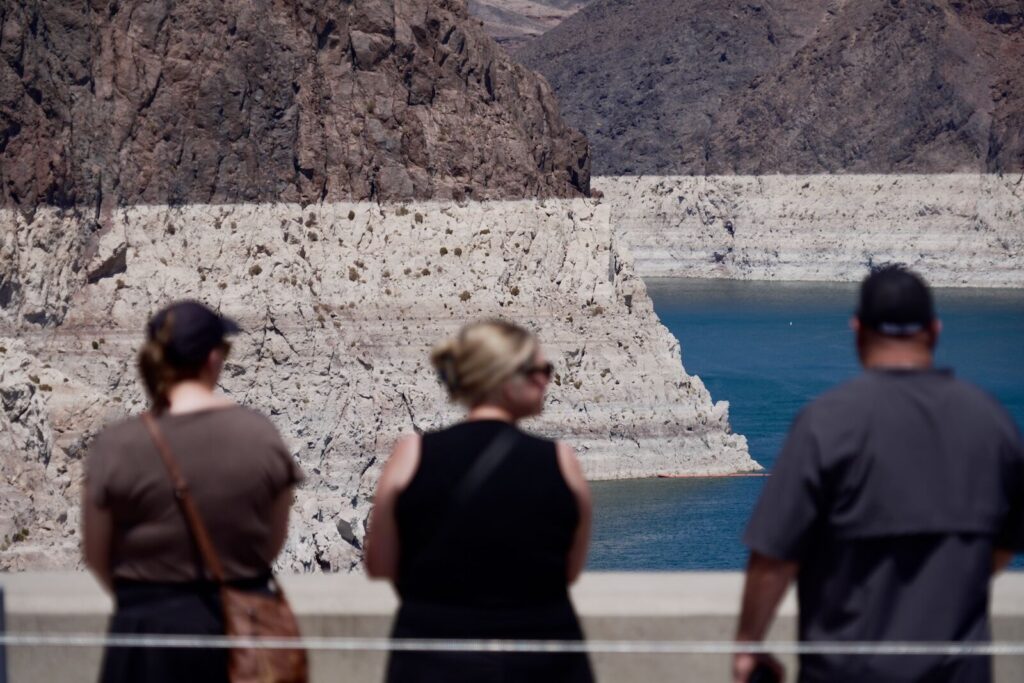
Lake Mead hits historic low water level as Colorado River struggles | OUT WEST ROUNDUP
The Associated Press
the-associated-press@coloradopolitics.com
Updated 5 days ago
NEVADA Lake Mead hits new low BOULDER CITY — Lake Mead, the largest reservoir in the United States, has plummeted to its lowest water level since it was filled some 90 years ago, another sign of the crisis plaguing the...
PREV
PREVIOUS

Aurora theater shooting survivors urge 'Joker' studio to support gun control
Alarmed by violence depicted in a trailer for the upcoming movie “Joker,” some relatives of victims of the 2012 Aurora movie theater shooting asked distributor Warner Bros. on Tuesday to commit to gun control causes. Sandy Phillips’ daughter, Jessica Ghawi, was one of 12 people killed in the suburban Denver theater during a midnight showing […]

Warning signs belie low uninsured rate across Colorado
The ever-increasing cost of health care – and increasingly skimpy insurance plans – are threatening to undo progress made under the Affordable Care Act in helping people access care and pay for it, a comprehensive biennial survey has found. Colorado’s uninsured rate held steady this year at 6.5%, according to the 2019 Colorado Health Access […]