

Passenger train service from Denver to Fort Collins? | Cronin and Loevy
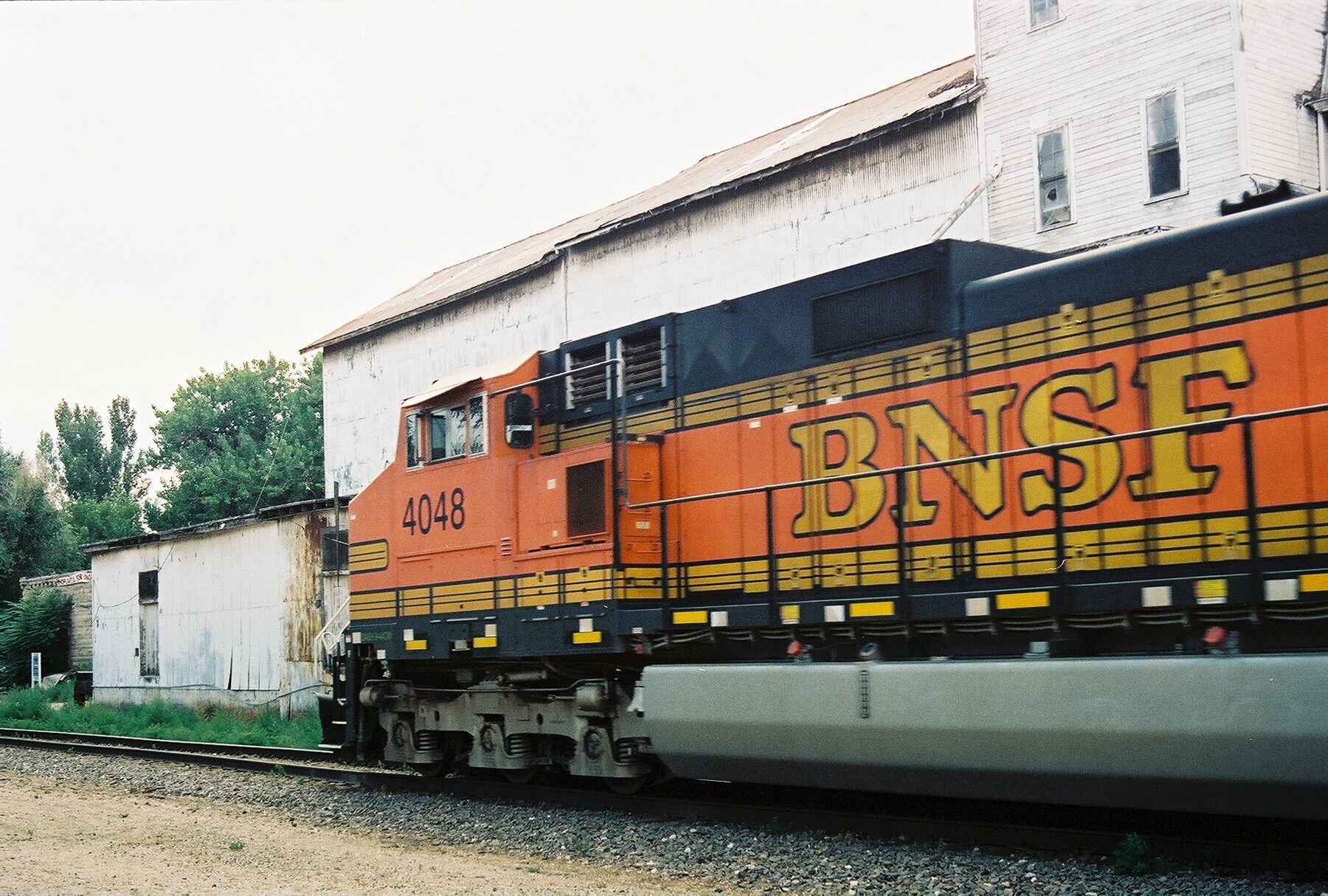
A “Joint Service” plan is being developed that would bring passenger rail service from Denver north to Fort Collins by 2029.
The passenger trains would be paid for with existing funds from the Denver Regional Transportation District (RTD) and other Colorado agencies that are working to institute passenger train service in Colorado.
No voter-approved tax increase would be required to finance the proposed Denver to Fort Collins train. That removes what could have been a major stumbling block to approval of this proposal.
The funds needed to pay for the service will come from the Denver RTD and fees from car rentals and oil and gas extractions that are already being collected.
Between Denver and Fort Collins, the train will stop in Westminster, Broomfield, Louisville, Boulder, Longmont and Loveland.
If Colorado does what other nearby states, including New Mexico, have done, only one diesel locomotive and one group of passenger cars will be required to start this train service.
That one set of passenger train equipment will make three round trips from Fort Collins to Denver and back each day. The trip will take about 80 minutes each way.
The first train will leave Fort Collins at about 6:30 a.m. and roll to Denver Union Station. After a brief stop in Union Station, the locomotive and passenger cars will reverse direction and head back to Fort Collins.
At midday, the same passenger train will make a second round trip from Fort Collins to Denver and return.
Then, late in the afternoon, the locomotive and passenger cars will make the third round trip of the day, departing Fort Collins for Denver and then returning to Fort Collins at about 10:30 p.m.
This Joint Service will require a second diesel engine and passenger cars to fill in in case of a delayed train, an accident, or servicing requirements for the original locomotive and passenger cars.
This scheduling of passenger train service from Denver to Fort Collins could have implications for Colorado Springs.
If the Denver-Fort Collins service is a success and attracts a large number of train riders, there will be political and economic pressure to lengthen the passenger train service south from Denver to Castle Rock, Colorado Springs, and Pueblo.
That will be particularly true if new industries coming into Colorado choose to select their new site along the operating Denver to Fort Collins passenger rail line.
There are many ways in which this new arrangement involving Denver’s Regional Transportation District (RTD) saves money.
RTD already operates passenger trains north of Denver to suburban Westminster.
From that point northward, the Joint Service has recently announced an agreement from which the BNSF railroad will provide the railroad tracks onward from Westminster through Boulder, Longmont, and Loveland to Fort Collins.
Track improvements and other costs to install passenger service from Westminster to Fort Collins will be $333 million.
Because one set of a diesel locomotive and passenger cars will be making all three round trips a day, there will be no need for additional sidetracks – places where passenger trains going in opposite directions can pass each other. That will save money.
Train stations will be minimal in the early going, but some station platforms and small shelters where patrons can wait for the passenger train will be constructed.
The new passenger train will also take advantage of existing car parking lots at the edge of the railroad. An example would be the existing parking structure at Boulder Junction.
The Denver-to-Fort Collins passenger train service will require new trackside railroad signals. The new signals will provide Positive Train Control (PTC), which automatically stops trains when problems occur.
Most passenger train railroads in the United States have PTC. It helps to prevent passenger train accidents, such as head-on collisions and other instances of trains running into each other.
Sharp curves on the existing railroad tracks will be made less sharp. That will permit train speeds up to 79 mph.
The target date for all this work to be done and the train to be operating between Denver and Fort Collins is January 2029.
There has been skepticism as to whether passenger trains would ever operate along the Front Range. The major characteristic of this Joint Service plan is that it is believable.
Japan, China, France and Switzerland have impressive passenger train systems. The United States is a notably automobile-oriented country, yet efficient passenger train systems would make economic and environmental sense
The Denver RTD, which already operates passenger trains in the Denver metropolitan area, will be a major participant. No vote by the tax paying public will be required. Money is available to pay for this new passenger rail service.
And an agreement has been made with the BNSF railroad to prepare a portion of the tracks to handle passenger service.
Stay tuned. Do not expect a Front Range passenger train service soon. And do not expect it to be the type of fast trains enjoyed in Japan and China. But some forward motion is currently in the works.
Tom Cronin and Bob Loevy are news columnists who write about Colorado and national politics.

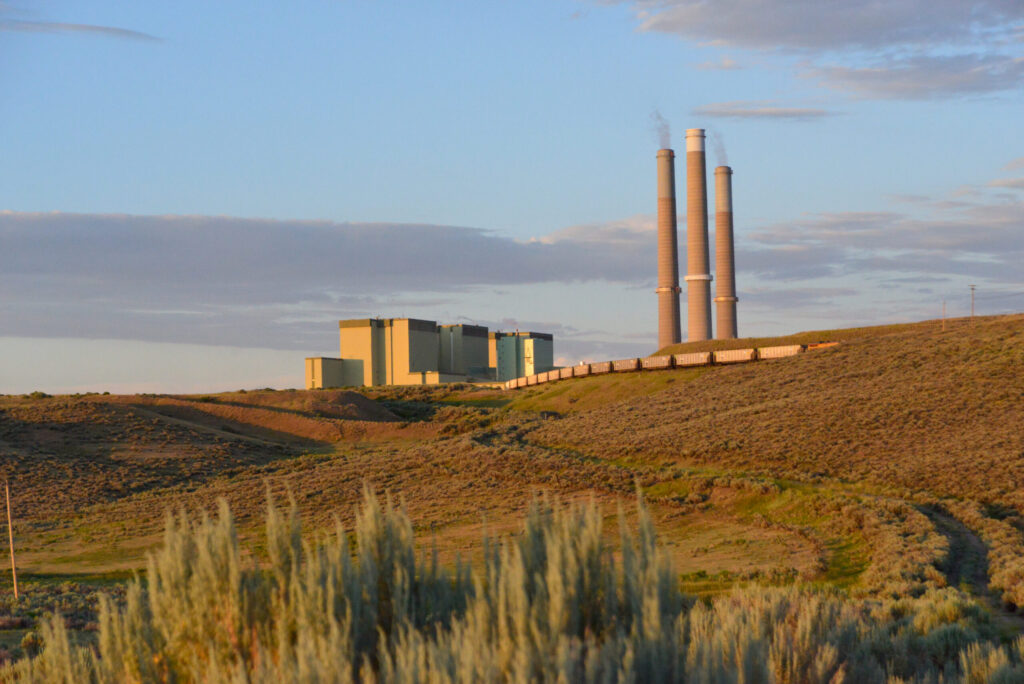
Colorado governor signs bill requiring pollution controls, cost reporting for extended coal operations
Scott Weiser
scott.weiser@gazette.com
Updated 17 hours ago
Gov. Jared Polis signed into law a bill in reaction to orders from the U.S. Department of Energy to keep older coal units online. The federal government’s instructions applied to Craig Unit 1 in Colorado, one of five coal units...

Cigna to pull out of individual health market, affecting thousands in Colorado
Marianne Goodland
marianne.goodland@coloradopolitics.com
Updated 20 hours ago
Another firm is withdrawing from the individual health insurance market, including for Colorado, effective Jan. 1, 2027. The move by Cigna Healthcare is part of the company’s overall plan to withdraw entirely from the Affordable Care Act market. It will...
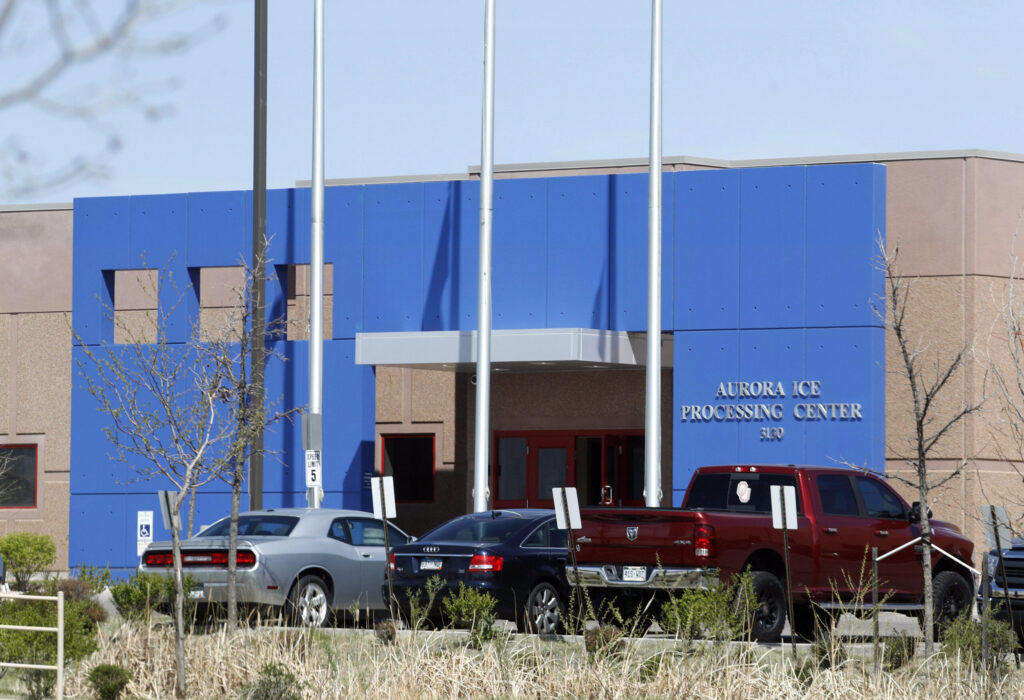
Aurora council votes to require periodic detention center inspections
Kyla Pearce
kyla.pearce@gazette.com
Updated 17 hours ago
The Aurora City Council moved forward with ordinances Monday requiring periodic inspections of and more regulated disease reporting from detention facilities in the city, including the GEO Immigration and Customs Enforcement facility. Both ordinances, sponsored by Councilmember Gianina Horton, passed...

Sparks fly in debate between Democrats in Colorado’s 8th CD primary
Ernest Luning
ernest.luning@coloradopolitics.com
Updated 19 hours ago
The two Democrats running for the chance to take on the Republican incumbent in Colorado’s most competitive congressional district traded blows during a feisty televised debate Monday night, sparring over their approaches to reining in the Trump administration’s immigration policies...
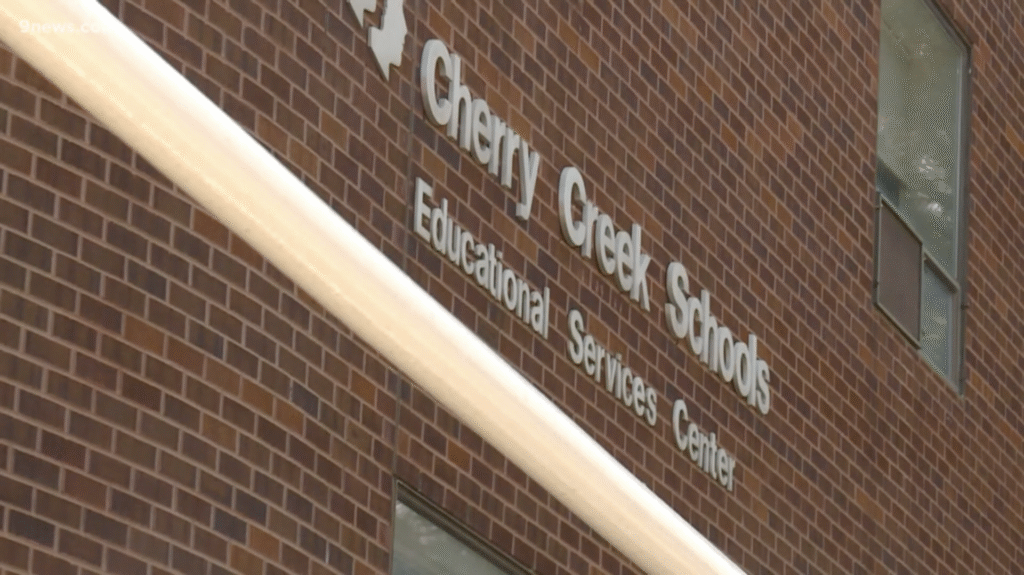
Trump administration investigates Cherry Creek School District for alleged racial discrimination
Nicholas Fogleman
nicholas.fogleman@denvergazette.com
Updated 17 hours ago
The U.S. Department of Education opened an investigation into Cherry Creek School District on Monday over allegations of racial discrimination. The department said its Office for Civil Rights is reviewing claims that the district violated Title VI of the Civil...

Jena Griswold hits airwaves with 1st major ad buy in Colorado’s Democratic attorney general primary
Ernest Luning
ernest.luning@coloradopolitics.com
Updated 2 days ago
Democratic attorney general candidate Jena Griswold plays the greatest hits from her two terms as Colorado secretary of state in her campaign’s first TV ad, which began airing Monday, the same day county clerks began sending out primary ballots. Set...

Bennet wants to be Colorado’s next governor | Cronin and Loevy
Tom Cronin Bob Loevy
tom-cronin-bob-loevy@coloradopolitics.com
Updated 3 days ago
U.S. Sen. Michael Bennet is considered the front-runner in the Colorado Democratic Party primary contest for governor. His major opponent is current Colorado Attorney General Phil Weiser. The Democratic primary election is June 30. Registered Democrats and unaffiliated voters who choose to can vote in this election. Ballots are being mailed...

A tale of two debates | Vince Bzdek
Vince Bzdek
vince.bzdek@gazette.com
Updated 4 days ago
Ballots go out Monday as the June 30 state primary elections bear down on us. As a result, it is suddenly the season of proliferating political debates, and there have been some doozies already. I had the chance to see two very...

6 incumbents face challengers in primary
Marissa Ventrelli
marissa.ventrelli@coloradopolitics.com
Updated 3 days ago
With Colorado’s primary election just weeks away, voters will see plenty of new names on their ballots when they’re sent out next week. There will be some old names, too, as several incumbents are running opposed. Six lawmakers — one...
Colorado, Nevada water negotiators split on federal 10-year river management plan
Marianne Goodland
marianne.goodland@coloradopolitics.com
Updated 4 days ago
Two of the seven Colorado River negotiators weighed in Friday on a decade-long management framework unveiled a day earlier by the federal government. With the seven states along the Colorado River failing to reach an agreement, the U.S. Bureau of...
PREV
PREVIOUS

Colorado candidates square off up and down the ballot ahead of primary election
With just over two months to go until ballots are counted in Colorado’s primary, candidates are squaring off in high-stakes contests for their party’s nominations in statewide and congressional races approaching the midterm election. For the first time in memory, state voters will have the chance to elect an entire new slate of state-level executive […]

Domestic violence rises in Colorado, state rep. seeks to fight back | A LOOK BACK
Forty-Five Years Ago This Week: A bill sponsored by Rep. Jeanne Faatz’, R-Denver, House Bill 81-1336, was the final compromise bill intended to counteract the rising tide of domestic violence in Colorado. According to FBI figures, 40,000 women in 1980 were the victims of domestic violence. Every 18 seconds, a domestic violence incident was reported, […]