

Arizona officials look to reach Colorado River drought deal

PHOENIX – Progress is being made in talks toward a set of agreements for cities, farmers and tribes to share in Colorado River water cutbacks, according to Arizona water officials.
The Arizona Republic reports that the state water officials also want to join in a larger proposed deal to prevent Lake Mead from dropping even further.
Arizona water managers have been leading a series of biweekly meetings since July to work out details of the proposed drought-contingency plan.
Two officials leading the talks said they’re optimistic about finalizing agreements within Arizona in November so the state Legislature can sign off in January.
The proposed three-state plan would involve California, Arizona and Nevada jointly taking less water out of Lake Mead to give the reservoir a boost.
Based on Arizona’s priority system of water rights, complying with the plan without an additional adjustment would cut off water for farmers who depend on deliveries from the Central Arizona Project.
Tom Buschatzke, director of the state Department of Water Resources, said the idea is to reach an agreement that “more equitably spreads around the pain and the benefits” of the drought-contingency plan in Arizona.
Central Arizona Project General Manager Ted Cooke also said he’s optimistic about finishing a deal during the next two months.
“Nobody wants to see anybody lose any water, but people are going to,” Cooke told the Republic. “Nobody wants to see that hardship come to anybody, but there is going to be hardship and we need to spread it around.”
Water levels at Lake Mead are near historic lows and federal Bureau of Reclamation Commissioner Brenda Burman has urged representatives of Arizona, California and Nevada to finish up their negotiations on the drought-contingency plan.
Arizona officials have said the goal now isn’t to prevent a shortage, which is looking ikely in little more than a year from now, but rather to prevent even more severe shortages.
Lake Mead is now just 38 percent full. Under the current rules, if the reservoir’s water level reaches 1,075 feet above sea level at the end of any year, the federal government will declare a shortage and supplies to Arizona and Nevada will be cut back.
Federal officials have said the region will narrowly escape a shortage in 2019 but that a shortage may be declared in 2020.

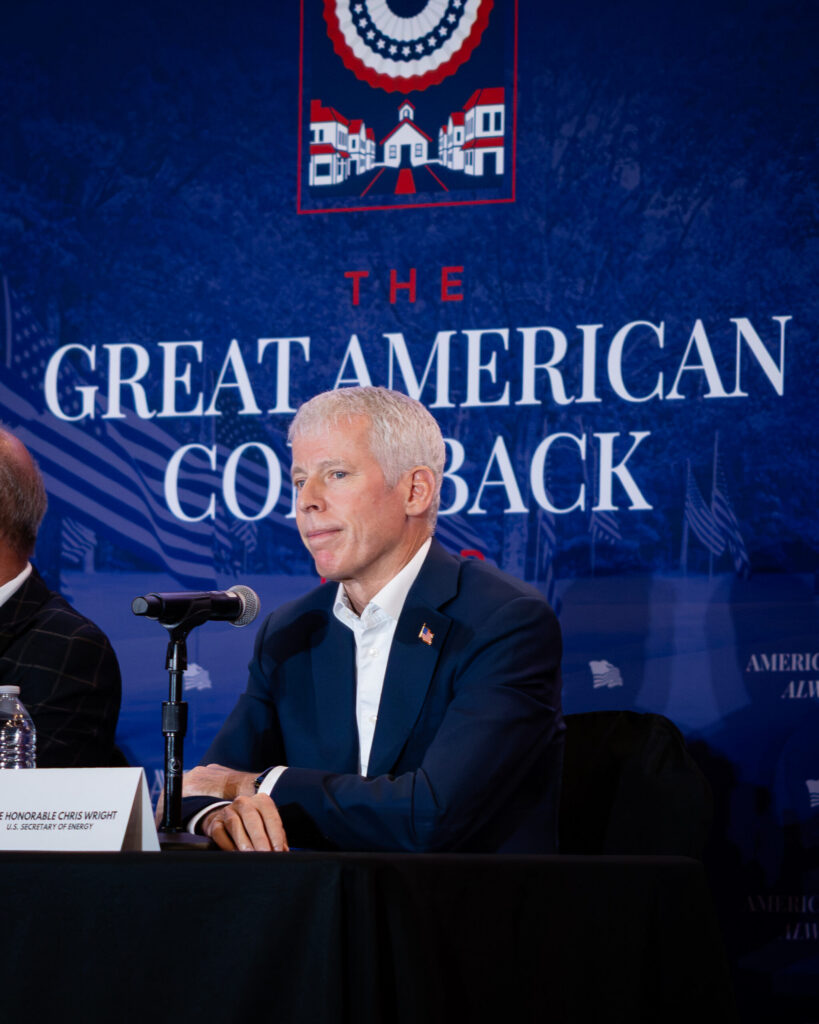
Energy secretary says U.S. must grow capacity, lower price during Colorado visit
Mark Samuelson Special to The Denver Gazette
mark.samuelson@denvergazette.com
Updated 8 hours ago
As a heatwave in the U.S. and Europe punctuated widespread calls for recommitments to solar and other “renewable” sources, U.S. Secretary of Energy Chris Wright doubled down on America’s current policy, telling a Thornton crowd on Monday that energy goals...
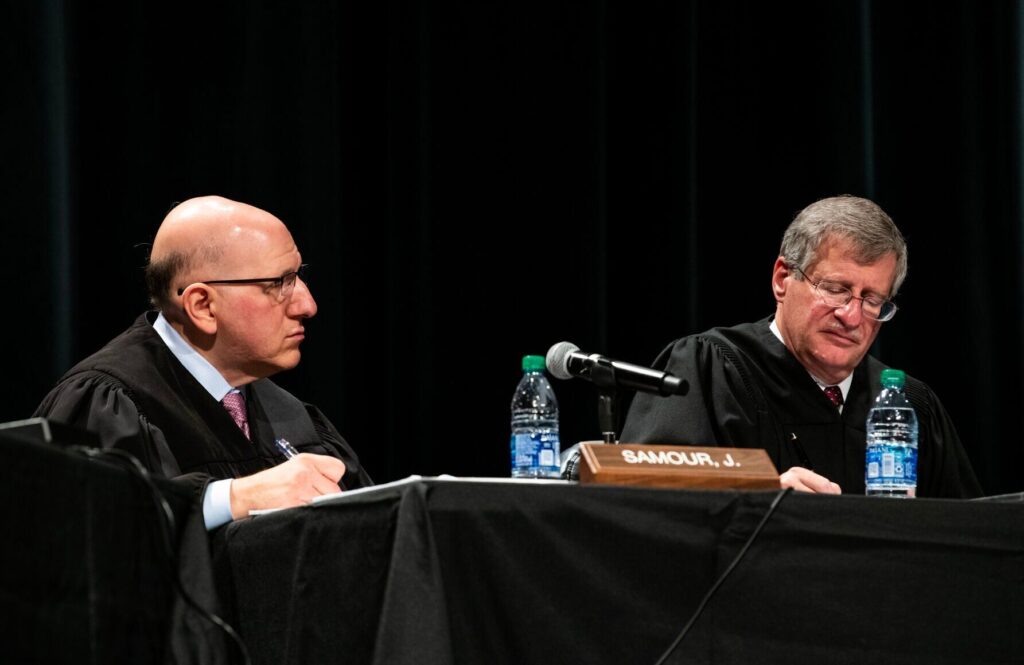
Colorado Supreme Court upholds child abuse convictions despite faulty jury instruction
Michael Karlik
michael.karlik@coloradopolitics.com
Updated 10 hours ago
The Colorado Supreme Court decided on Monday that a San Miguel County jury properly convicted a defendant of child abuse resulting in death, even though the instructions potentially allowed jurors to avoid finding that the child abuse resulted in death....
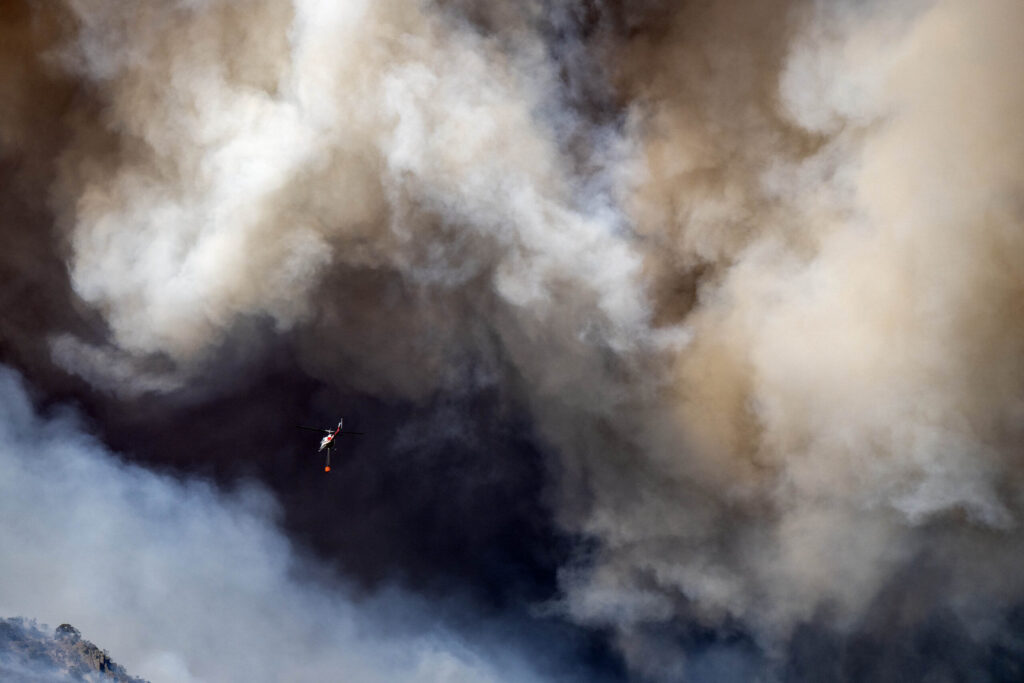
Gov. Polis asks residents not to use fireworks as wildfires burn
Rachael Wright, Special to Colorado Politics
rachael.wright@coloradopolitics.com
Updated 9 hours ago
While Gov. Jared Polis said he will not issue a statewide fire ban, Colorado’s top political leader urged residents against using fireworks as the country heads into the July 4 weekend. “We are encouraging the people of Colorado to exercise...
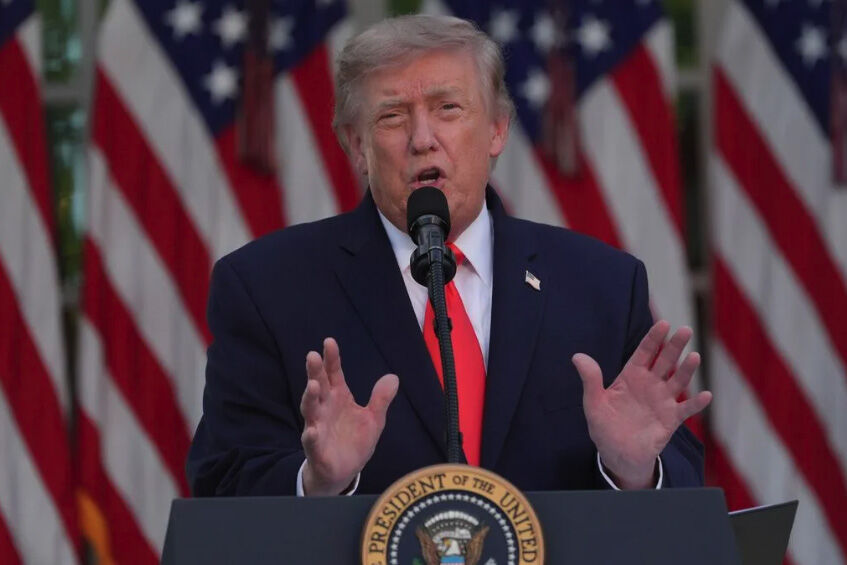
Trump says communism greater threat than WWI, WWII, 9/11, and Pearl Harbor
Naomi Lim
naomi-lim@coloradopolitics.com
Updated 11 hours ago
President Donald Trump compared the rise of socialism to the Sept. 11 terrorist attacks. Trump was asked about the possible rise of more socialist candidates after three candidates New York City Mayor Zohran Mamdani endorsed last week won their Democratic...
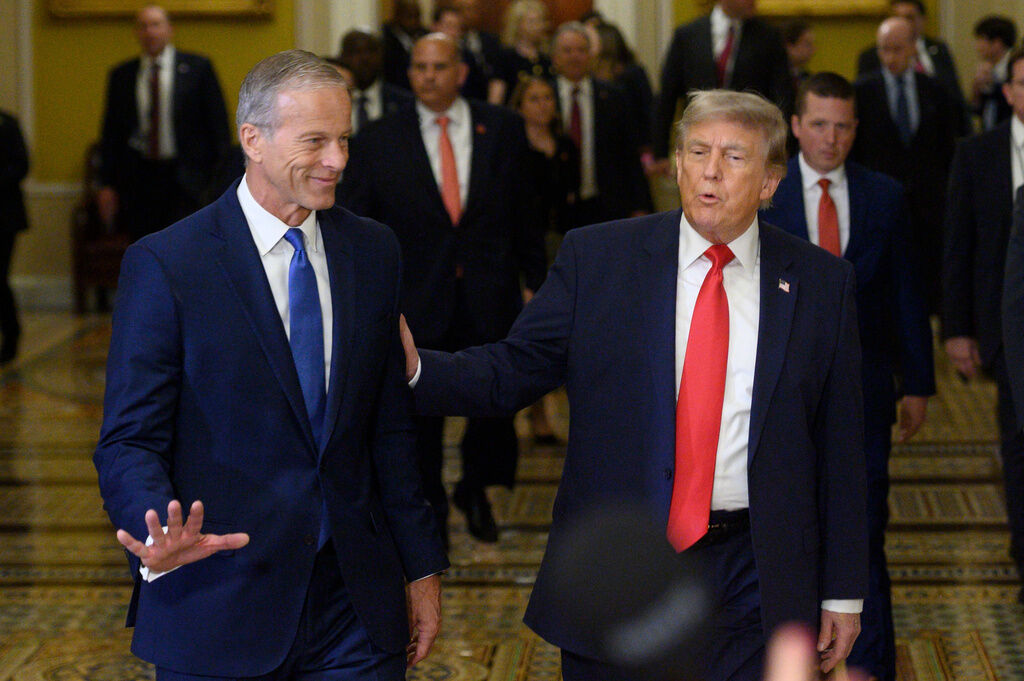
GOP doubles down on SAVE America Act after Supreme Court allows mail ballots to be counted late
Lauren Green
lauren-green@coloradopolitics.com
Updated 11 hours ago
Congressional Republicans continue to push the voter identification bill — that has left Washington in grid lock for months — after the Supreme Court ruled states can count mail-in ballots that arrive after Election Day. The 5-4 decision rejected a...
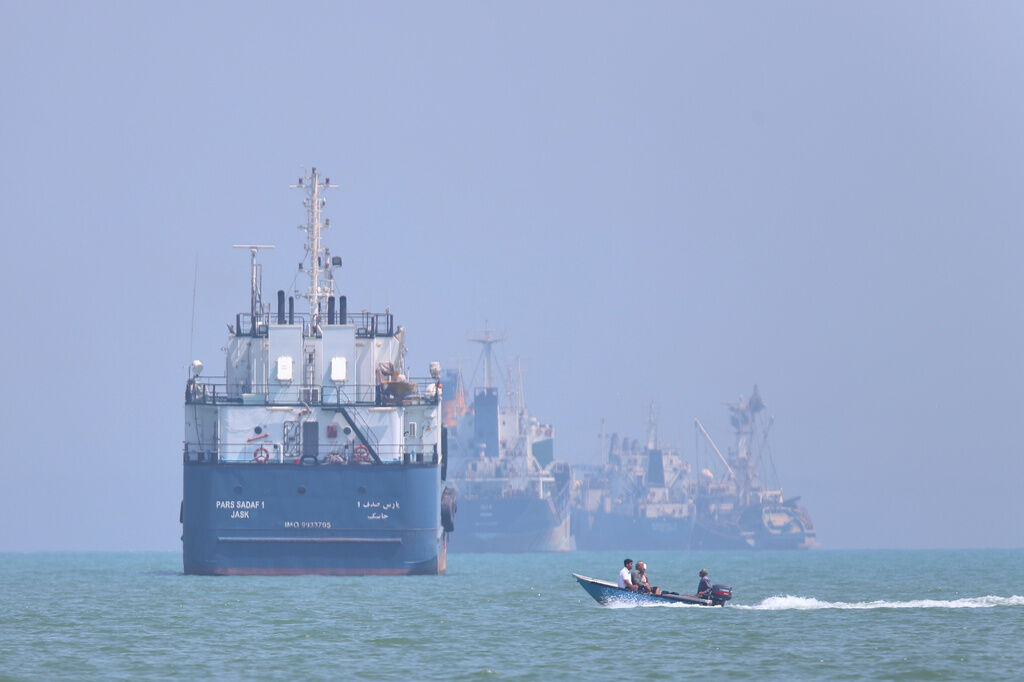
US and Iran to cease strikes and discuss Strait of Hormuz this week: Report
Carter Schroppe
carter.schroppe@washingtonexaminer.com
Updated 13 hours ago
Officials from the United States and Iran will meet in Qatar this week to discuss the Strait of Hormuz after agreeing to “halt strikes” following a weekend of intermittent fighting between the two countries. The meeting, scheduled for Tuesday in...
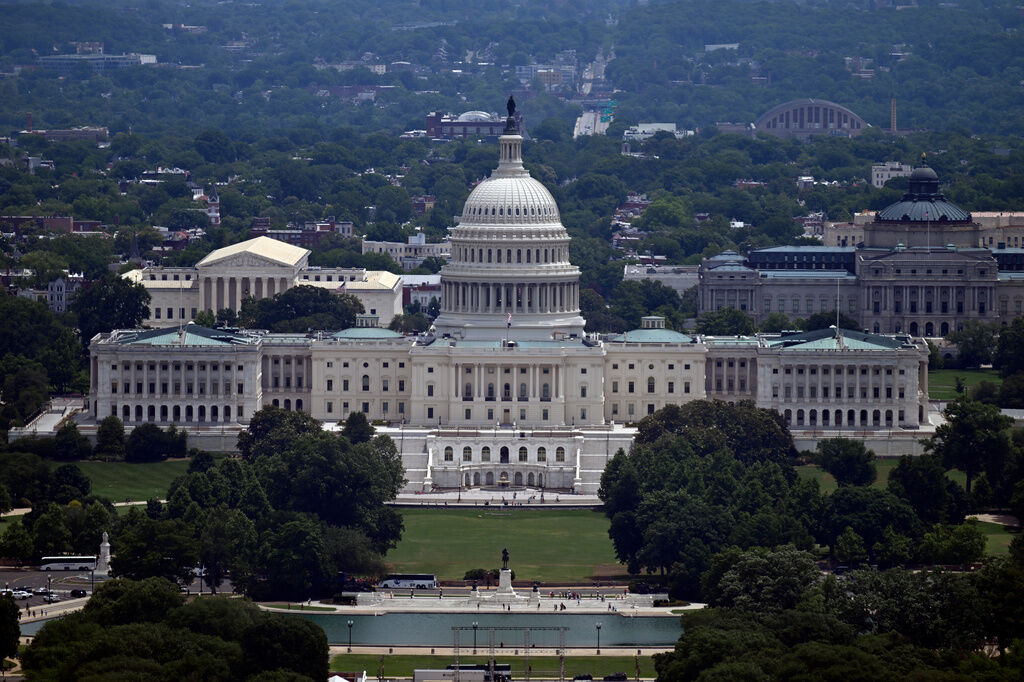
Congress is struggling to get its work done and a new report argues for 21st-century upgrades
Kevin R. Kosar
kevin-r-kosar@coloradopolitics.com
Updated 13 hours ago
The news coming from Capitol Hill over the past couple of weeks has left much to be desired. Congress has had difficulty discharging its lawmaking duties. The Senate’s appropriations committee is at loggerheads over how much spending to authorize. The...
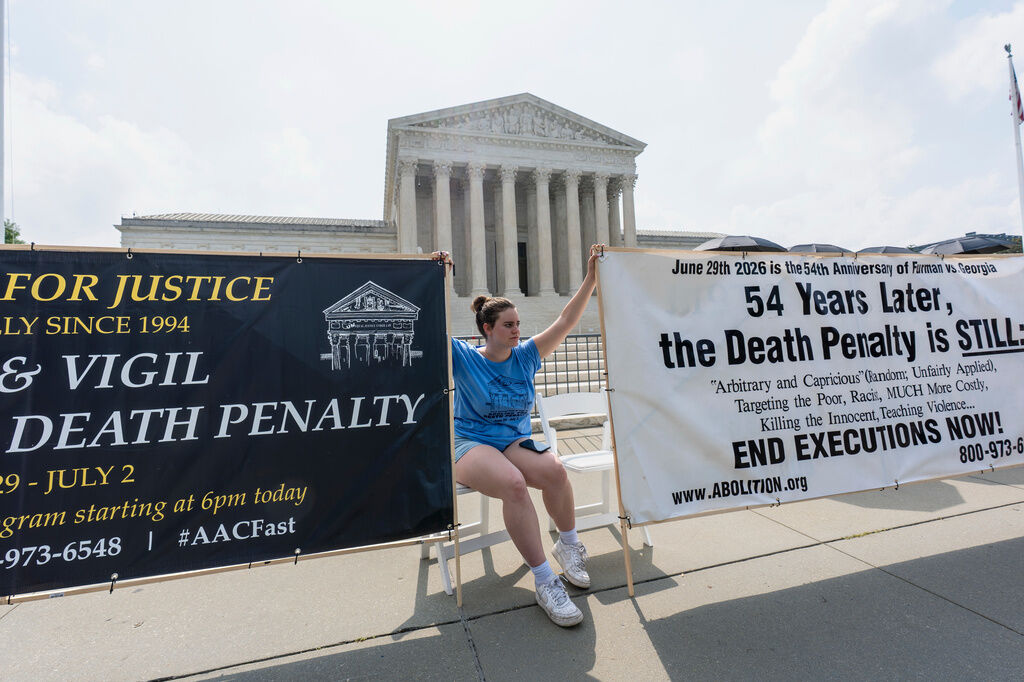
Supreme Court rules constitutional privacy protections apply to cellphone users location history
The Associated Press
the-associated-press@coloradopolitics.com
Updated 13 hours ago
WASHINGTON (AP) — The Supreme Court held Monday that constitutional privacy protections extend to cellphone location information, ruling in the case of a bank robber whose identity was discovered through a geofence warrant. Justice Elena Kagan wrote for the 6-3...
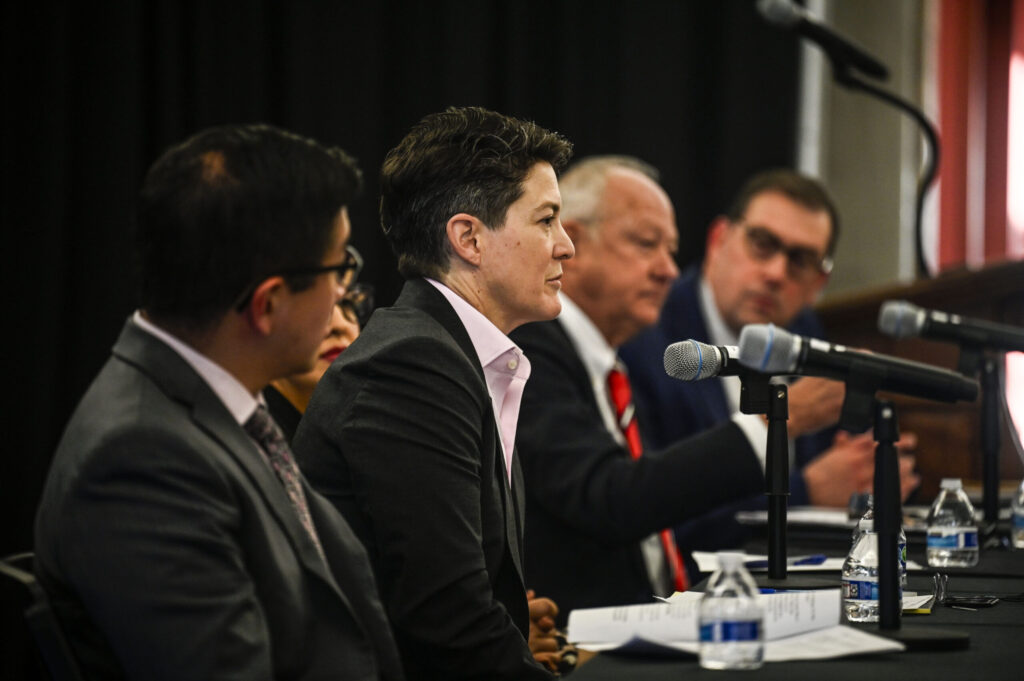
Colorado justices say group that spent $4M on ballot initiatives does not have to disclose donors
Michael Karlik
michael.karlik@coloradopolitics.com
Updated 13 hours ago
The Colorado Supreme Court ruled on Monday that an organization that spent $4 million to advocate on ballot initiatives in the 2020 election is not required to disclose its donors and spending. The Supreme Court acknowledged that multiple factors suggested...
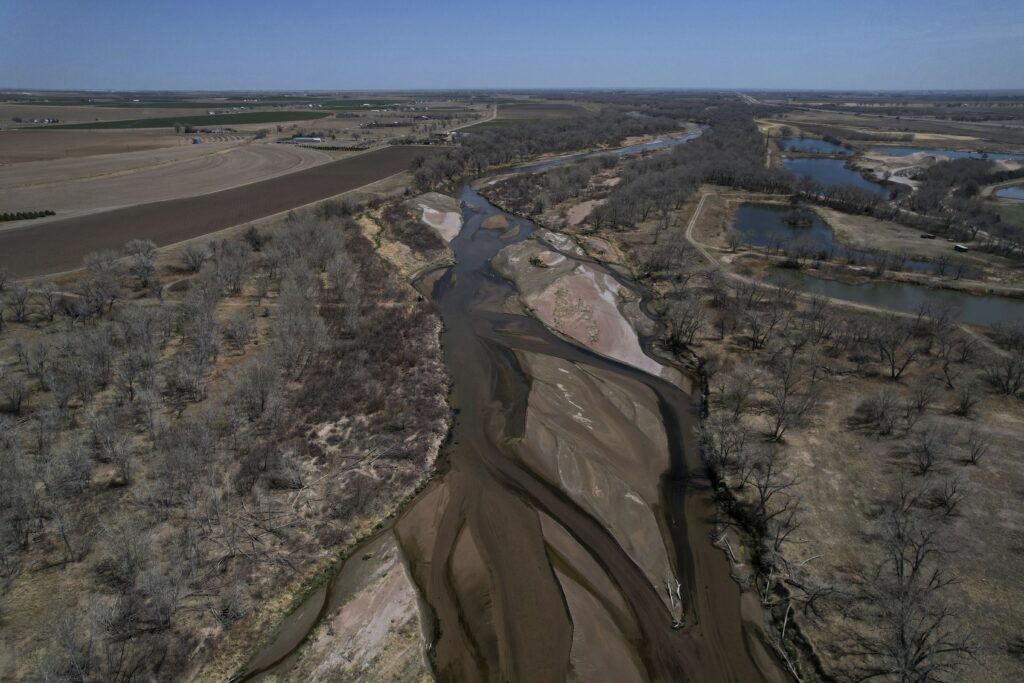
Colorado–Nebraska water clash heads to US Supreme Court as canal fight intensifies
Marianne Goodland
marianne.goodland@coloradopolitics.com
Updated 10 hours ago
The U.S. Supreme Court on Monday agreed to hear Nebraska’s lawsuit against Colorado over the Perkins County canal, a move that advances a legal dispute likely to take years to resolve. The proposed Perkins County canal would run through land...
PREV
PREVIOUS

Colorado State University president stepping down in July
FORT COLLINS – The president of Colorado State University is stepping down in July, when he will begin working full time as the chancellor of the CSU system. Tony Frank has been president of CSU for a decade, overseeing record enrollment and donations and campus construction. In 2015, chancellor duties were added. Frank said Sunday […]

New Mexico trains Native American interpreters for election
LAGUNA PUEBLO, N.M. – New Mexico election officials say Native American interpreters are being trained for a series of official ads that will run ahead of the Nov. 6 election. The Secretary of State’s Office says the ads will air on radio stations that cover areas where tribes and pueblos are located. The announcement followed […]