Energy secretary says U.S. must grow capacity, lower price during Colorado visit
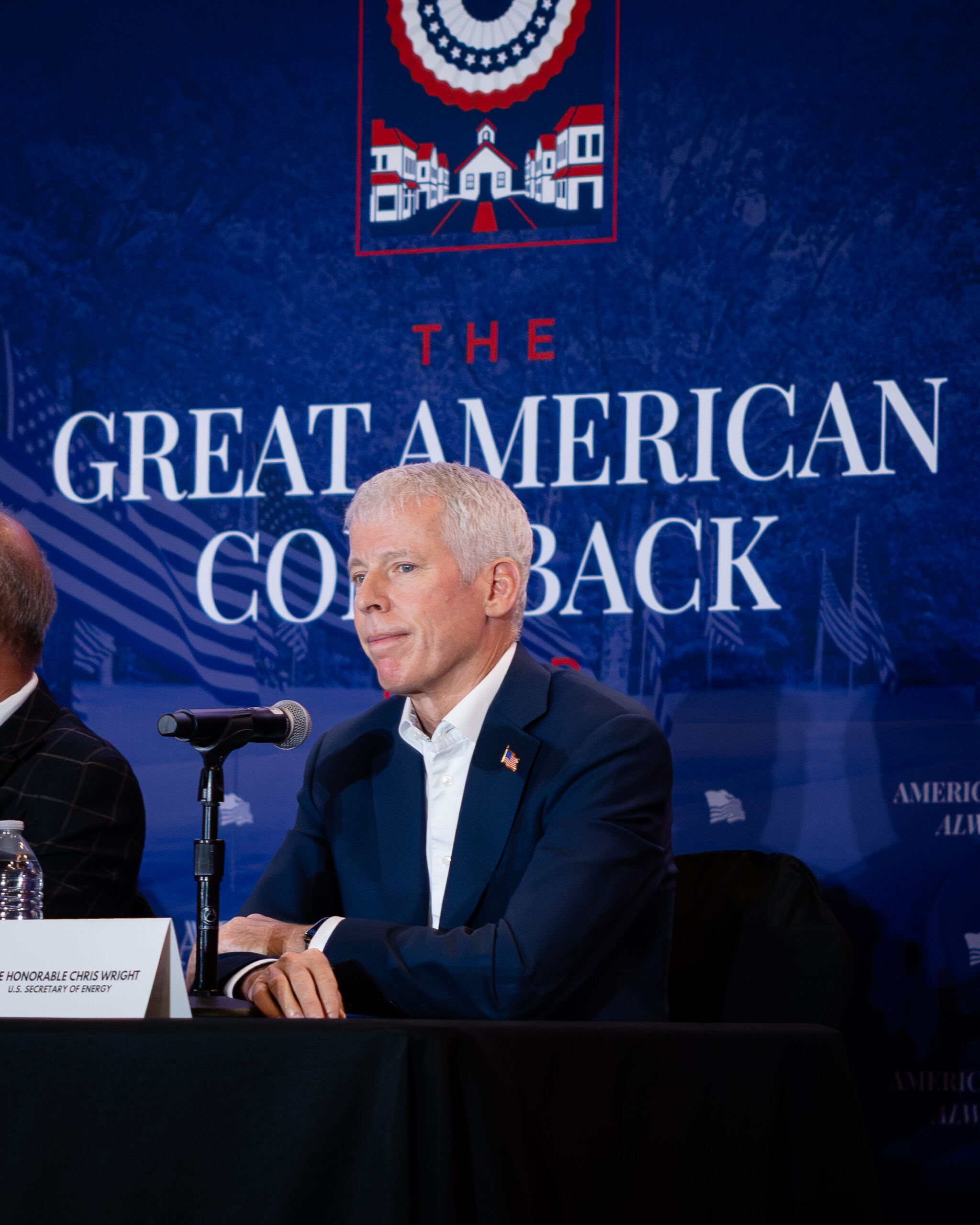
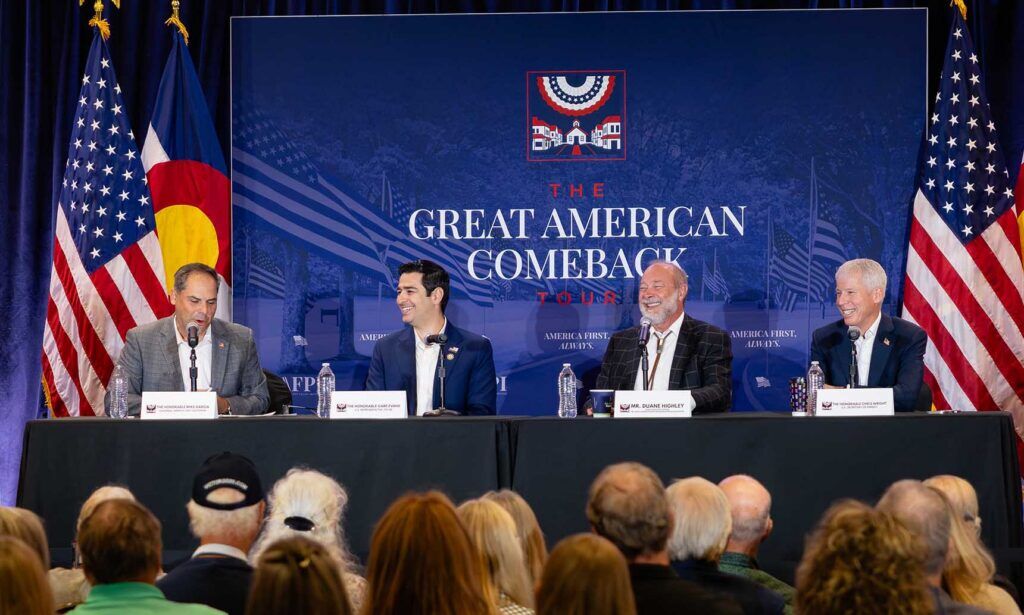
As a heatwave in the U.S. and Europe punctuated widespread calls for recommitments to solar and other “renewable” sources, U.S. Secretary of Energy Chris Wright doubled down on America’s current policy, telling a Thornton crowd on Monday that energy goals would be fixed on increasing the nation’s capacity — no matter what the source.
“I went to college to work on fusion energy. I worked on solar energy in graduate school, and geothermal energy right after,” Wright told the Colorado audience.
“I don’t care where the energy comes from,” Wright said. “The lights are kept on by gas, coal and nuclear. We have got to grow the capacity, and we are majorly focused on that.”
Wright’s visit to Colorado coincides with new calls for less reliance on conventional fuels, sparked by heatwaves across the continent and in Europe. The other side of that debate has maintained that Europe, America and the rest of the world would be better served with abundant energy supply that can cool homes and offices during the summer and provide heat during the winter.
New reactor designs
Wright, just back from a visit to the Idaho National Laboratory, said that the moment will be remembered not for the heat wave — but for the startup of two advanced reactor designs that were tested this month at U.S. sites.
“For the first time in more than four decades, a new, privately developed non-light-water reactor has reached criticality in the United States,” Wright said.
On June 4, a design by Antares Nuclear completed a criticality demonstration at the IDL, Wright noted. The federal energy office later said that the test confirmed that the reactor could operate safely and would establish a basis for future reactors to produce electricity in 2027 and beyond.
Wright cited the achievement as having been fostered by a presidential executive order in May of 2025.
Wright said that a second reactor startup in Utah had been successful on June 18, and that he hoped for two more nuclear project startups leading into July 4 — a target deadline that had been named in last year’s executive order by President Donald Trump.
“We will look back in history to remember this pivot, not just in nuclear energy but in America’s energy,” Wright told the audience. “It takes a small amount of material to make a lot of energy. We are going to make that nuclear renaissance that we have been talking about for 20 years.”
Worldwide solar and wind capacity
Wright said his administration at DOE had seen cuts of what had amounted to a half trillion dollars in energy subsidies over recent decades and that he had focused on cutting DOE loan programs that were not tied to decreasing energy costs.
“Most of these energy subsidies make energy more expensive,” he added. “We will not lend a dollar that won’t be paid back.”
Wright said that, over recent times, some $10 trillion had been spent worldwide on a mix of solar, wind, batteries and transmission capabilities to remote sites. The return, Wright said, had been for around 3% in worldwide capacity, just over 3% in the U.S.
According to sources, Wright has often used the 3% figure in defining the contribution of solar and other renewables to “global primary energy,” a figure that includes all energy expenditures, including transportation. Other sources use a variety of other figures, including 17.3% as a contribution with respect to worldwide electric power grids.
“The fact that this kind of heat is exactly what scientists have long said would happen if humans continued burning fossil fuels, destroying forests, and otherwise pumping planet-warming gases into the atmosphere,” reported Covering Climate Now, a platform launched by the Columbia Journalism Review, mirroring the widespread framework when reporting about energy.
Wright’s visit to Colorado also coincided with a fluctuation in prospects for an early end of the war in the Persian Gulf, which had increased energy costs here and elsewhere since the attacks on the Islamic Republic of Iran and the latter’s retaliatory strikes against its neighbors.
Gas prices have fallen nationally over recent weeks as a final peace agreement seemed within reach.
Wright told the gathering that, in recent months, the U.S. had emerged as the world’s largest oil exporter, exceeding exports by Saudi Arabia and Russia, and that America had continued to be the world’s largest exporter of natural gas.
He added that U.S. exports of liquefied natural gas are cutting world greenhouse gas emissions because of their improved emissions performance with respect to coal, fuel oil and other fossil fuel sources.
The America First Policy Institute, which hosted the event Monday, is a Washington, D.C.-based research and policy think tank

Gov. Polis asks residents not to use fireworks as wildfires burn
Rachael Wright, Special to Colorado Politics
rachael.wright@coloradopolitics.com
Updated 1 hour ago
While Gov. Jared Polis said he will not issue a statewide fire ban, Colorado’s top political leader urged residents against using fireworks as the country heads into the July 4 weekend. “We are encouraging the people of Colorado to exercise...
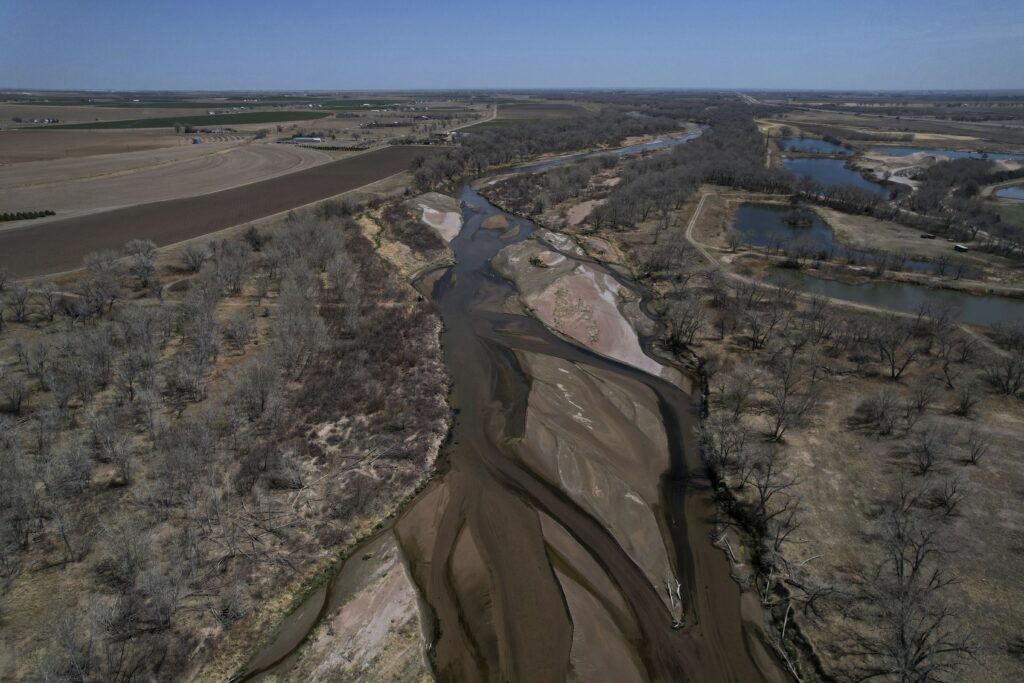
Colorado–Nebraska water clash heads to US Supreme Court as canal fight intensifies
Marianne Goodland
marianne.goodland@coloradopolitics.com
Updated 2 hours ago
The U.S. Supreme Court on Monday agreed to hear Nebraska’s lawsuit against Colorado over the Perkins County canal, a move that advances a legal dispute likely to take years to resolve. The proposed Perkins County canal would run through land...

3 firefighters who died fighting Snyder Mesa fire identified; one once worked as a snowmaker in Vail
Rachael Wright, Special to Colorado Politics
rachael.wright@coloradopolitics.com
Updated 8 minutes ago
Federal authorities on Monday identified the three firefighters who died responding to the Knowles Fire at the Colorado-Utah border, one of whom once worked for a resort in Vail. Across Colorado, several fires are burning, with zero containment in what...
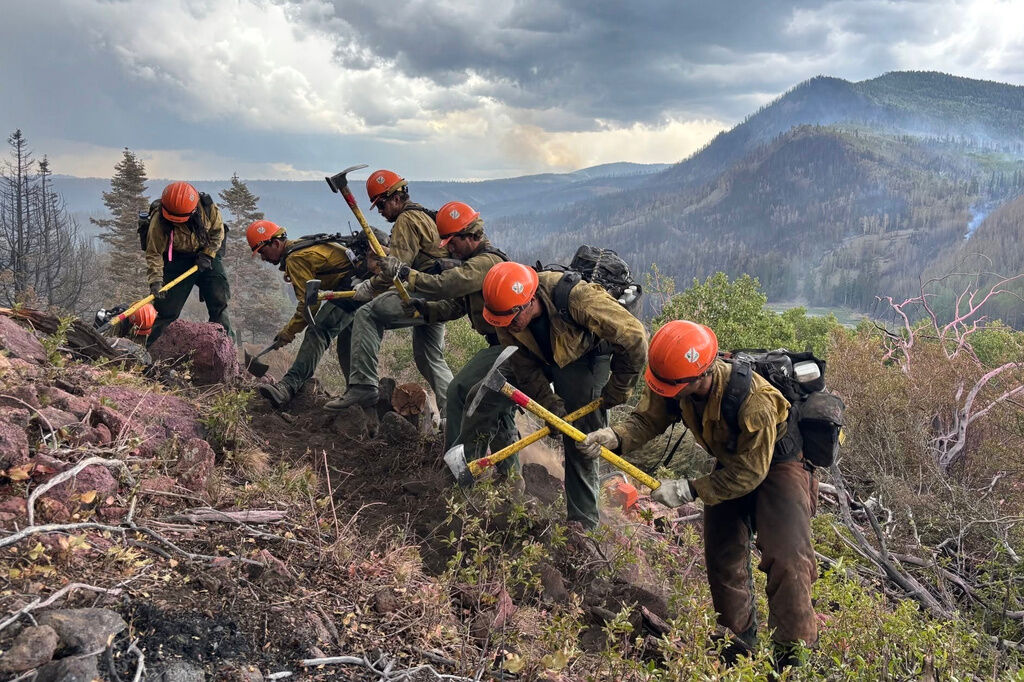
Colorado, Utah mourn after 3 firefighters killed in wildfires
Nicholas Fogleman
nicholas.fogleman@denvergazette.com
Updated 1 day ago
Gov. Jared Polis on Sunday mourned the deaths of three firefighters killed while battling a wildfire on the Colorado-Utah border, calling the loss a tragedy for the state and the firefighting community. The firefighters died Saturday while responding to a...
Crank challenger Jessica Killin signs on to new centrist Democratic group’s ‘Promise to America’
Ernest Luning
ernest.luning@coloradopolitics.com
Updated 1 hour ago
Jessica Killin, one of the Democrats running in Tuesday’s primary for the chance to challenge U.S. Rep. Jeff Crank in Colorado’s 5th Congressional District, joined with more than a dozen incumbent Democratic lawmakers and candidates this week signing on to...
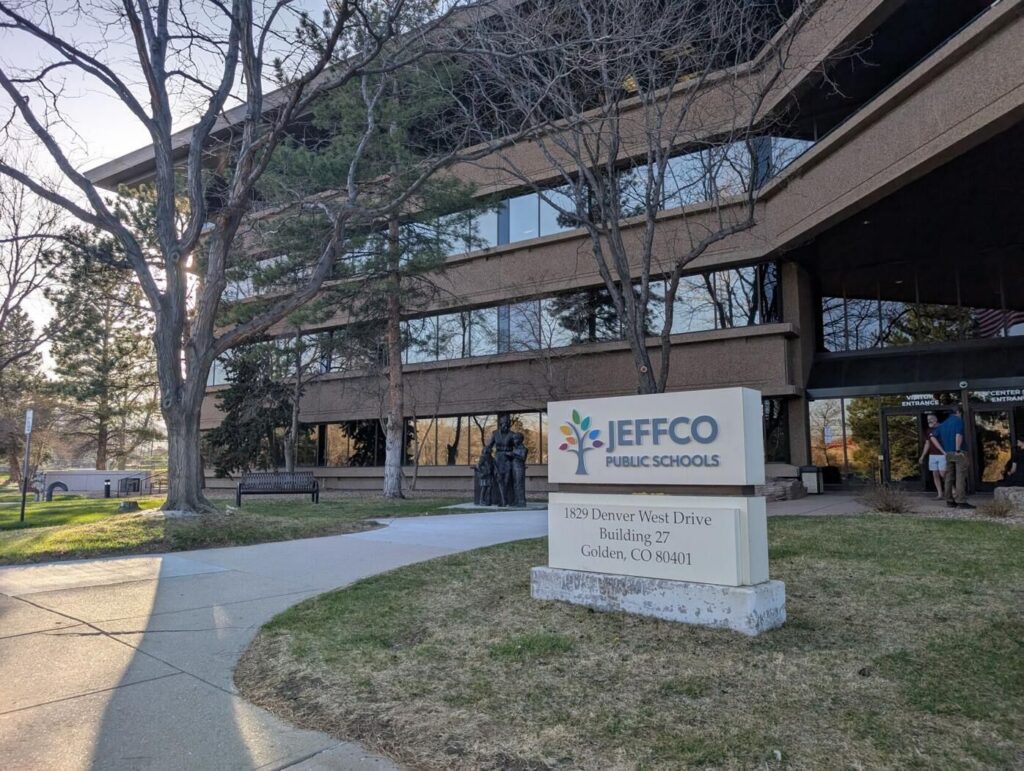
Trump administration warns Jeffco Public Schools it will lose federal funding over transgender issue
Matt Kyle
matt.kyle@denvergazette.com
Updated 6 hours ago
The U.S. Department of Education on Friday warned Jeffco Public Schools it has 10 days to correct alleged Title IX violations over the Colorado district’s transgender policy or lose federal funding. The Notice of Impending Action is the latest development...
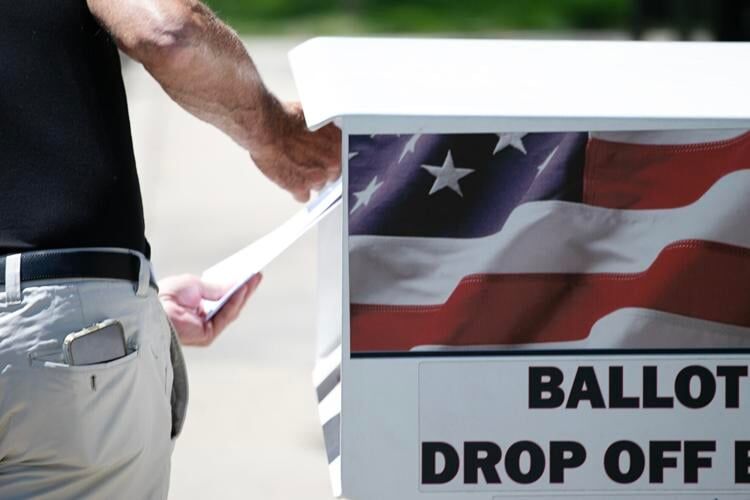
Who’s spending in Colorado to get your vote?
Marianne Goodland
marianne.goodland@coloradopolitics.com
Updated 2 days ago
Groups that raise unlimited amounts of money have spent about $20 million in May and June to try and influence Colorado voters’ choices in the upcoming June 30 primaries. By law, these groups cannot coordinate with the candidates they support....
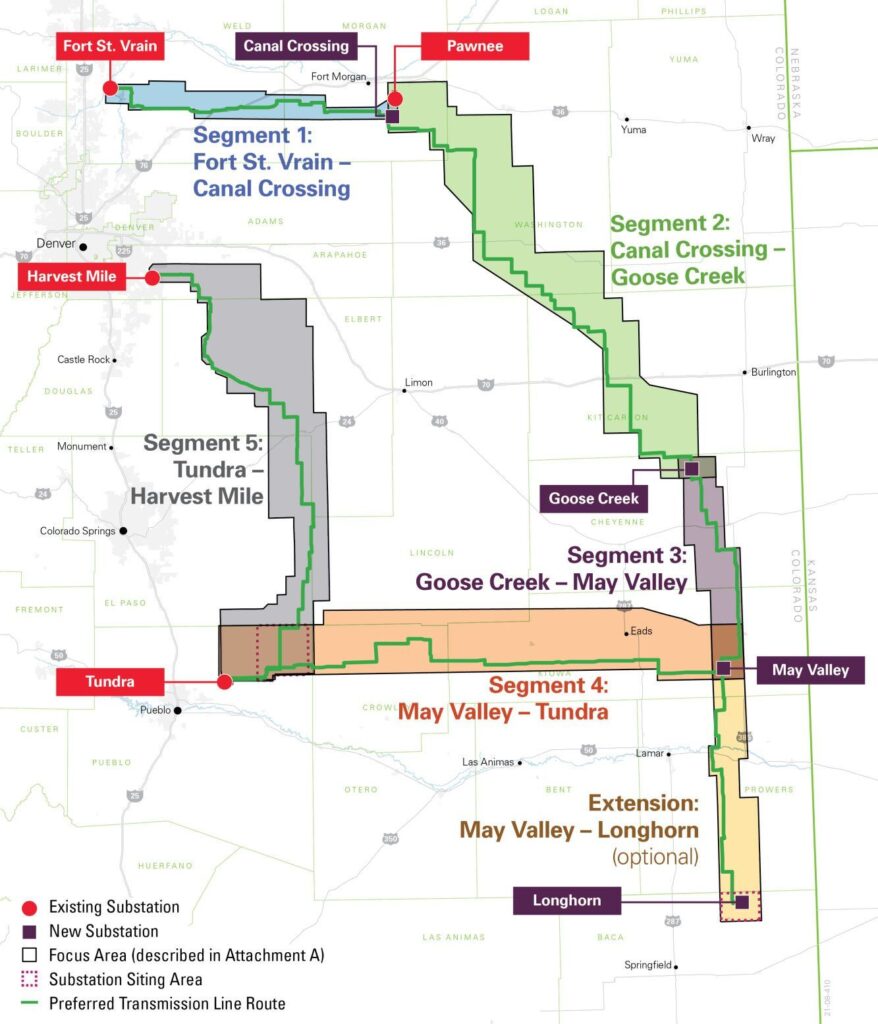
Elbert County takes transmission dispute with Xcel to court
Scott Weiser
scott.weiser@gazette.com
Updated 6 hours ago
Elbert County filed a lawsuit in Elbert County District Court to challenge the state’s approval of Xcel Energy’s preferred route for a major transmission line, marking the latest escalation in a dispute over how much weight local land-use decisions should...
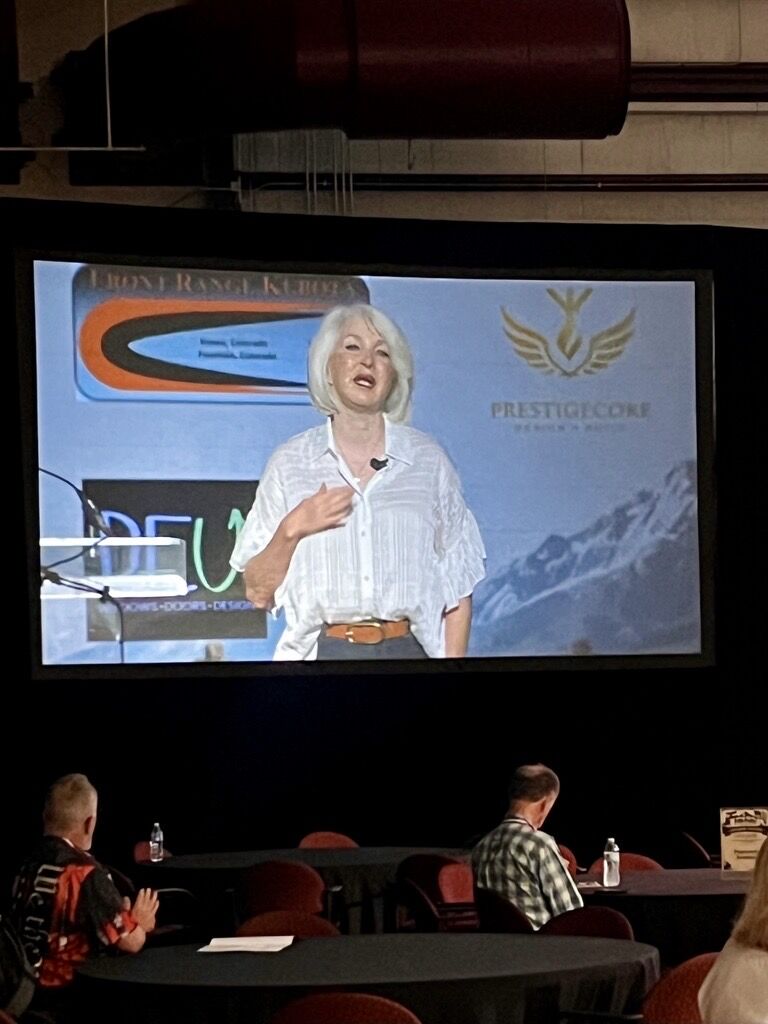
Tina Peters tells supporters to ‘stand up and fight back’ at Castle Rock event
Marissa Ventrelli
marissa.ventrelli@coloradopolitics.com
Updated 3 days ago
Tina Peters, the former Mesa County clerk recently released from prison, warned supporters that what happened to her could happen to them, too, if they did not “stand up and fight back” at an event at the Douglas County Fairgrounds....
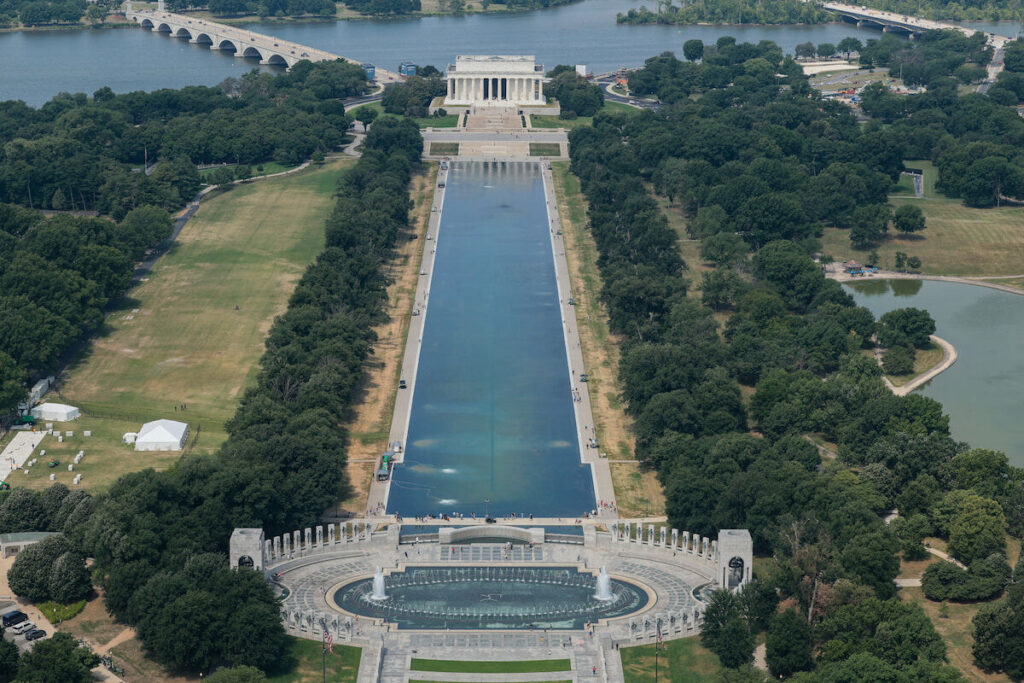
Colorado to participate in Great American State Fair in Washington
Marissa Ventrelli
marissa.ventrelli@coloradopolitics.com
Updated 2 days ago
Visitors to Washington, D.C. for the country’s 250th anniversary will have the opportunity to learn about Colorado’s natural beauty and culture during the Great American State Fair, a World’s Fair-style event that opened Thursday at the National Mall. While all...