

10 things to watch in the 2018 Colorado legislature

Cloud of harassment
Four legislators, two Republicans and two Democrats, stand accused of sexual harassment, while others have leveled accusations or taken sides. If lawmaking is about relationships, then both could be strained in the early going.
A surplus for roads?
A December revenue forecast suggested the legislature might have unforeseen hundreds of million of dollars to spend next year. If Republicans can steer that money into transportation, it could detour a much-discussed November vote on a new statewide tax for transportation.
Dodgeball with drilling
With energy development likely to play a role in the governor’s race, expect Republicans and Democrats to try to score points on local drilling rules with partisan, ill-fated bills aimed at toughening or defending existing regulations.
Curb the crazy
No one knows where the electorate will be on President Trump or the GOP tax cuts and the economy next November. Neither side can wander too far from the middle without risking alienating local voters from local candidates with doomed “message” bills on divisive issues. Only one seat secures the GOP majority in the Senate.
Defend Sen. Beth Martinez Humenik
Speaking of that majority, protecting it is job No. 1 for Senate Republicans this year. Humenik sits in a swing seat in Thornton, and she will be facing a well-known, well-financed Democrat in Rep. Faith Winter. On the other hand, Democrats hold an open Senate seat in Lakewood that could be a toss-up. Democratic Rep. Brittany Pettersen hopes to keep the seat in her party’s hands, but she faces Republican Tony Sanchez, who has an early lead in the money race.
Non-neutral on net neutrality
Democrats across the country pounced on the FCC’s elimination of net neutrality. Democrats in Washington and Colorado are expected to try to enforce state consumer protections, in spite of the Trump administration effort to deregulate providers. Those providers could charge websites more for higher speeds, a cost likely passed on to customers. Democratic Reps. Leslie Herod and Chris Hansen, both of Denver, pledge to run a net neutrality bill to protect Coloradans that could remind voters that it’s Republicans who are messing with their internet.
A new way of budgeting
House Republicans think the budget should be written more by committees of reference involving all the legislature, not just six members on the Joint Budget Committee. Can they win over enough Democrats to rewrite the rules? House Minority Leader Patrick Neville of Castle Rock and Assistant Minority Leader Cole Wist of Centennial believe there’s enough momentum and bipartisanship to do just that in 2018.
Son of 267
The failed special session in October left the job of fixing a glitch in the landmark 2017 legislation to this year’s General Assembly. Republican Sen. Jerry Sonnenberg of Sterling and Rep. Jon Becker of Fort Morgan were co-sponsors on the bill designed to save rural hospitals but accidentally stripped a handful of special districts of marijuana sales tax revenues. Both lawmakers have said they will have no hand in a fix this session. Then who will, how soon and does a delayed fix look like something other than a tiff with the Democratic governor?
Cake dictates fate
On Dec. 5, the U.S. Supreme Court heard arguments on the Masterpiece Cakeshop appeal of a Colorado Civil Rights Commission decision. Jack Phillips, the owner of the Lakewood bakery who refused to make a wedding cake for a same-sex couple, claimed it violated his religious beliefs. The couple sued and the commission sided with them, eventually pushing the legal fight to the nation’s highest court. If the high court, with a 5-4 conservative majority, rules in Phillips’ favor, that would be a strike against the commission as it faces reauthorization this session. The Senate Republican majority wants changes.
ACA/CHIP woes come home
The legislative Joint Budget Committee has signed off on a request from the governor to continue funding for Colorado’s Child Health Plan Plus, which pays for health care for low-income children and pregnant women. But that money runs out on Feb. 28. Congress is expected to take up an extension of the federal program after the holiday recess, but until there’s a fix, Colorado lawmakers could be faced with trying to find ways to keep the program afloat.

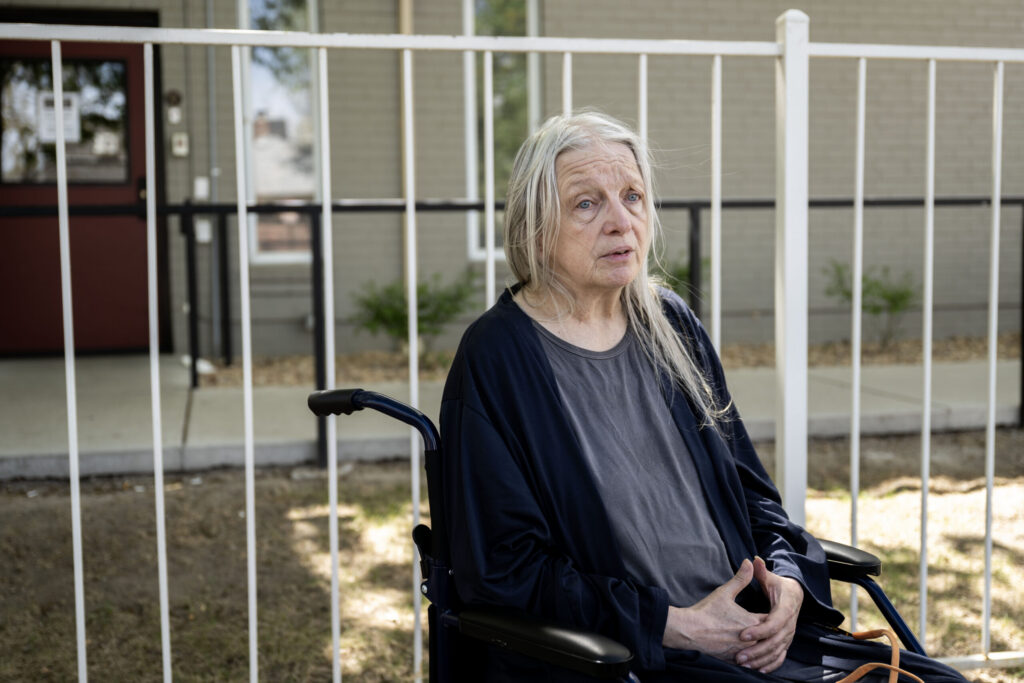
Assisted-living facility in Colorado faced minimal fine after death of 73-year-old man
Jenny Deam
jenny-deam@coloradopolitics.com
Updated 18 hours ago
On Jan. 6, just after 8:30 p.m., Robert Dutkevitch rolled his wheelchair onto the smoking patio outside The Argyle assisted-living facility in Denver. Minutes later, the 73-year-old suddenly slumped in his chair, his head lolling to the side. He then...

Governor OK’s funding for summer food assistance for Wyoming kids | OUT WEST ROUNDUP
The Associated Press
the-associated-press@coloradopolitics.com
Updated 3 days ago
WYOMING Governor funds kids’ summer meals Gov. Mark Gordon secured funding for a summer food assistance program for kids and directed its implementation through an executive order. After the Wyoming legislature declined to fund the SUN Bucks program—designed to provide...

Trump says suspect was armed with multiple weapons at White House correspondents’ dinner
Alanna Durkin Richer
alanna.durkin.richer@associatedpress.com
Updated 13 hours ago
WASHINGTON (AP) — President Donald Trump is addressing reporters at the White House after he and other top leaders of the United States were evacuated from an annual dinner of White House correspondents on Saturday night after a shooting incident...
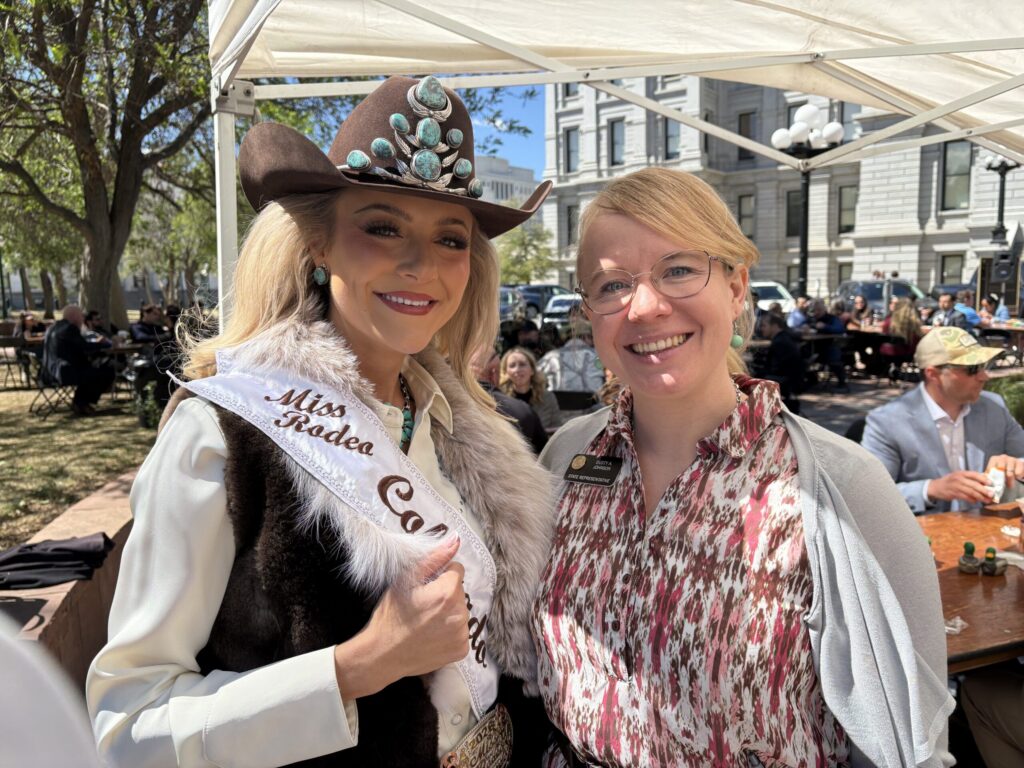
Mountain Lion/Pheasant Green Chile a hit! | Capitol M | Week of April 25, 2026
Marianne Goodland
marianne.goodland@coloradopolitics.com
Updated 14 hours ago
The lighter side of the state Capitol, although if you were eating at the barbecue Thursday, you are probably not any “lighter.” With the arrival of spring comes outdoor barbecues at the state Capitol, and the most unusual is the...
Domestic violence rises in Colorado, state rep. seeks to fight back | A LOOK BACK
Rachael Wright, Special to Colorado Politics
rachael.wright@coloradopolitics.com
Updated 3 days ago
Forty-Five Years Ago This Week: A bill sponsored by Rep. Jeanne Faatz’, R-Denver, House Bill 81-1336, was the final compromise bill intended to counteract the rising tide of domestic violence in Colorado. According to FBI figures, 40,000 women in 1980...

Passenger train service from Denver to Fort Collins? | Cronin and Loevy
Tom Cronin Bob Loevy
tom-cronin-bob-loevy@coloradopolitics.com
Updated 10 hours ago
A “Joint Service” plan is being developed that would bring passenger rail service from Denver north to Fort Collins by 2029. The passenger trains would be paid for with existing funds from the Denver Regional Transportation District (RTD) and other...

The applicability of Hungary’s election to our politics | SONDERMANN
By Eric Sondermann
by-eric-sondermann@coloradopolitics.com
Updated 5 days ago
American conservatives, largely synonymous these days with MAGA save for a few lonely voices of courage and dissent, have plenty to lament. Their domination of the political landscape is waning. Various special elections hither and yon have presented bright, flashing...

Colorado Politics Calendar Apr. 27-May 3
Rachael Wright, Special to Colorado Politics
rachael.wright@coloradopolitics.com
Updated 4 days ago
CoPo’s weekly political calendar will help you find political and public-policy events throughout Colorado. It includes candidate and issue campaign events, public policy meetings, court hearings, state and local party conventions, assemblies, debates, rallies, parades, speaking engagements, traveling dignitary appearances,...

Colorado candidates square off up and down the ballot ahead of primary election
Ernest Luning
ernest.luning@coloradopolitics.com
Updated 2 days ago
With just over two months to go until ballots are counted in Colorado’s primary, candidates are squaring off in high-stakes contests for their party’s nominations in statewide and congressional races approaching the midterm election. For the first time in memory,...
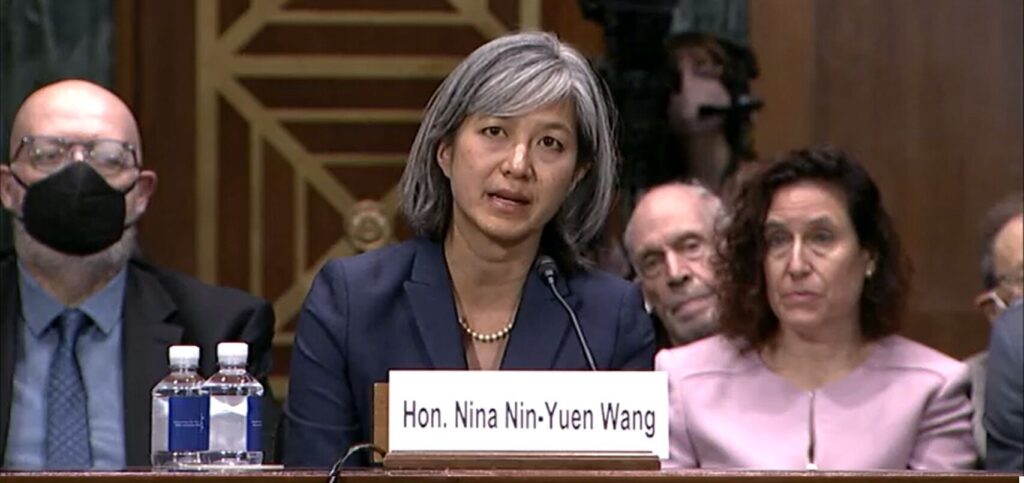
Federal judge tosses class-action lawsuit over poor Vail Resorts experience during strike
Michael Karlik
michael.karlik@coloradopolitics.com
Updated 2 days ago
A federal judge dismissed a plaintiff’s proposed class-action lawsuit last month that sought compensation from Vail Resorts after a ski patrol strike turned a family vacation into a “colossal disaster.” U.S. District Court Judge Nina Y. Wang concluded plaintiff Christopher...
PREV
PREVIOUS

Congressional candidate Levi Tillemann says top House Democrat Steny Hoyer urged him to end primary campaign
Minority Whip Steny Hoyer of Maryland, the No. 2 Democrat in House leadership, encouraged Democrat Levi Tillemann to end his primary campaign in Colorado’s 6th Congressional District during a December meeting at a Denver hotel, saying that state and national congressional and party leaders had decided “very early on” to consolidate their resources behind another […]

Colorado delegation plans to meet on bill to protect marijuana business
WASHINGTON – Members of Colorado’s congressional delegation plan to meet Tuesday to discuss the possibility of legislation to protect the state’s marijuana laws and businesses. A spokesperson for Rep. Diana DeGette, D-Denver, acknowledged the planned meeting to Colorado Politics but provided no additional details. “Rep. DeGette has been involved in bipartisan talks during the last […]