

Smithsonian water exhibit visits Greeley, where politics flowed into utility

The news that H2O Today: Our Global Water Story, a Smithsonian Institution Traveling Exhibition, is taking up an eight-month residency at the Greeley History Museum next month got only a brief mention in the local paper this week.
Water, however, is a huge story for the state’s history, and it happens to run especially deep through Greeley.
The town’s namesake, New York newspaper editor Horace Greeley, invested in and promoted the Union Colony of Colorado on the site of the town that would bear his name. The Union Colony, founded in 1869, harnessed modern, innovative ditch system to turn the South Platte River into the lifeblood of the plains’ farmland.
Moreover, the colony blazed a trail in moving water across Colorado, the historical measure of which is impossible to underestimate.
By April 1870, the Union Colorado had 144 families along with national attention, thanks to Horace Greeley telling Americans to “Go west, young man.”
H20 Today will be at the Greeley History Museum from Sept. 2 to May 20, the Greeley Tribune reported:
Items related to the Greeley Ice and Storage Company, as well as a water clock for Union Colony Ditch No. 3, will be on display. Visitors will also have the opportunity to use an example treadle pump. “H2O Today” is part of the Smithsonian’s Think Water Initiative to raise awareness that water is a critical resource to life. According to a release from the city, the exhibit is sponsored locally by the Cache la Poudre River National Heritage Area and the Poudre Heritage Alliance.
As a significant historical sidenote, Horace Greeley sent his agriculture reporter Nathan Meeker to Colorado, to oversee his investment. Meeker wasn’t up to the task, but politics being what they were, he landed a job as the Indian agent for western Colorado.
Meeker tried to force the Utes into agriculture and away from their hunting and gathering, but the backlash was the Meeker Massacre. The result of that was the removal of Utes from much of their western Colorado land. Meeker is the namesake of the county where he and 11 others died.
I wrote more extensively about Meeker, the massacre and the aftermath in my old job at the Denver Post five years ago. You can read it here.

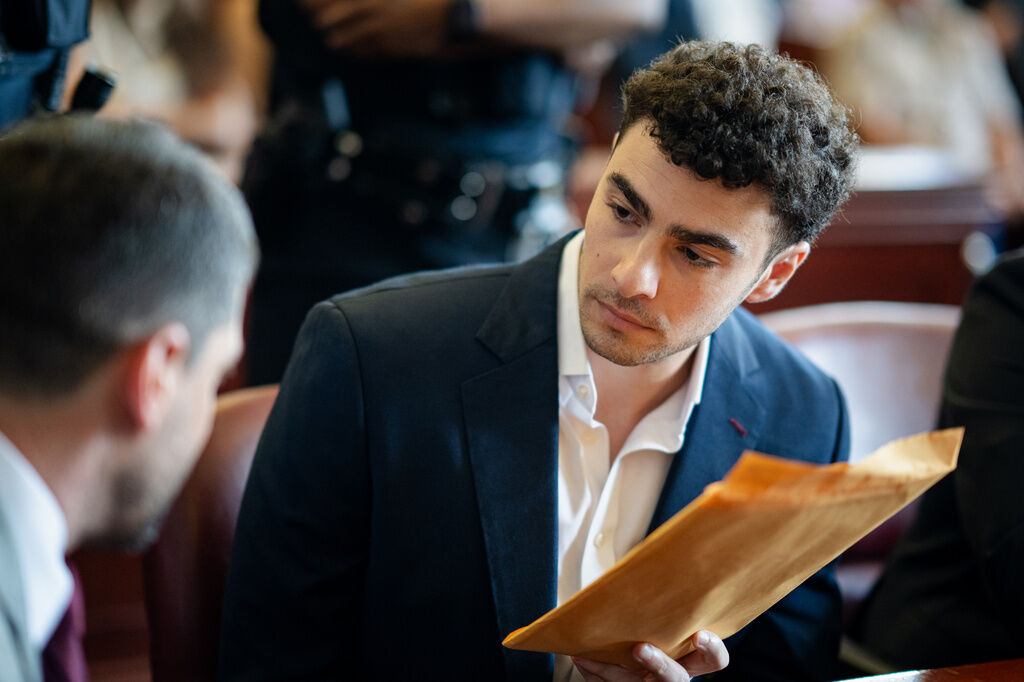
A summertime all-you-can-eat political buffet | SONDERMANN
Eric Sondermann
eric-sondermann@coloradopolitics.com
Updated 4 days ago
We find ourselves in the doldrums of August with a complete dearth of political news. Yeah, right. These days, that train never stops moving. It is a 24/7/365 express amplified by 24/7/365 media. Let me respond with one of my...
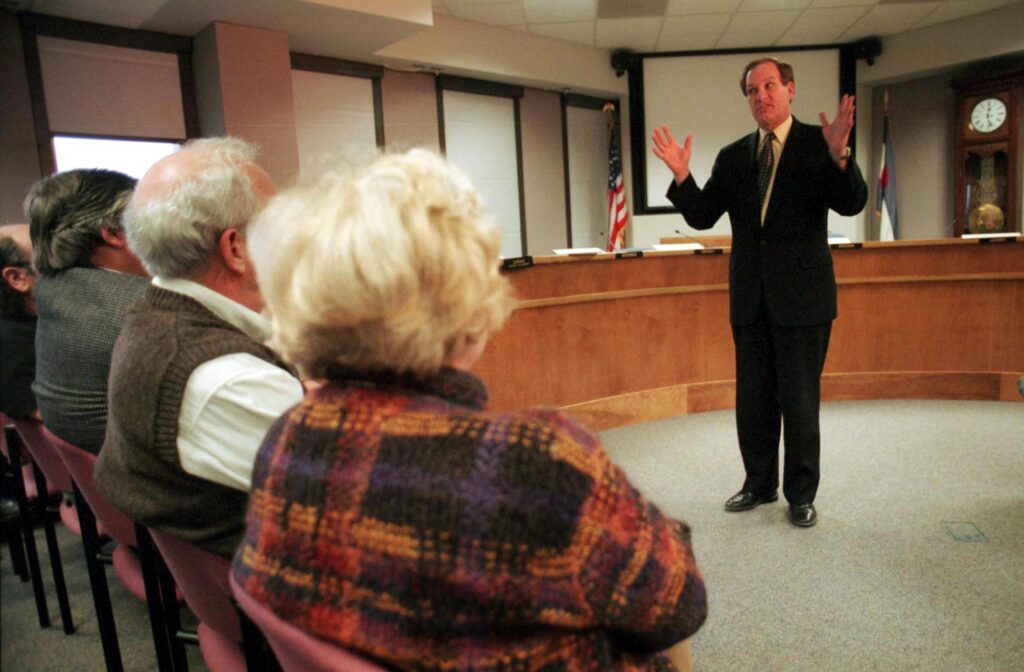
GOP worker pleads guilty to campaign funds embezzlement scheme | A LOOK BACK
Rachael Wright, Special to Colorado Politics
rachael.wright@coloradopolitics.com
Updated 4 days ago
Forty-five Years ago this week: After pleading not guilty to a Denver federal grand jury indictment of five counts of bank embezzlement, Eve Lynn Lincoln, a Colorado Republican Party employee, decided to plead guilty to one count: using bank credit...
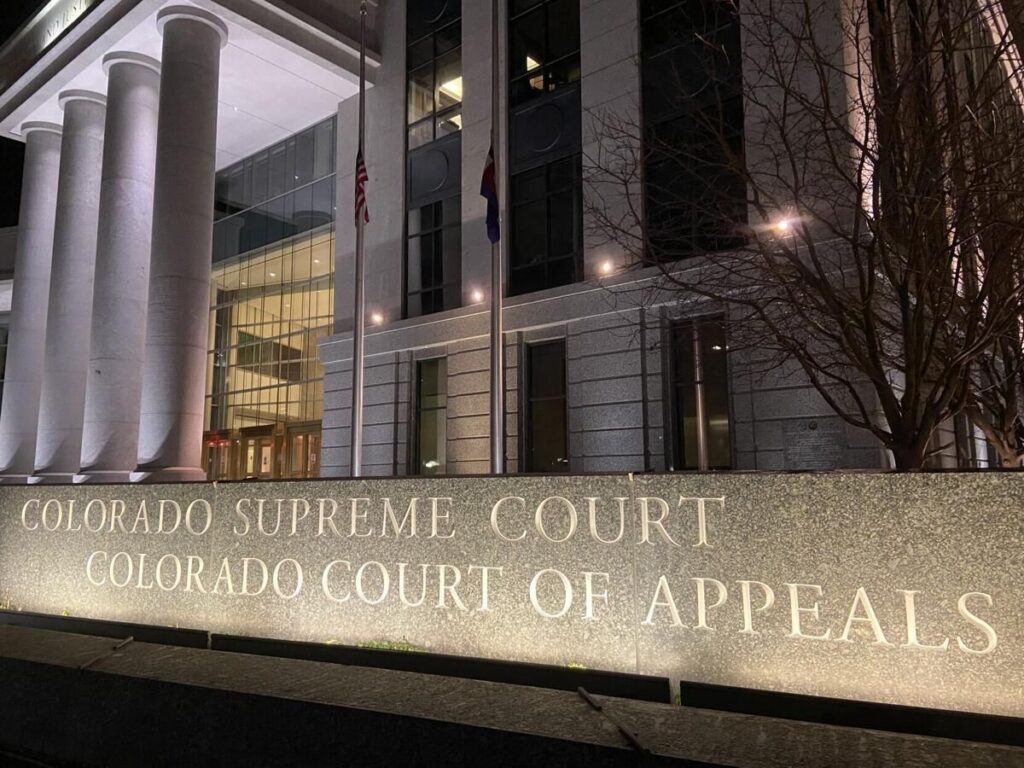
Schoolchildren’s presence at child sex-related trial did not harm Arapahoe County defendant, appeals court says
Michael Karlik
michael.karlik@coloradopolitics.com
Updated 8 hours ago
Colorado’s second-highest court decided on Thursday that the presence of a group of schoolchildren on the first day of a child sexual exploitation trial did not violate an Arapahoe County defendant’s constitutional right to a fair trial. Prosecutors charged Jerry...
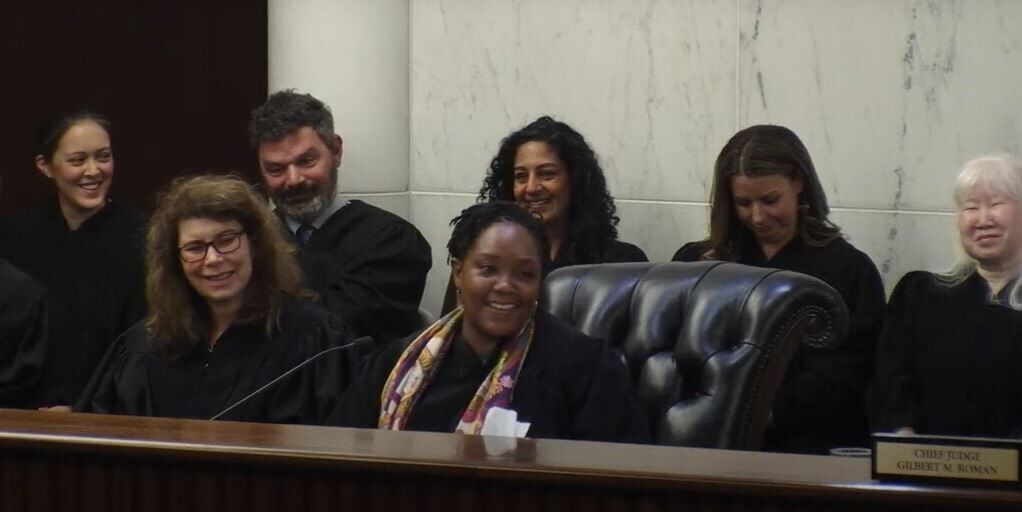
Appeals court cites week-old Colorado law to reinstate child neglect case at child, father’s request
Michael Karlik
michael.karlik@coloradopolitics.com
Updated 5 hours ago
Colorado’s second-highest court invoked a new state law for the first time on Thursday and reinstated a child neglect case that both the child and her father wished to reopen. House Bill 1227 took effect on Aug. 12, reversing a...
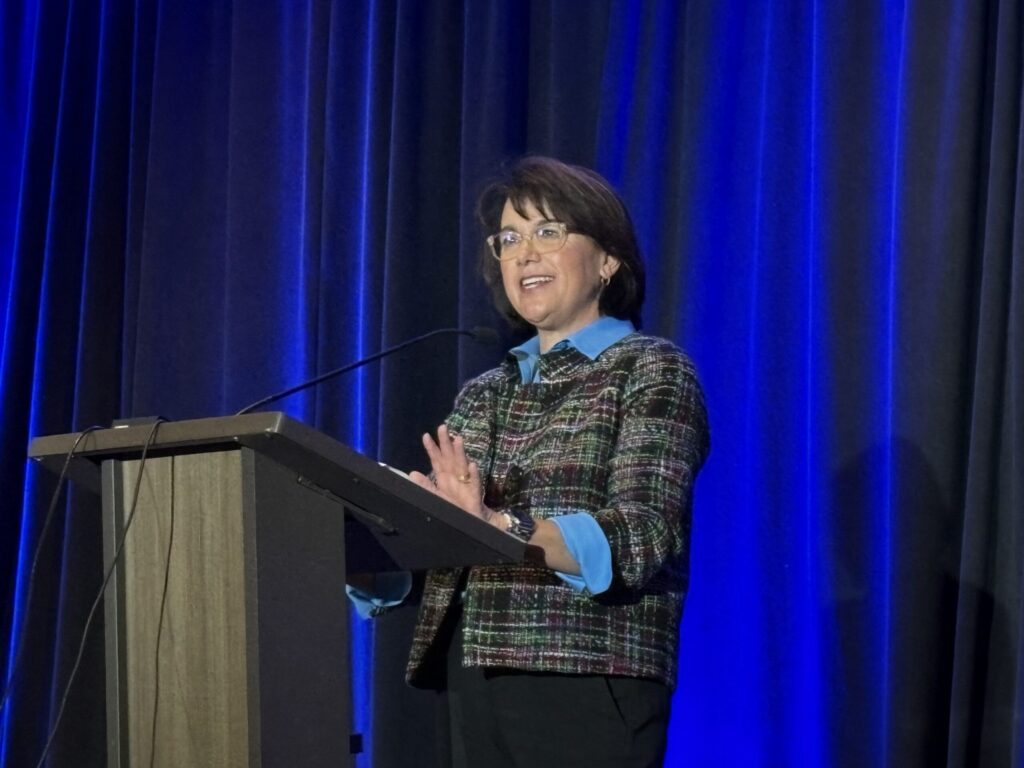
Democratic candidate in Colorado’s 4th CD urges long-term water planning
Marianne Goodland
marianne.goodland@coloradopolitics.com
Updated 4 hours ago
The Democrat hoping to become the next representative of Colorado’s 4th Congressional District on Thursday made her case on the final day of Colorado Water Congress in Steamboat Springs. Eileen Laubacher, who spent 34 years in the U.S. Navy and...

Castle Rock council declines to censure member accused of misconduct
Nicholas Fogleman
nicholas.fogleman@denvergazette.com
Updated 2 days ago
A Castle Rock Town Council meeting Tuesday became consumed by allegations that a councilmember attempted to trade a town policy decision for the withdrawal of a recall effort against him. The allegations against Councilmember Mark Davis surfaced during public comment...

Proposal to cap Colorado income tax rate qualifies for November ballot
Thelma Grimes
thelma.grimes@coloradopolitics.com
Updated 1 day ago
Election officials on Thursday confirmed that the proposal to cap the state’s income tax at the current rate submitted signatures and voters will consequently decide its fate this November. The fight over tax rates is part of the tug and...

Trump reaches deal to halt tariffs on beef for 90 days in bid to lower prices
Rena Rowe
rena.rowe@washingtonexaminer.com
Updated 2 days ago
President Donald Trump announced Friday that he had reached a deal to temporarily ease tariffs on beef imports, saying the move would help lower prices for families as the United States faces a severe cattle shortage and record-high beef prices....
Budget red ink threatens to spike inflation and unemployment
Zach Halaschak
zach-halaschak@coloradopolitics.com
Updated 2 days ago
The ticking time bomb that is the national debt just crossed the $40 trillion mark and could spark a fiscal crisis that could throw the economy into disarray, spiking unemployment and exploding inflation. Republicans and some centrist Democrats have long...
Colorado Supreme Court names William Hood as next chief justice
Michael Karlik
michael.karlik@coloradopolitics.com
Updated 1 day ago
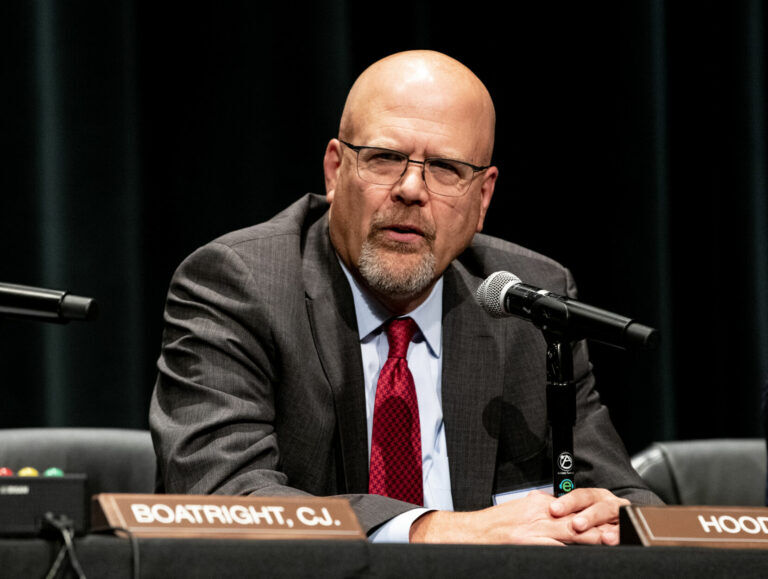
The Colorado Supreme Court has selected Justice William W. Hood III to be the next chief justice, the judicial branch announced on Friday. Hood will succeed Chief Justice Monica M. Márquez, who took over the role in July 2024. “I...