

Republicans advance legislation to curb mandatory union membership
Senate Republicans on Monday advanced a measure that would add Colorado to the list of so-called “right to work” states, prohibiting mandatory union membership.
Despite opposition from throngs of union members and leaders, as well as many in the business world, Republicans on the Senate Business, Labor and Technology Committee pushed the bill along on a party-line vote.
Senate Bill 55, sponsored by Sen. Tim Neville of Littleton, would prohibit an employer from requiring someone to join an organized labor group or pay dues as a condition of employment. It also would create civil and criminal penalties for violations.
The effort is familiar in the legislature, where several previous attempts to have Colorado join 28 other states with right to work laws failed.
In essence, the bill would ban closed union shops, in which an employer agrees to hire union members only, and employees are required to remain union members at all times.
“This is not an anti-union bill as some have said. It’s just the opposite,” Neville said. “This is a bill that says people have the right to choose.”
While Republicans have framed the measure as being pro-business, many business leaders fear that the effort would actually negatively impact the state’s economy and businesses.
“Our unique model, which is neither pro-union or right to work, has created a labor climate in Colorado that’s produced one of the nation’s most robust economies,” said Ron Tilton, president of FirstBank, who spoke on behalf of the Denver Metro Chamber of Commerce and other business groups.
Some in the business community, however, have split, including the National Federation of Independent Business.
“I’ve always believed no employee should be forced to join a union as a condition of employment, but should certainly be able to join a union if they choose,” said Mike Donahue, representing NFIB. “Right to work would be good not only for Colorado employees but would be a boost for the Colorado economy.”
But Leonard Martinez, a 39-year member of Sheet Metal Workers Local 9, said a right to work state would mean less training, which would set Colorado back in terms of economic production.
“What Colorado is poised to do … we have to be able to provide a workforce that brings our jobs on time, on budget,” he said.

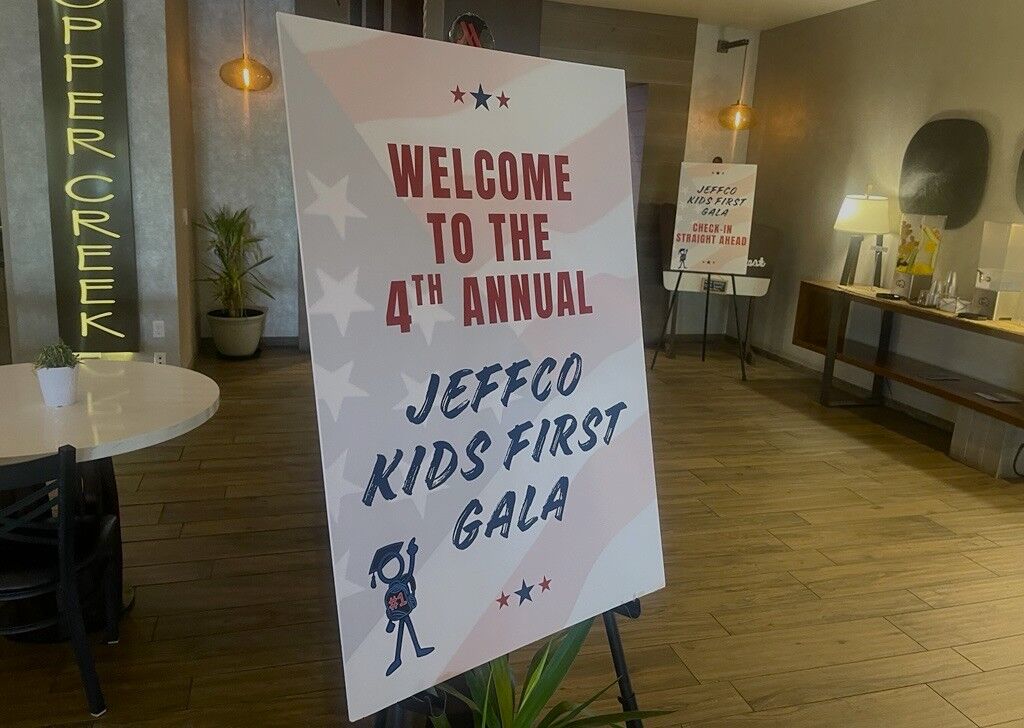
DOJ official decries ‘nonsense’ in Jeffco schools at fundraising gala
Matt Kyle
matt.kyle@denvergazette.com
Updated 2 hours ago
Amid a legal battle between Jeffco Public Schools and the federal government, a Department of Justice official spoke at a fundraising gala and decried “crazy stuff” and “nonsense” in the school district. The gala was for Jeffco Kids First, an...
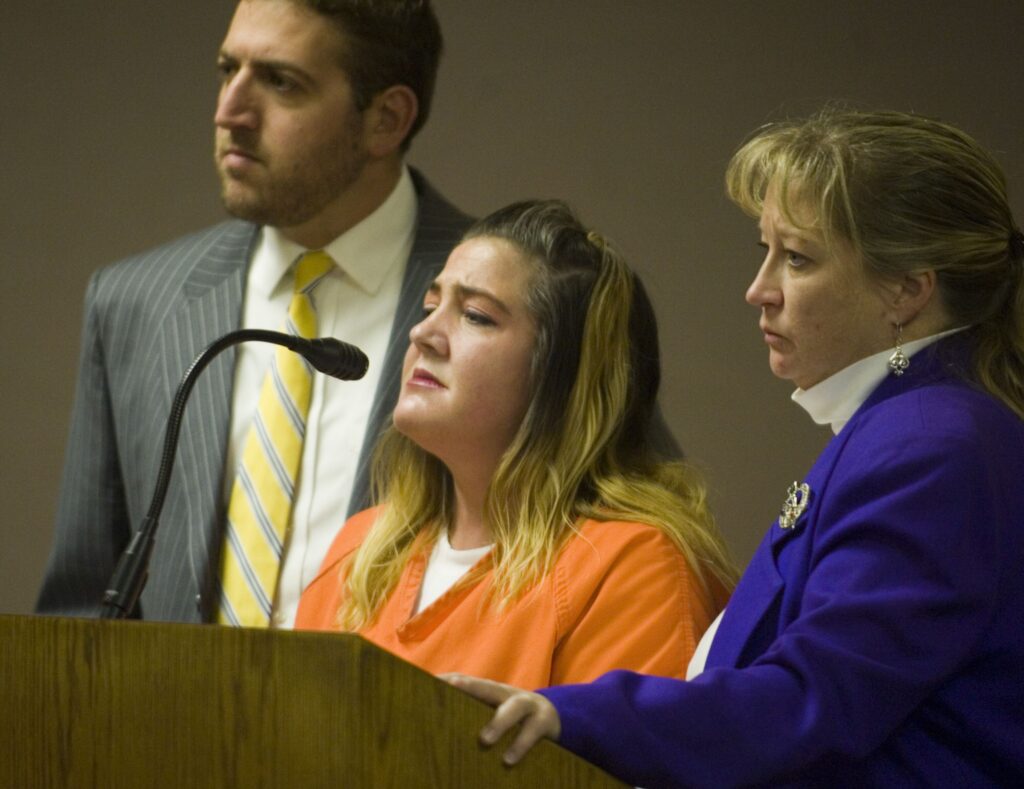
Colorado Springs mother Deborah Nicholls’ murder conviction overturned
Nick Smith
nick-smith@coloradopolitics.com
Updated 15 hours ago
A Colorado Springs mother convicted in 2008 of murdering her three children in a house fire might get a new trial after a judge ruled that prosecutors withheld key evidence that could have impacted the jury’s verdict. Deborah Nicholls, whose...

Aurora Community College student journalist accuses college of ‘unconstitutional gag order’
Kyla Pearce
kyla.pearce@gazette.com
Updated 2 hours ago
An Aurora Community College student is accusing the college of putting an “unconstitutional gag order” on his student-run publication, saying the college banned it from publishing until students jumped through “countless bureaucratic hoops.” A college spokesperson said the college is...
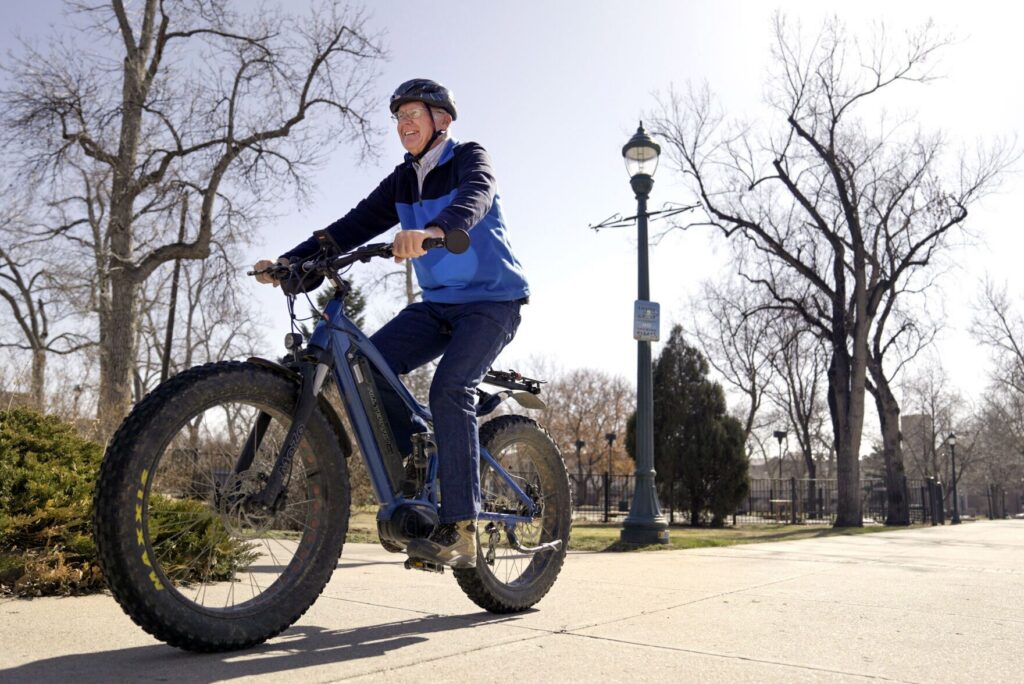
Polis administration relaunches Colorado e-bike rebates with $3 million
Scott Weiser
scott.weiser@gazette.com
Updated 1 hour ago
Gov. Jared Polis and the Colorado Energy Office announced Thursday the return of the state’s popular e-bike rebate program, with registration set to open later this month. The office plans to provide point-of-sale rebates totaling $3 million from the Community...
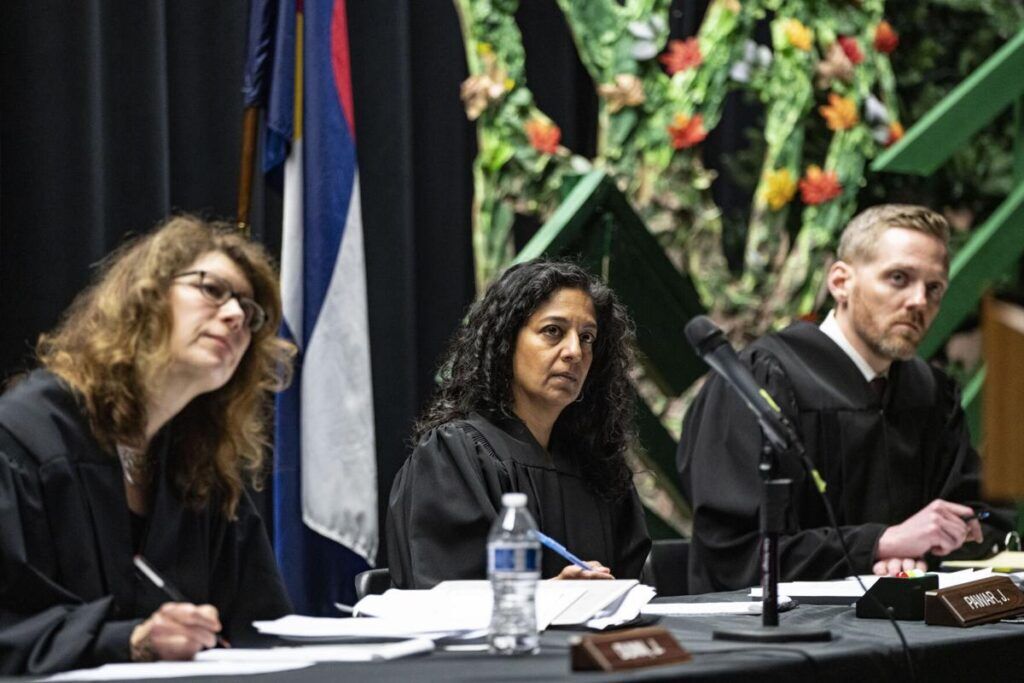
Colorado court overturns illegal $7,000 restitution order
Michael Karlik
michael.karlik@coloradopolitics.com
Updated 15 hours ago
Colorado’s second-highest court overturned a Weld County defendant’s obligation to pay more than $7,000 in crime victim restitution on Thursday because a trial judge failed to issue a legally compliant restitution order at the time of sentencing. In Colorado, as...
Appeals court rejects former DougCo commissioner’s legal fee claim
Nicholas Fogleman
nicholas.fogleman@denvergazette.com
Updated 2 hours ago
The Colorado Court of Appeals rejected a former Douglas County commissioner’s bid for reimbursement of attorney fees she incurred while responding to multiple investigations into her conduct. The dispute stemmed from a 2019 anonymous letter sent to county officials alleging...
Appeals court orders second look at Denver Water’s immunity for cyclist’s injury
Michael Karlik
michael.karlik@coloradopolitics.com
Updated 15 hours ago
Colorado’s second-highest court ordered another look at a bicyclist’s negligence lawsuit against Denver Water on Thursday, concluding that a trial judge needed to evaluate the utility’s potential immunity using the state Supreme Court’s new guidance. Joseph A. “Joey” Scott alleged...

Right-to-natural-gas proposal in Colorado qualifies for ballot
Marissa Ventrelli
marissa.ventrelli@coloradopolitics.com
Updated 17 hours ago
A citizen initiative that seeks to enshrine the right to natural gas has qualified for the November ballot, Colorado’s election office confirmed on Thursday. Petitions containing signatures for Initiative No. 177 were turned in to the Secretary of State’s Office for review...
Labels, duration not definitive proof of ‘intimate relationship,’ Colorado court rules in domestic violence case
Michael Karlik
michael.karlik@coloradopolitics.com
Updated 15 hours ago
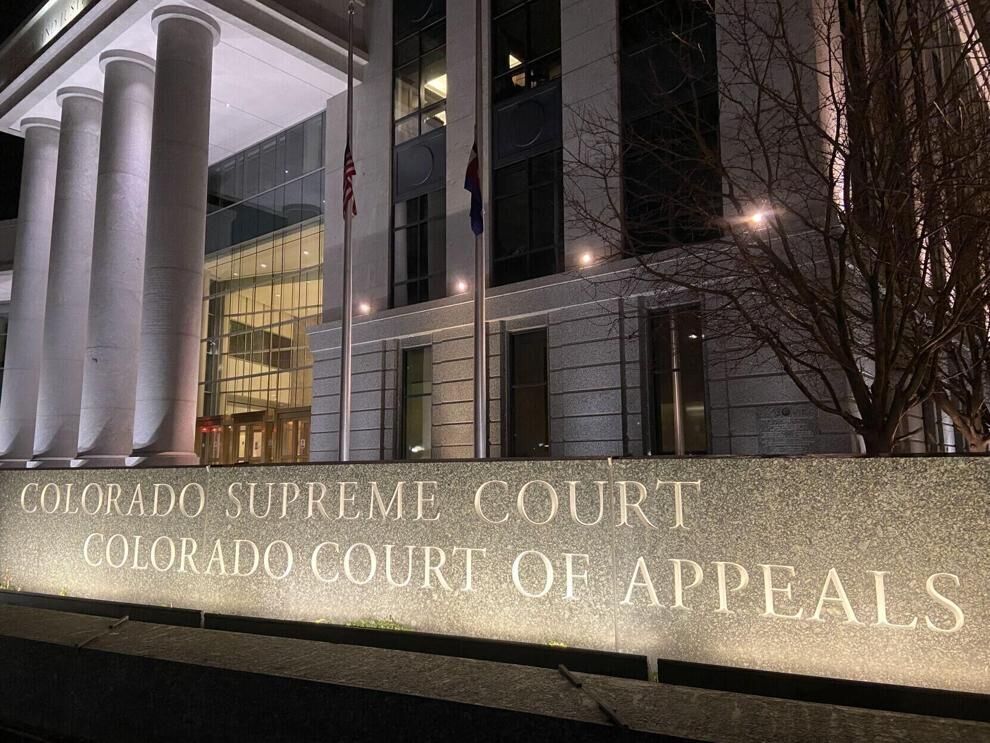
Colorado’s second-highest court clarified on Thursday that the length of a couple’s relationship and the labels they attach to it are not conclusive evidence of whether it is an “intimate relationship” that can give rise to a domestic violence prosecution....
Former VP Mike Pence joining Colorado Christian University faculty
Marissa Ventrelli
marissa.ventrelli@coloradopolitics.com
Updated 17 hours ago
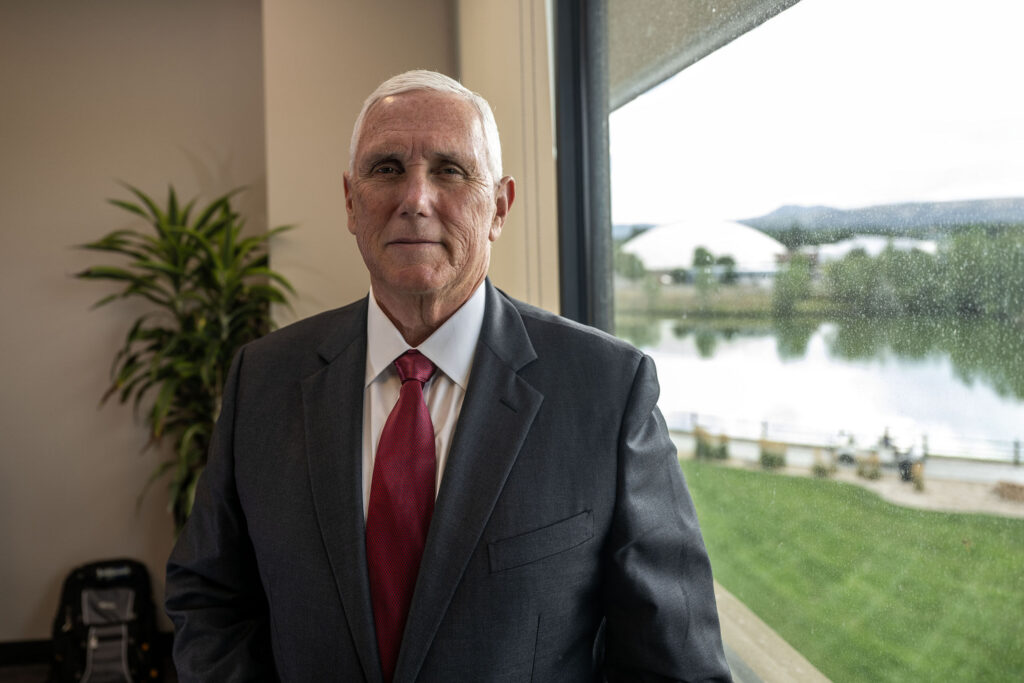
Former Vice President Mike Pence has been hired as a visiting faculty member at Colorado Christian University, the Lakewood-based private evangelical university announced Tuesday. Pence will be on campus about once a month during the 2026-2027 school year to give...