

Rocky Mountain Arsenal site redevelopment given approval under defense spending bill
The $618.7 billion defense spending bill signed by President Barack Obama this week opens the way for the site of the former Rocky Mountain Arsenal to be redeveloped with retail outlets and housing.
The site, owned by Commerce City for more than a decade, has been used mostly for a wildlife refuge since a $2.1 billion federal Superfund cleanup. Previously, it was used as a chemical weapons manufacturing facility.
Commerce City Mayor Sean Ford said housing planned for the Victory Crossing land “aligns with the city’s vision to create a one-of-a-kind space for the community to gather as well as make a home.”
The National Defense Authorization Act authorizes an environmental assessment to determine whether deed restrictions should be removed that have prevented large-scale private development on the site. The assessment is supposed to determine whether the property can be used for industrial and residential purposes.
Commerce City has owned the site since 2004 but has been blocked from a complete redevelopment because of the government restrictions. The 917-acre site lies at the northeast corner of E. 56th Avenue and Quebec Street.
The provision of the National Defense Authorization Act that would allow conversion of the site is called the Rocky Mountain Arsenal Amendment. It was introduced in Congress by Rep. Ed Perlmutter, D-Arvada, and both of Colorado’s senators, Republican Cory Gardner and Democrat Michael Bennet.
“The National Defense Authorization Act’s inclusion of the Rocky Mountain Arsenal is central to Commerce City’s potential development of the land it purchased nearly a decade ago,” Gardner said in a statement. “If the land is deemed safe for development, Commerce City has the opportunity to attract new businesses and jobs, boosting its local economy.”
In July, Gardner, along with Bennet and Perlmutter, sent a letter to the chairmen of the House and Senate Armed Services Committees urging them to include the Rocky Mountain Arsenal Amendment in this year’s defense spending bill.
The site has been a source of debate since the U.S. Army opened it on 19,915 acres in 1942 as a chemical weapons plant. The plant was closed in 1992, partly as a response to opposition from Denver-area residents.
Superfund remediation continued for 25 years, until 2010. The remediation consisted largely of digging up potentially contaminated soil and burying it in landfills.
Before it was closed, the site also served as a prisoner of war camp for German prisoners during World War II. Munitions manufactured there included white phosphorus for grenades, the kind of chlorine and mustard gas that killed thousands in World War I, napalm used to defoliate forested areas in Vietnam and the nerve agent Sarin. The plant also made rocket fuel for Air Force operations.
As the land lay unused, it quickly became inhabited by wildlife. The animals included bald eagles, deer, coyotes, white pelicans and owls.
Since 1992, the site has been set aside by an act of Congress as the Rocky Mountain Arsenal National Wildlife Refuge. In 2007, a small herd of buffalo was introduced to the refuge.
There are no plans to change or eliminate the adjacent wildlife refuge managed by the U.S. Fish and Wildlife Service, said Julia Emko, public information officer for Commerce City.
“The city is proud to have the refuge within its community and has never advocated for anything but a refuge within the 27-square mile area,” Emko said.
Commerce City’s plans for the site are directed only at the smaller patch of land near the corner of E. 56th Avenue and Quebec Street.
“Redevelopment of the 917-acres has long been planned since its purchase in 2004,” Emko told The Colorado Statesman. “Initial environmental studies found the site suitable for day care facilities. The property currently is home to Dick’s Sporting Goods Park, the city’s civic center and Adams City High School. The master plan calls for office/retail and hotel development.”
Kroenke Sports & Entertainment would lead the redevelopment under the city’s plan. Kroenke owns the Denver Nuggets basketball team and the Pepsi Center sports arena.
Any new buildings or other projects on the site would be consistent with the surrounding community, Emko said. City officials also would need to rezone the site.
Commerce City officials say they do not expect strong opposition from environmentalists concerned about the site’s previous exposure to dangerous chemicals now that the cleanup is completed.
But some health and environmental advocates are not convinced the site is completely safe.
In May, the Metropolitan State University of Denver in partnership with Rocky Flats Downwinders conducted a survey of residents who lived downwind of the former arsenal.
“The results are anecdotal, compelling, non-conclusive,” the university researchers reported.
“Within the 1,745 completed surveys for the 64-year time period, there were 848 cases of cancer with 414 of those cases being cancers designated as ‘rare,'” the report said.
The rare cancers made up 48.8 of all the cancers reported by survey respondents. The average U.S. rate for rare cancers is 25 percent, the report said.
“The most common cancers in this study, in order of prevalence, are breast, thyroid, prostate and colon,” the university researchers said. “The most cancers for the U.S. and Colorado, in order of prevalence, are breast, prostate, lung, and colon with thyroid ranking ninth.”
They concluded that “the identified patterns warrant further investigation.”

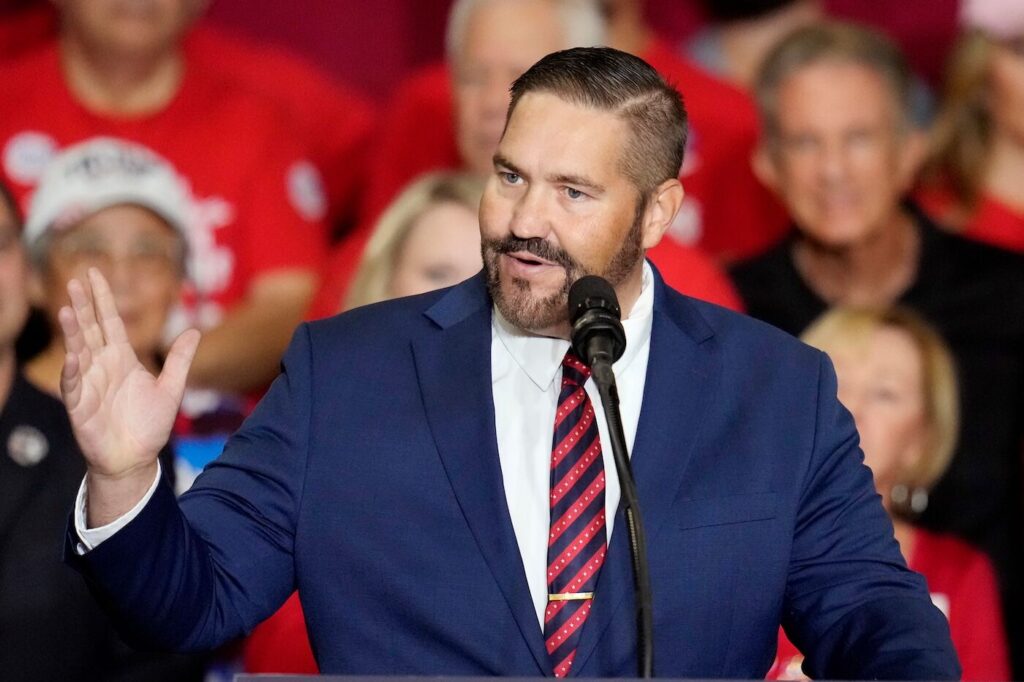
Top officials in Arizona’s Maricopa County agree on how to oversee elections | OUT WEST ROUNDUP
The Associated Press
the-associated-press@coloradopolitics.com
Updated 5 days ago
ARIZONA Officials agree on election oversight PHOENIX — Election officials in Arizona’s most populous county reached an agreement a week before the state’s July 21 primary on how to jointly oversee the vote, ending a prolonged legal battle. Republican Maricopa...

Colorado Politics Calendar Aug. 3-9
Rachael Wright, Special to Colorado Politics
rachael.wright@coloradopolitics.com
Updated 5 days ago
CoPo’s weekly political calendar will help you find political and public-policy events throughout Colorado. It includes candidate and issue campaign events, public policy meetings, court hearings, state and local party conventions, assemblies, debates, rallies, parades, speaking engagements, traveling dignitary appearances,...

The primary political reform and precondition for all others | SONDERMANN
Eric Sondermann
eric-sondermann@coloradopolitics.com
Updated 5 days ago
In its current state, the American political system has no end of ailments. Far too many factors accelerate polarization and work against moderation and narrowing the differences. Media, and the way so many citizens limit themselves to agreeable, reinforcing sources,...
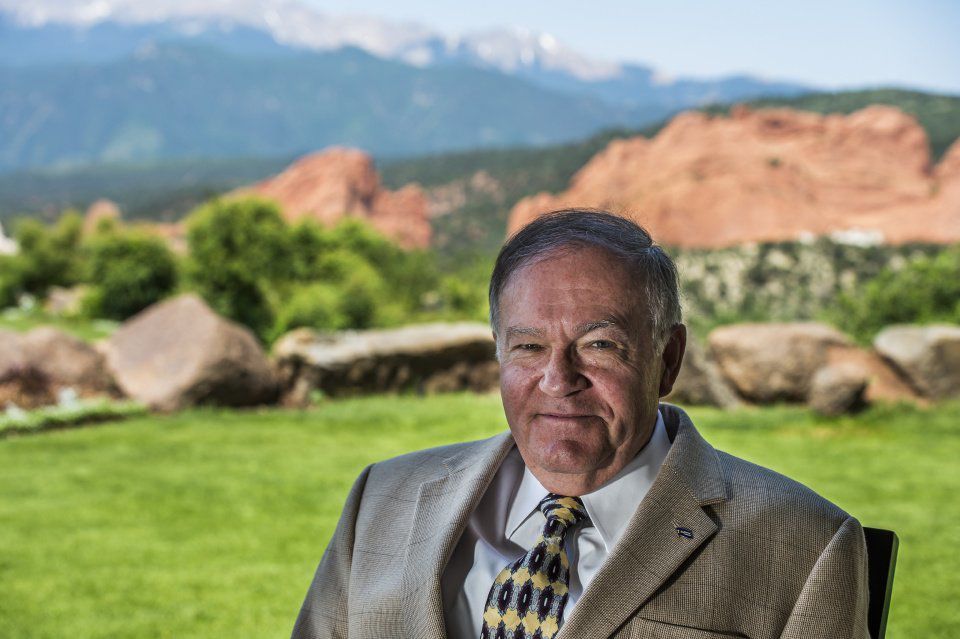
Susemihl wins surprise victory to replace Steve Durham as Colorado Springs state senator | A LOOK BACK
Rachael Wright, Special to Colorado Politics
rachael.wright@coloradopolitics.com
Updated 4 days ago
Forty-five years ago this week: In a closed session, the vacancy committee for Colorado’s Senate District 12 selected attorney Peter Susemihl to complete Sen. Steve Durham’s, R-Colorado Springs, term. Durham resigned his seat to become Region 8 Director of the...
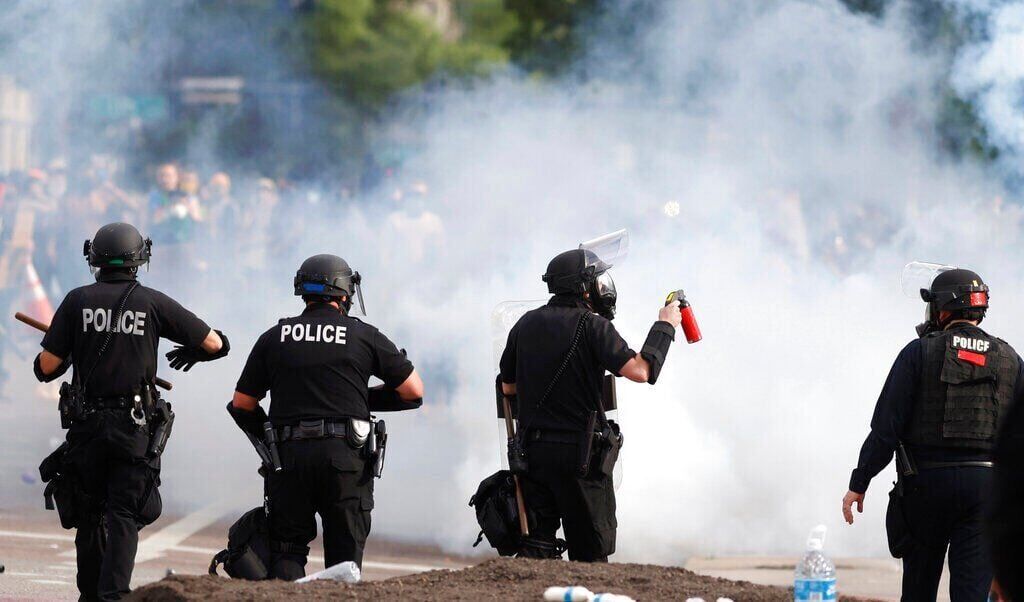
10th Circuit partially revives lawsuit over 2020 Denver protest injuries
Michael Karlik
michael.karlik@coloradopolitics.com
Updated 12 hours ago
The Colorado-based federal appeals court revived a man’s claims against Denver on Friday after concluding a trial judge resolved the case in the city’s favor without analyzing two of the three instances of alleged excessive force and other constitutional violations....

At conservative summit, Colorado Republican leaders concede Democrats’ election edge
Marissa Ventrelli
marissa.ventrelli@coloradopolitics.com
Updated 2 days ago
Four Republican state lawmakers told attendees at a gathering of conservative leaders on Friday they doubt their party can win statewide races, noting that Colorado’s electorate has been shifting toward Democrats but adding they see an opening in several pockets....

Federal judges find Colorado immigration judge violated several orders
Michael Karlik
michael.karlik@coloradopolitics.com
Updated 1 day ago
Multiple federal judges in Colorado have freed people from immigration custody after determining that one immigration judge violated their directives for properly conducting bond hearings. For nearly a year, Colorado’s U.S. District Court has faced a flood of habeas corpus petitions...
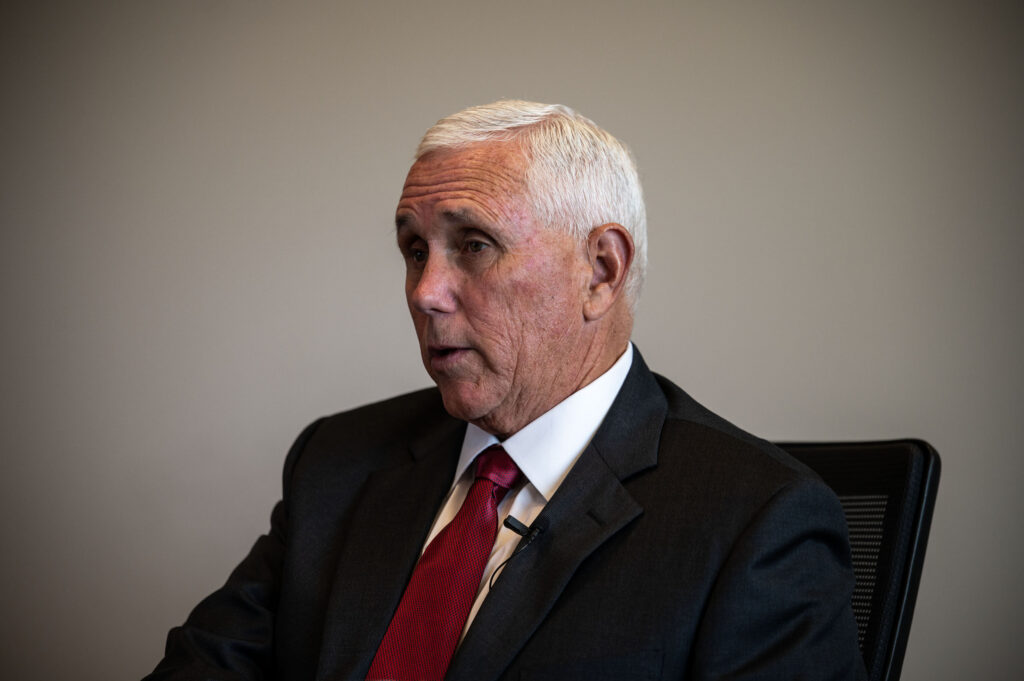
Q&A with Mike Pence | Former vice president says GOP’s populist turn from conservatism isn’t permanent
Ernest Luning
ernest.luning@coloradopolitics.com
Updated 2 days ago
Former Vice President Mike Pence says he’s concerned that the Republican Party has taken a populist turn away from bedrock conservative principles during President Donald Trump’s second term, but he believes the party will return to its roots when Trump...
New federal plan sets short-term rules for Colorado River management
Marianne Goodland
marianne.goodland@coloradopolitics.com
Updated 2 days ago
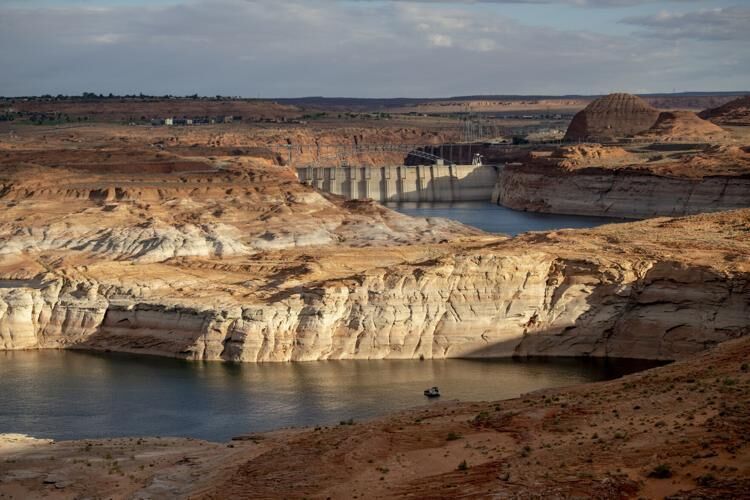
Interior Department’s plan spares Colorado from mandatory cuts for now After years of stalled negotiations among the seven states that rely on the Colorado River, the federal government on Friday released its own plan for managing the drought-strained system. Calling...
Fauci’s diary details blooming outrage toward ‘far right,’ softness toward Biden and China
Hudson Crozier
hudson.crozier@washingtonexaminer.com
Updated 3 days ago
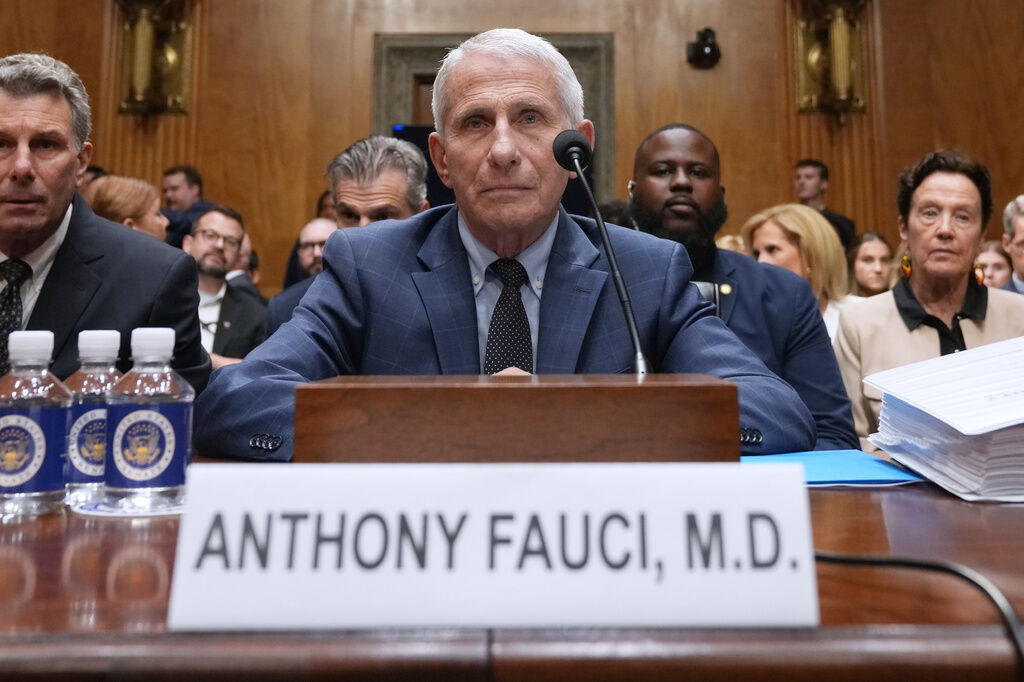
Dr. Anthony Fauci increasingly railed against “far right” critics of his approach to COVID-19 issues while describing strong support from the Biden White House in his pandemic-era diary, which was recently released by Congress. The former National Institute of Allergy...