

Neville concealed carry bill advances, launches annual Capitol gun politics debates
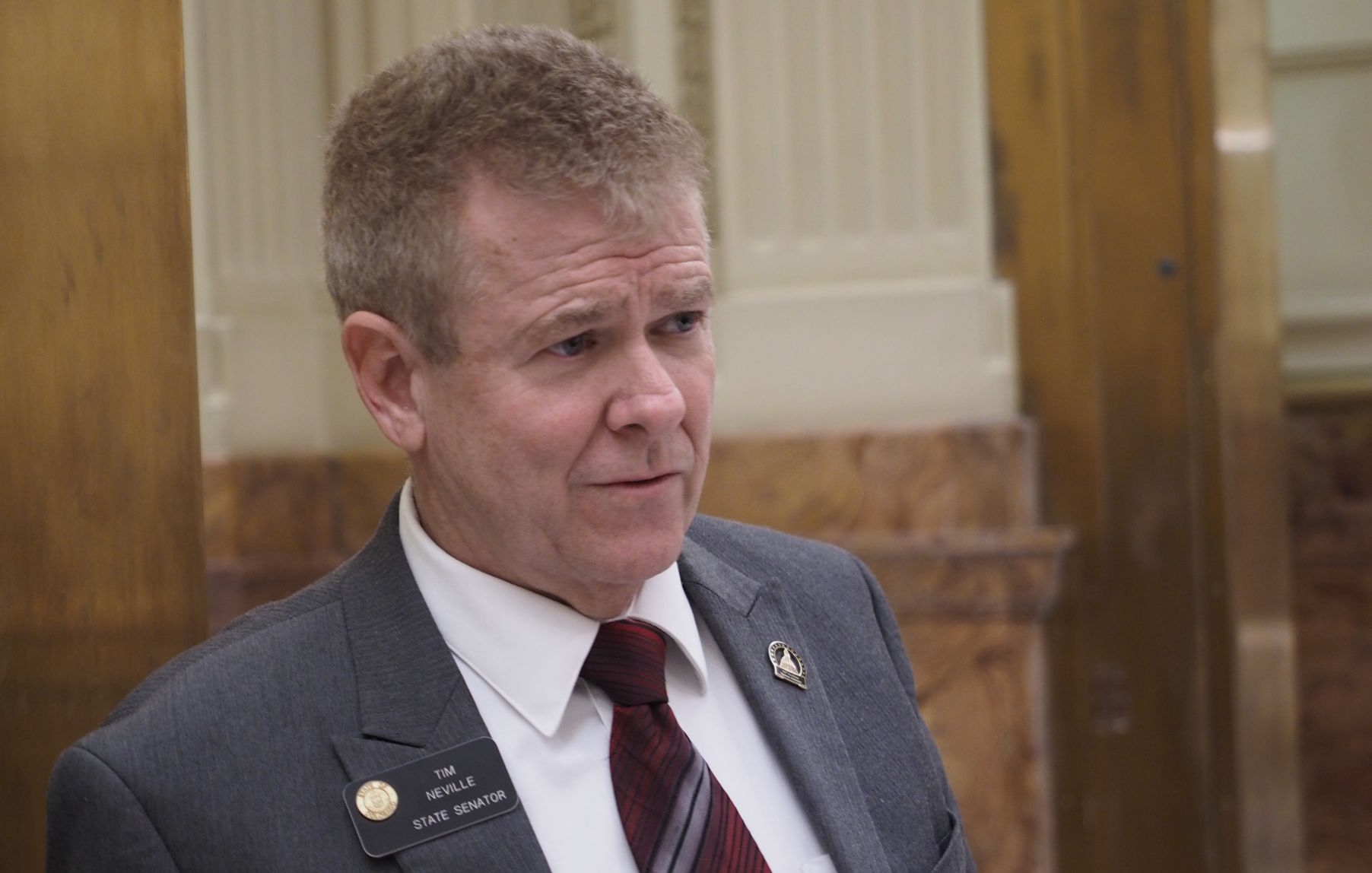
A bill that would allow Colorado residents to carry a concealed handgun without a permit took its first step Wednesday through the Republican-controlled Senate Finance committee on its way toward the Democratic-controlled House, where it will face stiff opposition.
The “constitutional carry” bill, as Senate Bill 17 is referred to, sponsored by father and son Sen. Tim Neville, R-Littleton, in the Senate and Rep. Patrick Neville, R-Castle Rock, in the House, now moves to the Senate State, Veterans and Military Affairs Committee, where a Republican majority is again expected to pass it.
But the bill also launched what has become a ritual of passionate debate at the Capitol and online in recent years on gun rights and gun safety, on the meaning of the Second Amendment and the power of state lawmakers to regulate gun ownership and gun use.
Supporters of the bill argued that a free people with the constitutionally guaranteed right to bear arms are safer than an unarmed or “legislatively disarmed” populace. They testified that there was no need for concealed carry permits in the state, because, as the law stands, Coloradans can carry firearms openly. Beyond a gun-purchase background check, they said, additional “permissions” are redundant and an affront to the Constitution.
“If you buy a gun, you are screened, end of story, no need for a plastic-coated permission slip,” tweeted James Viser, a gun-rights author and near-constant defender of the Second Amendment in the Colorado politics social media space.
But opponents, including victims of the shooting at the Aurora theater in 2012, cited the horrors of mass shootings in Colorado and around the country and the number of victims who fall every day to gun violence. Why lift the concealed carry permitting process, which includes gun training? they asked.
In their closing arguments, Democrats on the committee — Sens. Jessie Ullibarri, D-Westminster, and Matt Jones, D-Louisville, — restated points made in emotional opposition testimony over the hourslong course of the hearing. More people with more guns and less training is a bad formula that will not result in increased safety, but likely the opposite, they claimed.
Although his bill includes no safety requirement for permit-less concealed carry, Neville told committee members that, when a similar bill passed in Arizona, the rate at which people voluntarily went through training increased. He said he expected that it would be the same in Colorado.
Merely “putting your coat over your gun” shouldn’t change gun training or gun safety, Neville told The Statesman.
Handgun permitting programs would continue in the state if the bill passed. They include background and fingerprint checks, training in shooting and gun-handling, and they grant state sheriffs the power to deny or revoke permits. Coloradans looking to carry concealed guns in the 30 other concealed-carry U.S. states would still be required to show Colorado concealed carry permits.
Jones was unconvinced by Neville’s arguments and said that, even under the current conceal carry law, training requirements are slim. He said he thought both sides of the argument could agree that the need for more live-fire training time should be required of all gun users.
“Who is the good guy?” in a gunbattle, he asked. “Well, that’s highly conditional,” He was responding to arguments that “good guys with guns” are the best way to stop “bad guys with guns.”
Neville is one of a field of 12 Republicans — as of this writing — running for the Republican nomination to unseat Democratic U.S. Sen. Michael Bennet in the general election this year. He said he understood that discussion of his bill was emotional because “lots of people have had losses,” as he put it, but he said that people seeking to defend themselves as best they can is a natural right.
“I don’t think anybody in this room thinks we should stop people from protecting themselves,” he said. “There are lots of (car) deaths,” Neville said. “And we still view (cars) as a tool.”
Ulibarri noted that testimony piled high against the bill — three to one in opposition, he said. This a contrast from 2013 gun legislation that brought throngs of gun rights supporters to the Capitol creating standing room only situations in the Old Supreme Court Chamber and driving committee hearings into the late night hours.
It seemed clear early on in the hearing that people testifying would fail to persuade one another to see things differently. There was a sense of fruitlessness in some of the chatter around the committee, but those engaged didn’t see a doomed bill and a depressingly gridlocked conversation.
Laura Carno, a coalition member at new gun rights group Coloradans for Civil Liberties, is the well known gun rights activist who spearheaded the historic 2013 recalls of gun-control Senate President John Morse, D-Colorado Springs, and Sen. Angela Giron, D-Pueblo. The two lawmakers were part of the majority party at the Capitol that year that passed a suite of gun safety laws inspired by the shootings in Aurora and at Sandy Hook Elementary School in Connecticut. Carno told The Statesman she was glad Coloradans “were still having these discussions.”
“Just because we have a divided legislature doesn’t mean you don’t run a bill. The Republican caucus is a pro-gun caucus. Of course we should try to take back our (gun) rights. Look at all the non-gun bills people run on both sides that aren’t likely to pass.
“I think it’s great politics,” she added. “In a presidential election year, too. People are in favor of gun rights. People don’t think the Colorado gun control laws have made anybody safer.”
At least two more gun bills for now are scheduled to be heard at the Legislature. One, co-sponsored by Sen. Neville, seeks to lift a 15-round state cap on ammunition magazines. Another, sponsored by Rep. Justin Everett, R-Littleton, and also co-sponsored by Neville, would extend “make my day” legal protections to use deadly force against intruders to business owners, managers and employees inside their places of work.
With reporting by John Tomasic.


Colorado Politics Calendar Aug. 3-9
Rachael Wright, Special to Colorado Politics
rachael.wright@coloradopolitics.com
Updated 3 days ago
CoPo’s weekly political calendar will help you find political and public-policy events throughout Colorado. It includes candidate and issue campaign events, public policy meetings, court hearings, state and local party conventions, assemblies, debates, rallies, parades, speaking engagements, traveling dignitary appearances,...
The primary political reform and precondition for all others | SONDERMANN
Eric Sondermann
eric-sondermann@coloradopolitics.com
Updated 3 days ago
In its current state, the American political system has no end of ailments. Far too many factors accelerate polarization and work against moderation and narrowing the differences. Media, and the way so many citizens limit themselves to agreeable, reinforcing sources,...
Susemihl wins surprise victory to replace Steve Durham as Colorado Springs state senator | A LOOK BACK
Rachael Wright, Special to Colorado Politics
rachael.wright@coloradopolitics.com
Updated 3 days ago
Forty-five years ago this week: In a closed session, the vacancy committee for Colorado’s Senate District 12 selected attorney Peter Susemihl to complete Sen. Steve Durham’s, R-Colorado Springs, term. Durham resigned his seat to become Region 8 Director of the...
10th Circuit partially revives lawsuit over 2020 Denver protest injuries
Michael Karlik
michael.karlik@coloradopolitics.com
Updated 1 day ago
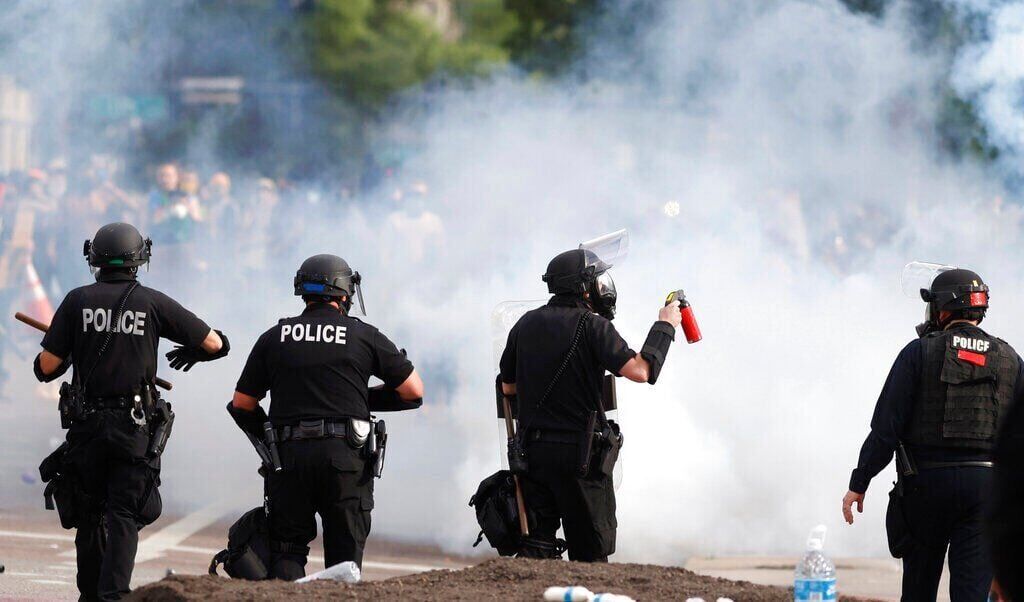
The Colorado-based federal appeals court revived a man’s claims against Denver on Friday after concluding a trial judge resolved the case in the city’s favor without analyzing two of the three instances of alleged excessive force and other constitutional violations....

At conservative summit, Colorado Republican leaders concede Democrats’ election edge
Marissa Ventrelli
marissa.ventrelli@coloradopolitics.com
Updated 6 hours ago
Four Republican state lawmakers told attendees at a gathering of conservative leaders on Friday they doubt their party can win statewide races, noting that Colorado’s electorate has been shifting toward Democrats but adding they see an opening in several pockets....
Federal judges find Colorado immigration judge violated several orders
Michael Karlik
michael.karlik@coloradopolitics.com
Updated 1 day ago
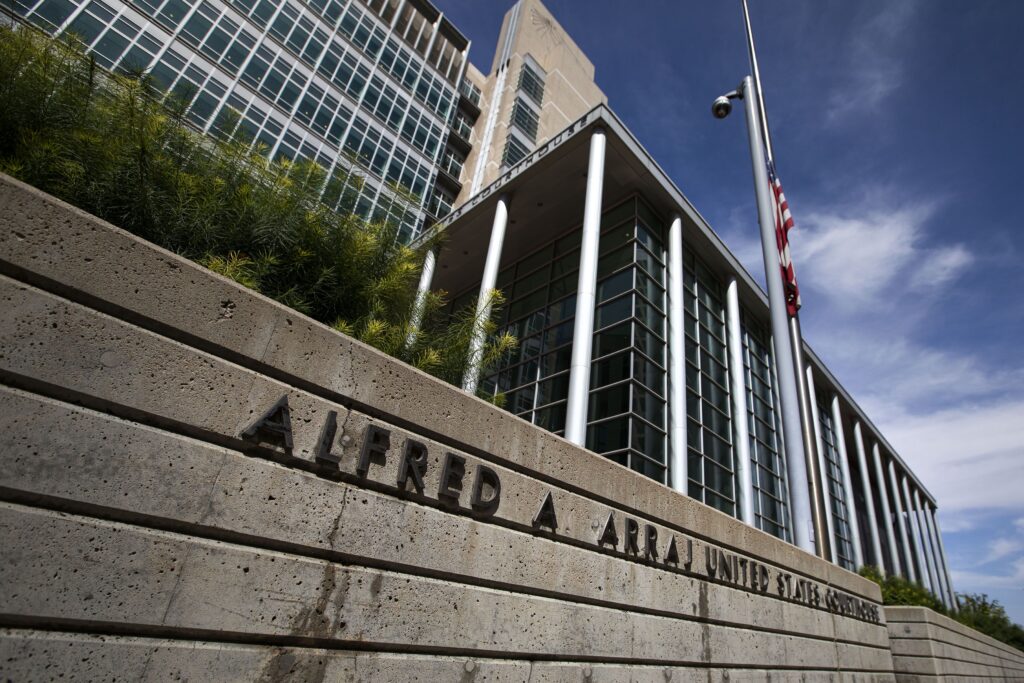
Multiple federal judges in Colorado have freed people from immigration custody after determining that one immigration judge violated their directives for properly conducting bond hearings. For nearly a year, Colorado’s U.S. District Court has faced a flood of “habeas corpus” petitions...
Q&A with Mike Pence | Former vice president says GOP’s populist turn from conservatism isn’t permanent
Ernest Luning
ernest.luning@coloradopolitics.com
Updated 3 hours ago
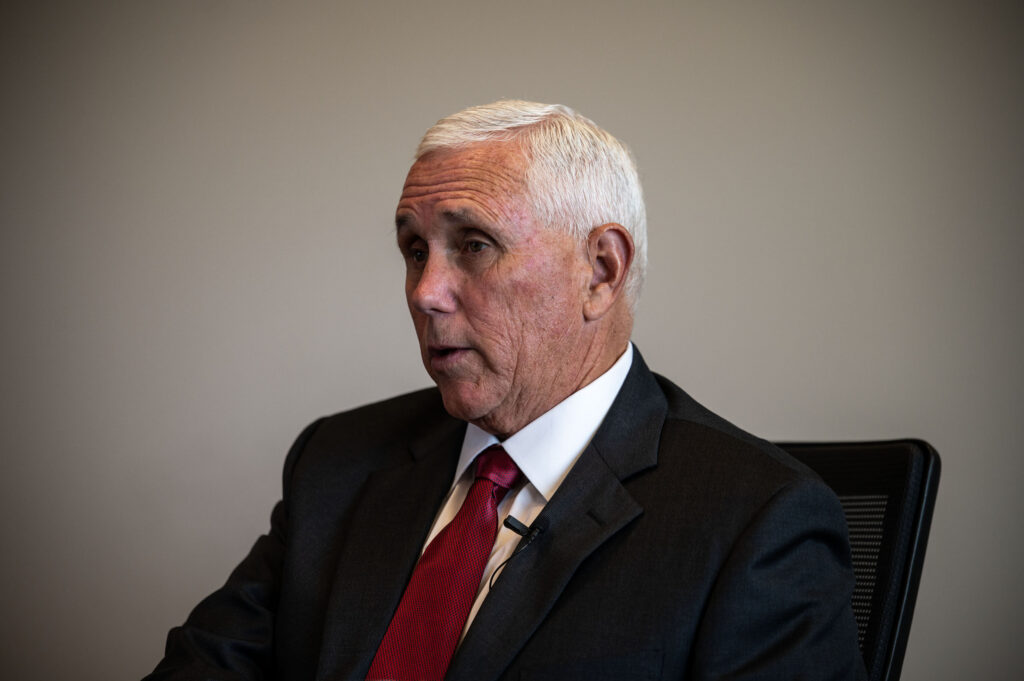
Former Vice President Mike Pence says he’s concerned that the Republican Party has taken a populist turn away from bedrock conservative principles during President Donald Trump’s second term, but he believes the party will return to its roots when Trump...
New federal plan sets short-term rules for Colorado River management
Marianne Goodland
marianne.goodland@coloradopolitics.com
Updated 1 day ago
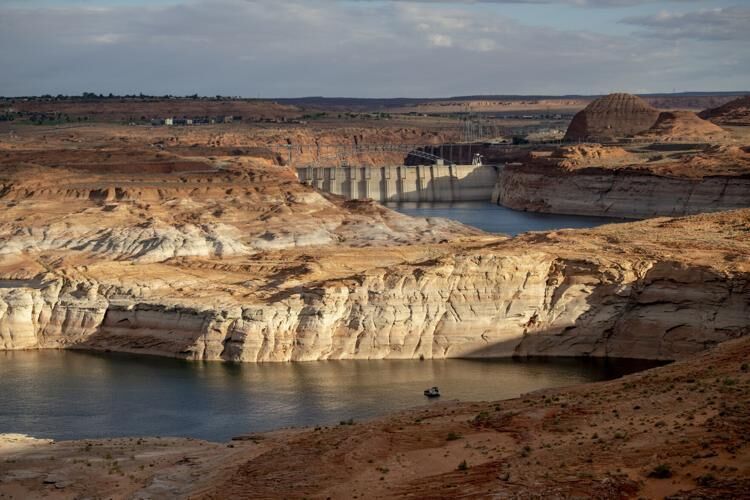
Interior Department’s plan spares Colorado from mandatory cuts for now After years of stalled negotiations among the seven states that rely on the Colorado River, the federal government on Friday released its own plan for managing the drought-strained system. Calling...
Fauci’s diary details blooming outrage toward ‘far right,’ softness toward Biden and China
Hudson Crozier
hudson.crozier@washingtonexaminer.com
Updated 1 day ago
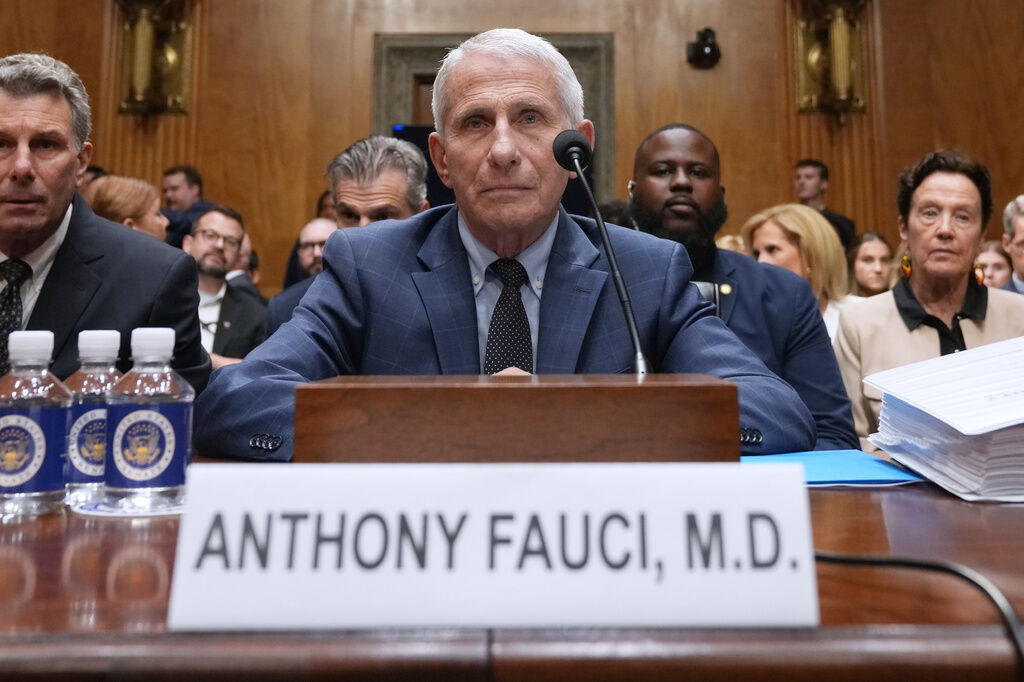
Dr. Anthony Fauci increasingly railed against “far right” critics of his approach to COVID-19 issues while describing strong support from the Biden White House in his pandemic-era diary, which was recently released by Congress. The former National Institute of Allergy...
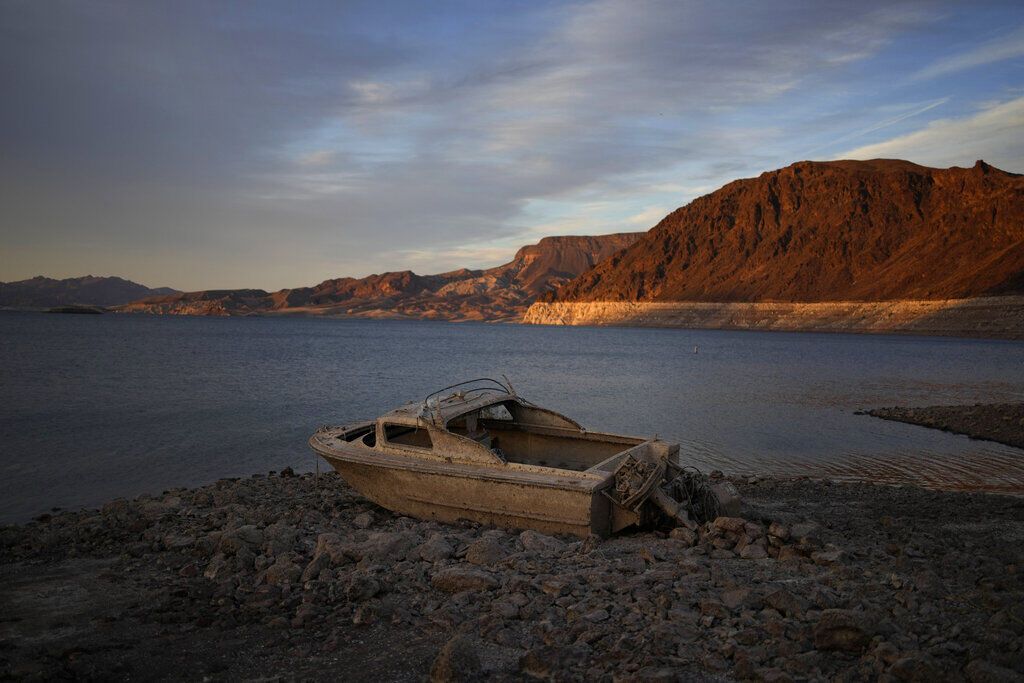
Colorado is spared mandatory cuts under federal Colorado River proposal
The Associated Press
the-associated-press@coloradopolitics.com
Updated 1 day ago
California, Arizona and Nevada to take less water under plan While Colorado has been spared from mandatory reductions, Arizona, California and Nevada would take less water from the Colorado River under a proposal announced Friday by the federal government to...
PREV
PREVIOUS

#Coleg Q&A: Rep. Rankin on bridging the 'two Colorados'
Rep. Bob Rankin, R-Carbondale, has lived the urban-rural divide in Colorado. He has lived along the southern part of the Front Range in Colorado Springs, in Aspen when he started a tech consulting firm, and now in the rural northwestern Colorado town of Carbondale, population of 6,553. The push this legislative session to provide greater […]
Steamboat Institute speakers see gathering international storm clouds
It was a crisp seven below zero Friday morning as the sun rose behind Mount Werner at the Steamboat Institute’s Summit on Foreign Policy & Global Security. The conservative counterweight to Colorado’s Aspen Institute marked its 10th anniversary with a first try at hosting the winter summit. The Institute’s CEO, Jennifer Schubert-Akin, enforced an early […]