

‘The smell of jet fuel lingered for years’: Colorado veterans recall 9/11

For many years after the Sept. 11 attacks in Washington, D.C., Mark Schoenrock said he could still smell the burning jet fuel from American Airlines Flight 77.
“It was just such an overpowering sensation,” Schoenrock, a former Lone Tree resident and survivor of the Pentagon crash, told The Denver Gazette. “You know, all of your senses are just totally overpowered.”
Although he said he’s eventually “gotten over” it, he still remembers the day clearly — and the split-second decision that saved his life.
Schoenrock was an active-duty Army officer serving as the inspector general for the state of Colorado when he and 13 others from the Colorado National Guard arrived by military aircraft in the nation’s capital on Sept. 10 for official business.
On the morning of Sept. 11, the tall, slender Nebraska native walked the halls of the Pentagon where he had once been an executive officer in the Office of the Assistant Secretary of the Army and helped plan the renovation of the Pentagon’s first wedge, which had just been completed.
The other passengers that Schoenrock had accompanied to Washington had meetings elsewhere in the city that day.
In between meetings at the Pentagon, Schoenrock looked at his watch.
It read 9:35 a.m.
He had wanted to visit the E ring, the outermost corridor of the five-sided building where he once worked, just to see what it looked like and what had changed.

But as he made his way to the E ring, something happened.
“I just had this, you know, really strong feeling come over me not to go out to the E ring, although my meeting was there,” Schoenrock said.
Stopping just short of the C ring, the middle corridor, instead of going to his meeting, Schoenrock turned right.
At 9:35 a.m., American Airlines Flight 77 struck the Pentagon’s outer ring, taking the lives of all 64 passengers and crew aboard, as well as 125 individuals in the building.
Schoenrock was a mere 100 yards away from where the Boeing 757 struck.
Meanwhile, just over 1,000 miles away, another Colorado Army officer, Holly Peterson, had just arrived at the Orlando International Airport for her flight back to Denver after vacationing at Walt Disney World with her husband and 3-year-old son.
“We were in the airport waiting for our flight,” Peterson said. “Suddenly, everyone’s looking at their phones, and they’re looking up at the (airport departure) screens.”
No announcement or information was provided to passengers.
Then the airlines began canceling flights.
The Federal Aviation Administration had begun the first-ever unplanned shutdown of U.S. airspace, ordering all aircraft to land at the nearest airport.
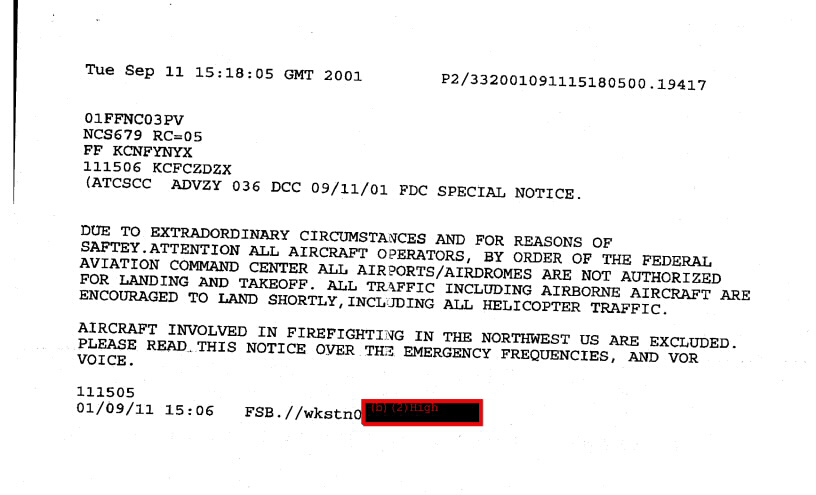
Confused passengers in the terminal began asking questions no one could readily answer.
Peterson noticed that people were beginning to rush the rental car counters.
“There were big lines for the rental cars because it became clear that nobody was flying that day,” she said.
Back in Washington, evacuations of the Pentagon had commenced, with both military and civilian personnel spilling onto the lawn. Emergency responders arrived, helping personnel locate and pull survivors from the damaged structure.
“We got out there in the yard, and you know we were trying to help people that were coming out, and all kinds of things,” he said. “You know it was just hell on earth.”
Had he not followed his gut, “I’d have been right at the point of impact,” said Schoenrock, who lost seven friends that day. “They lost their lives that morning, and I think about them constantly; I mean, it never really goes away.”
Back in Florida, Peterson said she waited close to an hour to get a rental car, planning to drive back to Denver.
Still without a clear picture of what was happening, Peterson and her family hit the road, piecing together the story from radio reports.
While en route to Denver, Peterson, who now lives in Thornton, asked her husband to go through Cincinnati.
“I just wanted to see my family, and make sure everyone was OK,” Peterson told The Denver Gazette.
It wasn’t until she reached her family in Ohio that Peterson saw the full scale of what had transpired that day.
Schoenrock described the scene, knowing that the plane had just been fueled at Dulles International Airport.
“The thing (plane) was pretty much fully loaded with jet fuel, and so there was just this really big fireball,” he said. “And for years after that event, I would wake up in the middle of the night, and I could smell that jet fuel burning.”
Schoenrock and his fellow passengers departed Washington on Sept. 12, only because they were aboard a military aircraft.
“I can still remember that morning,” he said. “We were taxiing, out there at Dulles Airport, and you know, looking at row upon row upon row upon row of civilian commercial passenger jets — they were all just sitting there — and I just had this overwhelming feeling that morning; you know, thank God I’m still alive.”
Peterson eventually made it back to Denver and her job.
Twenty-five years later, Schoenrock, who is currently seeking a seat in the Nebraska state Senate, said the nightmares have stopped and that retelling the story of Sept. 11 has become therapeutic for him.
If there’s one thing he would stress to everyone, Schoenrock said it is to remember that “every day is a gift.”


Denver sues Trump to block armed ICE agents from polling sites
Deborah Grigsby
deborah.smith@denvergazette.com
Updated 2 days ago
The city of Denver, along with several groups, sued the Trump administration Thursday, seeking to block U.S. Immigration and Customs Enforcement officers who are armed from polling sites during the upcoming midterm elections. In fact, there are no official orders...

Evergreen High School marks one year since shooting on campus
Kyla Pearce
kyla.pearce@gazette.com
Updated 2 days ago
Thursday marks one year since the Evergreen High School shooting that injured two students and left the shooter dead. On Sept. 10, 2025, Desmond Holly, 16, entered the school armed with a Smith & Wesson .38 revolver and opened fire...

Denver mayor unveils 2027 budget after weeks of warning of tough choices
Nico Brambila
nico.brambila@denvergazette.com
Updated 2 days ago
Denver Mayor Mike Johnston unveiled his proposed 2027 budget Thursday after weeks of warning that the city is entering a tighter financial era despite stronger-than-expected revenue collections this year. The projected general fund revenue for 2027 is $1.684 billion, the...

Lawsuit challenges Douglas County commissioners’ ballot actions
Nicholas Fogleman
nicholas.fogleman@denvergazette.com
Updated 2 days ago
A new lawsuit against Douglas County commissioners seeks to invalidate the board’s intervention in efforts to expand the commission from three members to five and restore the original ballot language approved by more than 20,000 petition signers. The suit marks...

United abruptly cancels flyover marking 9/11 anniversary after ‘concerns in the community’
Mark Samuelson Special to The Denver Gazette
mark.samuelson@denvergazette.com
Updated 1 day ago
United Airlines had planned a dramatic flyover in Denver on Friday to mark the 25th anniversary of the 9/11 attacks, when it lost two of the four U.S. passenger jetliners hijacked by terrorists. But the airline abruptly cancelled plans late...

Denver Water proposes 6% rate increase for 2027
Nico Brambila
nico.brambila@denvergazette.com
Updated 2 days ago
Water could be more expensive for Denver residents next year. Denver Water commissioners received a staff proposal for rate increases Wednesday expected to generate about 6% more revenue in 2027. What individual customers pay would depend on where they live...
$806M project to add express lane to I-270 approved
Kyla Pearce
kyla.pearce@gazette.com
Updated 2 days ago
Transportation officials have approved an $806 million project to add an express lane to I-270 after years of studying proposed solutions to congestion and deterioration of the interstate. The Federal Highway Administration and Colorado Department of Transportation have been weighing...

Colorado joins lawsuit challenging changes to Endangered Species Act
Marissa Ventrelli
marissa.ventrelli@coloradopolitics.com
Updated 3 days ago
Colorado once more joined a coalition of states challenging the Trump administration — this time on proposed rules regarding the Endangered Species Act. The pair of lawsuits challenge new rules made under Interior Secretary Doug Burgum, who earlier said the...

Colorado congressman asks DOJ to investigate violent student ICE walkout
Nico Brambila
nico.brambila@denvergazette.com
Updated 3 days ago
U.S. Rep. Jeff Crank is asking the Justice Department to investigate violence at last week’s anti-ICE student walkout in Denver, including whether outside organizations helped organize, fund, or influence the demonstration. Crank sent a letter Tuesday requesting the investigation to...
Federal judge dismisses Douglas County’s challenge to collective bargaining law
Nicholas Fogleman
nicholas.fogleman@denvergazette.com
Updated 3 days ago
A federal judge dismissed claims brought by the Douglas County Board of Commissioners alleging that a state law granting county employees the right to organize and join labor unions violates free speech protections and conflicts with federal labor law. Douglas...
PREV
PREVIOUS

Denver sues Trump to block armed ICE agents from polling sites
The city of Denver, along with several groups, sued the Trump administration Thursday, seeking to block U.S. Immigration and Customs Enforcement officers who are armed from polling sites during the upcoming midterm elections. In fact, there are no official orders from the federal government to station or deploy armed immigration officers at polling places, although […]

10th Circuit tosses GEO Group’s pretrial appeal in human trafficking lawsuit
The Denver-based federal appeals court dismissed an attempt by The GEO Group on Wednesday to appeal a trial judge’s non-existent decision two months before the company is scheduled to face a civil trial over alleged trafficking violations at the Aurora immigration detention facility it operates. The class-action lawsuit, which has been pending since 2014, alleges […]