

Denver Water proposes 6% rate increase for 2027
Water could be more expensive for Denver residents next year.
Denver Water commissioners received a staff proposal for rate increases Wednesday expected to generate about 6% more revenue in 2027. What individual customers pay would depend on where they live and how much water they use.
The utility last raised its rates in January, increasing Denver consumers’ bills an average of about $2.45 to $3.30 per month.
Under the new proposal, the average monthly bill for a single-family Denver customer would rise from $56.97 this year to $60.21 next year. For the average Denver household, that would mean paying about $3.24 more per month.
Customers outside the city would see different increases, depending on how their water service is provided.
“The proposed modification to the rate structure means that those who conserve will see a smaller increase than those who use more water,” said Fletcher Davis, Denver Water rates manager. “So, most importantly, the more you use, the more you’ll pay.”
The difference becomes pronounced as water use climbs.
A typical Denver household would pay about $35 more over the year, according to Denver Water. A city household among the top 5% of water users would pay about $98 more. Outside Denver, some of the heaviest users could see annual increases of $150.
Why the increase in water rates?
Inflation.
And a historic drought.
This year’s drought has already forced Denver Water to take extraordinary steps.
Denver Water declared a Stage 1 drought in March after Colorado’s snowpack peaked at about 58% of normal and weeks earlier than usual. The utility, which relies on mountain snowpack to supply 1.5 million people across the metro area, imposed restrictions in an effort to preserve reservoir levels and avoid more severe measures.
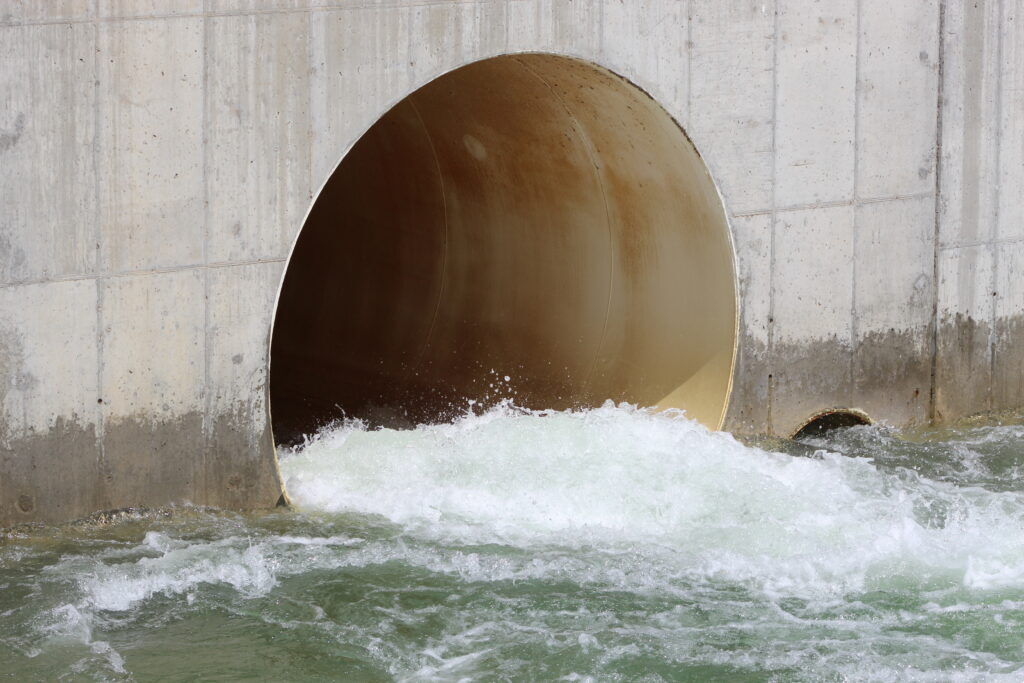
Conditions became so dry that Denver Water began draining Antero Reservoir in May, moving the water to the deeper Cheesman Reservoir to reduce evaporation loss. Antero averages only about 8 feet deep and spreads across a broad surface exposed to sun and wind, while Cheesman reaches depths of about 200 feet.
The move was expected to save roughly 5,000 acre-feet of water — about a quarter of Antero’s capacity. Antero typically receives about 13,700 acre-feet of water annually. This year, officials expected just 500 acre-feet, potentially the lowest inflow on record.
Denver Water has never moved beyond Stage 1 drought restrictions. But officials have warned that continued dry conditions could force Stage 2 restrictions next year, which would ban outdoor watering.
Drought isn’t the only pressure.
Inflation has risen 3.4% nationally over the past 12 months, according to the U.S. Bureau of Labor Statistics. In the Denver metro area, prices have climbed even faster — 3.9%.
Some expenses in the Denver metro area have seen far steeper increases. Energy prices are up 17.2% from a year ago, gasoline 25.6%, household furnishings and operations 6.3%, and food 3.4%.
Denver Water isn’t immune to those rising costs.
The utility is maintaining an aging system while investing in major infrastructure projects, including the Gross Reservoir expansion, lead pipe removal, water main replacements and improvements at its Marston treatment plant.
The proposed rate structure also reflects Denver Water’s push for conservation. It is designed to make essential water use cheaper relative to heavier consumption. Denver Water proposes lowering the first residential usage tier, while increasing the second and third tiers. Fixed charges also would account for a larger share of rate revenue.
The proposed 2027 increase does not include drought pricing, Denver Water spokesperson Jimmy Luthye said in an email to The Denver Gazette.
Under another proposal presented Wednesday, the Stage 1 drought charge for second-tier residential and nonresidential use would rise from $1.10 to $1.40, while the third-tier charge would increase from $2.20 to $2.80.
Drought charges are added to regular rates.
Multifamily customers would also pay more. The average monthly cost per dwelling inside Denver would increase from $17.42 to $19.49, or $2.07 a month.
Commissioners heard a staff presentation on the proposed rate increases Wednesday, and they did not ask any questions.
No decisions were made at the meeting. Commissioners are not expected to vote on the rate hike until October.
Established as a public utility in 1918, Denver Water is funded by water rates, new tap fees — which were increased earlier this year — and hydropower sales, not taxes.

Colorado Parks & Wildlife staff kill third wolf in 3 days
Marianne Goodland
marianne.goodland@coloradopolitics.com
Updated 3 minutes ago
Colorado Parks and Wildlife said Thursday that staff and contracted agents killed an uncollared female yearling wolf from the One Ear pack after confirming she had been killing livestock in Grand County. Three wolves from three separate packs have been...

Colorado joins lawsuit challenging changes to Endangered Species Act
Marissa Ventrelli
marissa.ventrelli@coloradopolitics.com
Updated 20 hours ago
Colorado once more joined a coalition of states challenging the Trump administration — this time on proposed rules regarding the Endangered Species Act. The pair of lawsuits challenge new rules made under Interior Secretary Doug Burgum, who earlier said the...

Two more wolves killed by Colorado wildlife staff
Marianne Goodland
marianne.goodland@coloradopolitics.com
Updated 2 days ago
Two yearling wolves from the Copper Creek and Three Creeks packs in Pitkin and Rio Blanco counties, respectively, were killed by Colorado Parks and Wildlife staff on Monday. That brings to 19 the number of wolves that have died under...
U.S. Rep. Lauren Boebert calls Trump’s 90-day wolf-delisting review ‘real progress’
Marianne Goodland
marianne.goodland@coloradopolitics.com
Updated 2 days ago
President Donald Trump has directed Interior Secretary Doug Burgum to launch a 90-day review on whether gray wolves and Mexican wolves should be removed from Endangered Species Act protections. The order drew mixed reactions for Colorado’s wolf-reintroduction effort, with ranchers...

With its water source dry, a southeast Colorado town’s clock is ticking
Savannah Eller
savannah-eller@coloradopolitics.com
Updated 2 days ago
The Cucharas is not a mighty river, but the people of La Veta knew they had a problem brewing when it ran dry at the beginning of June. “We’re getting by,” said La Veta Mayor Doug Brgoch. “It’s not great.”...

Denver plans to spend $50M on improvements to Sloan’s Lake
Nicole C. Brambila
nicole-c-brambila@coloradopolitics.com
Updated 1 week ago
Denver plans to spend $50 million for Sloan’s Lake improvements. Mayor Mike Johnston and Councilmembers Amanda P. Sandoval and Jamie Torres announced the project’s launch steps from the lake’s shore near the jetty in the park on Wednesday morning. “After...
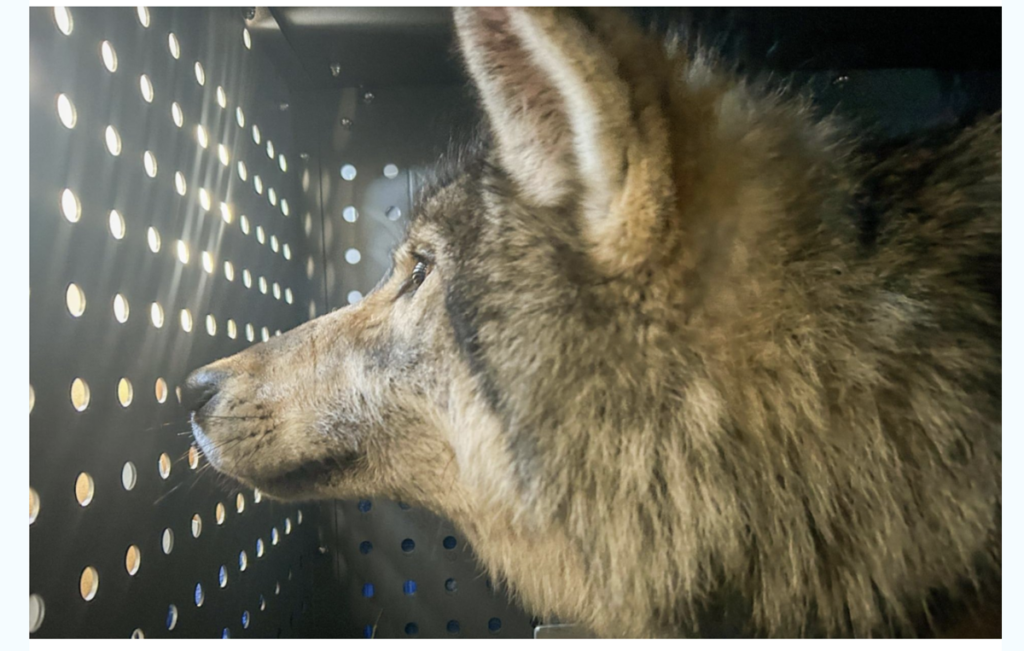
Wildlife commissioner pushes for tougher penalties after hunter accidentally kills Colorado wolf
Marianne Goodland
marianne.goodland@coloradopolitics.com
Updated 1 week ago
Colorado wildlife officials on Wednesday revisited the agency’s handling of violations involving protected species, prompting renewed debate over whether current penalties are sufficient. Colorado Parks and Wildlife Commissioner Rebecca Niemiec on Wednesday urged the agency to impose stronger penalties —...

Colorado’s Parks and Wildlife chair’s decision to limit public comments sparks backlash from fellow commissioners
Marianne Goodland
marianne.goodland@coloradopolitics.com
Updated 1 week ago
Last week, the chairman of Colorado’s wildlife commission unilaterally decided to limit public comments, complaining, in particular, that elected officials often “grandstand” at meetings and noting that the election season is well underway. This week, the commission overturned its chair’s...
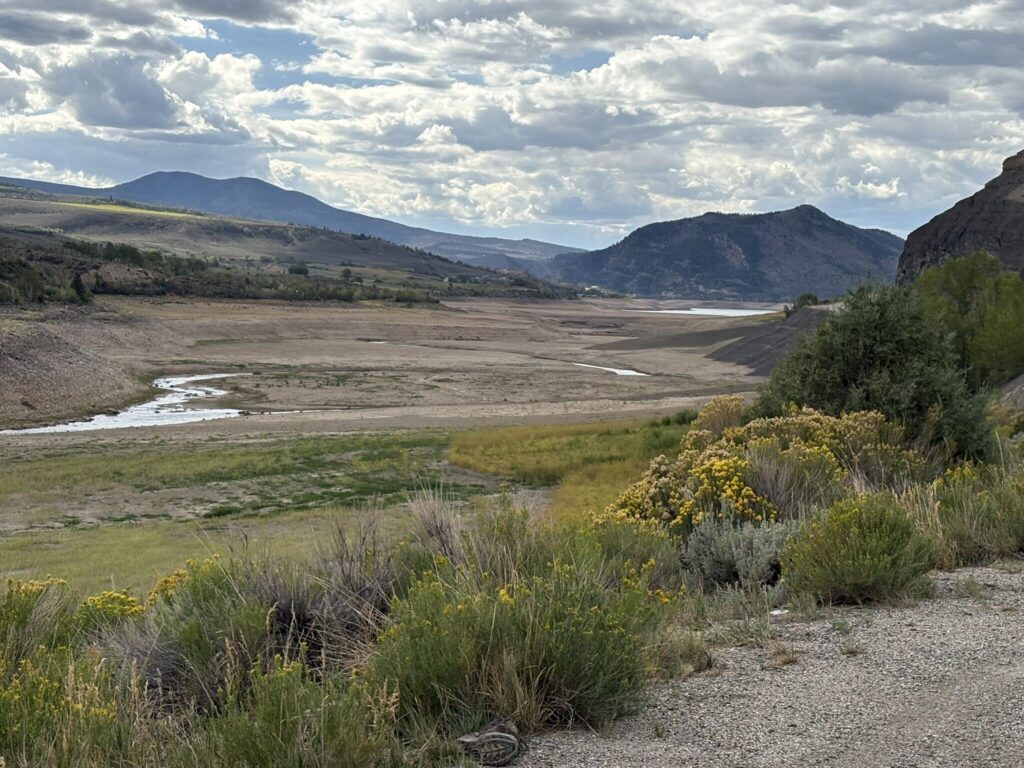
A silver lining: Low water conditions at Green Mountain Reservoir open door for major repairs
Marianne Goodland
marianne.goodland@coloradopolitics.com
Updated 3 days ago
One of the most striking signs of the low snowpack and drought that has plagued Colorado this year can be found by driving by Green Mountain Reservoir in Grand County. The reservoir, first filled in the 1940s, sits at its...
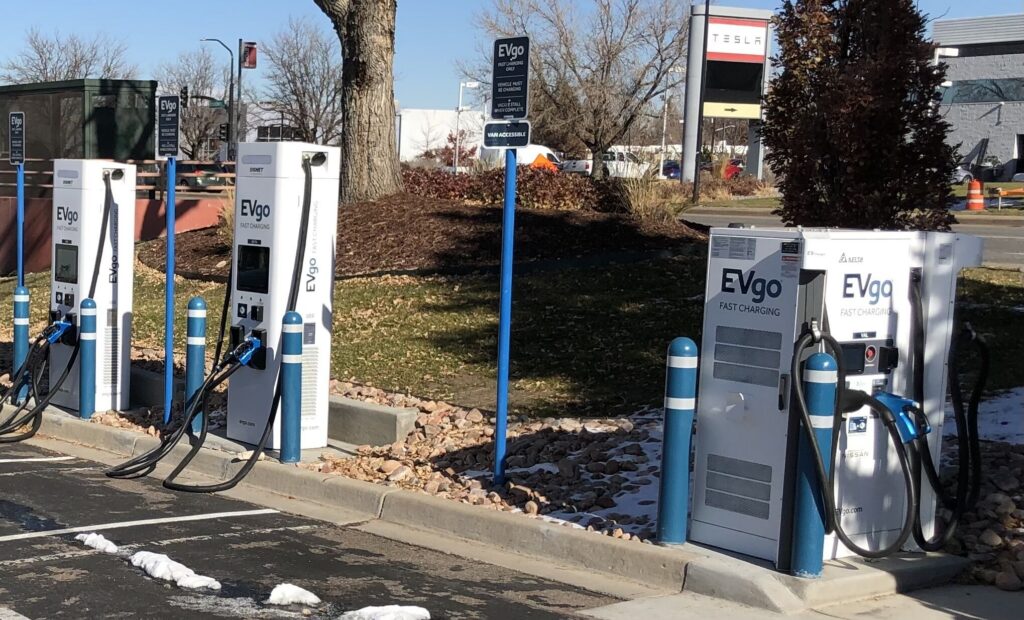
Colorado’s EV charging map nearly complete, state says
Scott Weiser
scott.weiser@gazette.com
Updated 4 days ago
Gov. Jared Polis and the Colorado Department of Transportation released a statement calling the state’s public fast-charging network nearly built out. The Aug. 27 news release reports there are now 486 DC fast-charging locations and 83% of the state highway...
PREV
PREVIOUS

Federal judge explores new sanctions against ex-Colorado judicial discipline director
A federal judge on Wednesday directed Colorado’s former judicial discipline director, for the third time this year, to explain why she should not sanction him for his latest conduct in his litigation against the state’s judiciary. Christopher S.P. Gregory, who served as the executive director of the Colorado Commission on Judicial Discipline between 2022 and 2024, raised […]

Lawsuit challenges Douglas County commissioners’ ballot actions
A new lawsuit against Douglas County commissioners seeks to invalidate the board’s intervention in efforts to expand the commission from three members to five and restore the original ballot language approved by more than 20,000 petition signers. The suit marks the latest hurdle for the board of commissioners who, in the final days before ballot […]