

With its water source dry, a southeast Colorado town’s clock is ticking

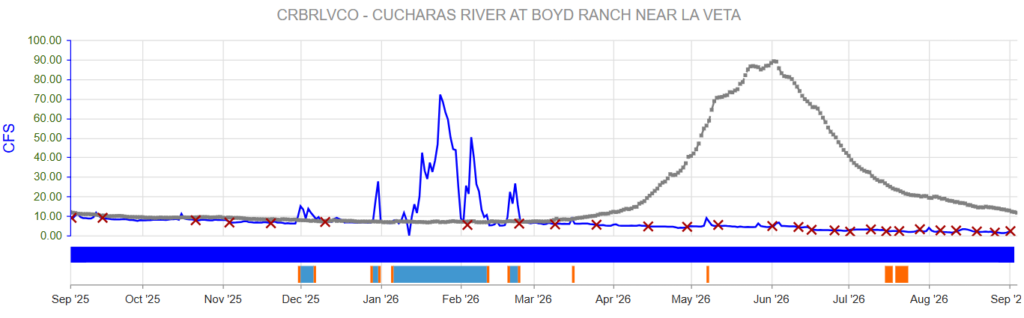
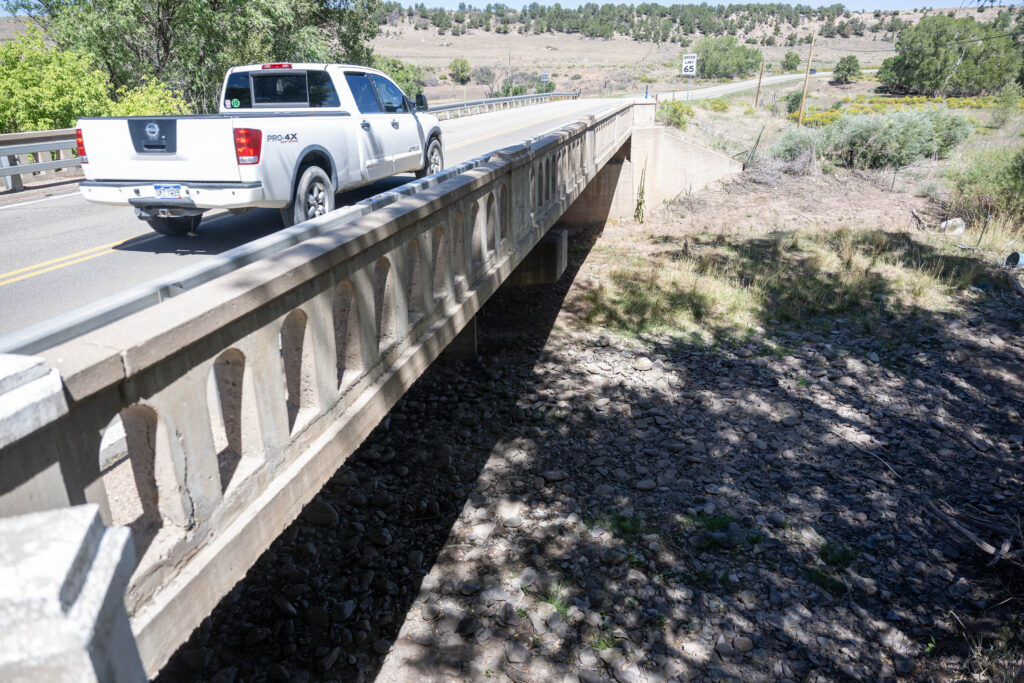
The Cucharas is not a mighty river, but the people of La Veta knew they had a problem brewing when it ran dry at the beginning of June.
“We’re getting by,” said La Veta Mayor Doug Brgoch. “It’s not great.”
The town has water in storage at its two reservoirs on the edge of town, which remain about 60% full. But with the town’s allocation from the Cucharas down to a trickle, La Veta isn’t banking on substantially more water anytime soon. This time of year the town would usually be able to take 10 times more water from the river to replenish its supply.
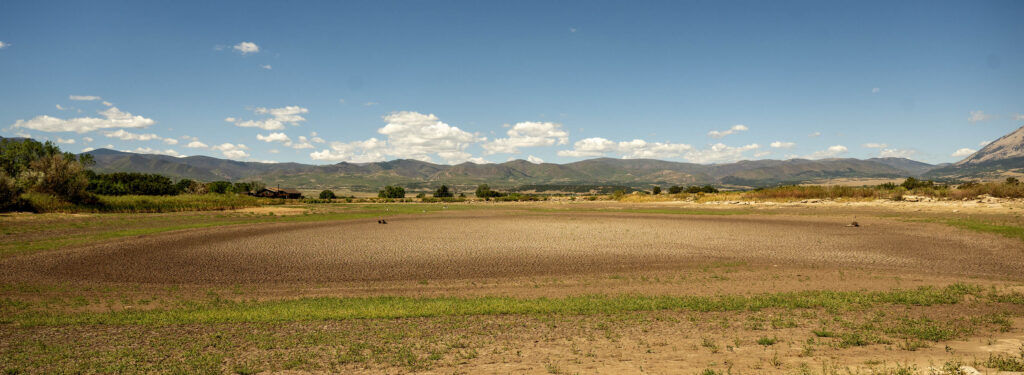
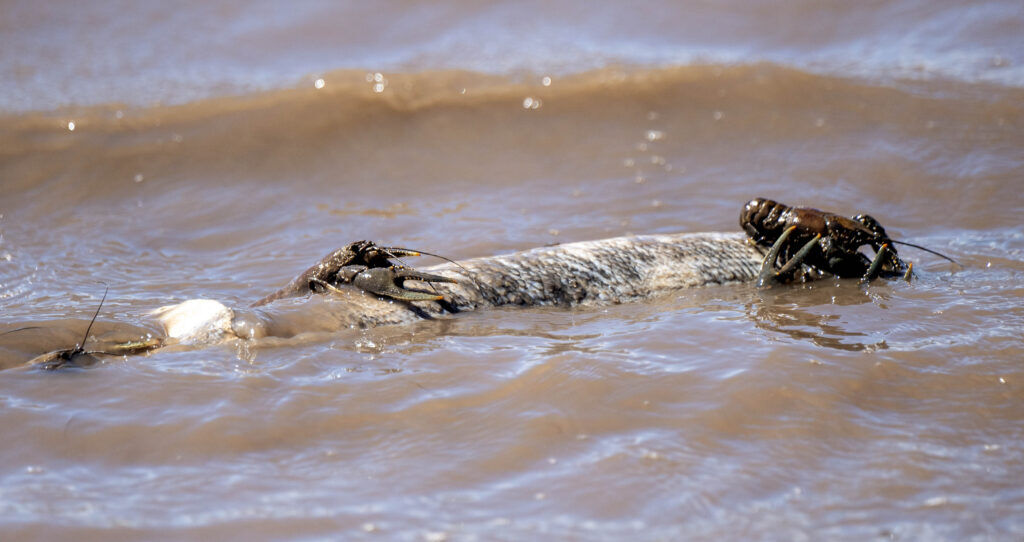
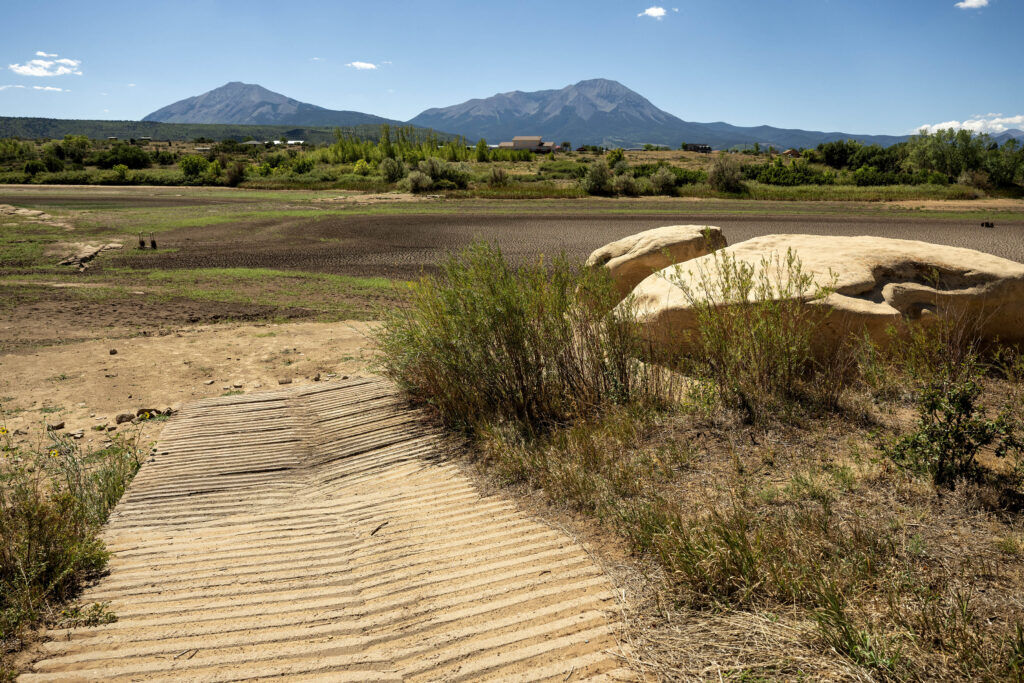
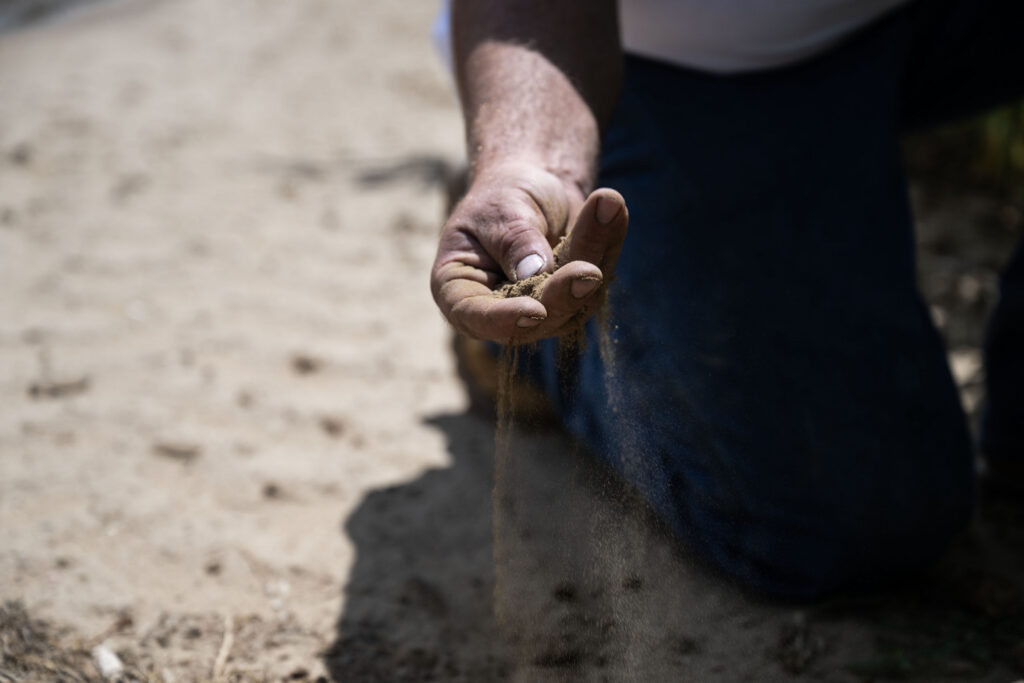
Meanwhile, there are signs all around La Veta of moisture drawing away from the land: wells are drying up, creek beds are dusty. On the outskirts of town, the Wahatoya and Daigre reservoirs, both state wildlife areas, have been drained to the dregs to send to downstream users. Stranded, dying crawfish are the only signs of life on the cracked lakebeds.
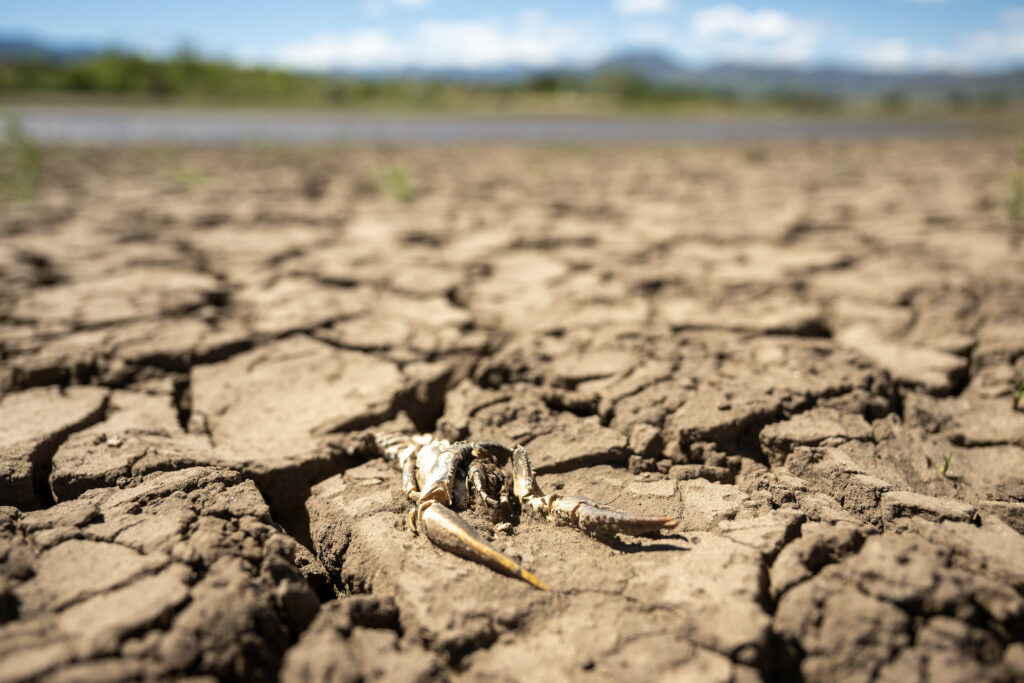
Huerfano County, which contains La Veta and much of the Cucharas River, is in an extreme to exceptional drought. According to the National Integrated Drought Information System, 2026 is the second worst drought year the county has experienced in the last 132 years. Neighboring counties, especially west into the San Luis Valley, are in a similar condition.
“It’s a situation so big in scope and out of all human control, we’re doing the best that we can,” said Brgoch.
Over the summer, the town of about 850 has ratcheted up its water restrictions to stage four, banning all outdoor water use. The flower beds along the town’s historic main street are watered from an outside source, and they’re among the only spots of green.
Brgoch is hesitant to put a number on how long the town can last on its reserves, given changing conditions in the river and the environment. He said he was confident the town could, with current usage, make it through the winter to the anticipated swell of spring runoff.
“The problem with telling people that there’s 150 days of water left is that they’ll think tomorrow there’s 149 days left, and so on, and it doesn’t really work that way,” he said.
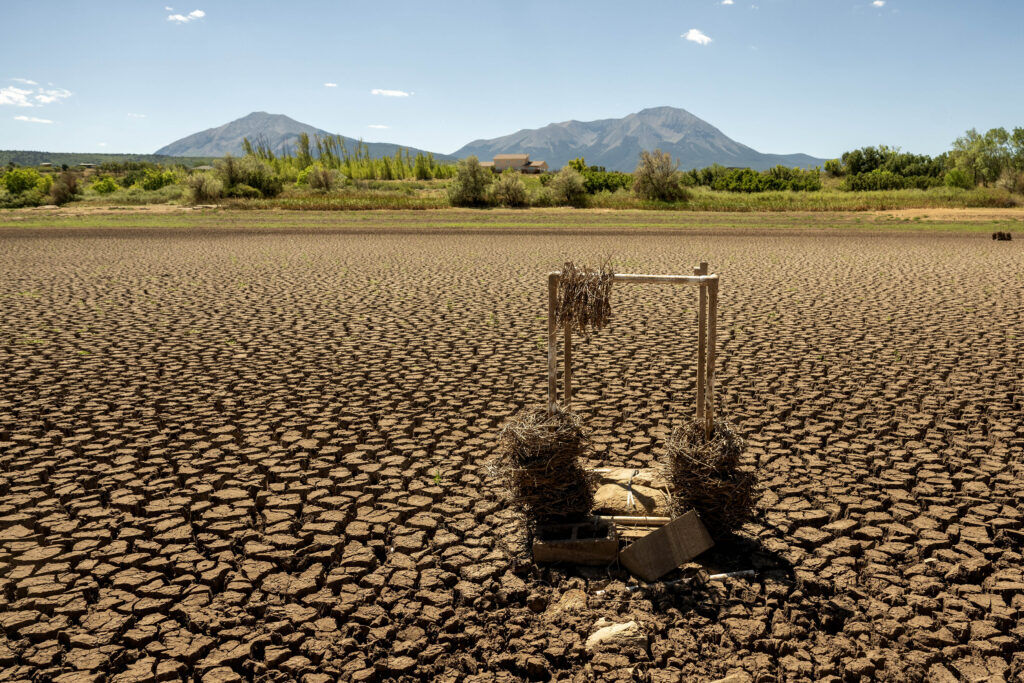
If Brgoch’s prediction ends up being too optimistic, the idea of La Veta losing its supply would be an “incomprehensible” situation, he said. The town would need to consider trucking in its water from elsewhere, likely while other water users are trying to conserve, too.
A strange kind of year
It’s business as usual in La Veta, despite all the nervous water talk. Emile Dubia, owner of the La Veta Mercantile, said the town was getting the wrong kind of attention during its tourist season.
“I wish that the drought wasn’t getting as much publicity as it is, you know what I mean?” she said.
La Veta is far from alone in imposing municipal water restrictions this year. Surface water supply from rivers and creeks flowing down from the Rockies has almost universally dipped this year. Rivers had a weak, premature runoff period of high flows as what snow did fall this winter melted earlier than usual.
Stream data from the Colorado Division of Water Resources shows a pitiful peak this year for the Cucharas. Just upstream from La Veta, the river did not follow its average swell in the early summer months. The streamflow is hovering around 2 cubic feet per second after a steady decline all season.
Chris Woodka, senior policy and issues manager at the Southeastern Colorado Water Conservancy District, said drought conditions are more linked to snowpack than rainfall this year in much of southeast Colorado.
“This has been really kind of a strange year,” he said.
Snow, he said, is the “battery” for the state’s water supply. Rainfall alone does not generate enough moisture to sustain towns, cities and agricultural producers. Much of the state is run on a complicated system of water projects, some of which funnel water from the Colorado River Basin on the Western Slope to the Front Range. Some, especially small towns, rely on wells that harvest groundwater.
Comparatively, the Cucharas River Basin is straightforward but also vulnerable. People can follow their water source right through town: from the little mountain village of Cuchara, through La Veta, through Walsenburg.
Along the way, senior water users fare better than junior. Colorado’s water rights system is based on the concept of “first in time, first in right,” which means older rights holders get their share before those claimed later in time. In a year like this, when even senior right holders are struggling, there’s not enough to go around.
That hits agricultural producers hard. Brgoch, who is also a rancher, said he cut his herd by 60% this year as the tributary streams that sustain his land dried up.
“It’s just had a really deleterious effect on life and livelihood of everyone in the valley,” he said.
Woodka said that cutting back in one bad year can make it difficult to bounce back later, even if conditions improve.
“Those economic effects for agricultural producers escalate,” he said.
Cycle of drought
Trace the Cucharas upstream around the western edge of the Spanish Peaks, you’ll eventually get to the unincorporated village of Cuchara.
Mike Moore has lived there for 30 years. He’s one of the self-described “gung-ho, crazy ski bums” trying to bring back the Cuchara Mountain Resort, a ski area that’s been open in fits and starts since its creation in the 1980s.
This past winter, the now-nonprofit ski venture saw its shortest operating season ever, according to Moore. The area could sustain about 60 open days on its modest 50-acre slope. That’s despite growing snowmaking operations.
Moore said the season wasn’t as disappointing as one might expect based on the abysmal winter for the state’s more popular slopes. It helped that expectations were managed: Cuchara is new, unknown, small and cheap.
“We actually did good last winter compared to all the big boys up north,” he said.
This year he said the group plans to expand its snowmaking operations, using winter-only water rights. Moore said he hoped the efforts, plus whatever nature provides, will help replenish the Cucharas next spring.
“We’re keeping our fingers crossed that we won’t have to make so much snow this winter,” he said.
Downstream, Brgoch was less optimistic about the impact of drought on tourism. La Veta has experienced a summer slump in sales tax revenue he attributes to a drop in visitors. Heat and drought, he said, are dissuading people who come to recreate nearby.
“If they haven’t cancelled their trips, they cut them short,” he said.
He said the town was adapting to a “cycle of drought” exemplified by tough prior years like 2002. After 2026, it might take the town more than one season to return to normal water conditions.
Dubia said that water conservation was the new normal. La Veta, she said, remains a great place to visit.
“It’s cute, it’s quaint, it’s like stepping back in time,” she said.

Colorado farmers, ranchers wrestle with hurdles amid extreme drought conditions
Shen Wu Tan (Special to The Denver Gazette)
shen-wu-tan@gazette.com
Updated 1 month ago
Some producers take drastic steps to adapt to dry climate, record-low snowpack This is the first time that Jim Magnuson, who operates a family farm in the rural town of Eaton, can ever recall planting only 75% of his acreage. ...

Colorado produce not tied to nationwide cyclospora outbreak, agriculture officials say
Marissa Ventrelli
marissa.ventrelli@coloradopolitics.com
Updated 2 months ago
There is no indication that the recent outbreak of cyclospora, a fecal parasite that has contaminated food and water across nearly every state, can be linked to produce grown in Colorado, according to the state’s Department of Agriculture. “Colorado growers...
With no 7-state deal, federal agency turns to 10-year Colorado River strategy
Marianne Goodland
marianne.goodland@coloradopolitics.com
Updated 3 months ago
The U.S. Department of the Interior is moving forward with a 10-year framework for managing the Colorado River after 2026, outlining a plan to issue new operating guidelines every two years as the seven basin states remain unable to reach...
Colorado on the hook for $1 million in costs to pay for wolves’ livestock kills
Marianne Goodland
marianne.goodland@coloradopolitics.com
Updated 4 months ago
After paying more than $700,000 in March to ranchers for livestock lost to wolves, the Colorado Parks and Wildlife Commission is poised to approve two additional claims totaling $262,000 at its meeting this week. Those approvals would bring total payouts...
Overtime for farms, school safety, public office rules: What’s new in Colorado law
Marianne Goodland
marianne.goodland@coloradopolitics.com
Updated 4 months ago
Gov. Jared Polis signed 25 bills into law Monday, bringing changes that will affect workers, families, schools, and local governments across Colorado. The new laws deal with a range of issues – from overtime rules for farmworkers to limits on...
While growth slows statewide, small-town populations in Colorado boom
Savannah Eller
savannah-eller@coloradopolitics.com
Updated 4 months ago
A proposed housing project could more than double the population of Calhan, a town of just 760 on the Eastern Plains outside Colorado Springs. For some small towns on the Front Range, it’s a familiar situation. Colorado’s overall population growth...
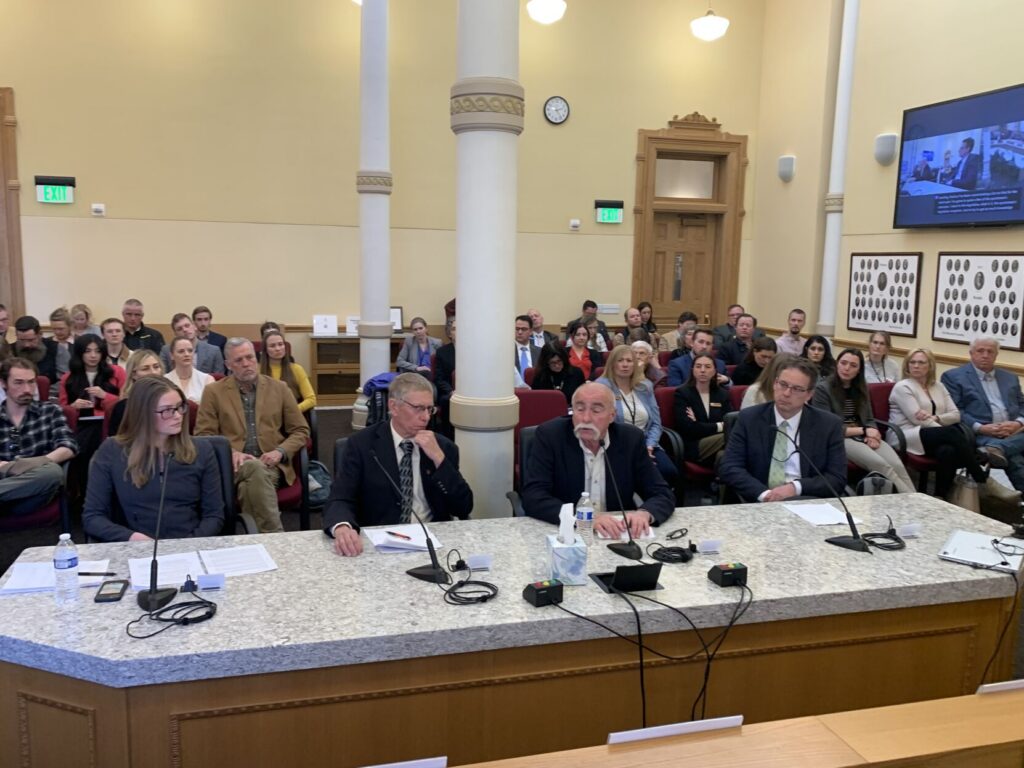
Governor’s wildlife commission picks face pushback ahead of Colorado Senate hearing
Marianne Goodland
marianne.goodland@coloradopolitics.com
Updated 5 months ago
Colorado’s largest coalition of hunters, anglers, and wildlife conservation groups is urging state lawmakers to reject two of Gov. Jared Polis’ latest nominees to the Colorado Parks and Wildlife Commission, setting up a contentious confirmation hearing before the Senate Agriculture...
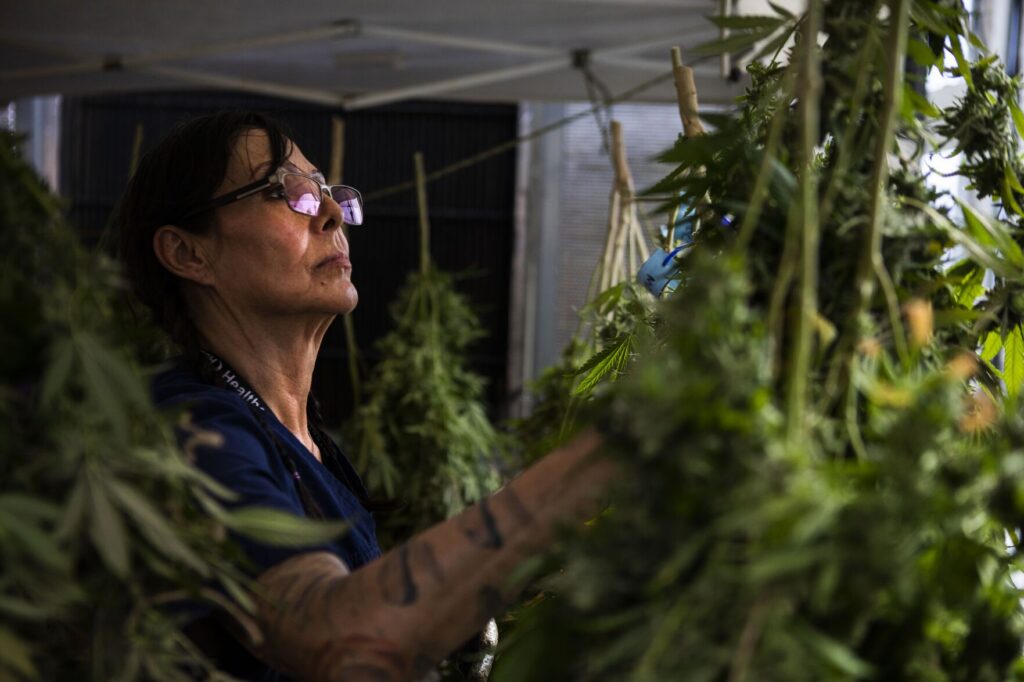
Cannabis overhaul introduced in Colorado Senate
Chris Osher
chris-osher@gazette.com
Updated 5 months ago
Colorado lawmakers on Wednesday introduced a measure that, if approved, would place a ballot proposal before voters this fall that contains changes backers say would improve consumer safety and overhauls how the marijuana industry is taxed. The proposed ballot initiative would fund a testing...
Colorado House passed a bill raising threshold for agriculture overtime by one vote
Marianne Goodland
marianne.goodland@coloradopolitics.com
Updated 5 months ago
The bill that would raise the overtime threshold for overtime pay for certain agricultural workers won the narrowest of votes Thursday in the Colorado House. Senate Bill 121 won a 33-32 vote, a dramatic difference from votes cast Wednesday on...

Colorado marijuana regulators pledge crackdown on intoxicating hemp
Christopher Osher
chris.osher@gazette.com
Updated 5 months ago
Citing potential tax avoidance, ‘serious risk to public safety,’ Marijuana Enforcement Division warns companies about swapping illegal chemically converted hemp for marijuana This article was produced for ProPublica’s Local Reporting Network in partnership with The Denver Gazette. Colorado regulators announced...
PREV
PREVIOUS
Fort Carson soldiers run Indonesian exercise, refine communications tech
Fort Carson soldiers are overseeing an expansive military exercise in Indonesia while honing new communications technology for the Army. More than 4,700 personnel are participating in the annual training, known as Super Garuda Shield 2026, taking place across several regions of Indonesia and featuring infiltration drills, firing of Stinger missiles, cyber exercises and amphibious maneuvers. […]

What to know about Canada’s escalating trade war with the US as Carney retaliates with tariffs
TORONTO (AP) — Canada struck back at U.S. President Donald Trump on Tuesday with tariffs on about $20 billion worth of U.S. goods, in response to the latest round of tariffs on Canada. The outcome could resonate far beyond Canada, showing other governments whether a smaller U.S. ally can withstand Trump’s economic pressure. Canadian Prime […]