

U.S. Rep. Lauren Boebert calls Trump’s 90-day wolf-delisting review ‘real progress’
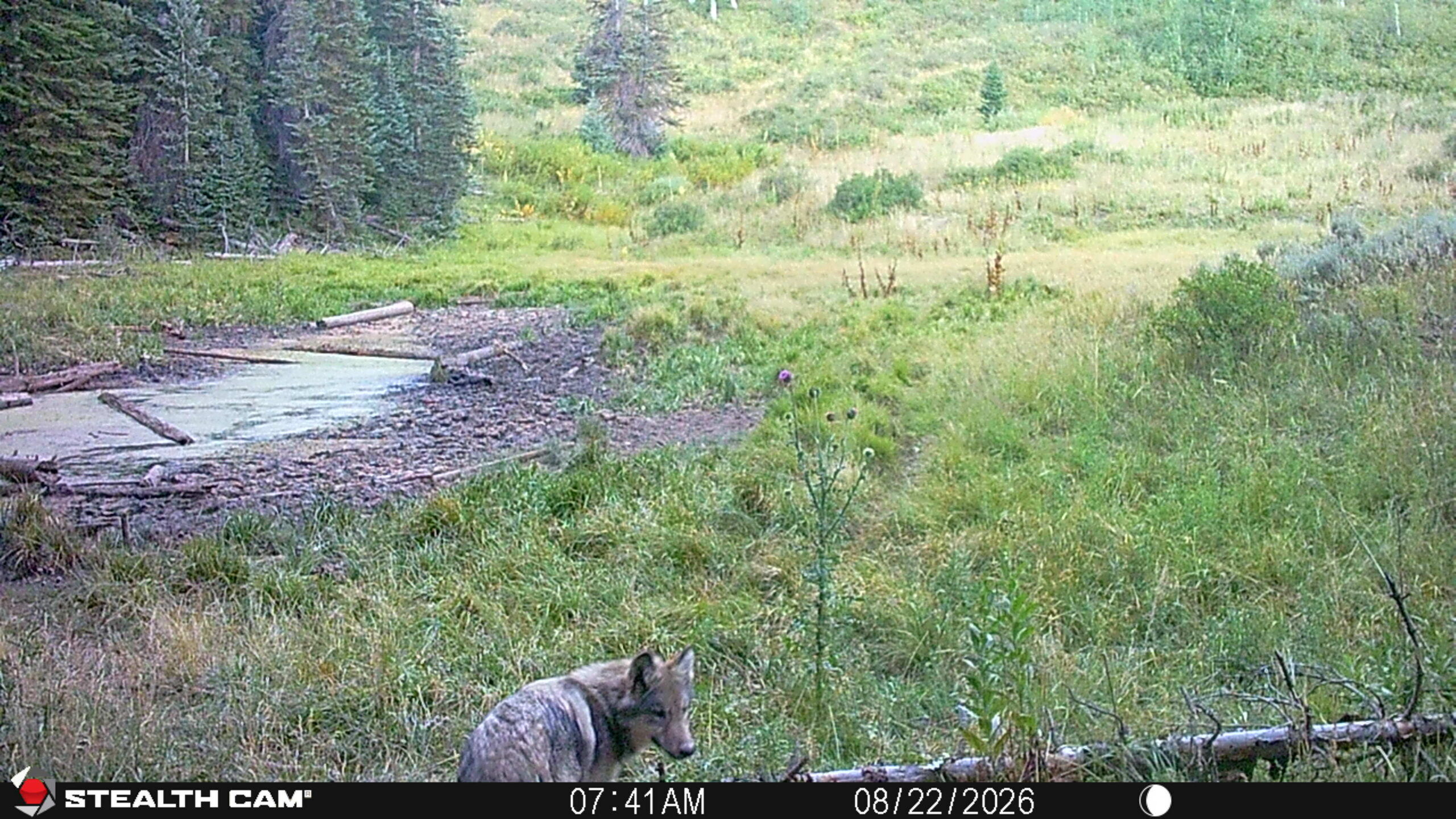
President Donald Trump last week directed Interior Secretary Doug Burgum to launch a 90-day review on whether gray wolves and Mexican wolves should be removed from Endangered Species Act protections.
The order drew mixed reactions for Colorado’s wolf-reintroduction effort, with ranchers and some state leaders calling it a step toward more flexible management while wolf advocates argue it strips away key safeguards.
If Burgum determines delisting or downlisting is warranted, the order said states would be encouraged to remove gray wolves and Mexican wolves from their own protected-species lists and loosen lethal-control standards to help ranchers respond to predation.
The order says the Interior Secretary would also weigh regulatory changes that revise the department’s criteria for authorizing lethal removal of gray wolves and Mexican wolves, and allow faster emergency response — including more precise targeting — in situations involving threats to human safety or domestic livestock.
How delisting would impact Colorado and its nearly three-year-old relocation program is unclear.
Erin Karney, executive director of the Colorado Cattlemen’s Association, told Colorado Politics she views the order as a step in the right direction, but one that wouldn’t do much for Colorado in the immediate future.
It could help with wolf management down the road, she indicated. For now, she said, “it just muddies the water for us.”
Karney said delisting, or even downlisting, the gray wolf would allow more flexible wolf management if the state followed the wolf plan. They don’t do that now, she said.
Republican U.S. Rep. Lauren Boebert, of Colorado’s 4th Congressional District, said Tuesday, “Colorado producers should not have to watch wolves tear through their herds while Washington ties their hands.” She called Trump’s order “real progress.”
Boebert’s legislation — the Pet and Livestock Protection Act (H.R. 845) — passed the House last December but is stalled in the U.S. Senate. The act would direct the Secretary of the Interior to remove protections for the gray wolf under the Endangered Species Act of 1973.
Wolf advocates threatened lawsuits.
The Center for Biological Diversity, in a statement, said Trump’s executive order “encourages the federal agencies to meddle with states’ protected species laws to remove protections and directs the agencies to weaken evidentiary standards related to predation of livestock.”
Michael Robinson, a senior conservation advocate for the center, said they’re prepared to challenge the order in court.
Humane World for Animals and Humane World Action Fund, formerly the Humane Society of the United States, said in a statement, “Scapegoating wolves is a cynical and performative gesture given the immense harm that the Trump administration has inflicted on our nation’s ranchers with irresponsible tariffs.”
In 2020, the Trump administration ordered the delisting of gray wolves, but a California federal court overturned that decision in 2022. That decision is now on appeal, with a hearing scheduled next month.
Twenty-five gray wolves were relocated to Colorado from Oregon and British Columbia in 2023 and in January 2025. Thirteen of those wolves have since died from a variety of causes, including being killed by Colorado Parks and Wildlife or U.S. Fish & Wildlife for killing livestock in Colorado and Wyoming.
State officials say the wolves are now breeding in four packs, bringing the total population to 32.
Colorado’s relocation program has been plagued with problems, including cost overruns for compensating ranchers who have lost livestock to the wolves. That has cost the state more than $1 million over each of the past two years, despite a state budget of just $350,000 per year.
Livestock losses now number more than 100 in the program’s three-year history. That includes at least 20 livestock — ewes, a bull, cows and calves — since July 1, according to Colorado Parks and Wildlife’s wolf depredation website and ranchers who spoke to Colorado Politics.

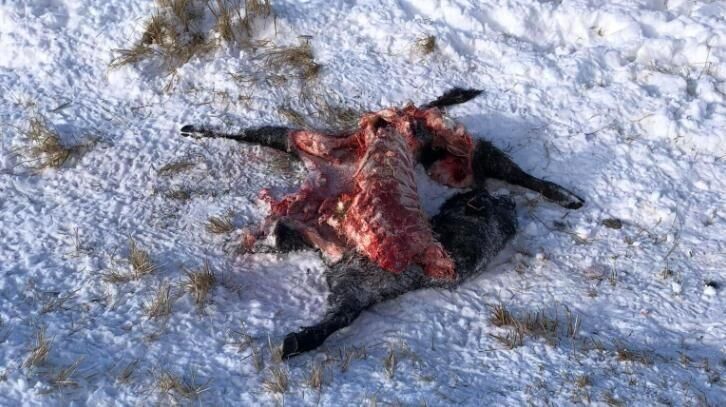
Two more wolves killed by Colorado wildlife staff
Marianne Goodland
marianne.goodland@coloradopolitics.com
Updated 16 minutes ago
Two yearling wolves from the Copper Creek and Three Creeks packs in Pitkin and Rio Blanco counties, respectively, were killed by Colorado Parks and Wildlife staff on Monday. That brings to 19 the number of wolves that have died under...
Disgraced ex-CBI analyst Missy Woods sentenced to prison in DNA scandal
Jenny Deam
jenny.deam@gazette.com
Updated 24 minutes ago
A Jefferson County district court judge on Tuesday sentenced a disgraced former Colorado Bureau of Investigation DNA analyst to a decade in prison for altering and deleting data in scores of criminal cases over several years. Jefferson County District Judge...

Jason Crow endorses Democrats up and down Colorado’s ballot, chips in $100K for campaign efforts
Ernest Luning
ernest.luning@coloradopolitics.com
Updated 13 minutes ago
Democratic U.S. Rep. Jason Crow on Tuesday formally endorsed more than 60 Democrats running up and down Colorado’s ballot and said he’s putting $100,000 into statewide and county campaigns and organizing programs to drive turnout in the fall election. Crow,...

With its water source dry, a southeast Colorado town’s clock is ticking
Savannah Eller
savannah-eller@coloradopolitics.com
Updated 7 hours ago
The Cucharas is not a mighty river, but the people of La Veta knew they had a problem brewing when it ran dry at the beginning of June. “We’re getting by,” said La Veta Mayor Doug Brgoch. “It’s not great.”...

Fort Carson soldiers run Indonesian exercise, refine communications tech
Mary Shinn
mary-shinn@coloradopolitics.com
Updated 7 hours ago
Fort Carson soldiers are overseeing an expansive military exercise in Indonesia while honing new communications technology for the Army. More than 4,700 personnel are participating in the annual training, known as Super Garuda Shield 2026, taking place across several regions...

Parenting from prison: Inmates hope to be present in their children’s lives, while physically absent
Marianne Goodland
marianne.goodland@coloradopolitics.com
Updated 5 hours ago
The room was decorated with balloons, the tables sparking bright with colors as the smell of pizza and cake wafted through the air. As did music. This was, after all, a father-daughter dance. Except this was not a typical father-daughter...

Colorado House ethics committee issues ‘stern letter’ to Democrat over caucus funds mismanagement
Marianne Goodland
marianne.goodland@coloradopolitics.com
Updated 1 hour ago
The Colorado House ethics committee on Friday voted unanimously to issue a “stern letter” to Rep. Mandy Lindsay, D-Aurora, regarding her mismanagement of House Democratic caucus funds. The committee further voted to request that Lindsay resign as Democratic Caucus co-chair...

Secretary of Energy, congressmen push for reliable power over renewable outside CSU coal power plant
Brennen Kauffman
brennen-kauffman@coloradopolitics.com
Updated 7 hours ago
U.S. Secretary of Energy Chris Wright said Friday that the Trump administration would continue to fight against state efforts to close coal power plants, including the Ray Nixon Power Plant outside of Colorado Springs. Wright was joined by Colorado Republican...

State seeks $50K penalty against GOP candidate Victor Marx over alleged campaign finance violations
Deborah Grigsby
deborah.smith@denvergazette.com
Updated 27 minutes ago
Republican gubernatorial candidate Victor Marx is looking at more than $50,000 in fines in what the Elections Division of the Office of the Secretary of State calls “unprecedented” campaign finance violations. The state has not imposed that fine yet, and...

Judge puts Colorado Libertarians’ secretary of state candidate on ballot after party’s 1st nominee drops out
Ernest Luning
ernest.luning@coloradopolitics.com
Updated 3 days ago
A Denver judge ruled Friday that the Colorado Libertarian Party’s pick for secretary of state will appear on the November ballot after the party’s original nominee withdrew one day after the deadline to replace minor party candidates. Following a hearing...
PREV
PREVIOUS

Arapahoe County judge’s frustration with defense lawyer not grounds for new trial
Colorado’s second-highest court decided last week that an Arapahoe County judge’s repeated rebukes of a defense attorney and orders to “be quiet” did not rise to the level of bias or a violation of the defendant’s due process rights. A three-judge Court of Appeals panel observed that District Court Judge Joseph Whitfield’s dressing-down of the […]
Two more wolves killed by Colorado wildlife staff
Two yearling wolves from the Copper Creek and Three Creeks packs in Pitkin and Rio Blanco counties, respectively, were killed by Colorado Parks and Wildlife staff on Monday. That brings to 19 the number of wolves that have died under the agency’s watch since the wolf relocation program began in December 2023. Ten wolves were […]